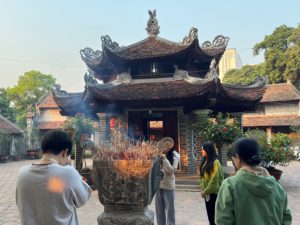
The first day of the year in the old lunar calendar for the year 2024 is Saturday, February 10th (Western calendar). The Vietnamese Lunar New Year, Tet, marks the beginning of a new year and from the moment of the New Year, many people visit temples and shrines to pray for happiness, health, and wealth. This time, we introduce popular places for first-time pilgrims in Hanoi city.

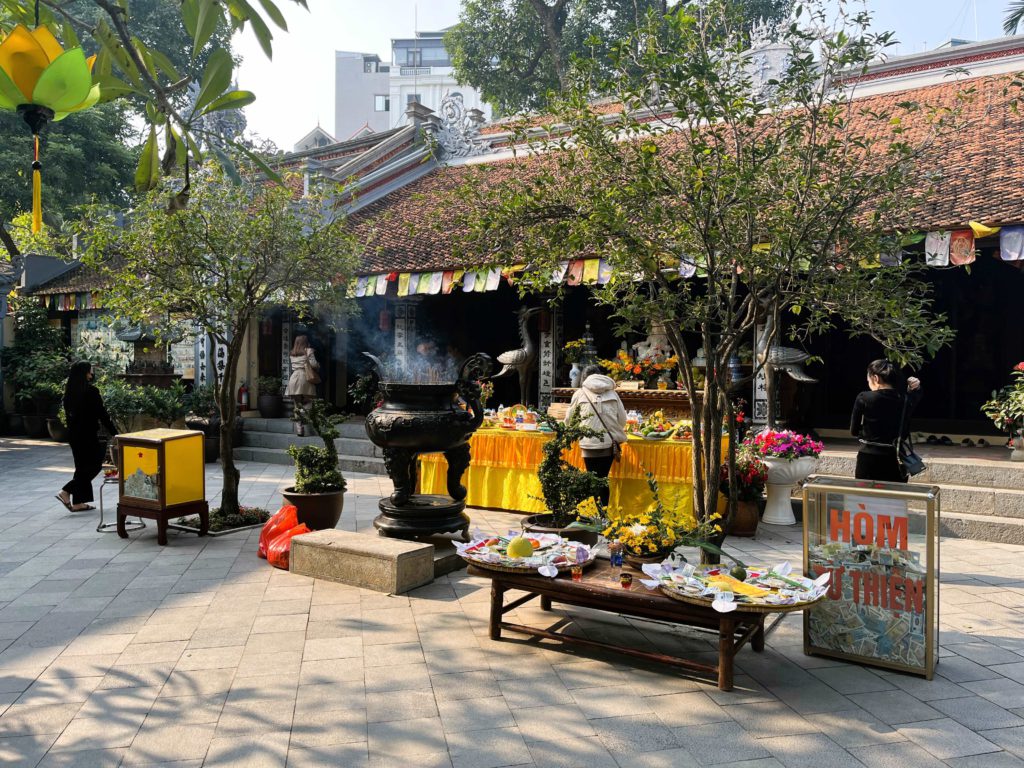
The Vietnamese custom of going to the first shrine on New Year for generations
Vietnam, a Buddhist country, has the custom of visiting temples and shrines according to family traditions. For those who have believed in Buddhism from generation to generation, visiting Buddhist temples on the lunar calendar days such as the first and fifteenth days of each month or on Tet is an everyday ritual.
Tet is a season that marks a new beginning, and many people, including non-Buddhist believers, go to pray on the first day of the year. The wishes can range from peace, health, their children’s academic success, and business prosperity to many other things.
Vietnam has a variety of religious sites, but those related to the lunar calendar are often located at places like Trau, Den, and Din. The sight of people bringing offerings and offering prayers at these sites on the first month of the new year is a deeply familiar scene.
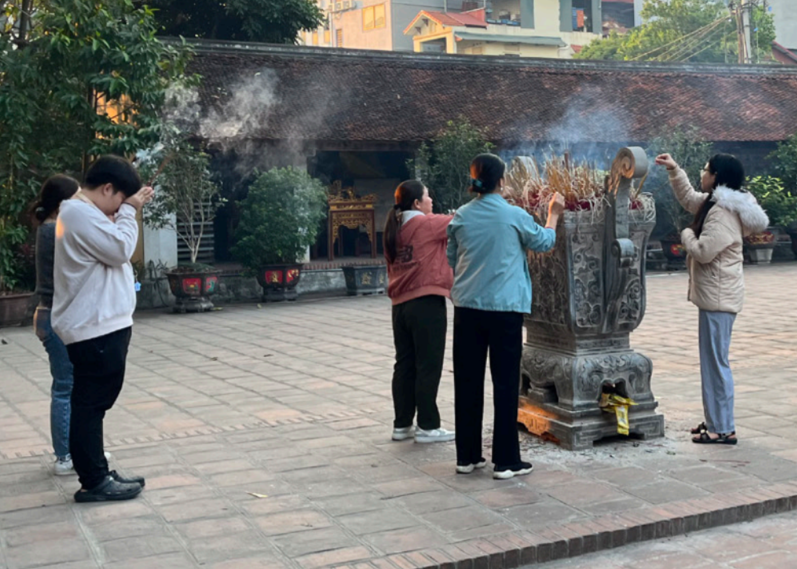
Dinh
Dinh (Village Temple) is a place where people worship the "Shinkyo-Hango," who contributed to the people and the country, and who founded a certain village or profession. It is also a place where villagers hold gatherings and organize local festivals.
Temple
A den (shrine) is a place where historical figures revered as saints or gods are enshrined. The most common den in Vietnam is a facility built to commemorate the deeds of heroes who have contributed to the country or region.
Temple
A temple is a place where Buddhist monks practice and deliver teachings. Both believers and non-believers can visit and worship at a temple. Some temples are also places where Buddhist relics are kept and where great monks are buried.
What is the correct way to worship?
Things to remember before going to the first shrine visit
In Den and Din, the number of main figures worshiped is relatively small; usually there are only one or two. In Chura, however, in addition to Buddha, gods and saints are also worshiped depending on the facility, so attention must be paid to the order of worship and the procedures.
The order of worship in a temple
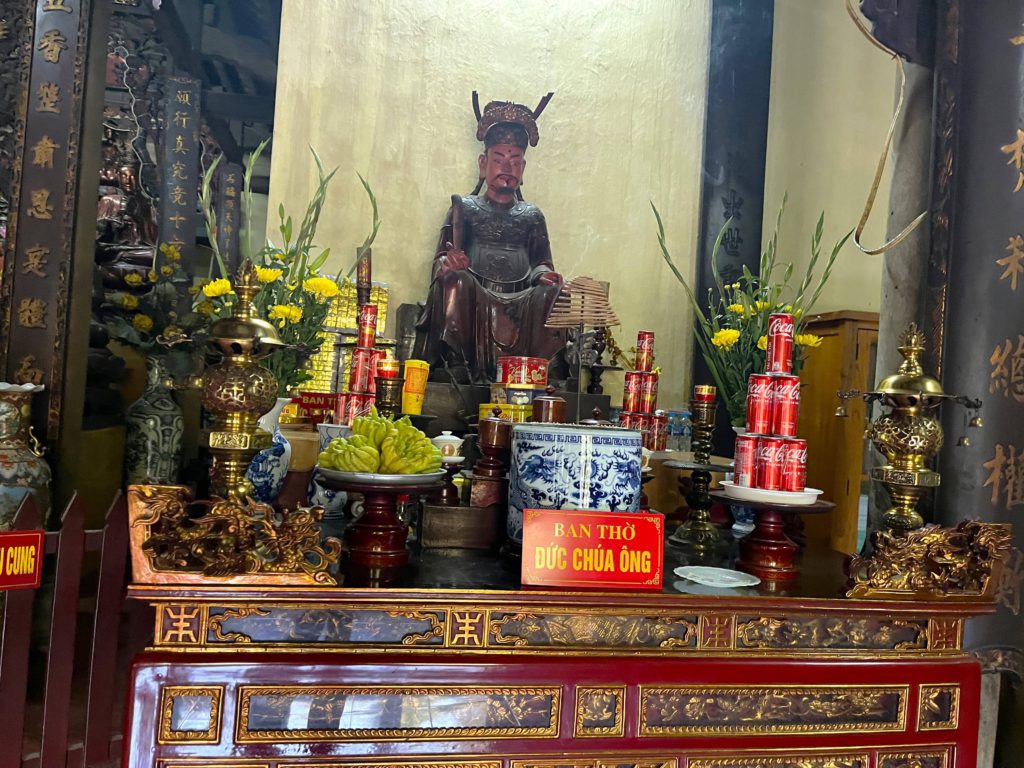
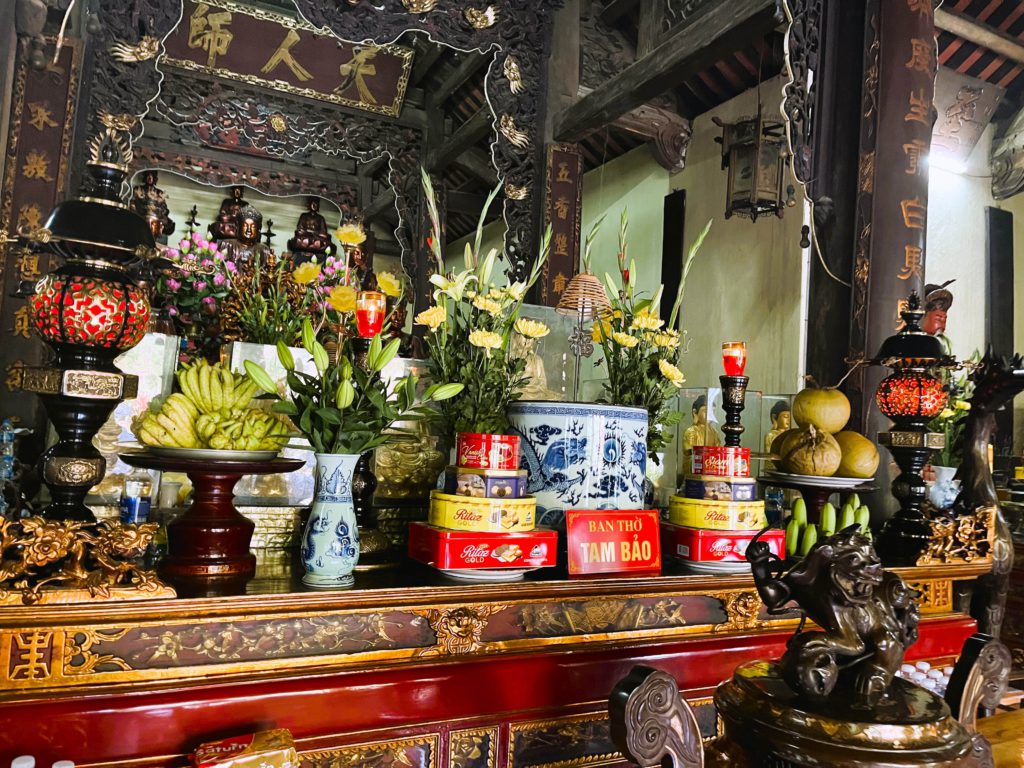
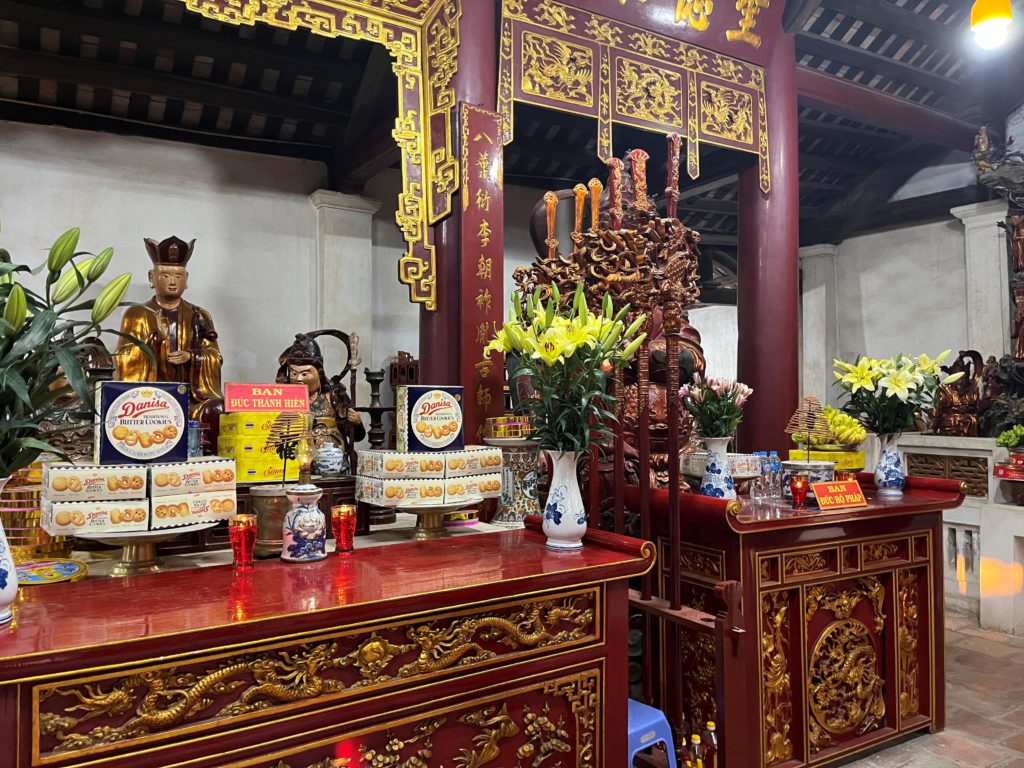
Perform worship at the ancestral shrine.
The Proper Prayer Ritual for the First New Year's Day
Clothing
● The required attire is a top with sleeves and a long-length bottom or dress; clothing that exposes a lot of skin is prohibited.
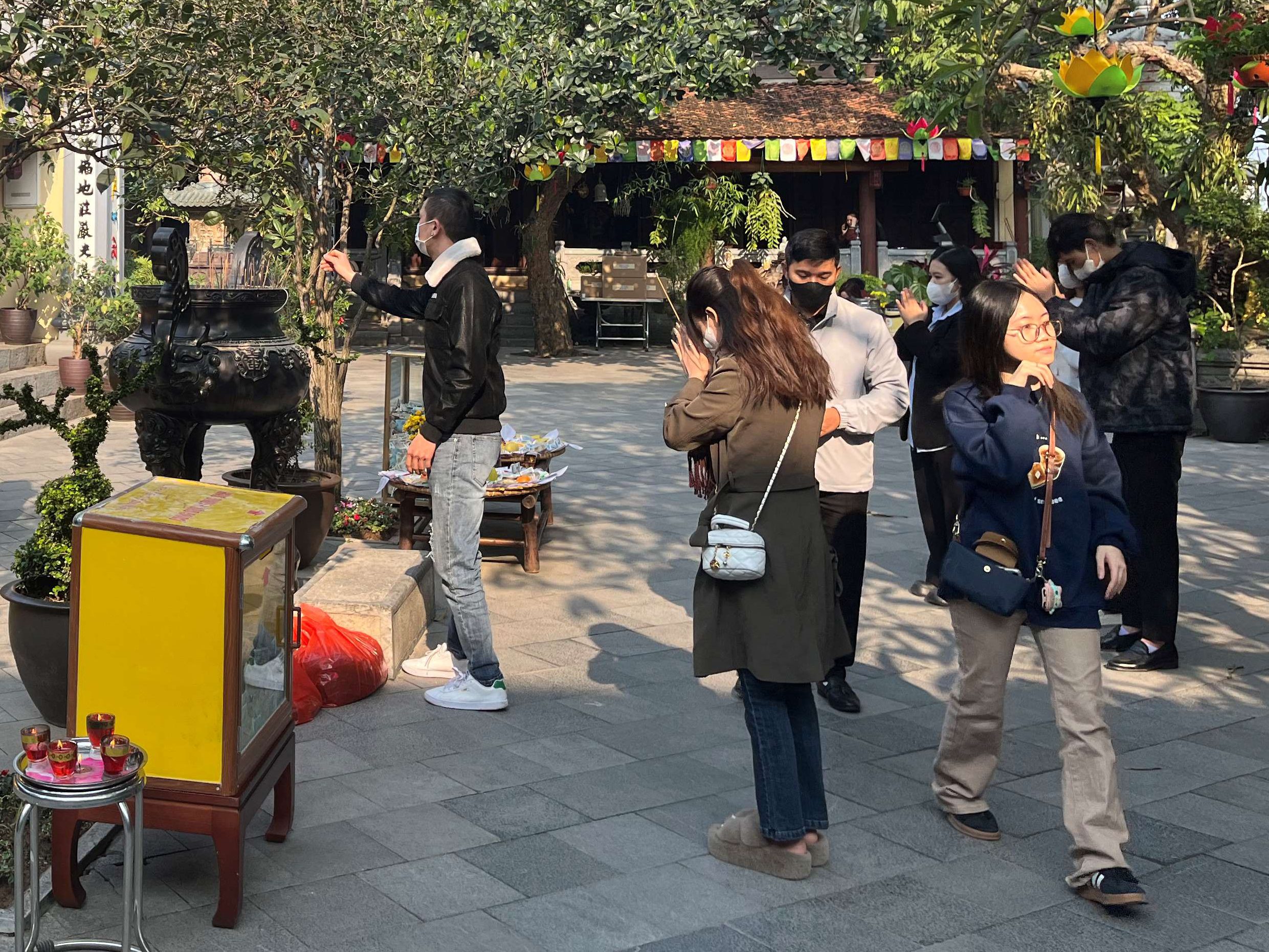
Prayer service
● When entering or exiting the temple through the gate, enter through the right door and exit through the left door.
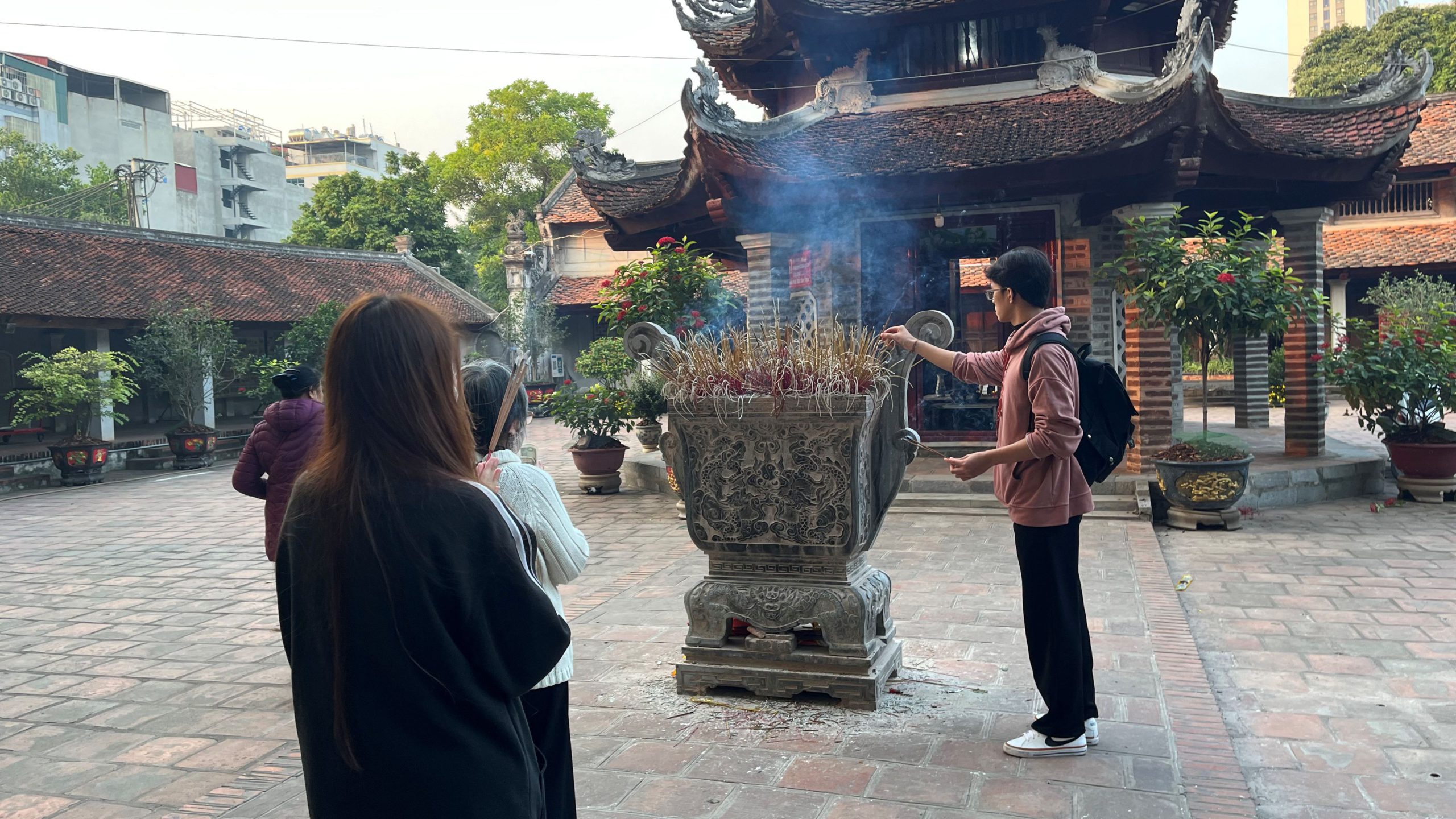
● Often, incense burners are placed in front of the main hall; the incense should be brought to this place instead of inside the hall.
● When performing prayer, do not stand in the center of the altar; instead, stand facing one of the sides.
Offerings
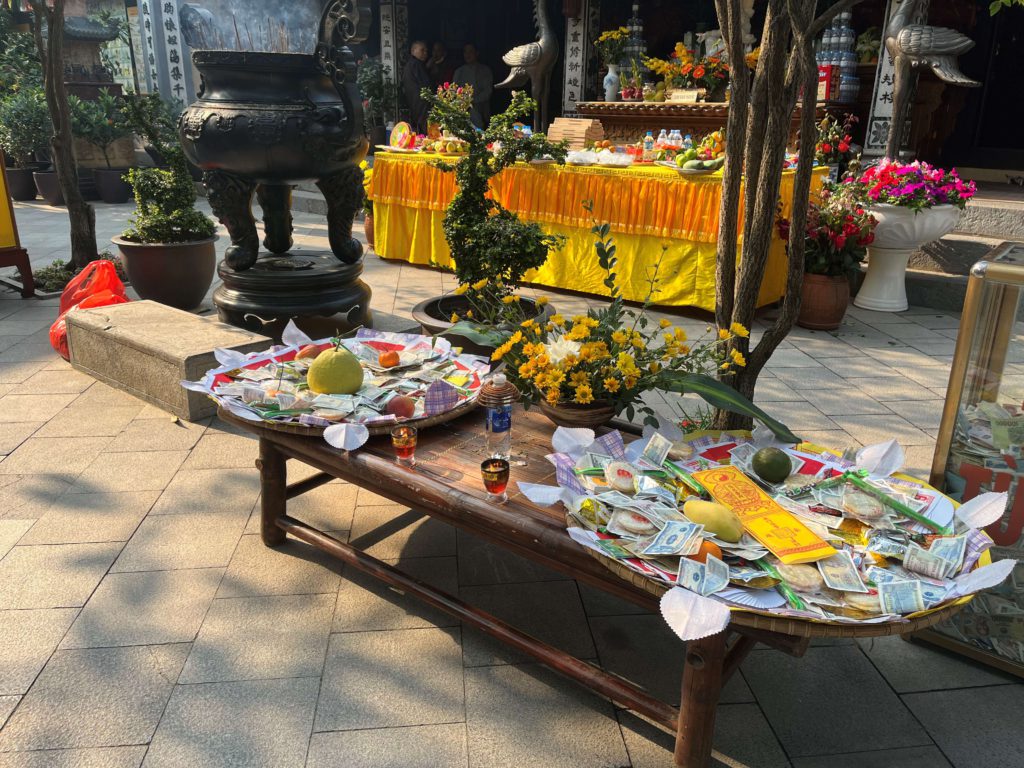
● Foods containing meat, fish, or alcohol are only offered in shrines and temples dedicated to the gods and the Virgin Mary. In temples, along with incense, flowers, fruits, and sweets are offered.
● The flowers offered are not wild flowers or thorny flowers; they are fresh flowers such as lilies, lotus flowers, and chrysanthemums.
Toshu
● The Meishan is not placed on a Buddhist altar; it is offered on the altar of the statue of Buddha, Shodatta, or the Mother Goddess.
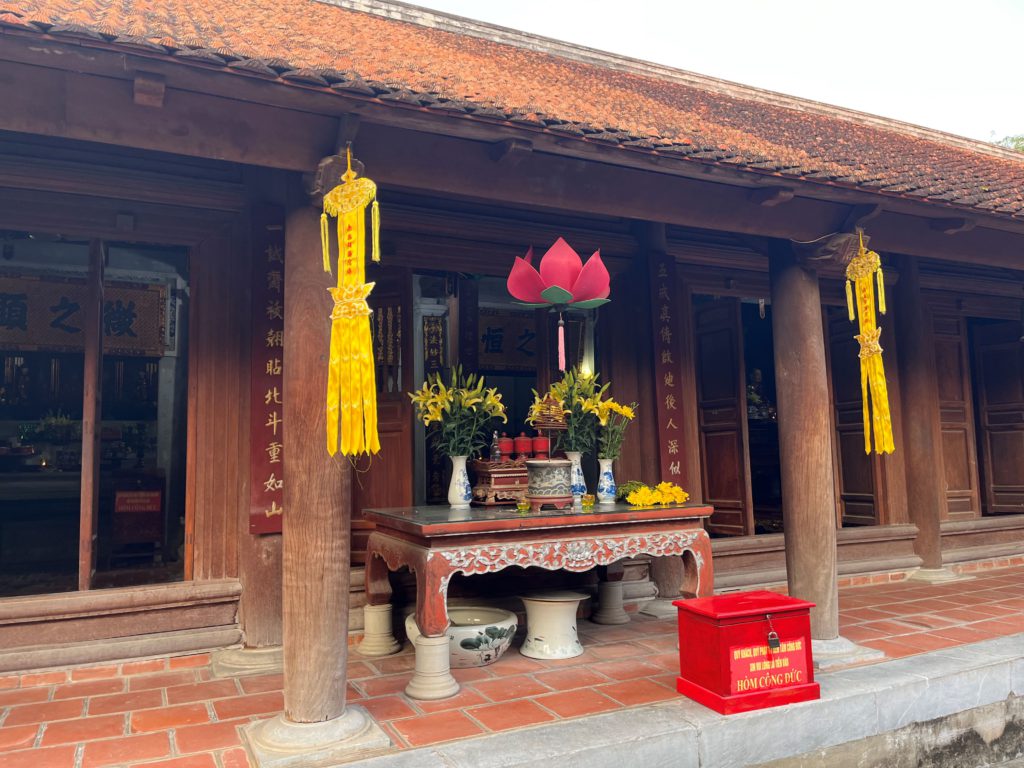
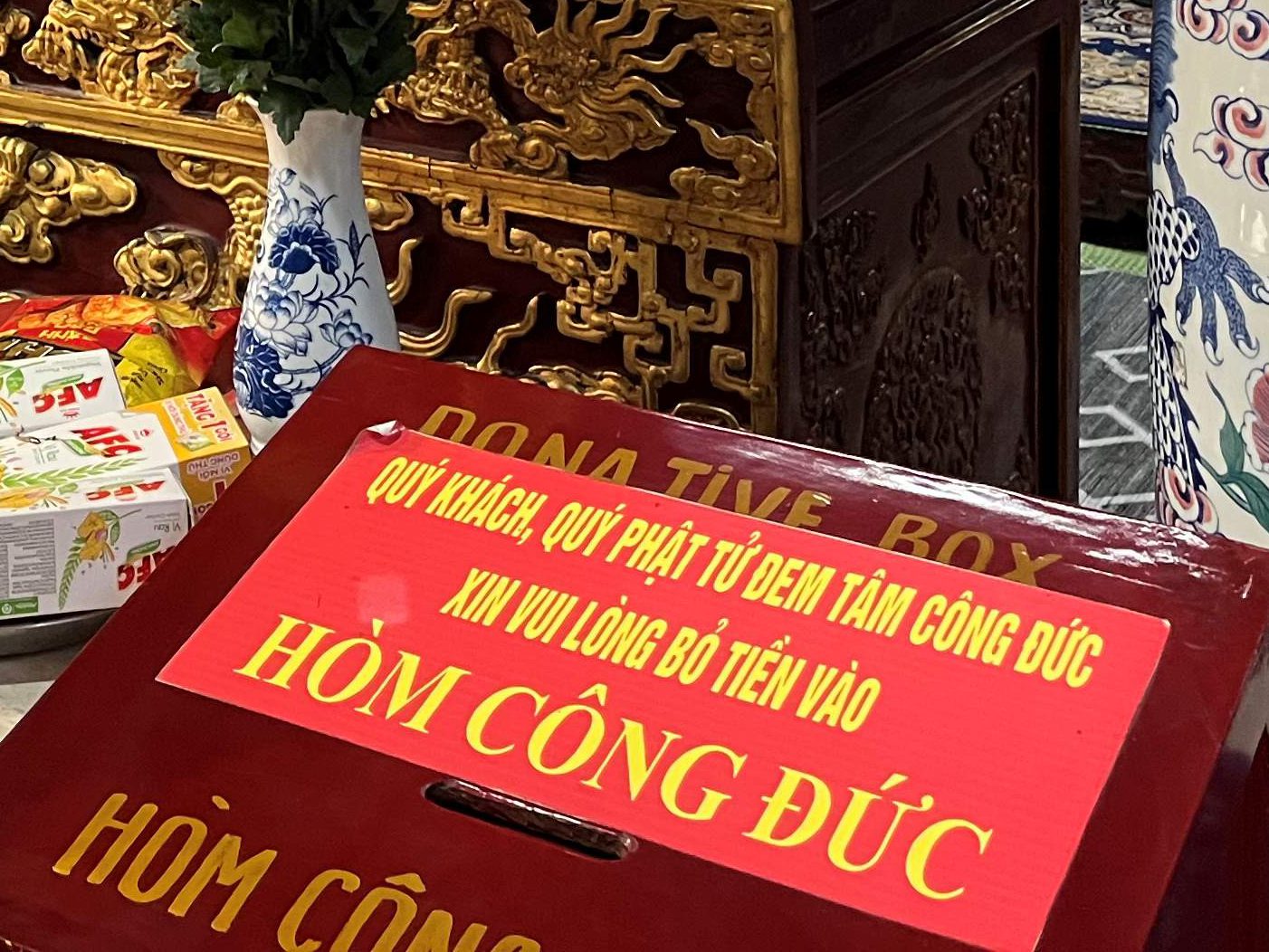
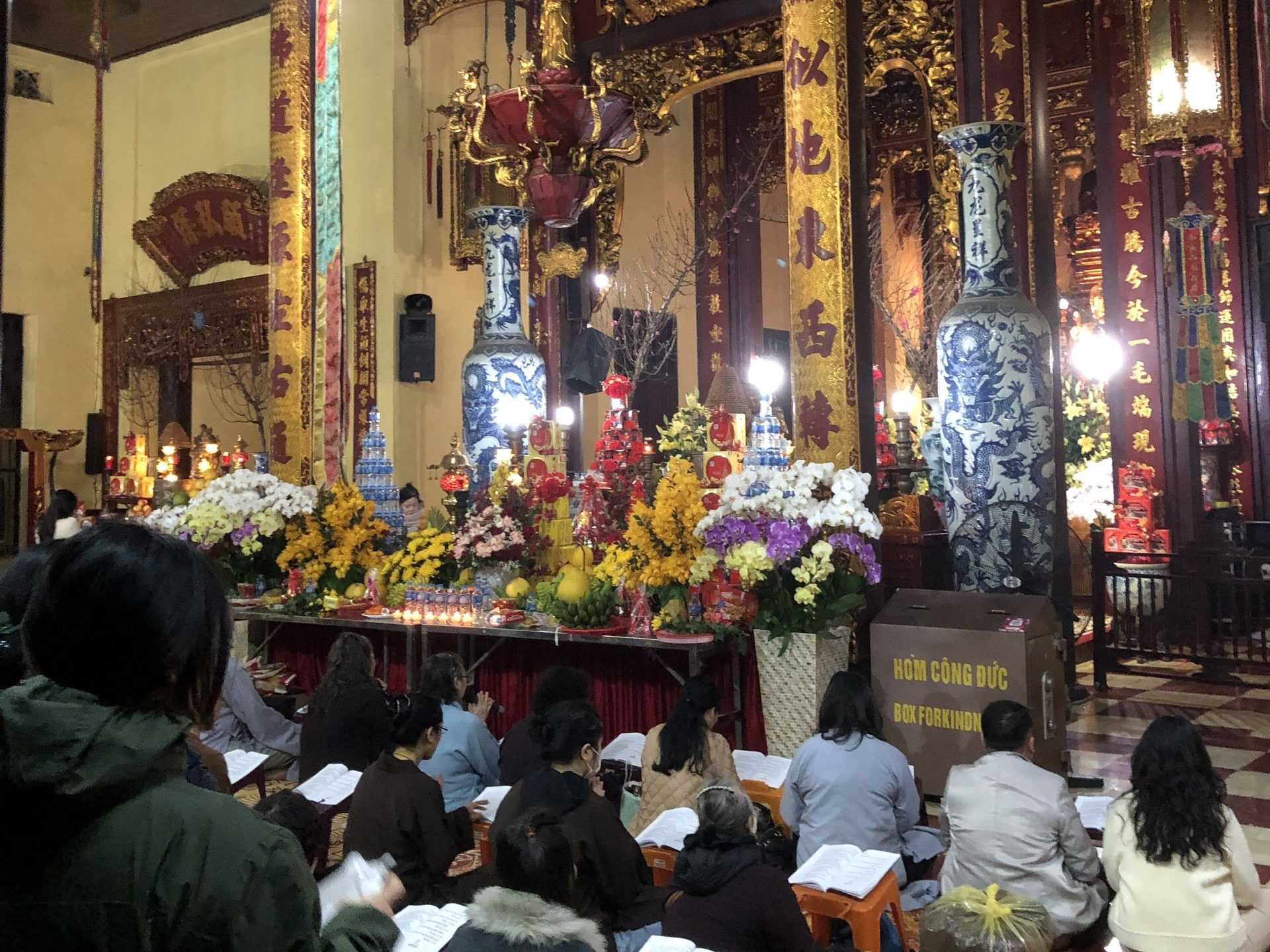
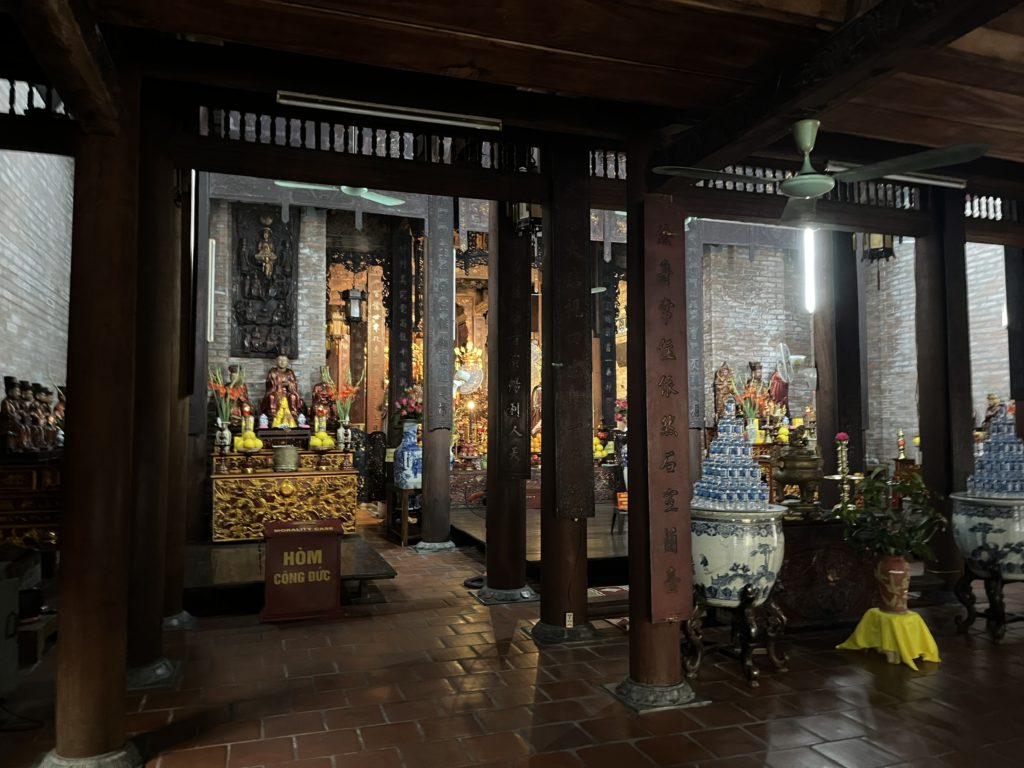
● The money collected is placed in the Hom Cong Duc / Merit Box provided, not on the altar or in the main hall.
The most powerful "Chua" in Hanoi attracts many visitors from outside the city
Hanoi has numerous famous temples that have been built over the years and are considered very sacred places. During the Tet period and on the first and fifteenth days of the lunar calendar each month, many people from within and outside the city visit these temples to worship.
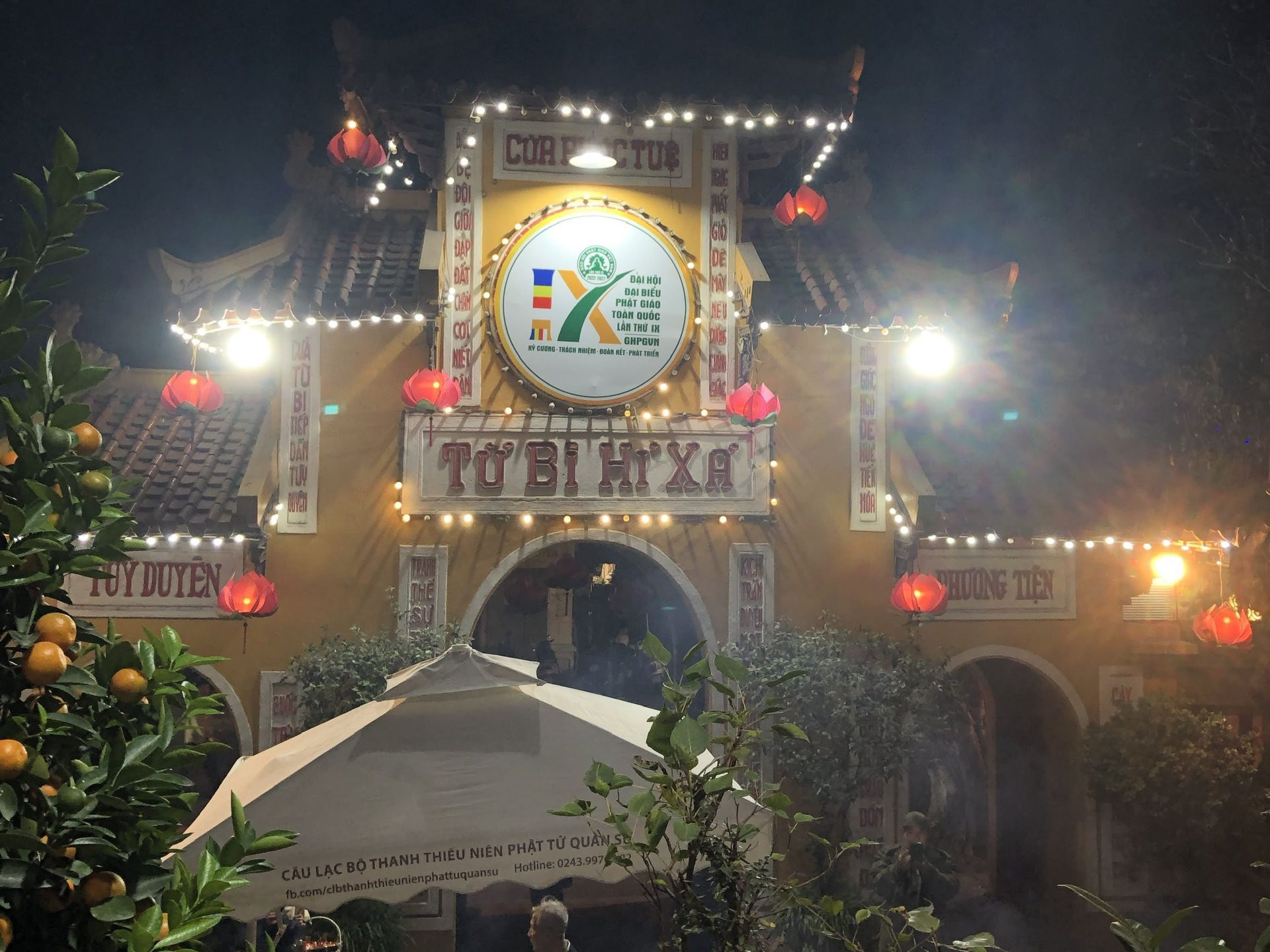
Chua Quan Su Temple
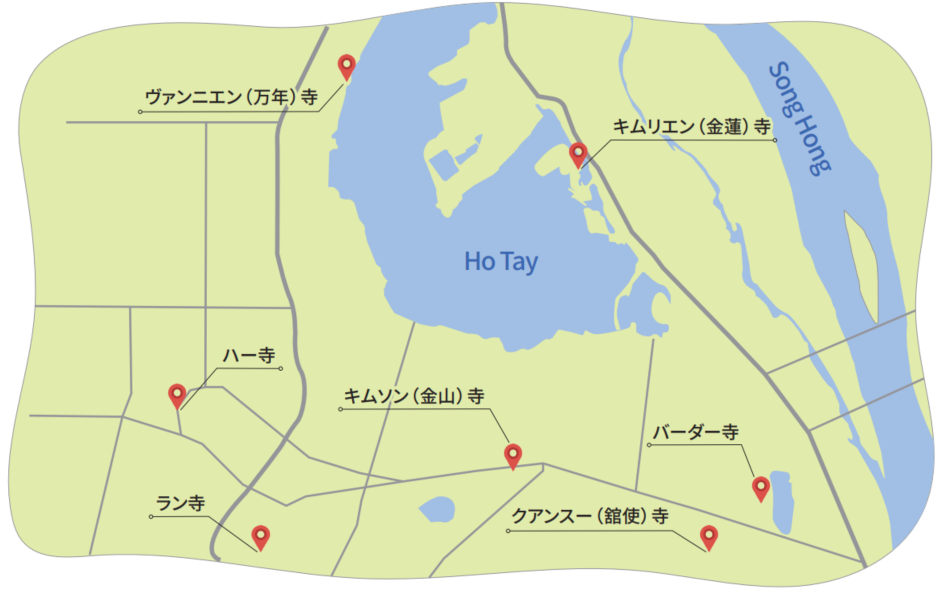
Location: 73 Quan Su, Hoan Kiem
Temples that play an important role in Vietnamese Buddhism
One of the most famous temples in Hanoi, it also serves as the headquarters of the Central Buddhist Association of Vietnam. During the Le The Tong (1573–1599) dynasty, Thang
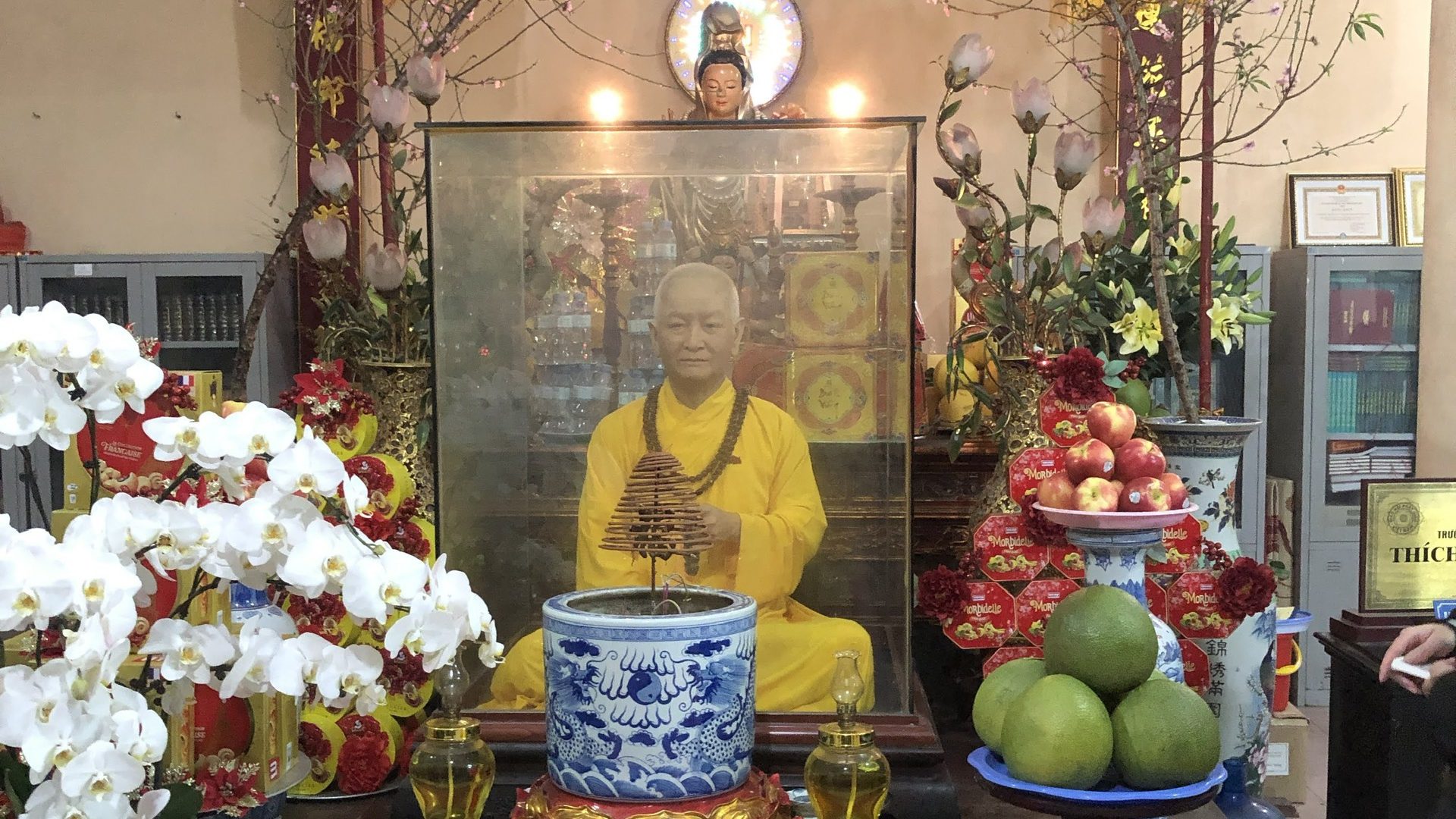
Long (currently in Hanoi) was built as a facility to welcome foreign envoys, and since these envoys were devout Buddhists, a Buddhist pagoda was also built on the grounds so that they could perform Buddhist rituals. A Buddha statue is enshrined in the front hall, and a statue of Minh Khong, the representative of the Ly (Lee) Dynasty Buddhist organization, is enshrined in the back hall.
Barder Temple / Chua Ba Da
Location: 3 Nha Tho, Hoan Kiem
A temple quietly located in the back of a small alley
Unlike typical temple architecture in Vietnam where the main entrance is located in a small passage near the Hoan Kiem Lake, according to legend, during the reign of King Le Thanh Tong (1460–1497), when the fortress was built, a stone statue in the shape of a woman was discovered and the people worshiped it as the Virgin Mary. They built a baradar (stone woman) temple in that place. Later it was named Linh Quang Temple. After the establishment of the Vietnam Buddhist Association in 1958, it became the headquarters of the Hanoi City Buddhist Liaison Committee and the headquarters of the Hanoi City Buddhist Association.
Van Nien Temple / Chua Van Nien
Location: 364 Lac Long Quan, Tay Ho
Temples with a thousand-year history in the city center
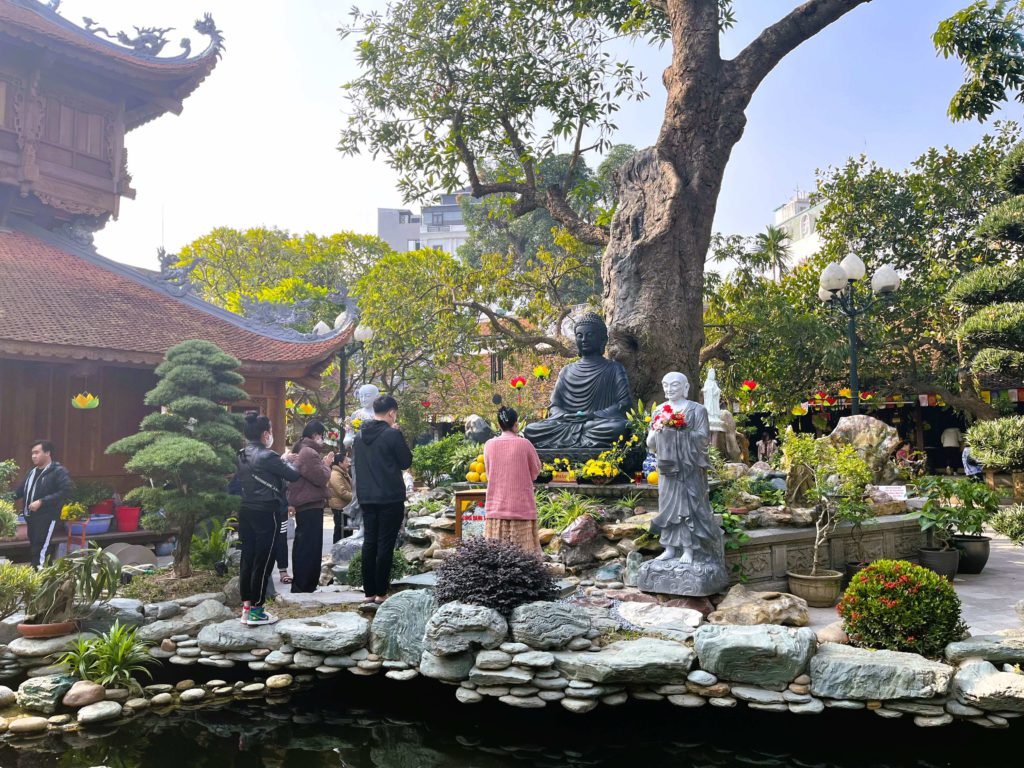
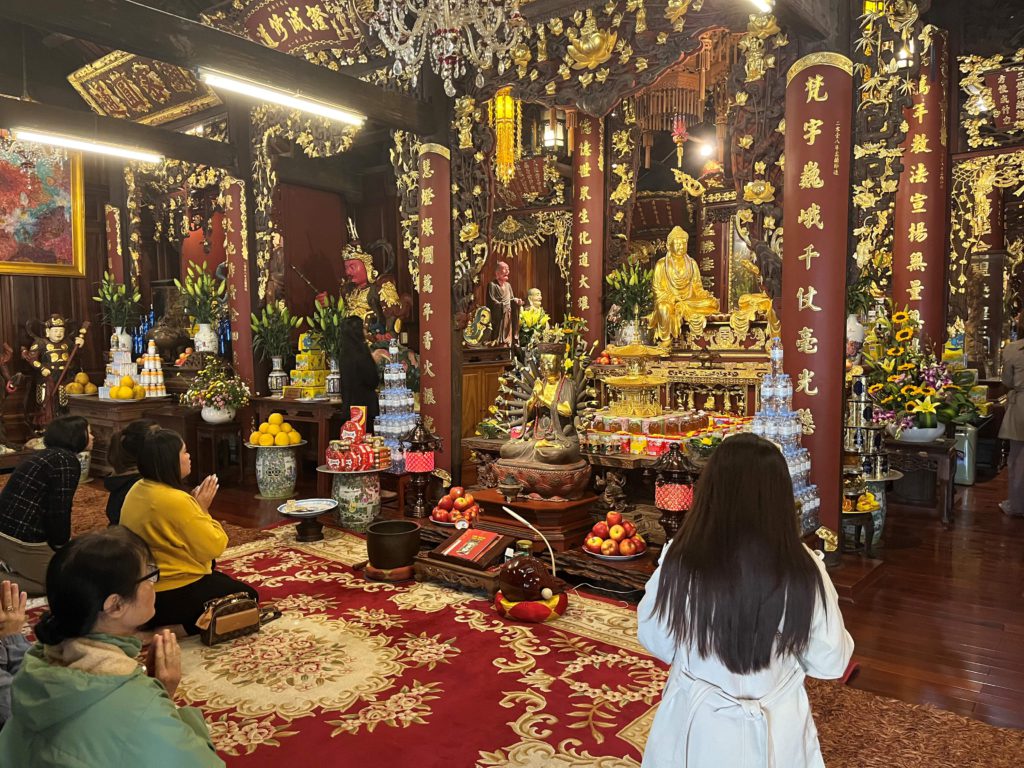
It was built in 1014, shortly after King Ly Thai To (Lee Tai Zuo) moved the capital to Tan Long, and its original name was Van Tue (Long Life) Temple. It is located on the side of the Tay Lake and the main gate is called Lac Long Quan (Hyeok Long King).
There is a sub-temple. There is a shrine dedicated to the Goddess Lieu Hanh (Lieu Hanh/Liang An), and a main hall built in the style of Western Tantric architecture. The peaceful scenery of the lake and trees captivates not only Buddhists but also many tourists. In 1996, it was designated a National Architectural and Artistic Relic by the Ministry of Culture, Sports, and Tourism.

Kim Lien Temple / Chua Kim Lien
Location: Tu Hoa, Tay Ho
A quiet temple located in a residential area of Lake Tai
During the Ly Dynasty in the 12th century, King Ly Than Tong (Li Shenzong) ordered the construction of the Tu Hoa Palace for his daughter Princess Tu Hoa (Tu Hoa) and her maids to grow mangoes and raise silkworms. When Princess Tu Hoa passed away, a temple was built on the grounds during the Tran Dynasty (1225–1400). It honors Princess Tu Hoa and other deities and has remained a typical feudal-era style of construction for hundreds of years. In 1962, it was one of the 12 relics first designated as a national historical and cultural site by the Ministry of Culture and Sports.
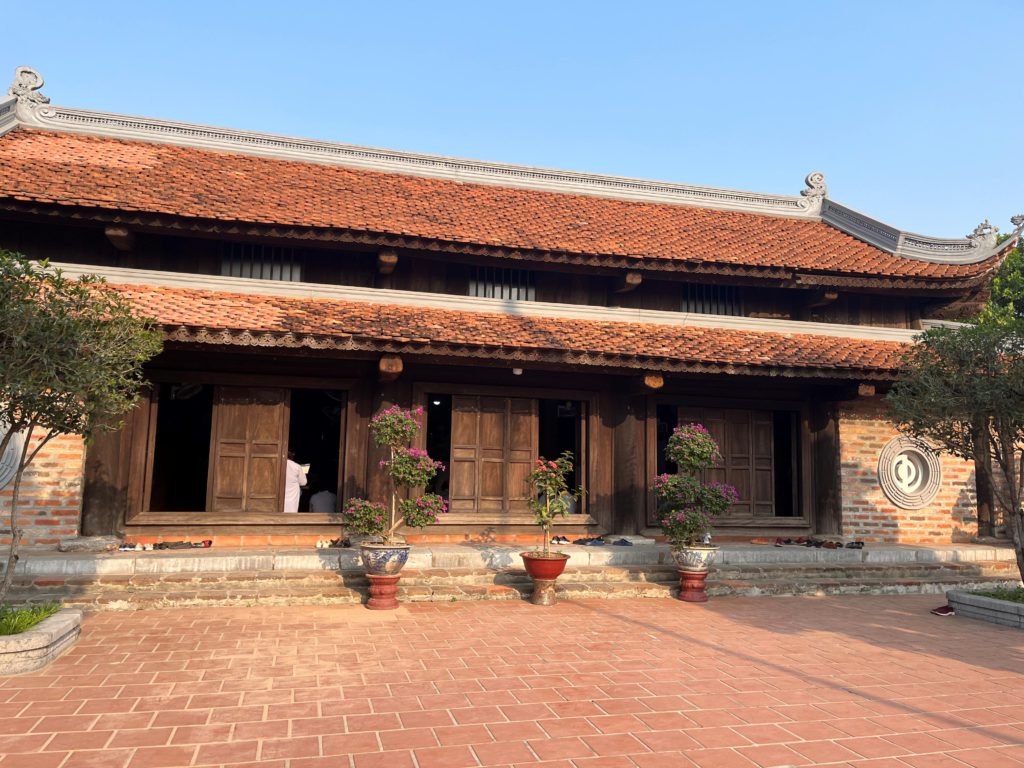
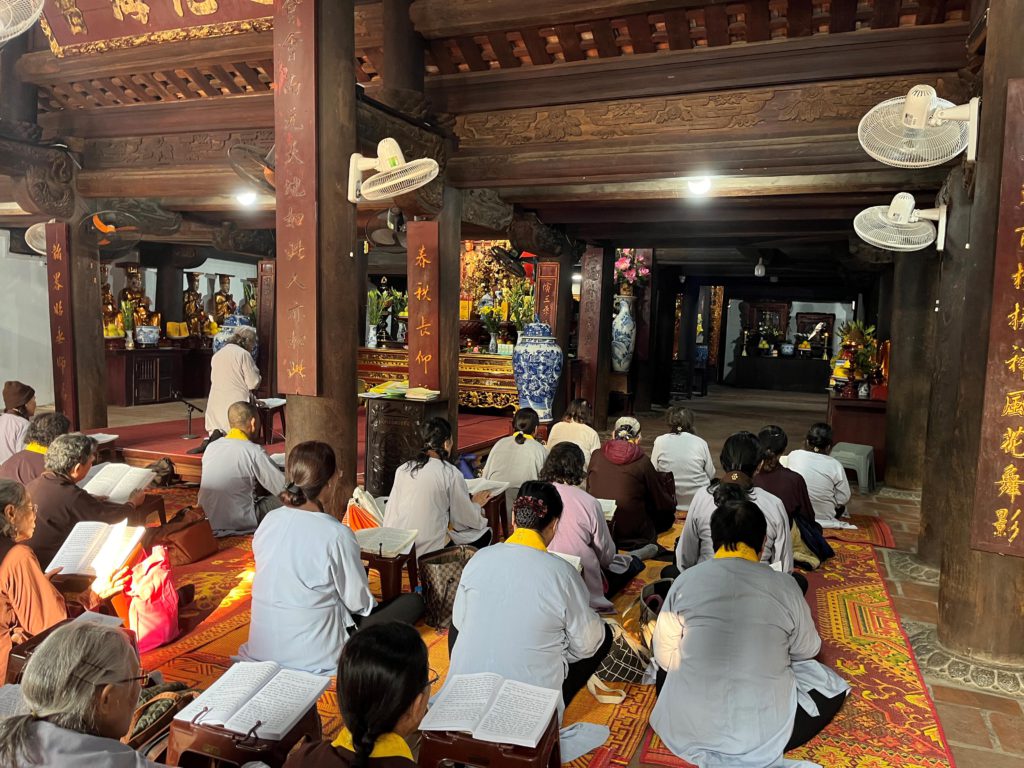
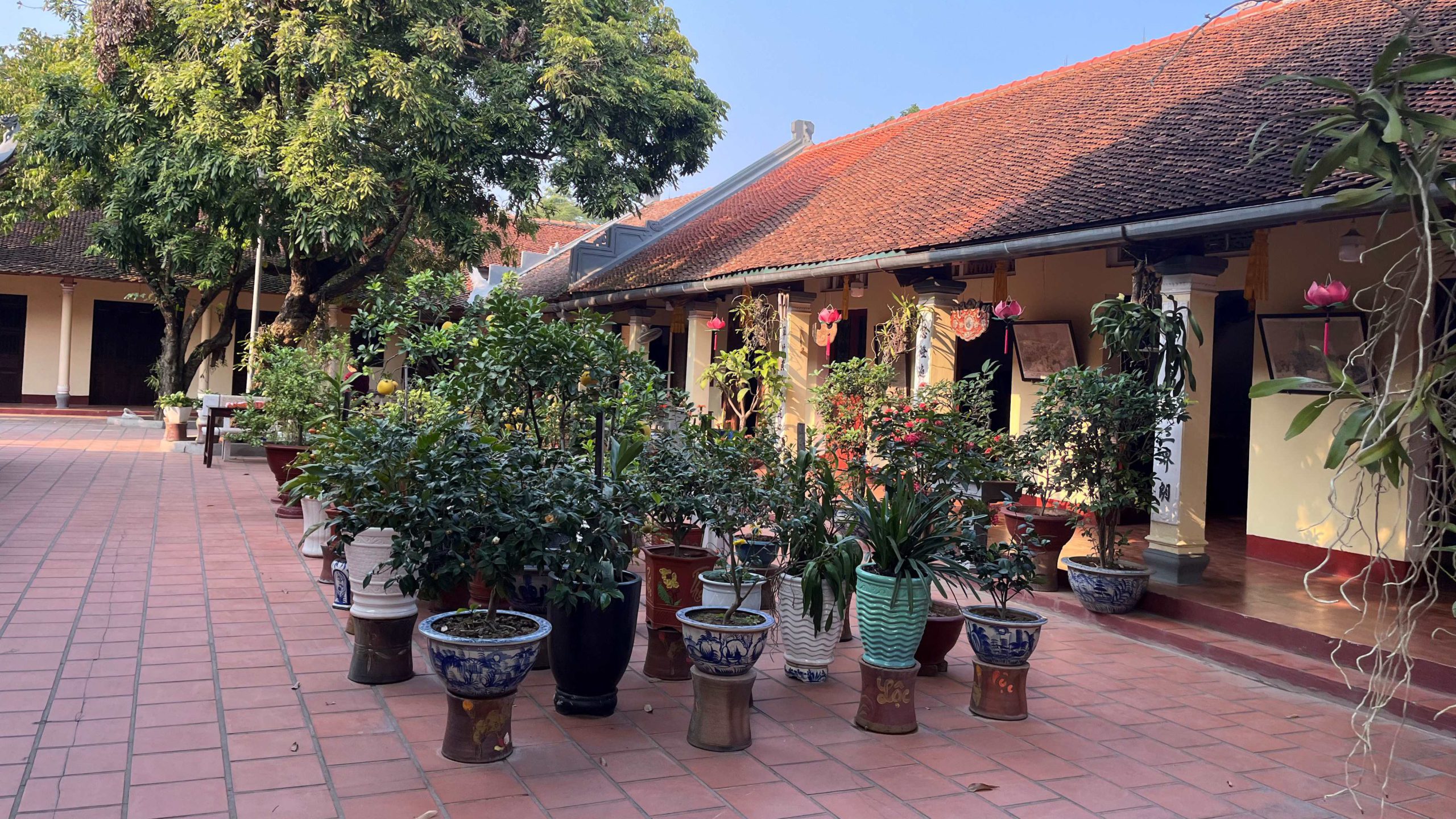
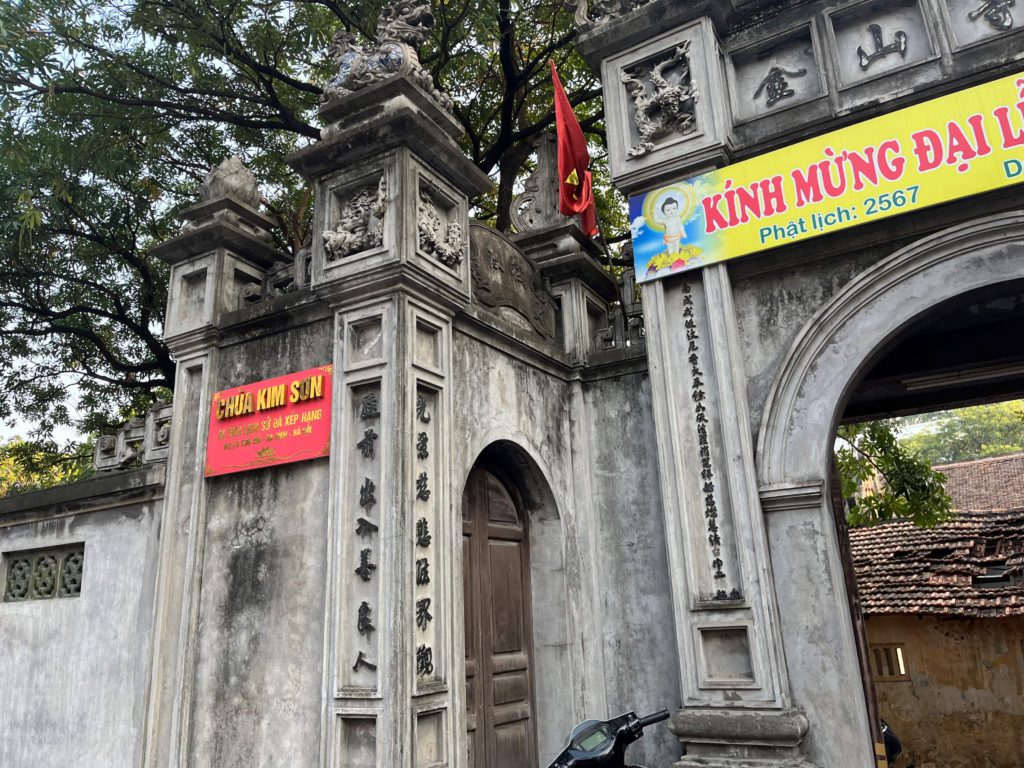
Kimson Temple / Chua Kim Son
Address: 73 Kim Ma, Ba Dinh
One of the main temples in the Bardiin District
The temple is located at the intersection of Kim Ma Street and Giang Van Minh Street. It was previously a place of execution and burial grounds, and a small shrine was built to worship the spirits there. In 1789, Emperor Quang Trung (Quang Trung) of the Qing Dynasty visited the temple to bury the Tay Son soldiers who died in the battle of Ngoc Hoi – Dong Da, where the Qing army defeated the Chinese troops. In 1881, the temple was rebuilt as a Buddhist pagoda and was named Kim Son Temple in 1898. Every year, on January 5 of the old lunar calendar, which is the anniversary of the death of soldiers and martyrs, the priest will set up the altar and worship the people who sacrificed their lives.
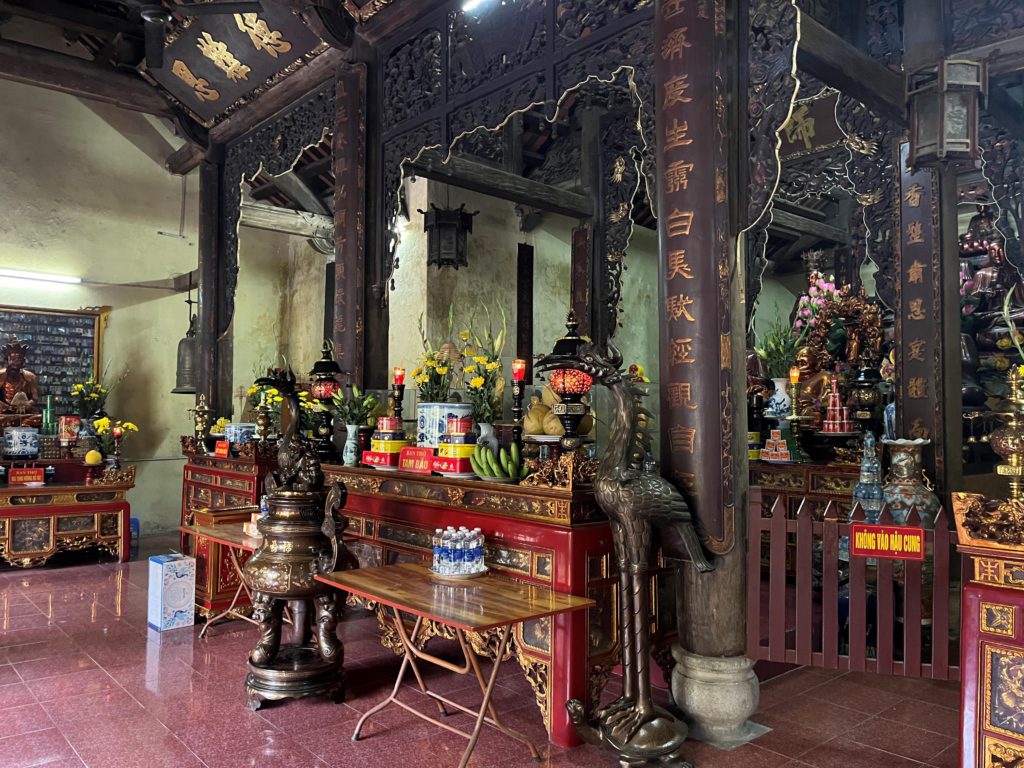
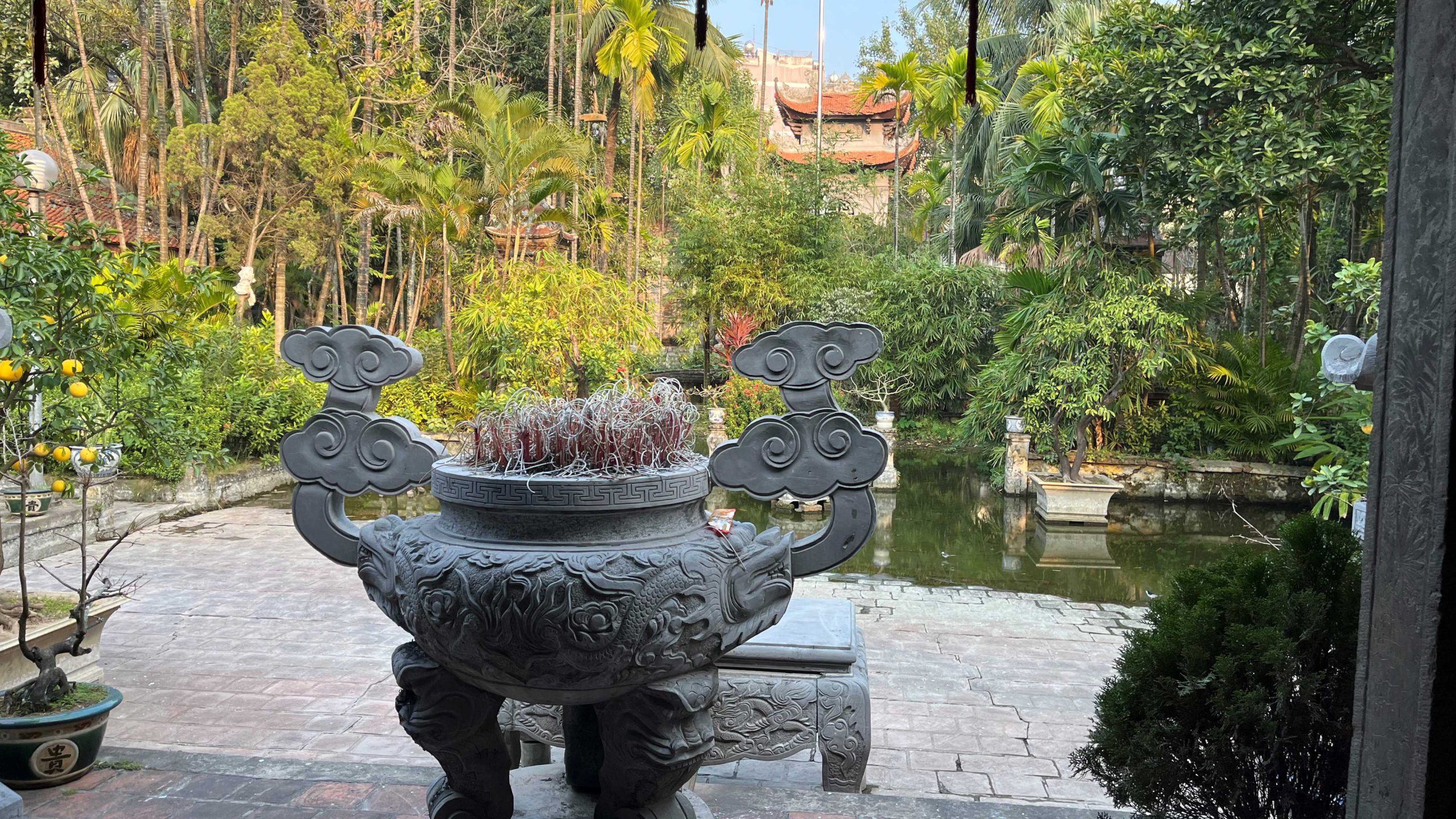
Ran Temple / Chua Lang
Address: 116 Chua Lang, Dong Da
A vast temple that is always bustling with visits from nearby residents
The official name is Chieu Thien Temple (Chieu Thien/Chieu Zen). It has been popularly known as the Lan Temple because it is located in the ancient Lan Village. According to the tombstone inscription, it was built during the reign of Ly Anh Tong (Ly Anh Tong), the son of King Lietaong (1138–1175). It is located on a vast 1.8-ha site and enshrines Buddha statues as well as Tu Dao Hanh (Tu Dao Hanh), a high monk, and King Lietaong. It was designated as a National Historical and Architectural Site in 1962 and was recognized as a National Intangible Cultural Heritage in 2019 with the annual Lan Temple Festival held in March of the lunar calendar every year.
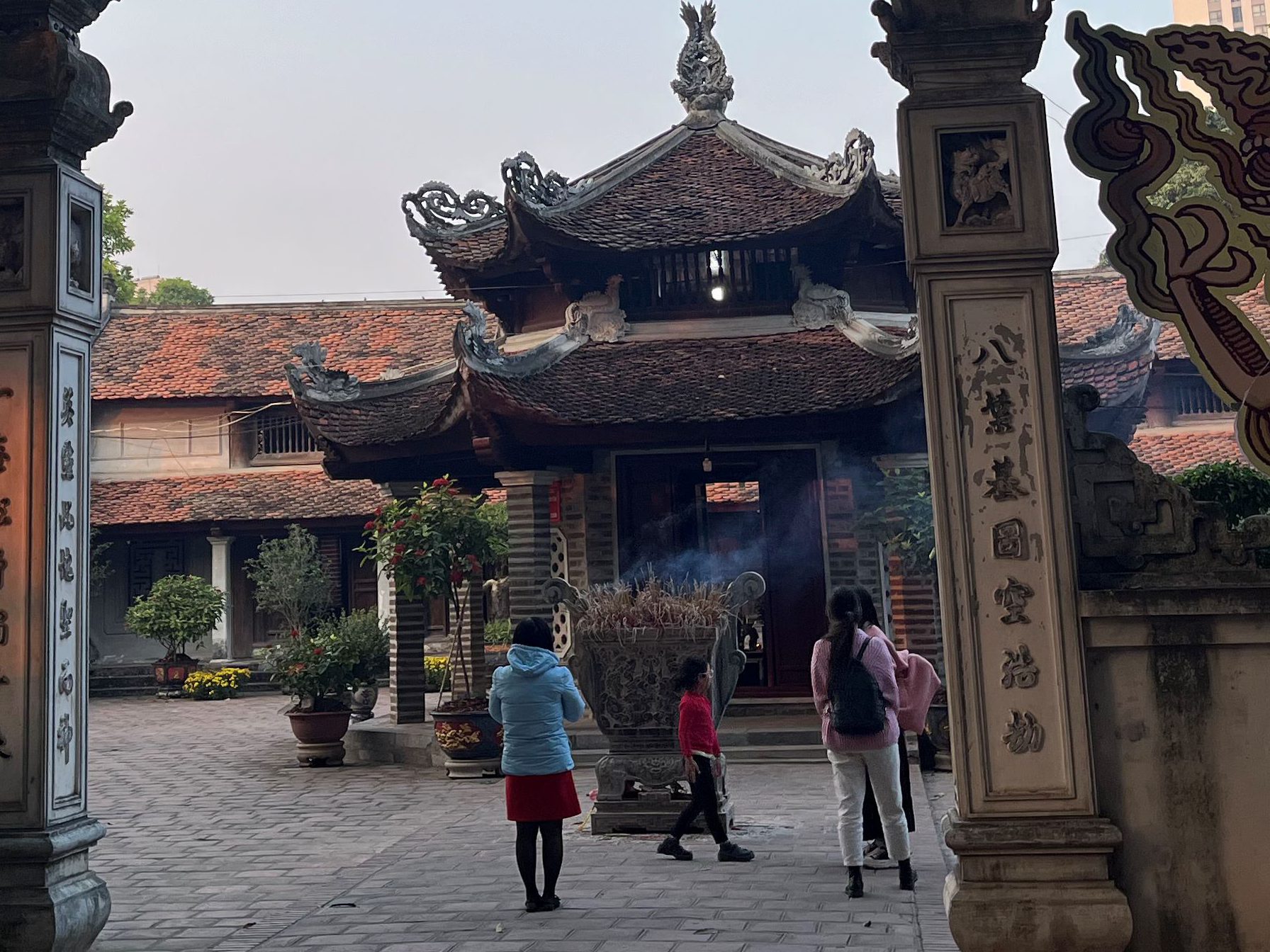
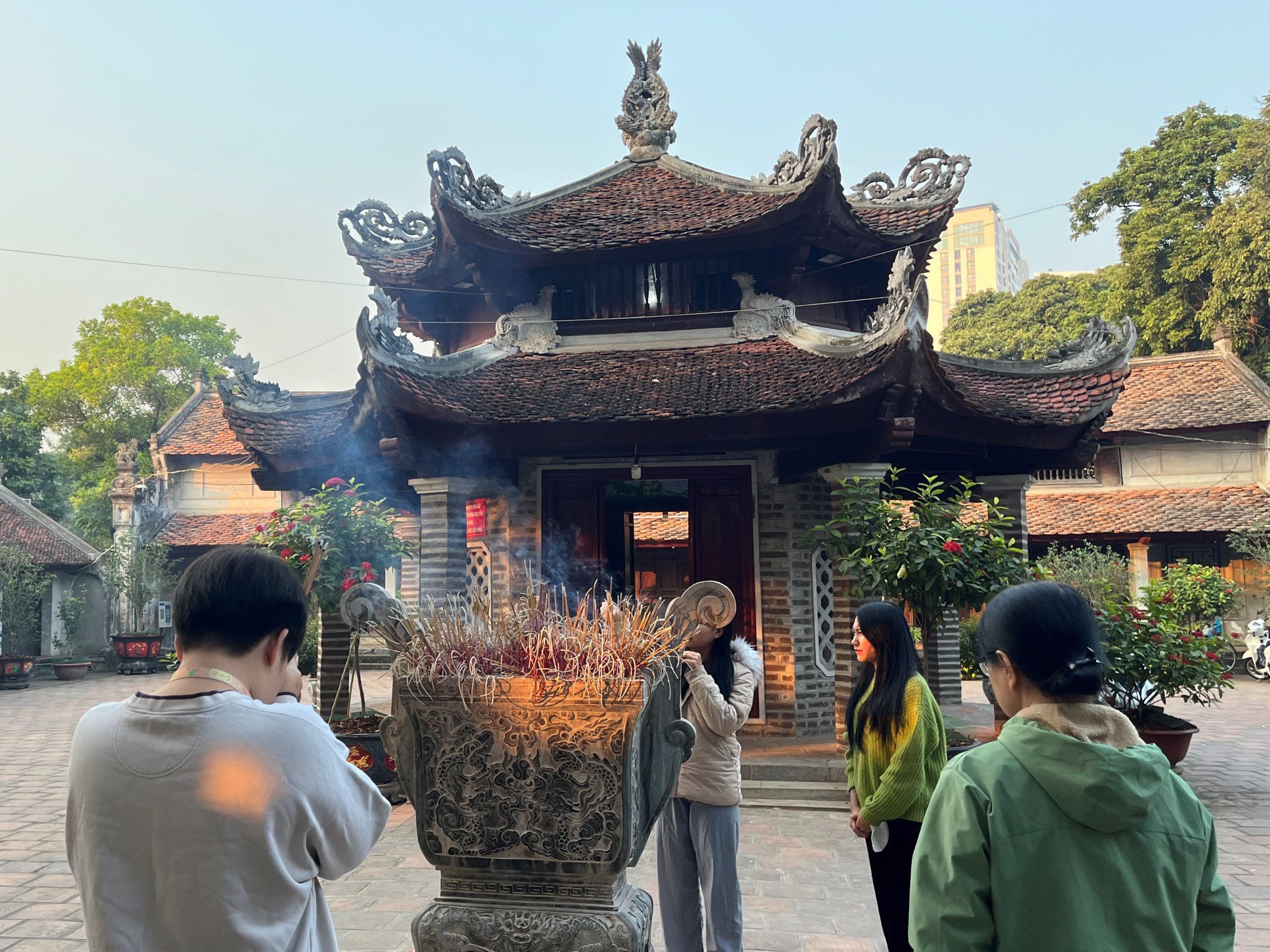
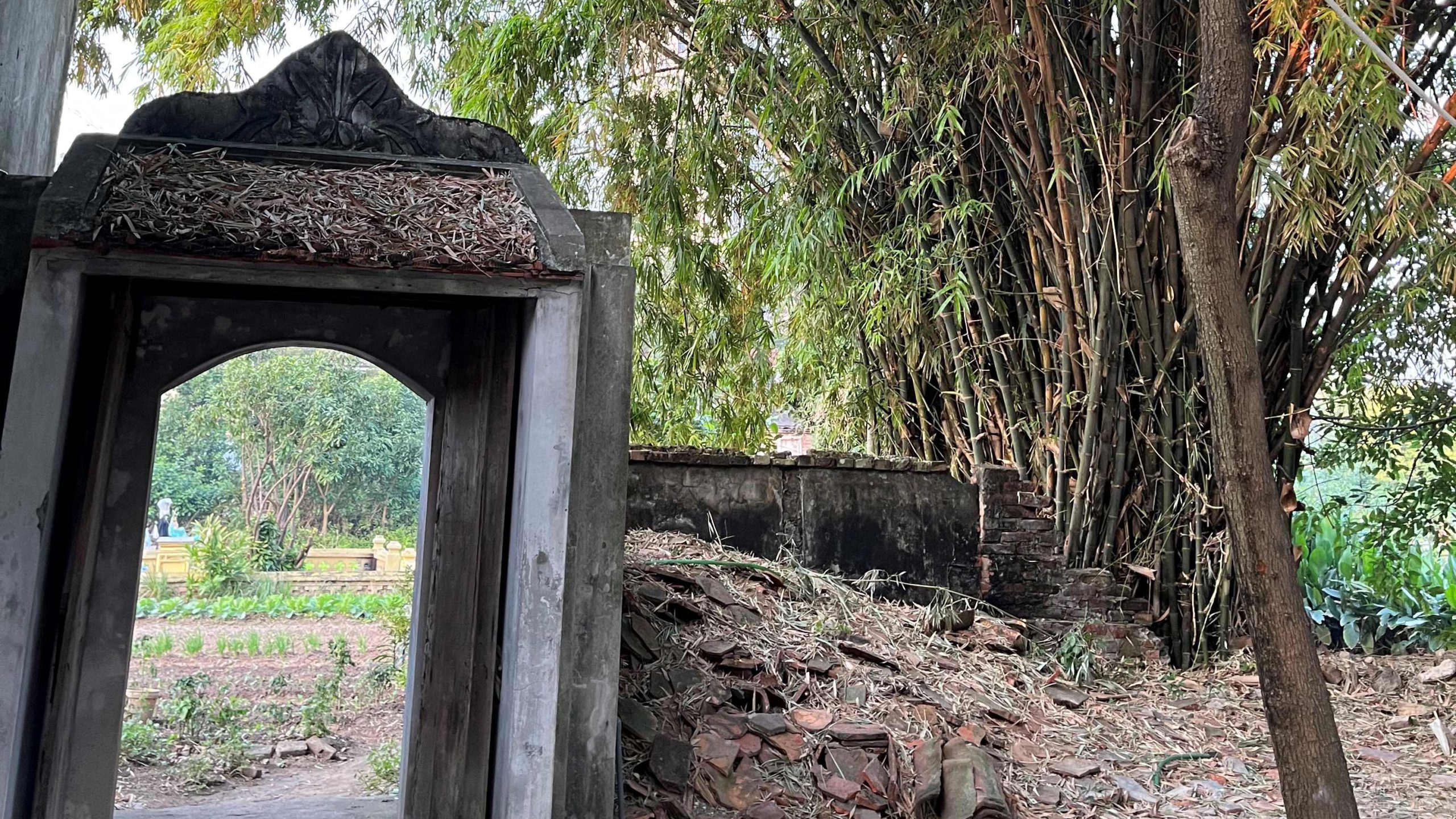
Chua Ha Temple
Address: 86 Chua Ha, Cau Giay
The most auspicious place for love in Hanoi
The official name is Thanh Duc Temple (Thanh Duc/Thanh Duc Temple), and it is believed to have been built during the Le Dynasty or the Hau Le Dynasty. It has a thatched roof, low-quality bricks for the walls, and was severely damaged by war. In 1680, it received a large donation from a merchant family in Bac Giang Province, and was restored with tiles. It honors Buddha, warlords, and the guardian deity of the village; no figures of love are included, but it is believed to bring good luck in love and is one of the most famous places for making love in northern Vietnam.
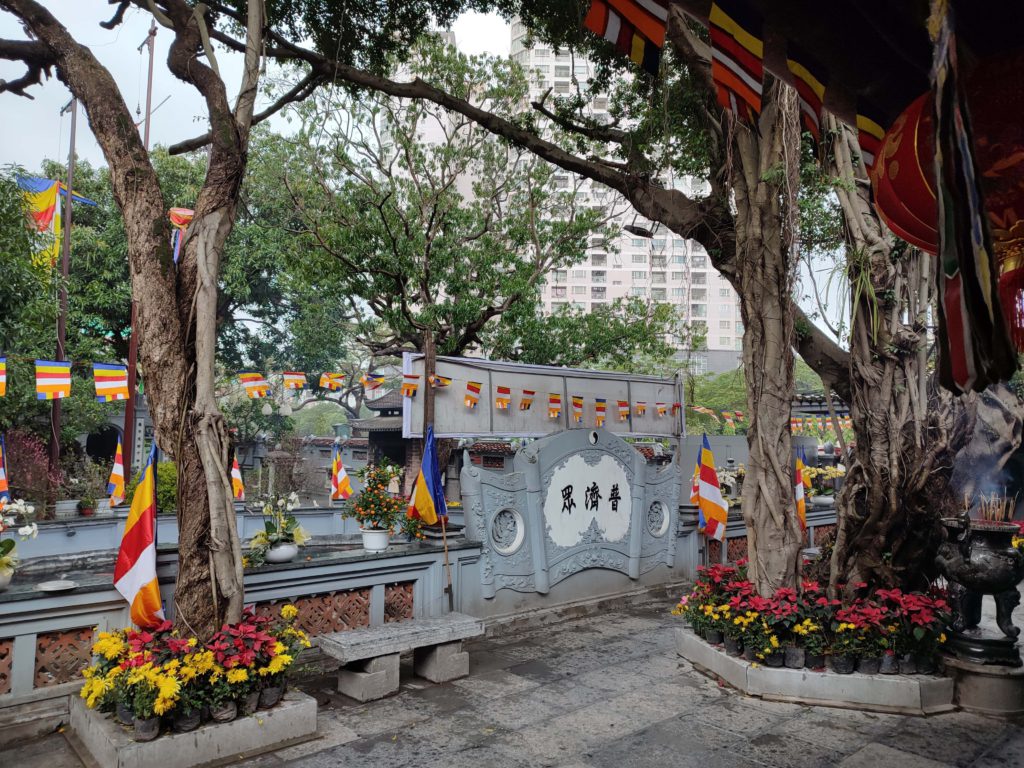
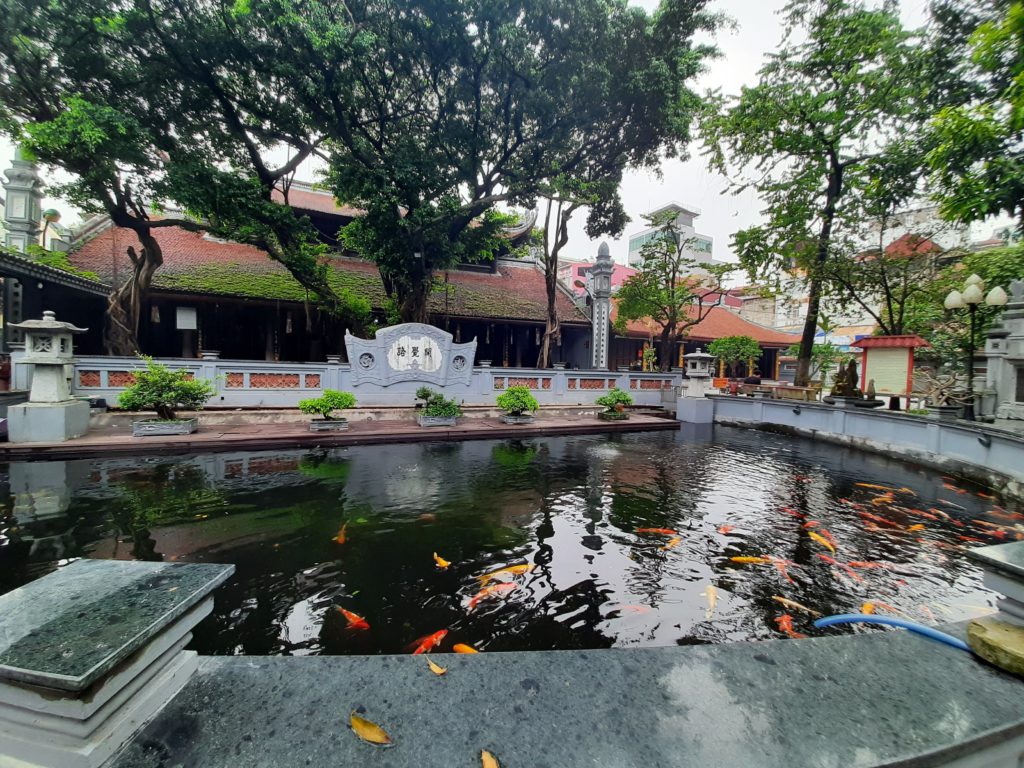
A "Den" that continues to protect the four sides of Hanoi by enshrining historical figures who have contributed to the country
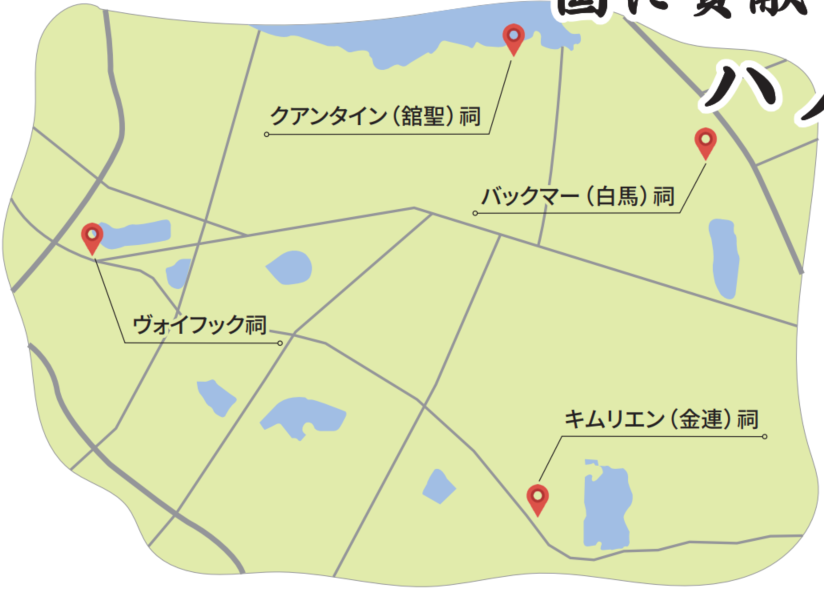
The four temples (shrines) that worship the four gods that protect the east, west, south, and north of Tan Long Castle are called "Thang Long Tu Tran." In 2022, the Prime Minister of Vietnam decided to designate five national sites nationwide, including Thang Long Tu Tran, as special national sites.
Backma Shrine / Den Bach Ma
Address: 76 Hang Buom, Hoan Kiem
The god Tanlong protects the east
A shrine built in the 9th century to worship the deity Long Do (龍肚). According to legend, when King Li Tai Tui moved the capital to Tanglong, he built a fortress, but accidents occurred repeatedly. When the shrine was prayed at, a white horse appeared and disappeared leaving footprints behind it. The king, seeing the footprints, built the fortress and achieved great success, so he changed the name of the shrine to White Horse and worships Long Do as the god of Tanglong. Every year on February 12 and 13 of the lunar calendar, a festival is held at the shrine, recreating the private religious culture and royal rituals.
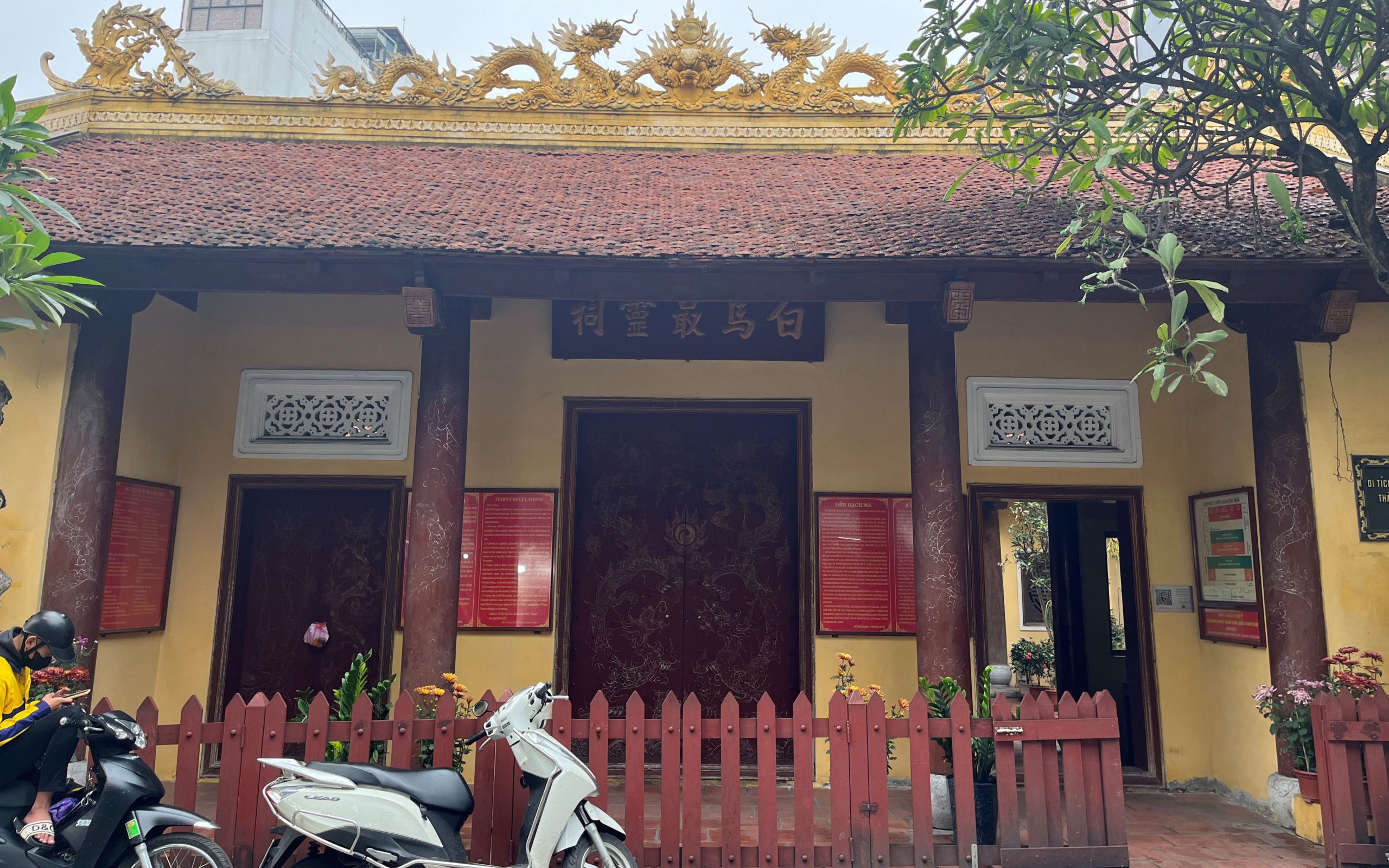
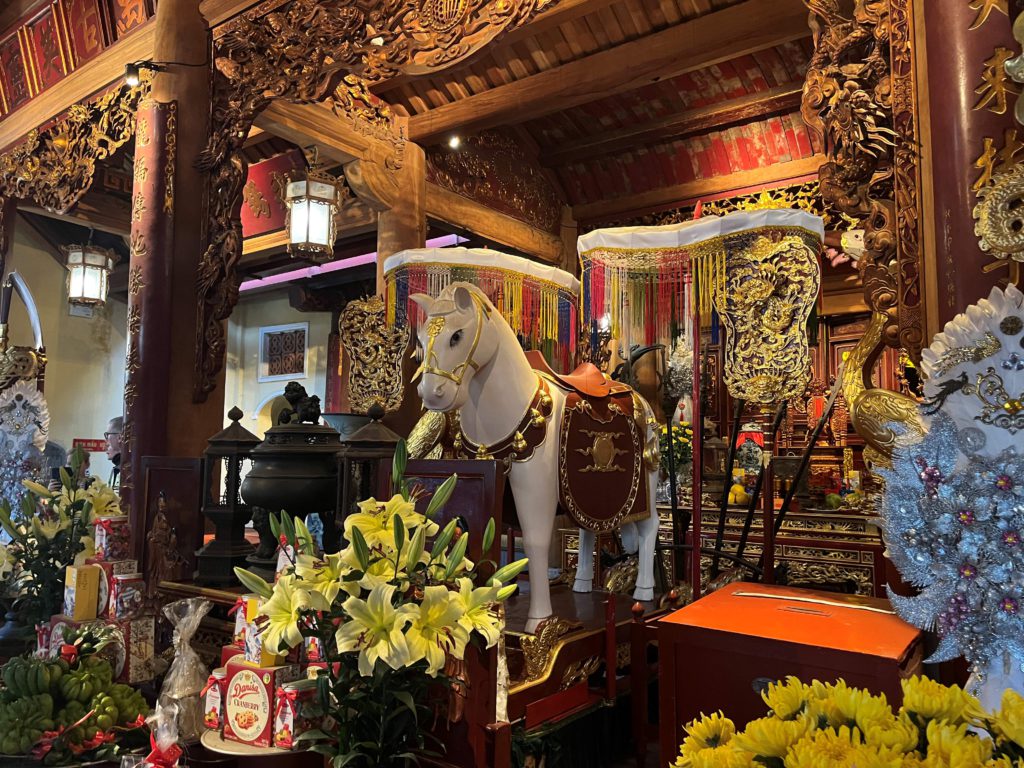
The white horse statue is located in the center of the shrine hall and is surrounded by many elaborate details.
Voivock Shrine / Den Voi Phuc
Address: 362 Kim Ma, Ba Dinh
King Rilang, a war hero, protects the west
The official name is the Thai Chan (West Town) Shrine, and it is a place to worship Linh Lang (Linh Lang), the great king who helped defeat the Song army and sacrificed his life to do so. To honor his achievements, King Ly Thanh Tong (Ly Thanh Tong) bestowed the title of "High God" on Linh Lang and built the shrine in 1065. The two stone statues of elephants that are placed in front of the gate have become known as the Voifuk Shrine. Every year, local people hold a festival to commemorate the contributions of King Linh Lang on February 9–11 of the lunar calendar.
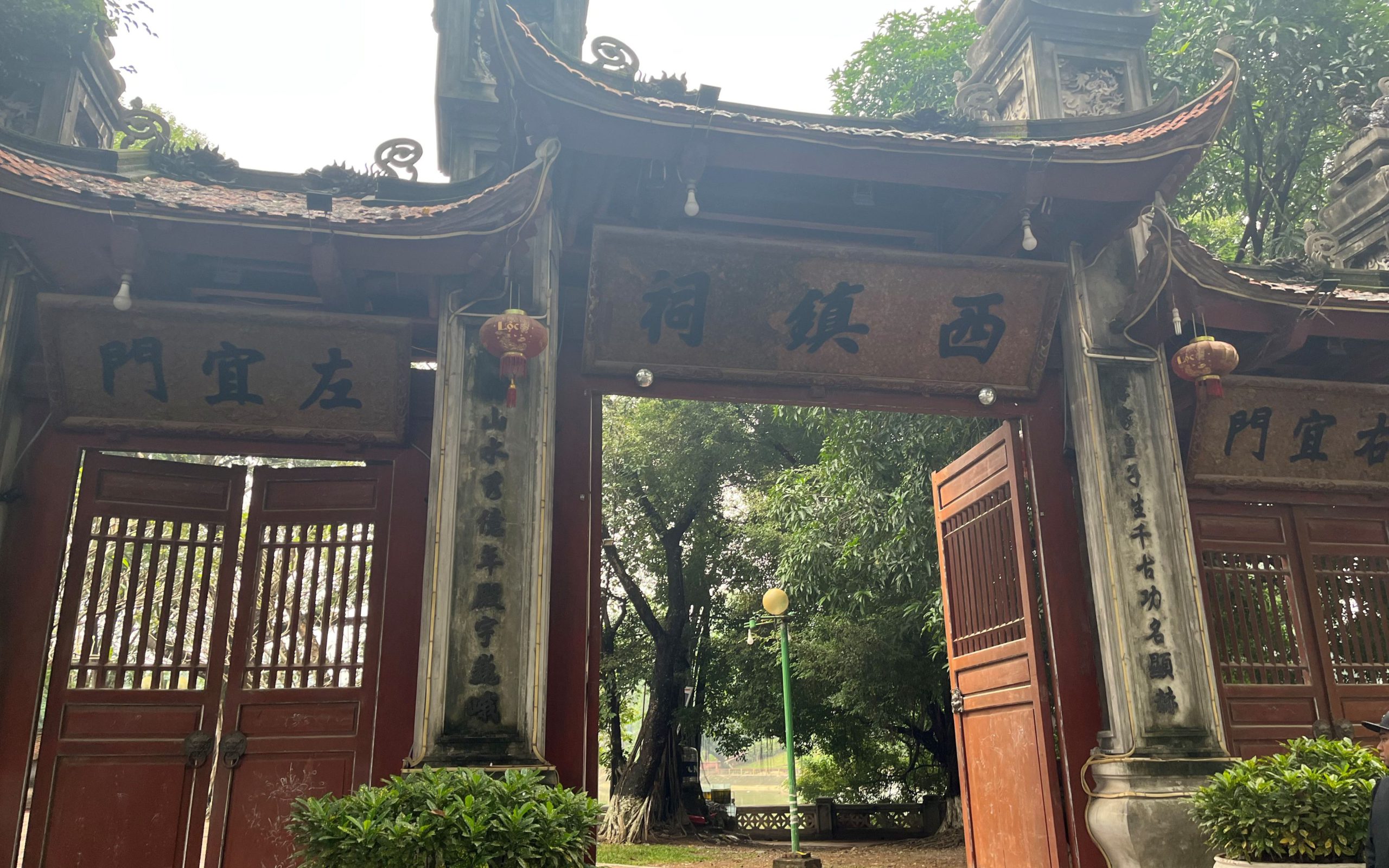
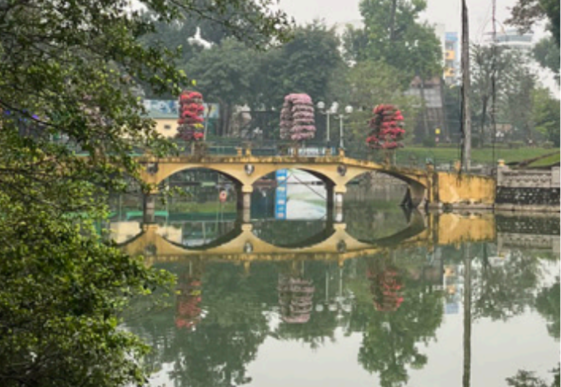
Located next to the Tu Le Zoo, with a spacious lake overlooking the grounds.
Kim Lien Shrine / Den Kim Lien
Address: 148 Kim Hoa, Phuong Lien, Dong Da
The son of a Vietnamese ancestor protects the South
According to the documents and inscriptions of the temple, it is indicated that it is a place to worship Cao Son, the King of the 100 Children of La Trang Quan and Au Co (Lady King). In 1509, during the Le Tuong Duc dynasty, the palace was in chaos, and the King had to evacuate and send an army for conquest. The army reached the temple where Cao Son was worshiped in Ninh Binh Province and offered prayers. Within a week, the King was able to regain the throne, and to express his gratitude to Cao Son, he built the temple on the current location.
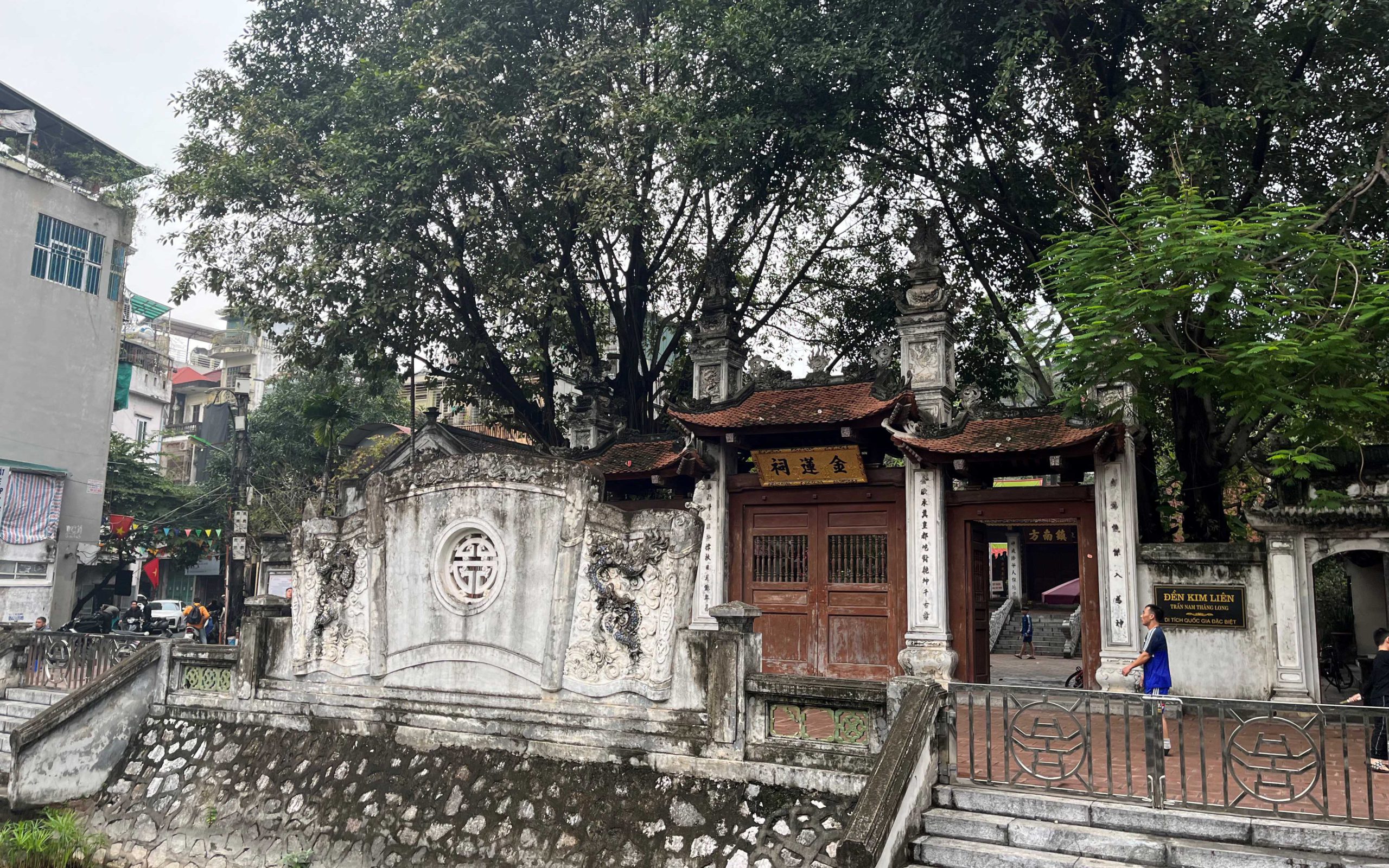
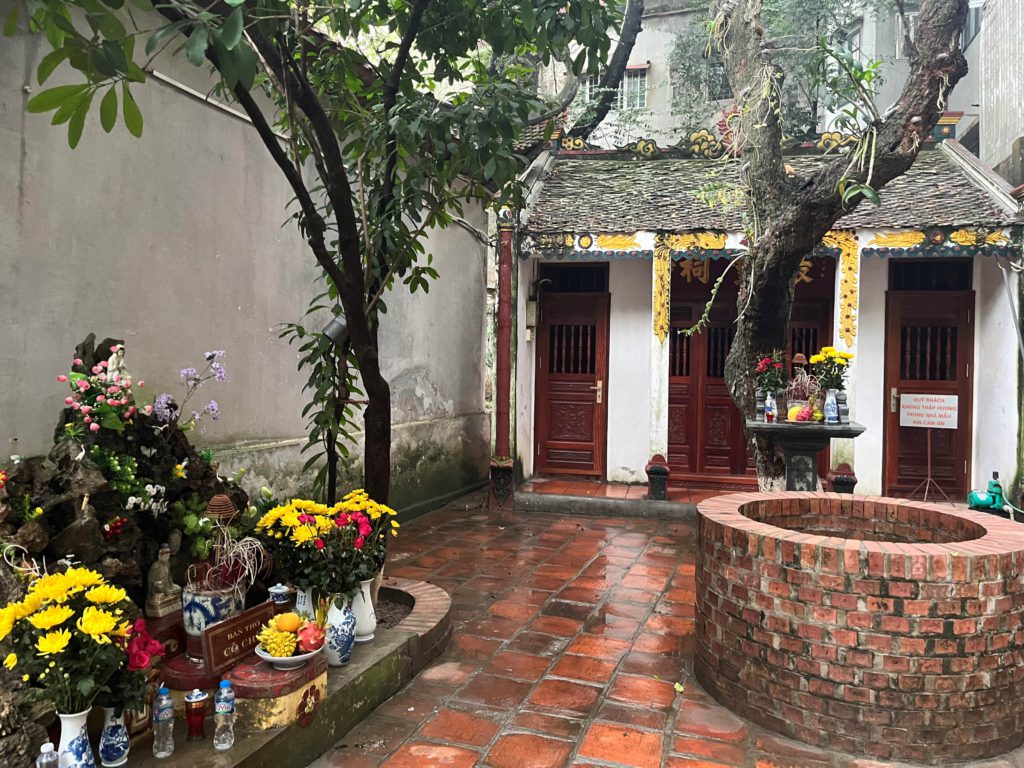
There is also a shrine dedicated to the Virgin Mary, and a well is set up in front of it.
Quan Tian Shrine / Den Quan Thanh
Address: 190 Quan Thanh, Ba Dinh
A shrine hall protecting the north that became a tourist attraction in Hanoi
Its official name is Tran Vu Quan (True Power View), located at the intersection of Thanh Nien Street and Quan Tien Street, opposite the Lake of Thai. It was built during the early period when King Ly Thai To moved the capital to Tan Long, and it is dedicated to Huyen Thien Tran Vu (True Power), a god who helps the king and the people to ward off evil spirits and demons.
The original people hold a Quantain festival every year on March 3 and September 9 to commemorate their achievements.
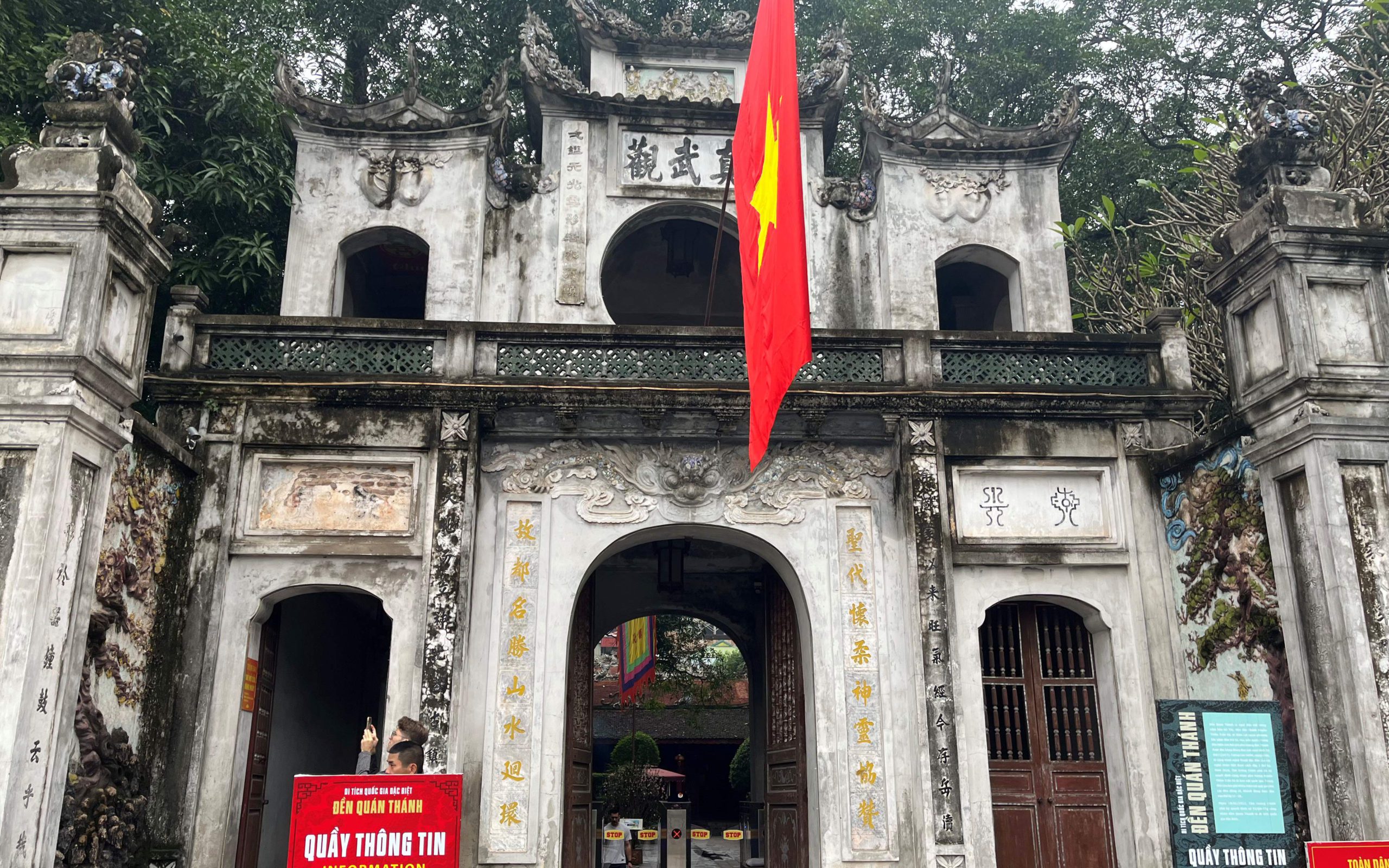
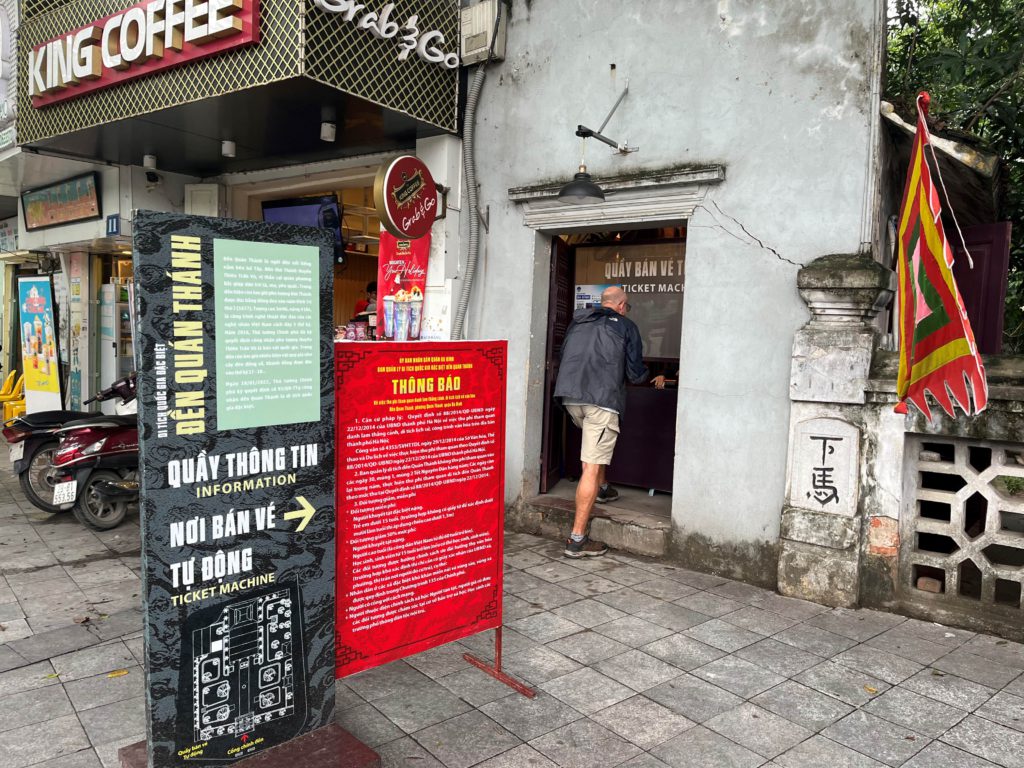
Admission tickets (1 million VND per person) can be purchased at the information desk on the left side of the entrance.
A "Dinh" where local gods are enshrined and you can get a feel for the lives of the villagers
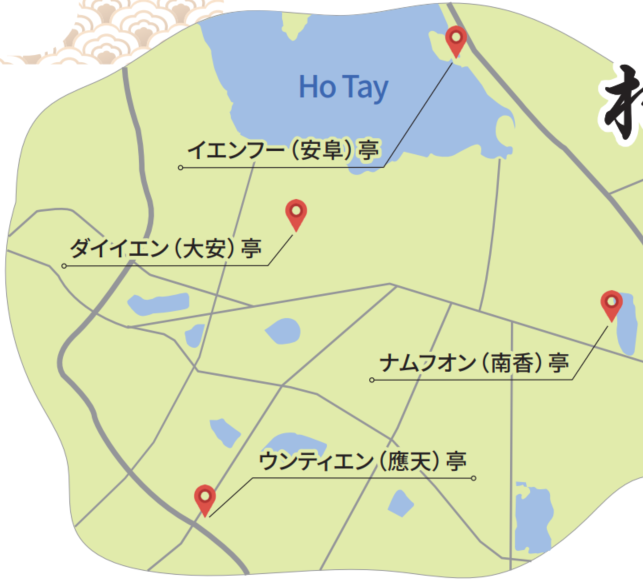
Din (Muriten) is not only a gathering place for discussing the village’s issues, but also a place for religious activities such as worshipping local gods. The annual festival conveys the historical and cultural value of ancient Hanoi.
Nam Huong Pavilion / Dinh Nam Huong
Address: 75 Hang Trong, Hoan Kiem
A space of tranquility nestled in the bustling old town
ホアンキエム湖岸のすぐそばにあり、遺跡管理委員会の資料によると、ロンドー神、カオソン大王、リンラン大王、リー朝の公主、グエン(Nguyen/阮)朝の王公の5人の神を祀るために、ハウレー朝末期に建てられました。フランス植民地時代に破壊されましたが、その後、フランス保護領となった際に再建されました。現在、ハウレー朝、タイソン朝、グエン朝による5つの上等神への19の冊封など、17~18世紀の芸術を特徴とする数多くの貴重な遺物が残されています。
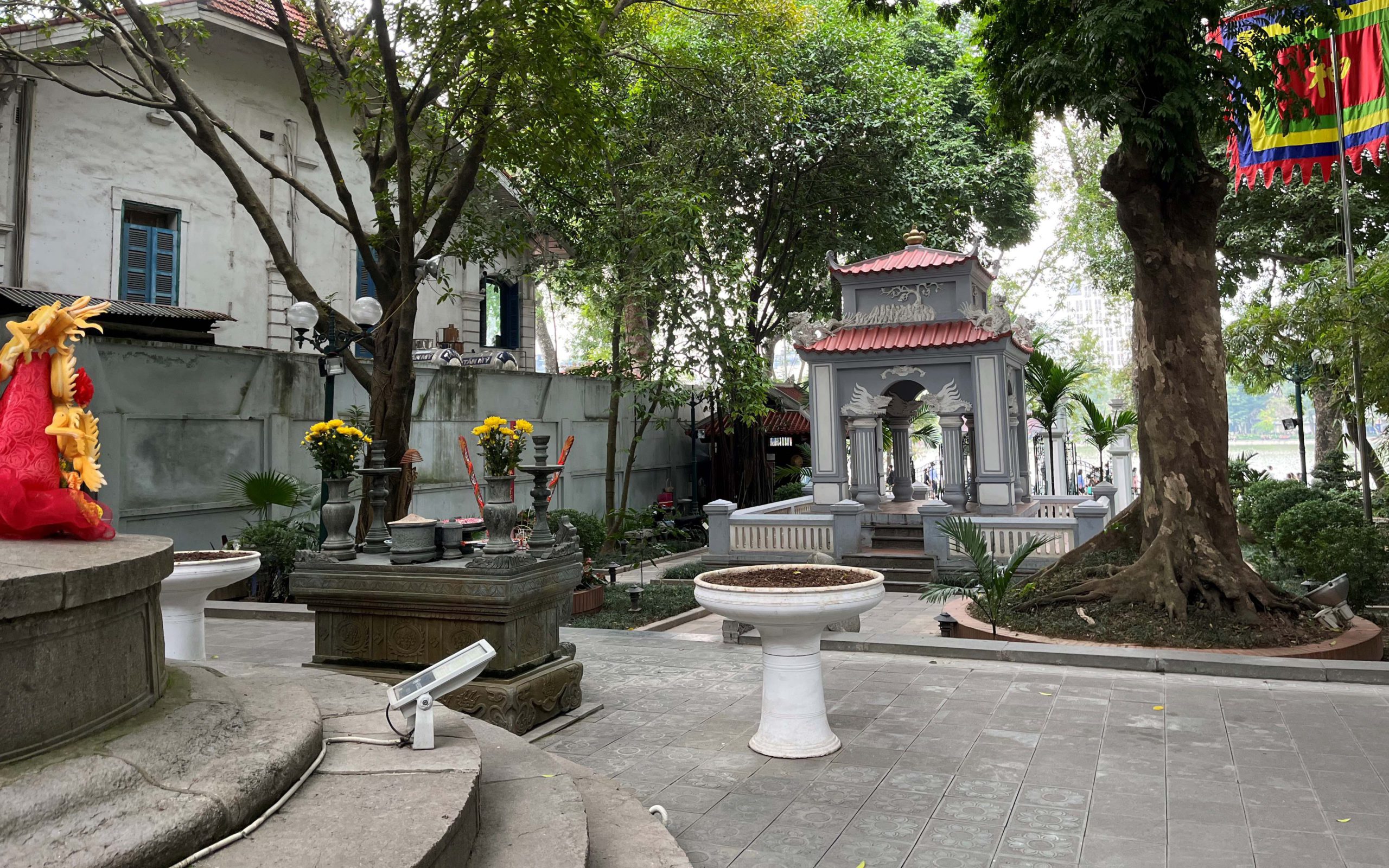
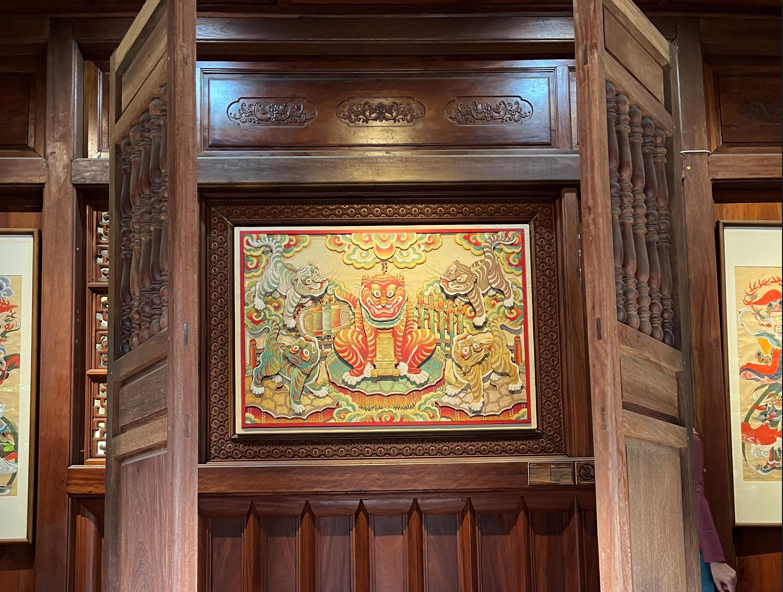
入口の中央には、目を引く色鮮やかな五虎の絵が飾られている
イエンフー(安阜)亭/Dinh Yen Phu
住: Yen Phu, Tay Ho
地元の人々に敬愛される村亭
タイ湖沿いの半島にあり、チャンタイントン(Tran Thanh Tong/陳聖宗)王の息子とされ、越蒙戦争で多大な功績を収めたウイリンラン(Uy Linh Lang)大王、ヴオンズイ(Vuong Duy)大王、ヴオンバー(Vuong Ba)大王の3人の神城隍を祀っています。洗練された鮮やかな彫刻が特徴で、17世紀の芸術風情を色濃く残しています。2006年、イエンフーの住民や観光客からの寄付により、大規模に修復されました。毎年旧暦の2月10日に、亭の祭りが開催されます。
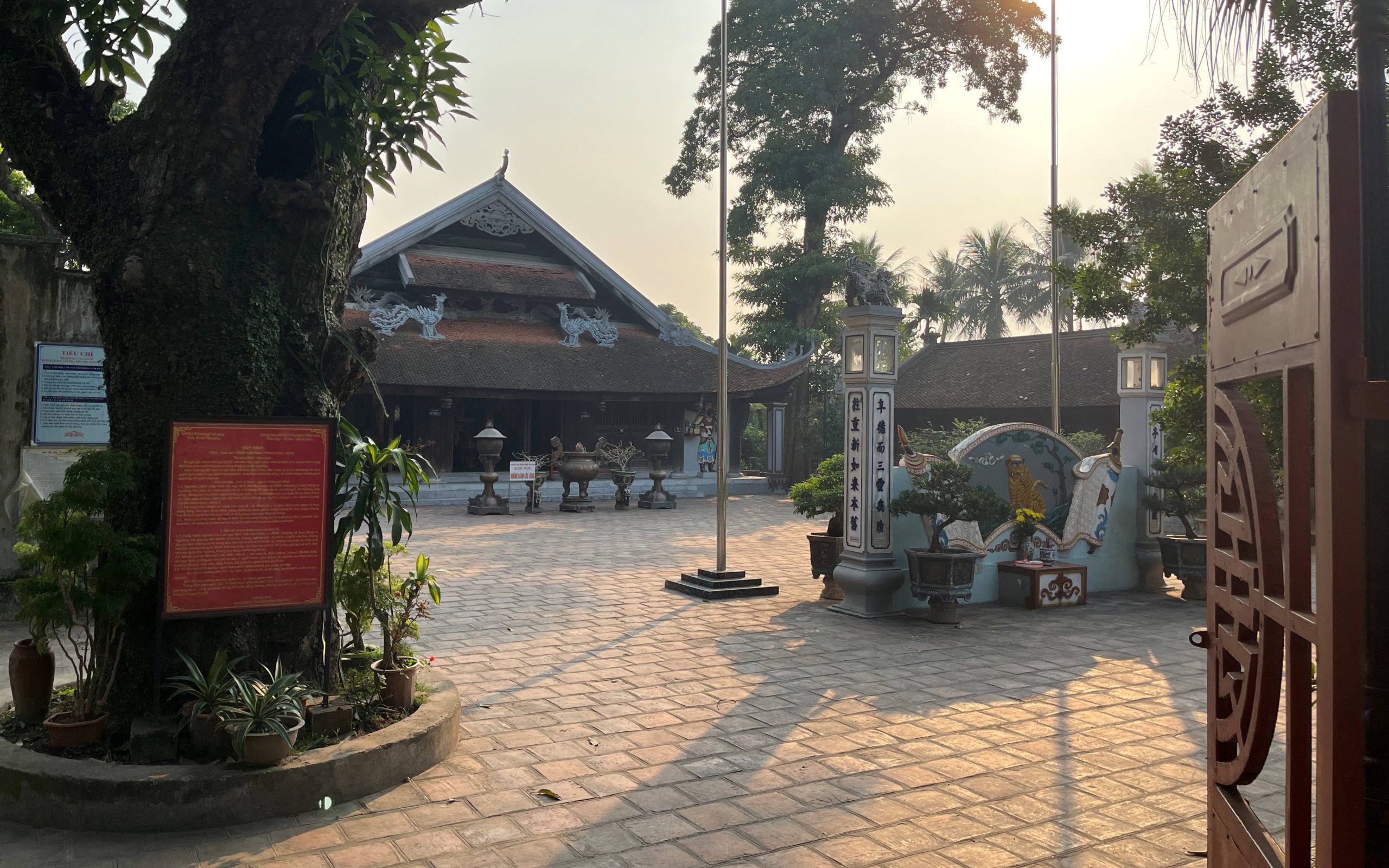
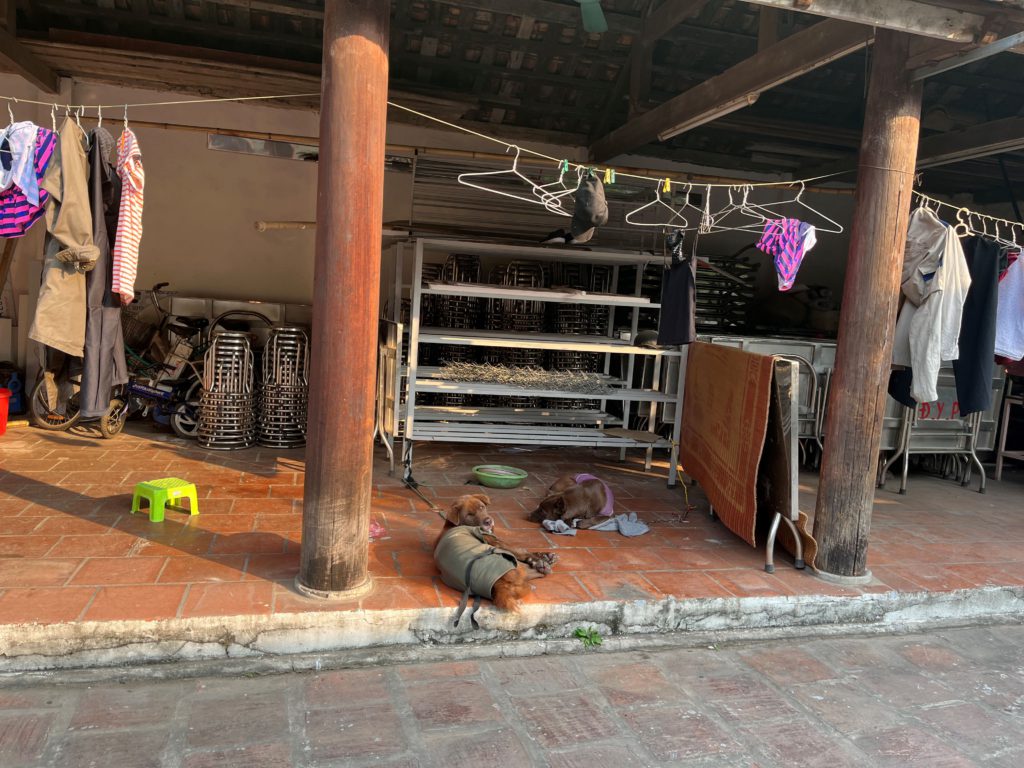
旧イェンフー村の村民が暮らし、居住用のスペースも設けられている
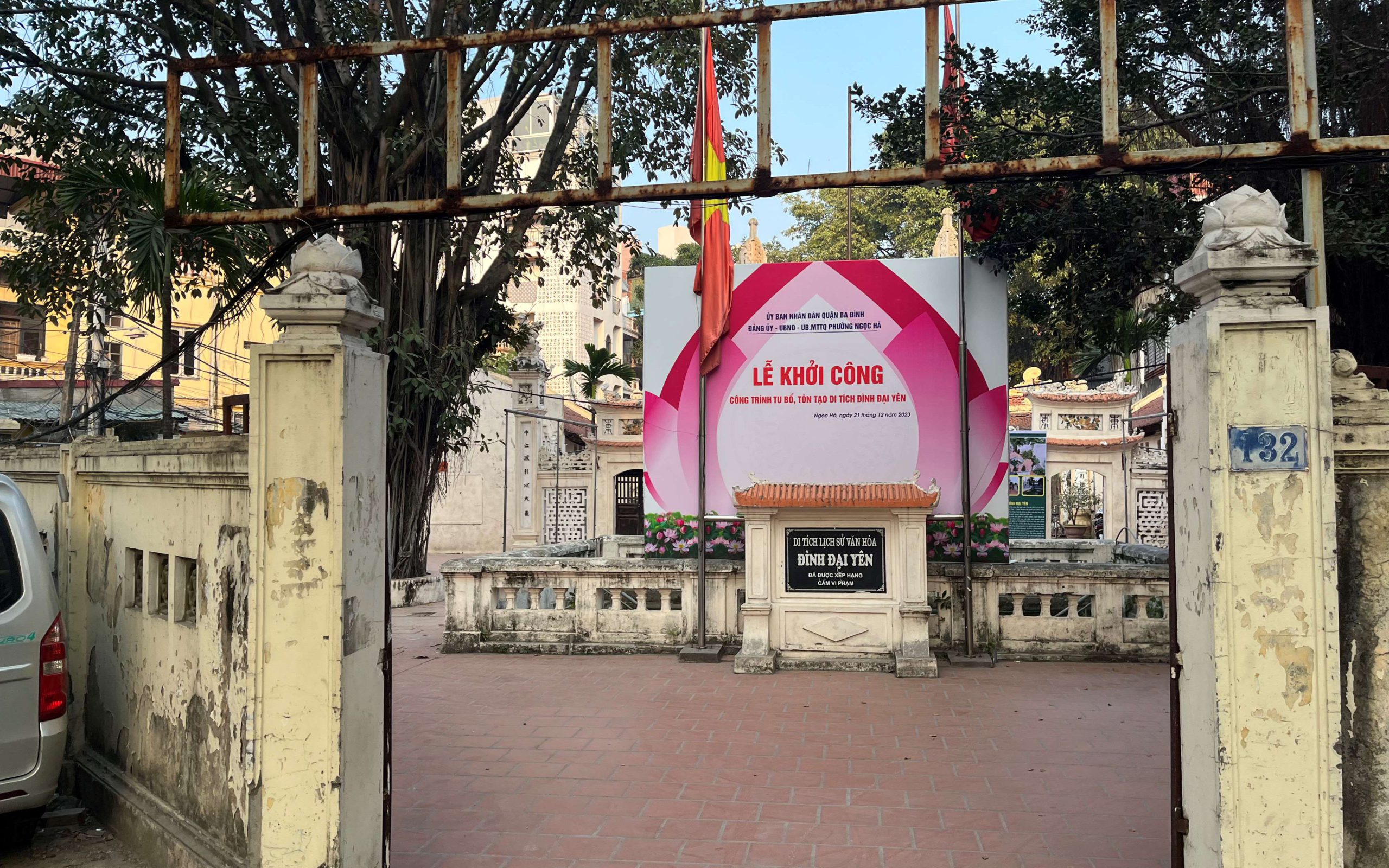
ダイイエン(大安)亭/Dinh Dai Yen
住: 279 Doi Can, Ba Dinh
地元の女英雄を崇拝
12~13世紀に建てられたと伝えられており、ゴックホア(Ngoc Hoa/玉花)公主を祀った場所です。ゴックホアは魚売りの娘で、9歳の時に少年に変装して父に従い、侵略してきた敵と戦闘。大きな功績を残し、死後に王から公主の称号を与えられました。グエン朝の芸術様式を踏襲した建築様式で、何度も大規模な修復が行われており、1990年、国家建築芸術遺跡に指定されました。毎年旧暦の3月13日と14日に行われるダイイェン村祭りは、地域内外から多くの人々が集まります。
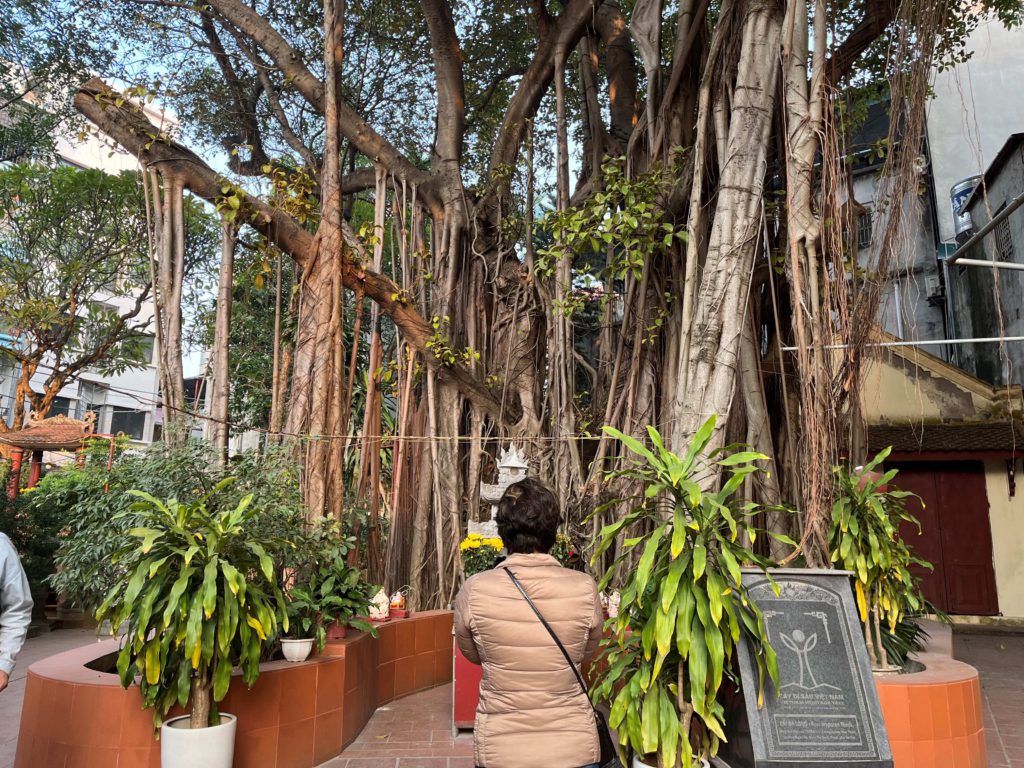
敷地内には、神聖視される巨大なガジュマルの木がある
ウンティエン(應天)亭/Dinh Ung Thien
住: 151 Lang Ha, Dong Da
不動産売却で利益が得られるとされる村亭
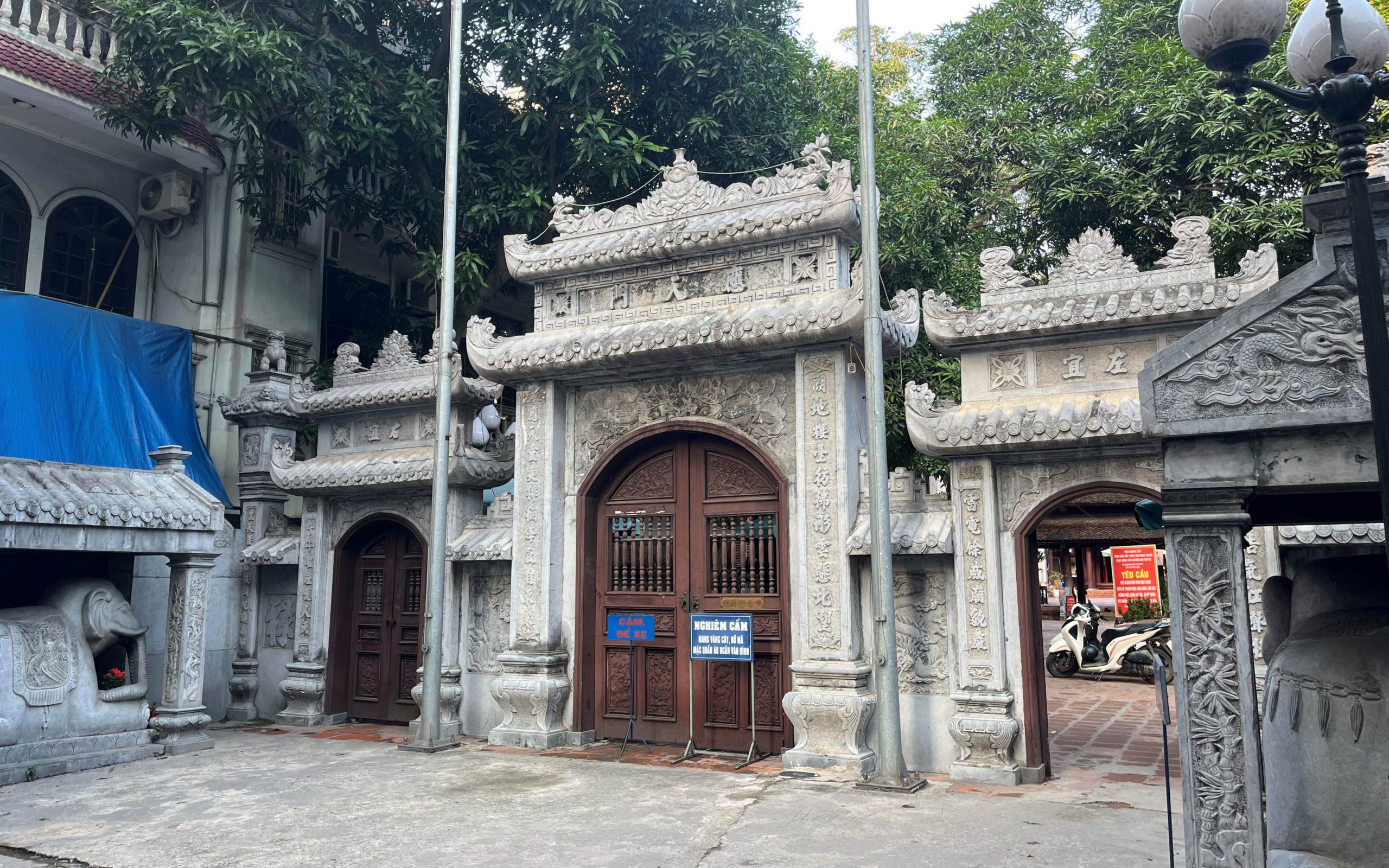
ランハー(Lang Ha)通りの端の路地にある亭で、1069年の占城征服の際にリータイントン王を助けた后土地母神を祀るために建立されました。ハウレー朝の後半には、神城隍を崇拝する宗教文化が強く発展し、ランハー村の集会の場として使用できように改修が行われ、グエン朝時代の1890年に最後に修復されました。毎年、后土地母神の功徳を記念するために、旧暦3月6日から8日まで亭の祭りが開催されます。1984年、ハノイ人民委員会により、都市芸術建築遺跡に指定されました。
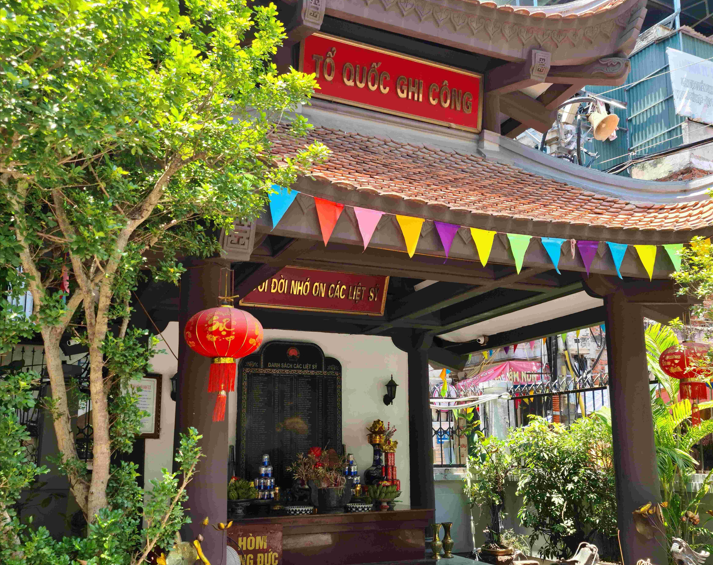
戦争で命を捧げた戦士たちを祀る石碑も設置されている