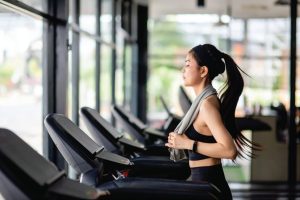
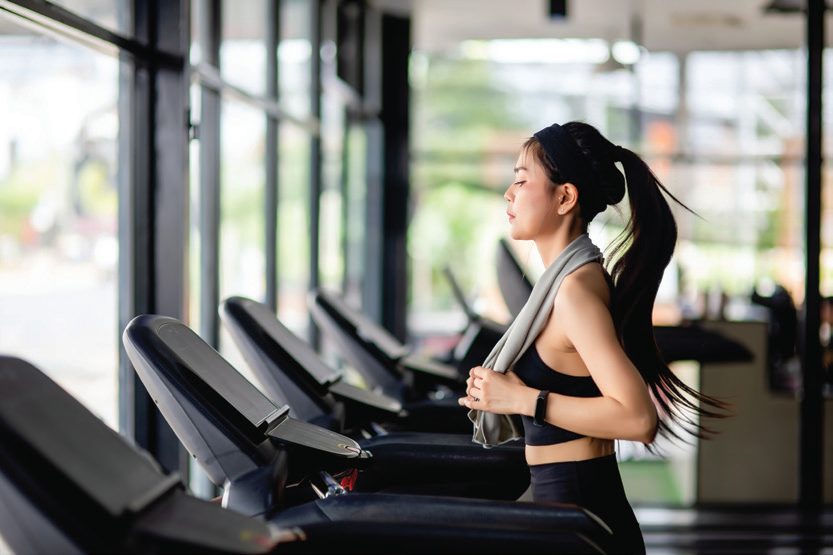
In Vietnam, where awareness of health is increasing and the number of people using sports gyms is increasing, there are a variety of facilities ranging from the blue sky gyms that you rarely see in Japan to high-end fitness clubs. However, compared to Japan, there are some slight differences. In this article, I will write about my thoughts on sports gyms in Vietnam.
There are overwhelmingly more young people
What is striking is the age group of members. In Japan, due to the aging population, some places and times may see a majority of users being older people, but in Vietnam, younger people are the main users at all times. This is because in Vietnam, going to the gym became more common about ten years ago, and the habit of older people using the gym is still not firmly established. Of course, older people do exercise for health reasons, but most of them choose not to sweat at the gym in the form of activities in the community or recreational activities with their peers. Occasionally, you may see older people at the gym, but most of them have been training for many years and have developed a body that makes it obvious.
It's early in the morning and late at night.
When it comes to Vietnam, the image that comes to mind is that it’s early in the morning, and the same can be said for sports gyms. Some gyms open as early as 5 a.m. The typical working person starts at 8 a.m., so if you consider going to the gym before work, that might be reasonable. Also, many gyms close around 10 p.m., unlike in Japan where some gyms are open until around 2 a.m., or are open 24/7. Most working people don’t have to work overtime, so they usually go home around 5 p.m., and that’s when the peak time for usage begins—from that time until dinner.
Train with bare feet
Vietnamese people often walk around barefoot, and the gym is no exception. While many gyms in Japan require people to wear shoes inside the gym, in Vietnam, you don’t see such regulations at all. Rather, there are many users who think that bare feet are better because of the material of the floor—it’s easier to slip on bare feet. Even the gym staff sometimes recommend wearing bare feet. I always wonder if there isn’t a thought that something might happen and I’m afraid to move around barefoot, but it’s clearly evident that the resistance to doing so is lower than that of Japanese people.
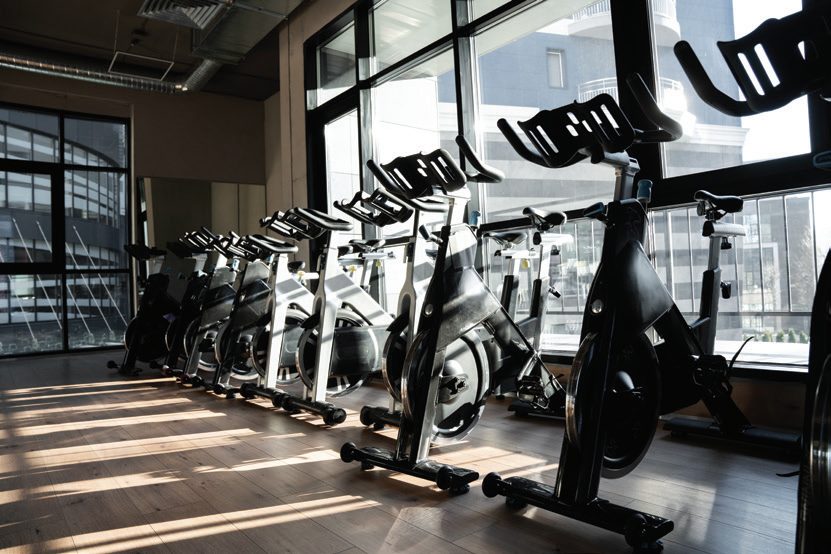
As a side note, according to the gym staff, some people seem to continue coming regularly even after becoming a year-long member; this seems to be similar to Japan. It seems to be run based on the expectation of ghost members, and if all the members were to enthusiastically attend the gym, most gym facilities would likely exceed their capacity due to space limitations.
author (usu. of a particular book, etc.)
Takuma Inada
Social Security Actuary of Japan
Representative of SESSA VIETNAM CO.
Profile
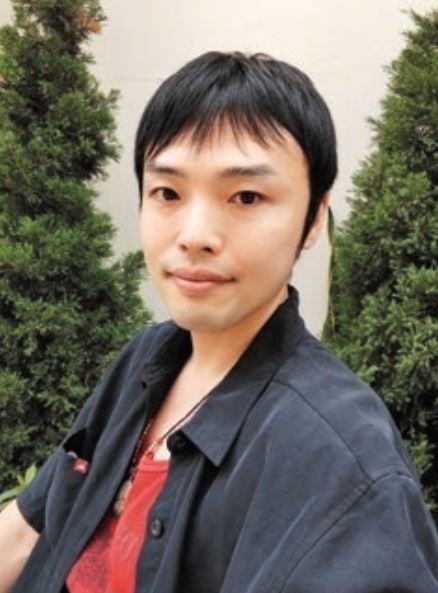
Having been involved in human resources and personnel affairs in Vietnam for more than 10 years, he currently runs SESSA VIETNAM, which he started on his own. The company provides personnel consulting services mainly in the fields of human resource recruitment, personnel affairs consultation, and labor permit application handling. He spends his days observing Vietnamese people on a daily basis, and it has become his daily routine to think about the “why and what” of Vietnam. While raising his Vietnamese wife and two children, he is constantly striving to provide bilingual education in Vietnamese and English.
Official HP】 【Official HPhttps://www.sessa-jp.com