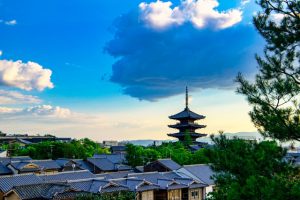
Kyoto has many breathtaking spots that make the most of its precious buildings and natural beauty. Why not take a peek at Kyoto’s autumn before it gets too cold in October?
In this article, we introduce 10 Kyoto sightseeing spots that are recommended for October, when you can also enjoy the autumn leaves.
Kamo Myo-zu Shrine (Shimokamo Shrine) / Sakyo Ward, Kyoto City
~ The oldest shrine in Kyoto that has influenced history ~
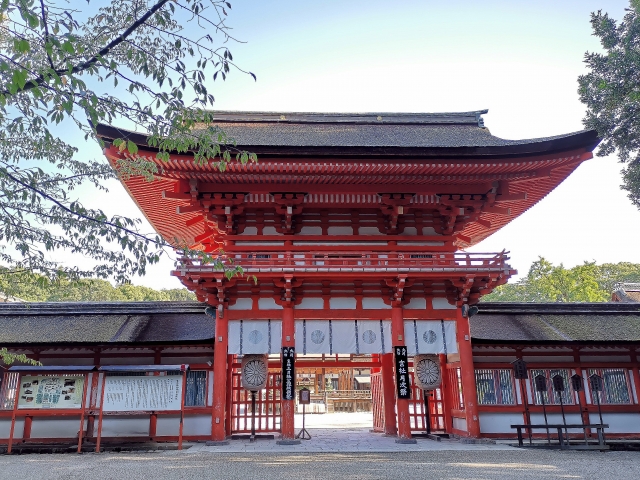
Kamo Myo-zu Shrine is one of the oldest shrines in Kyoto. It is also known as "Shimokamo Shrine" because it is enshrined downstream of the Kamo River. During the Heian period, it frequently appeared in dynastic literature such as the Genji Monogatari and Basho no Chozon, and it flourished as a center of culture and religion at the time.
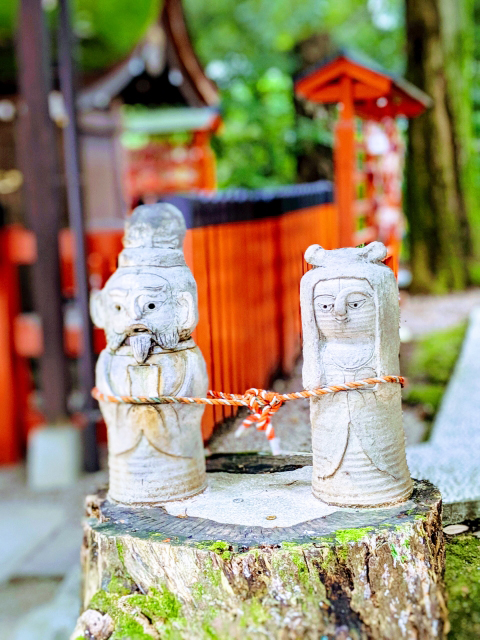
The ”Sosei-sha Shrine” located in front of the torii gate enshrines the god of good fortune, and it is a place where many worshippers come to pray to the sacred tree, because the two tree trunks called “Kenryo no Kinoki” are joined together in a mysterious way.
Shimokamo-in River Town, Sakyo Ward, Kyoto City
www.shimogamo-jinja.or.jp
Honnoji Temple / Nakagyo Ward, Kyoto City
~Temples related to Oda Nobunaga~
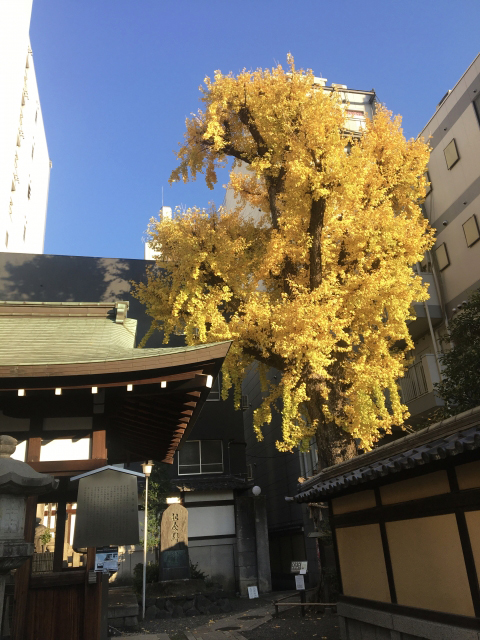
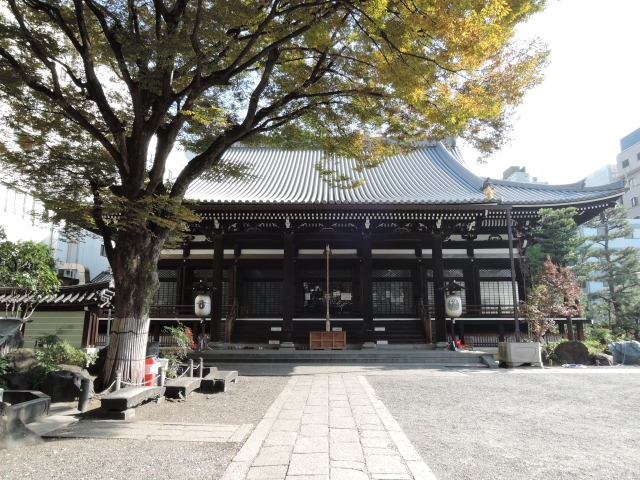
Honnoji Temple was founded in the Muromachi period by Nichiren Shonin under the name "Honnoji Temple." When it was moved to Rokko-gyo, it was renamed "Honnoji Temple," and it acquired a vast temple grounds and rebuilt its grand main hall.
Since its founding, the temple has repeatedly been destroyed and relocated seven times, and is famous for the "Banno-ji Incident" where Oda Nobunaga committed suicide. After Nobunaga's death, it was relocated to its current site by Toyotomi Hideyoshi.
Shimobonennaji-cho, Nakagyo Ward, Kyoto City
www.kyoto-honnouji.jp
Baoquan-in Temple / Sakyo Ward, Kyoto City
~ A bamboo forest garden seen from the frame of the bridge and pillars ~
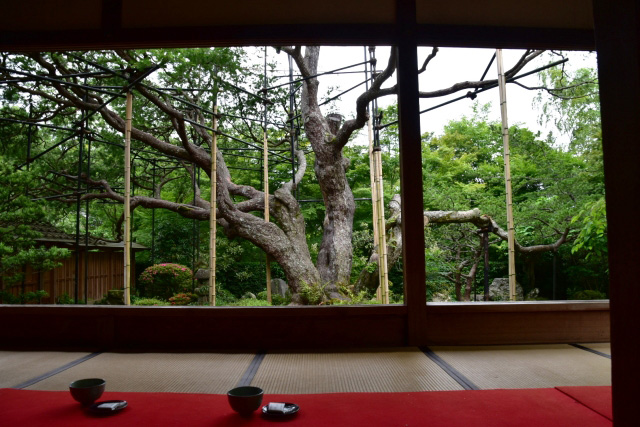
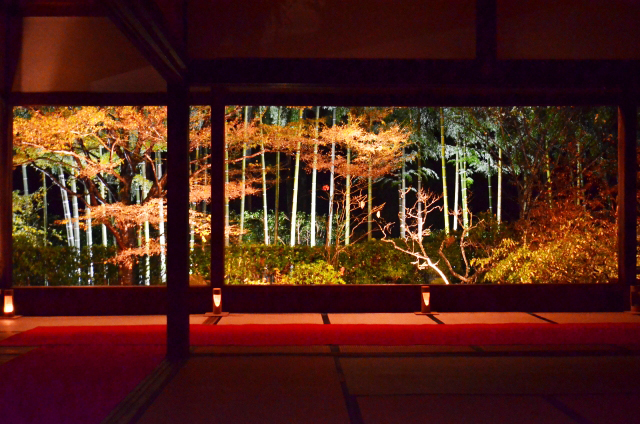
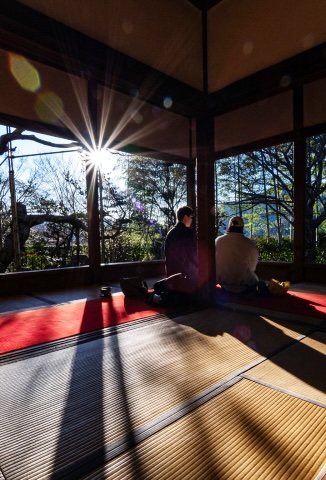
The pagoda of Katsurinzai, a hall of the Tendai sect, is the center of the temple. The library of Bakuisuin was rebuilt around the mid-Edo period. You can enjoy matcha and Japanese sweets while admiring the garden by looking at the columns of the guest hall and the space between the columns. The garden features five-bladed pines that are over 700 years old and lush bamboo forests, and in autumn, the red leaves create a stunning sight that is truly breathtaking.
Oharasuji-in Temple, Oharasuji Ward, Kyoto City
http://hosenin.net
Fukangji Temple (Hachijataya Tower) / Higashiyama Ward, Kyoto City
~ The symbol of Kyoto that towers over the city, the Hachijasan Tower ~
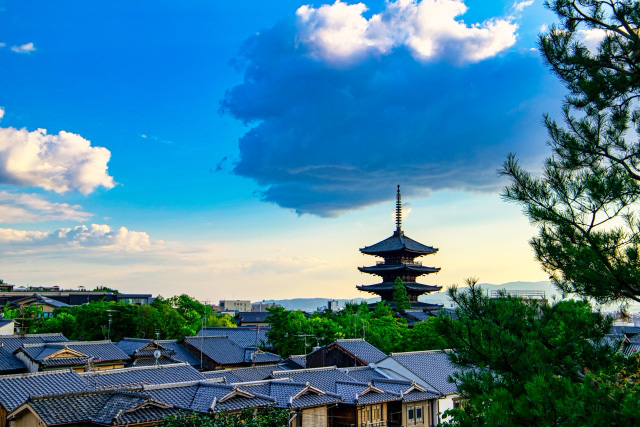
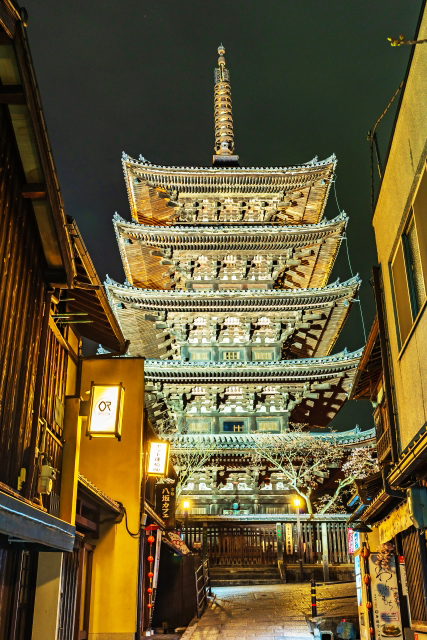
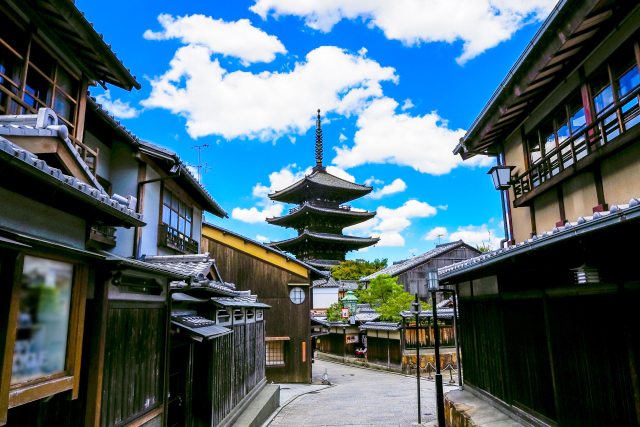
Fukujinja Temple is said to have been built by Saint Tokushiraku Taishi upon receiving a dream prophecy from the Amitabha Buddha in 592. It was later burned down in a fire, but was rebuilt in its current form by Ashikaga Yoshiaki in 1440. Located between the north’s Hachijinja Shrine and the south’s Shimizu-ji Temple, it is known as the ”Hachijinja Tower.” It is approximately 46 meters high and stands towering over the city. Its size is impressive, and it has become a landmark in the surrounding area, becoming an essential part of the landscape. At night, the Hachijinja Tower is illuminated, allowing visitors to see it shine brightly in the darkness.
Shimizu Hachasaka-cho, Higashiyama Ward, Kyoto City
https://ja.kyoto.travel/tourism/single01.php?category_id=7&tourism_id=518

Check the website for details of each location!
It also provides abundant information on how to get there, the best season, and tourist information about the area.