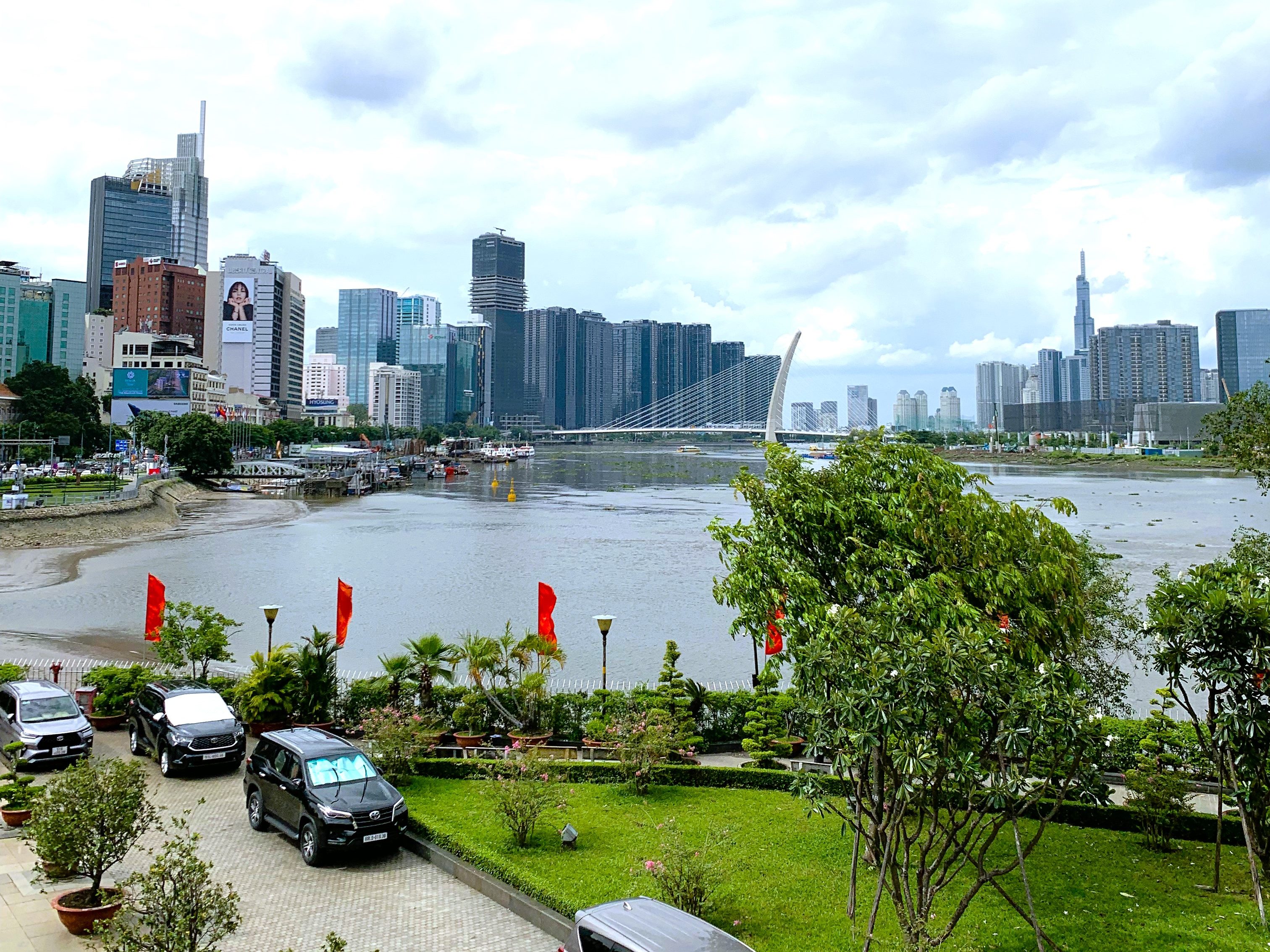
The Saigon River, which flows through the heart of Ho Chi Minh City, continues to quietly flow amidst the dynamism of modern urban life, carving out a diverse history over the past 300 years. Alongside the must-see spots that tell the story of the river—such as Nha Rong Port, Ba Son Bridge, and Bach Dang Port—recent developments include the construction of water buses and riverside parks, as well as new architectural structures, creating a new narrative that blends the past with the future.
You can feel the flow of time from 1000 years ago from the riverbank.
HCMC, known as one of the most vibrant cities in Asia, was called Saigon before the end of the Vietnam War in 1975. The Saigon River runs through the center of the city, and it is fondly remembered as a mirror reflecting the city's history and culture.
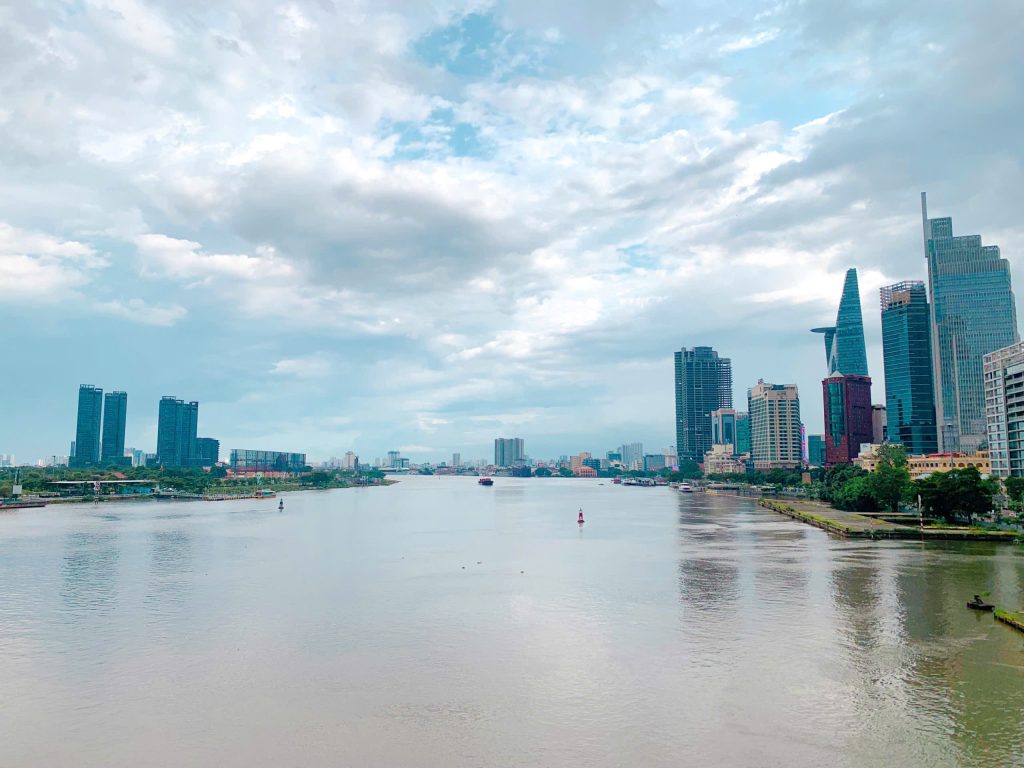
The Saigon River is the main artery that supports the city's development and is also a symbol of the city's urban landscape. People have lived along the river basin since ancient times, and trade has flourished through the river, fostering culture.
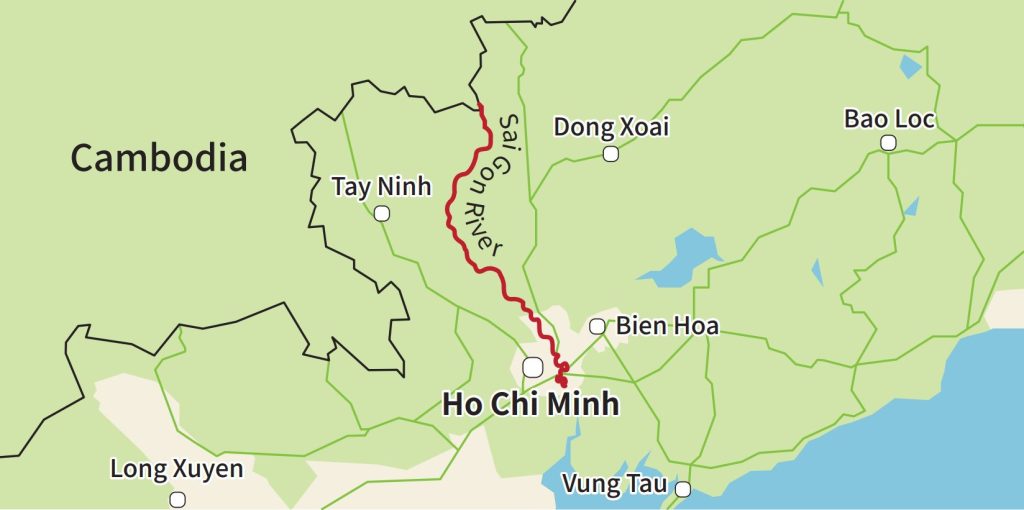
The Saigon River has a total length of approximately 256 km. It originates in Rach Cham district in Loc Ninh province of Binh Phuoc province, flows through Tay Ninh province and Binh Duong province, and passes through Ho Chi Minh City before joining the Dong Nai River in the Nha Be district.
Since ancient times, this river has not only served as a source of water and a route for transportation, but also has been a witness to the history, culture, and changes of southern Vietnam. The merchant boats lining the riverbank are crowded together, and villages, towns, markets, and ports have successively emerged on both banks, making Saigon a gateway to international trade from ancient times.
Along the river, there are numerous attractions that offer a sense of history and the city's atmosphere. From Nha Rong Pier, which is associated with former President Ho Chi Minh, to the remains of the Ba Son shipyard, lush Riverside Park, and the Bach Dang pier where cruise ships dock, these are all places that showcase the charm of Saigon River.
Learn about important sites where history has changed significantly
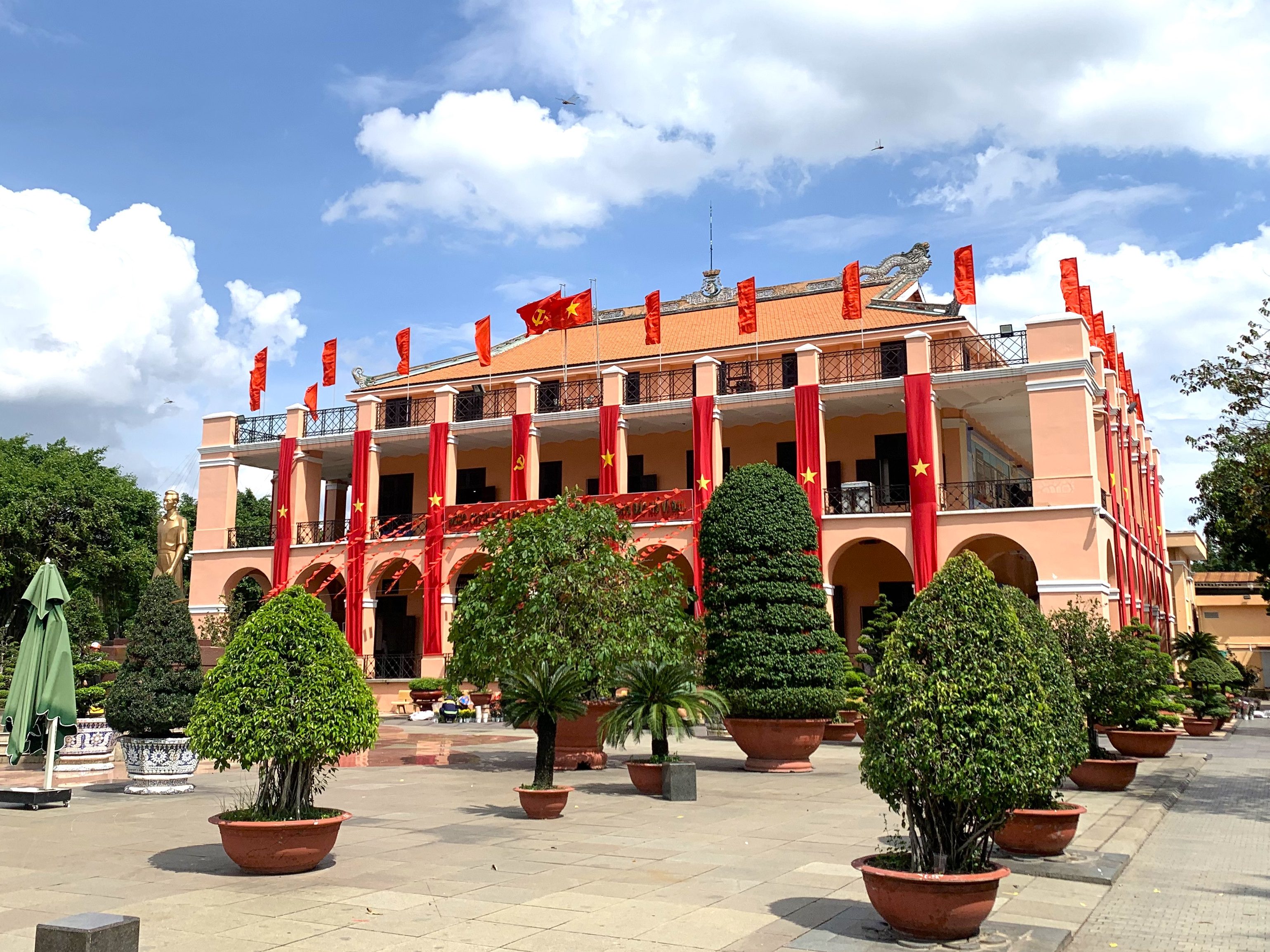
Nha Rong Pier, which overlooks Saigon River, used to be a bustling place where ships from all over the world gathered to serve as a gateway for the East and West to meet. The red-roofed buildings that still stand today bear witness to the past and quietly observe the city’s evolution.
© Wikimedia Commons (Public Domain)
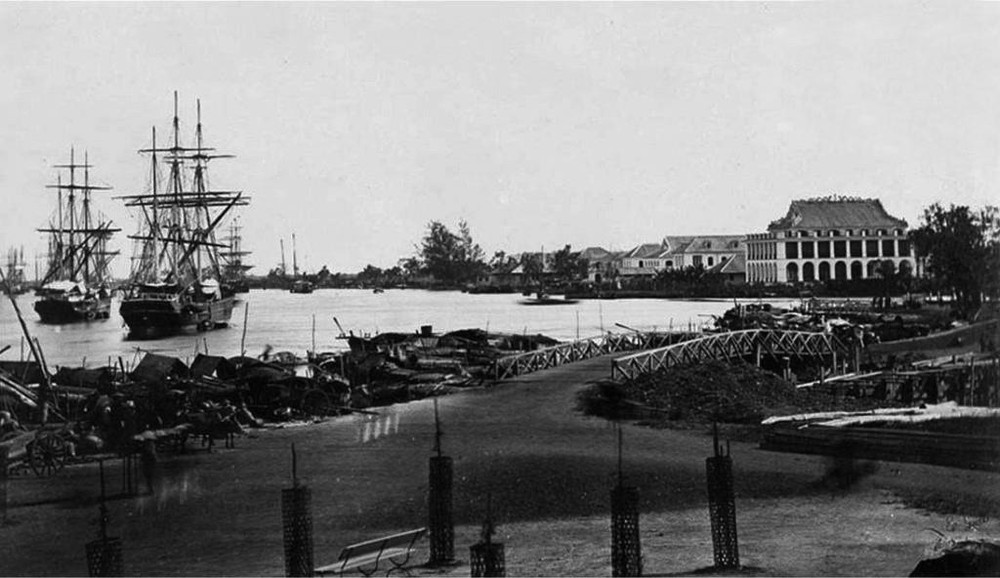
Nyarong Pier
Ben Nha Rong
On June 5, 1911, the young Nguyen Tat Thanh (later President Ho Chi Minh) boarded the French ship Admiral Latouche-Trévir from this place and set out on a journey to seek the path to Vietnamese independence. This is said to be the moment of a significant beginning in the history of the Vietnamese people.
The area around the former pier once flourished as the heart of Saigon Port, becoming one of Southeast Asia’s leading international ports. Cargo arriving from all over the world was unloaded here, bringing vitality to the city of Saigon and creating a prosperity known as the Pearl of the Far East.
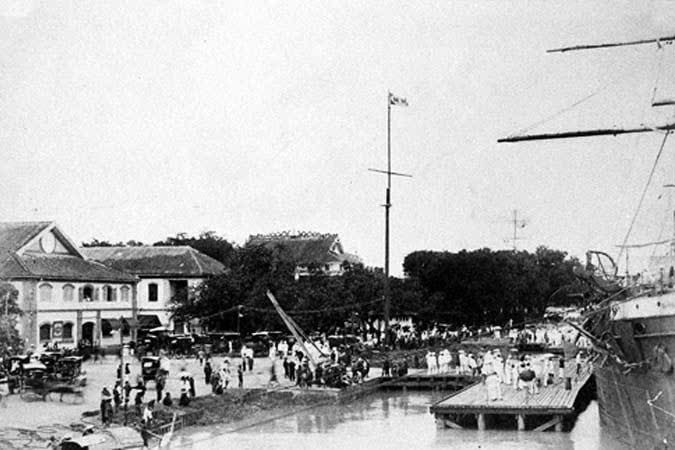
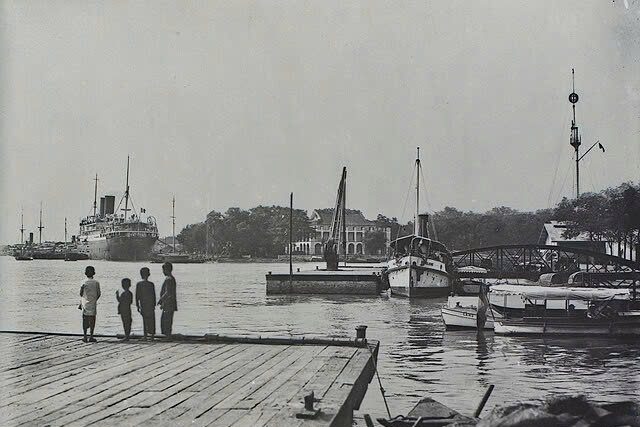
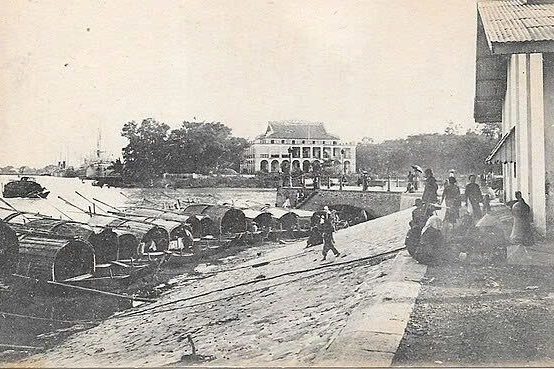
Ho Chi Minh Museum
Bao Tang Ho Chi Minh
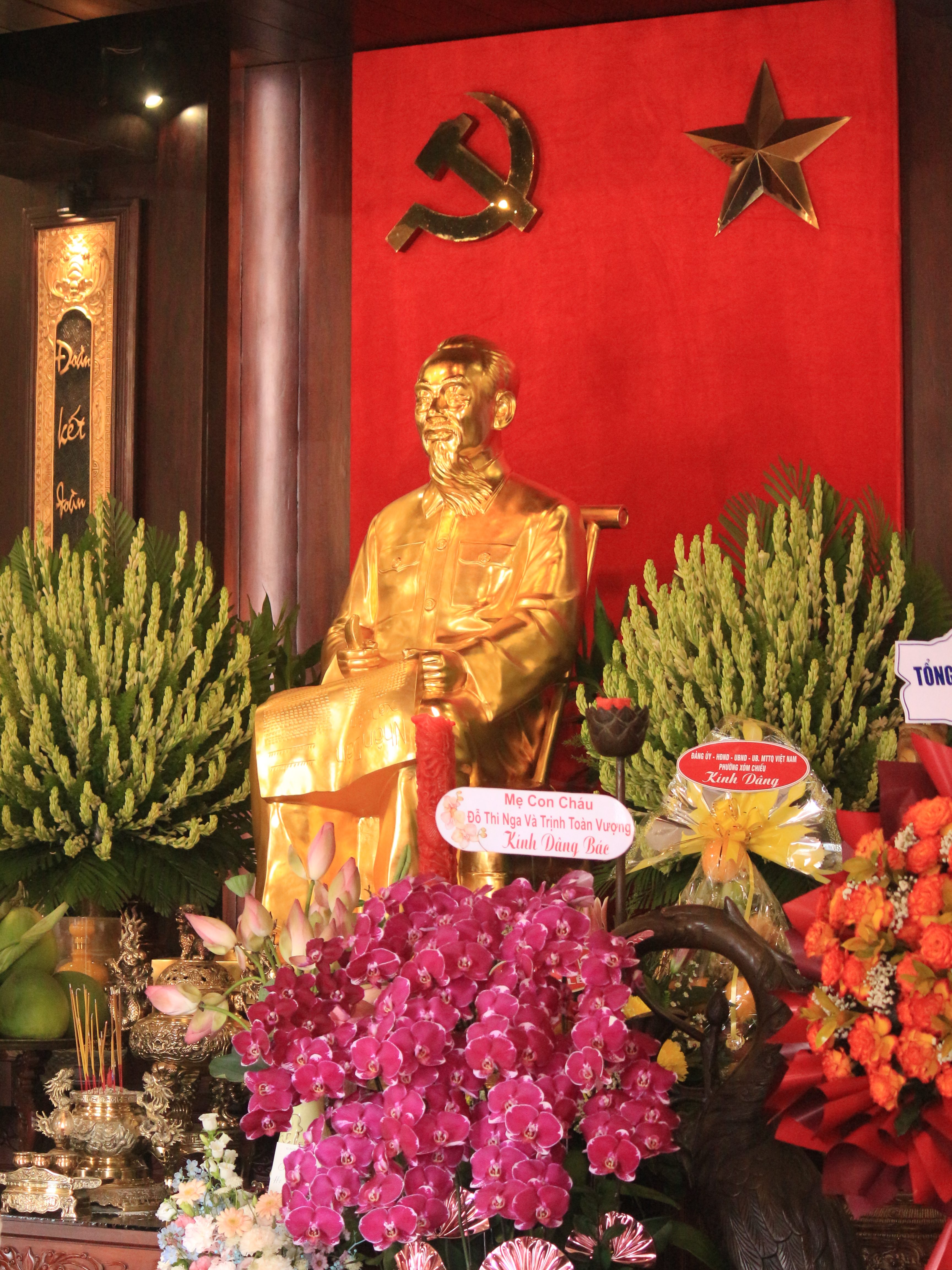
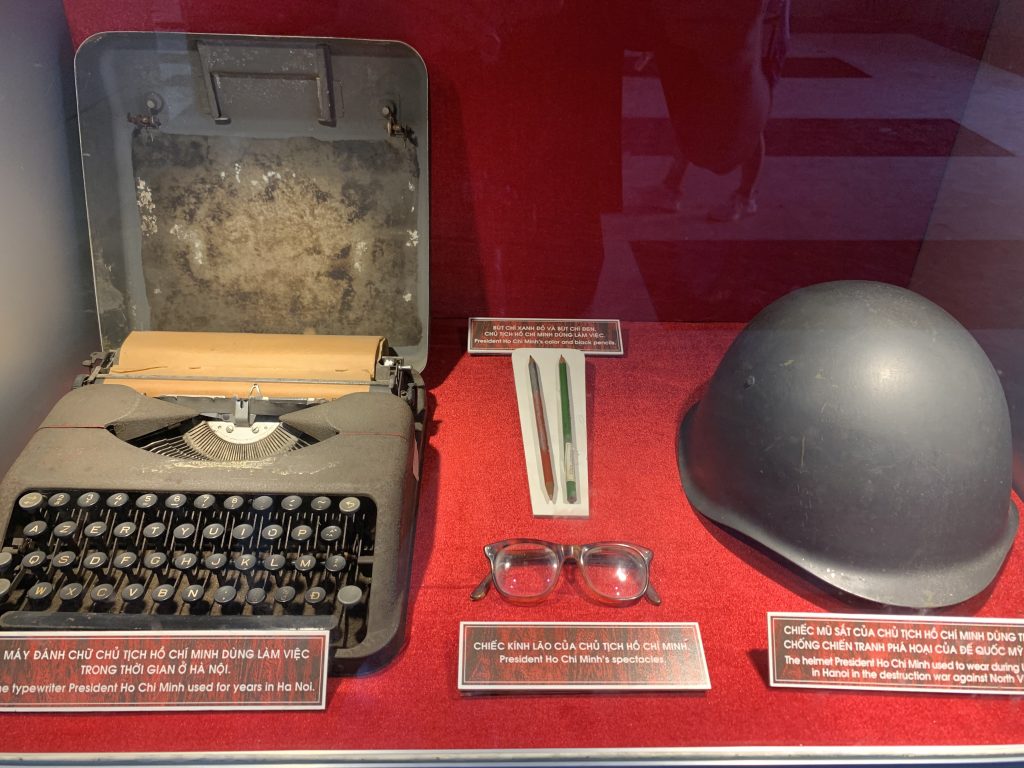
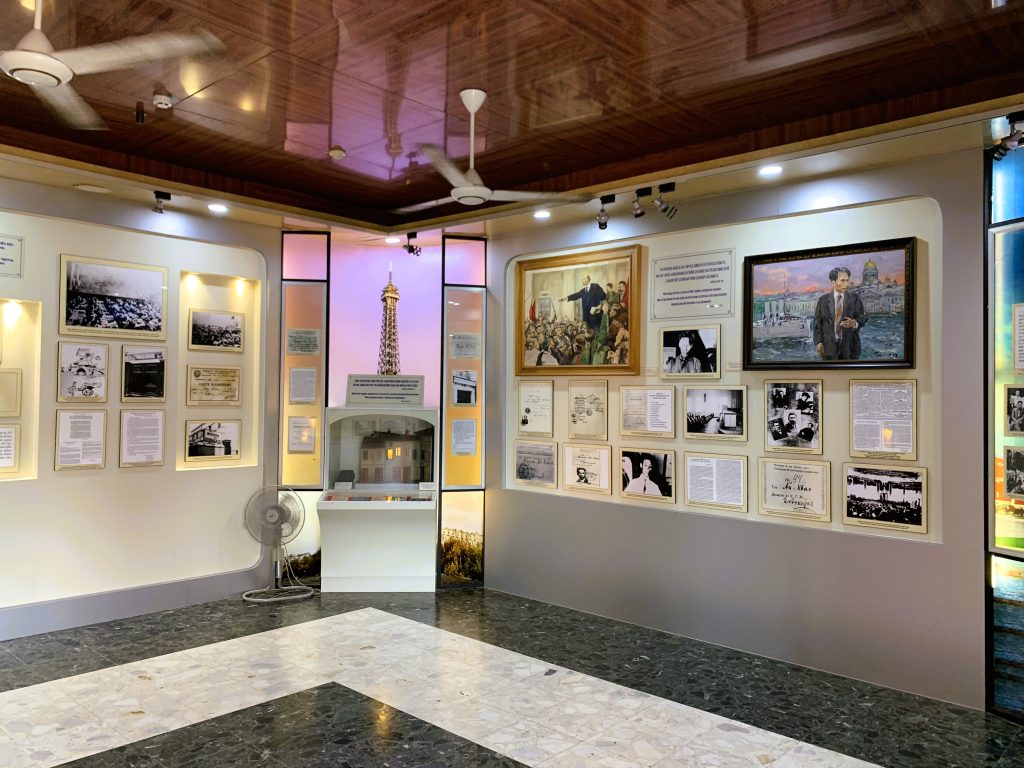
During the Vietnam War, Nha Rong Pier, which was also a symbol of the war, was under the control of the U.S. military. In 1979, it was renovated and is now open to the public as the Ho Chi Minh Museum. The museum boasts an area of approximately 1,500 square meters and houses more than 20,000 documents, photographs, and artifacts. The exhibits range from the childhood of late President Ho Chi Minh, his activities overseas, his leadership of the independence revolution, the anti-French and anti-American wars, and his interactions with people around the world.
In addition to the permanent exhibits, there are special exhibitions and educational programs, providing visitors with opportunities to learn more about history. While conveying the life and achievements of late President Ho Chi Minh, it also serves the role of passing on the historical background of the region to future generations, remaining not just a place for preserving heritage but also a bridge connecting the nation’s journey and the modern city of Ho Chi Minh City.
Address: 1 Nguyen Tat Thanh, Xom Chieu, HCMC
Open: 7:30~11:30 / 13:30~17:00
Days off: Mondays
Price: Free
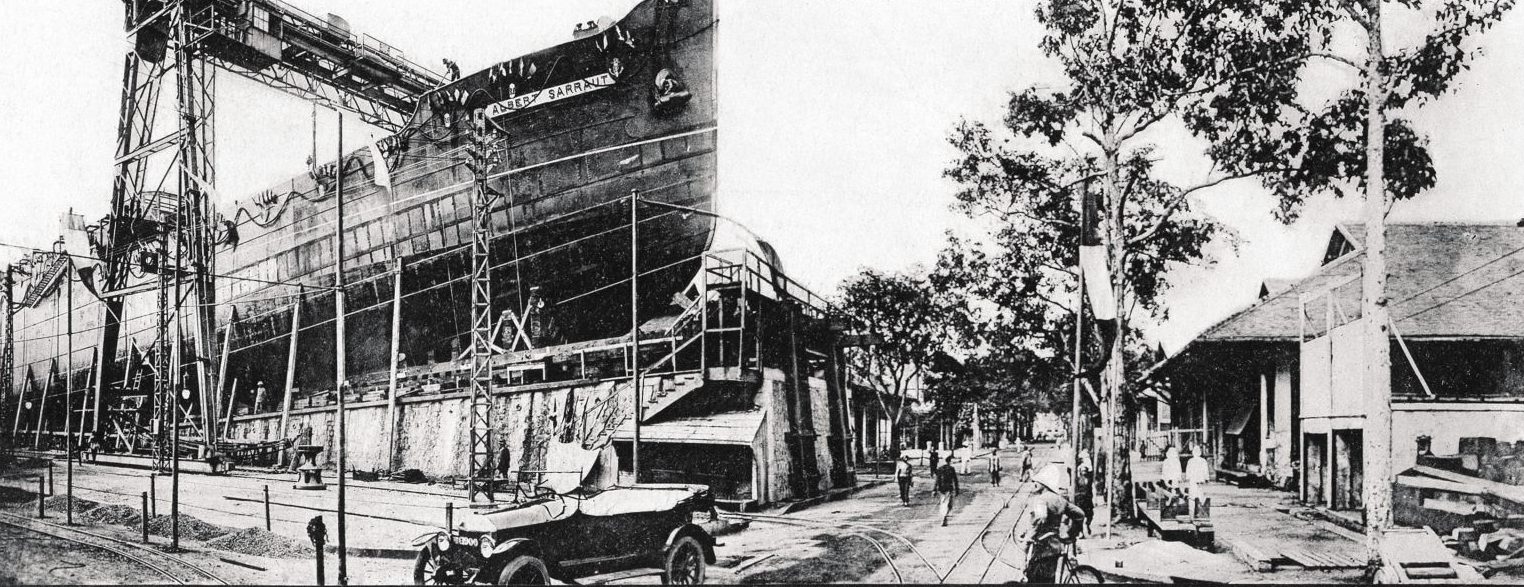
Barson Shipbuilding Company
Xuong dong tau Ba Son
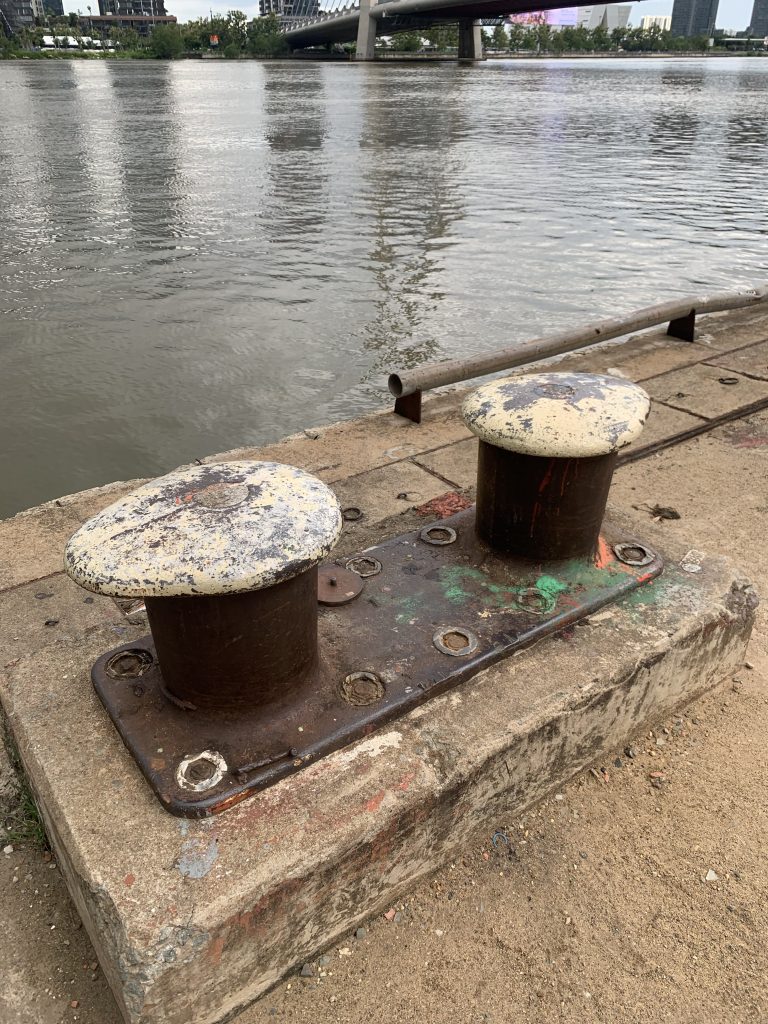
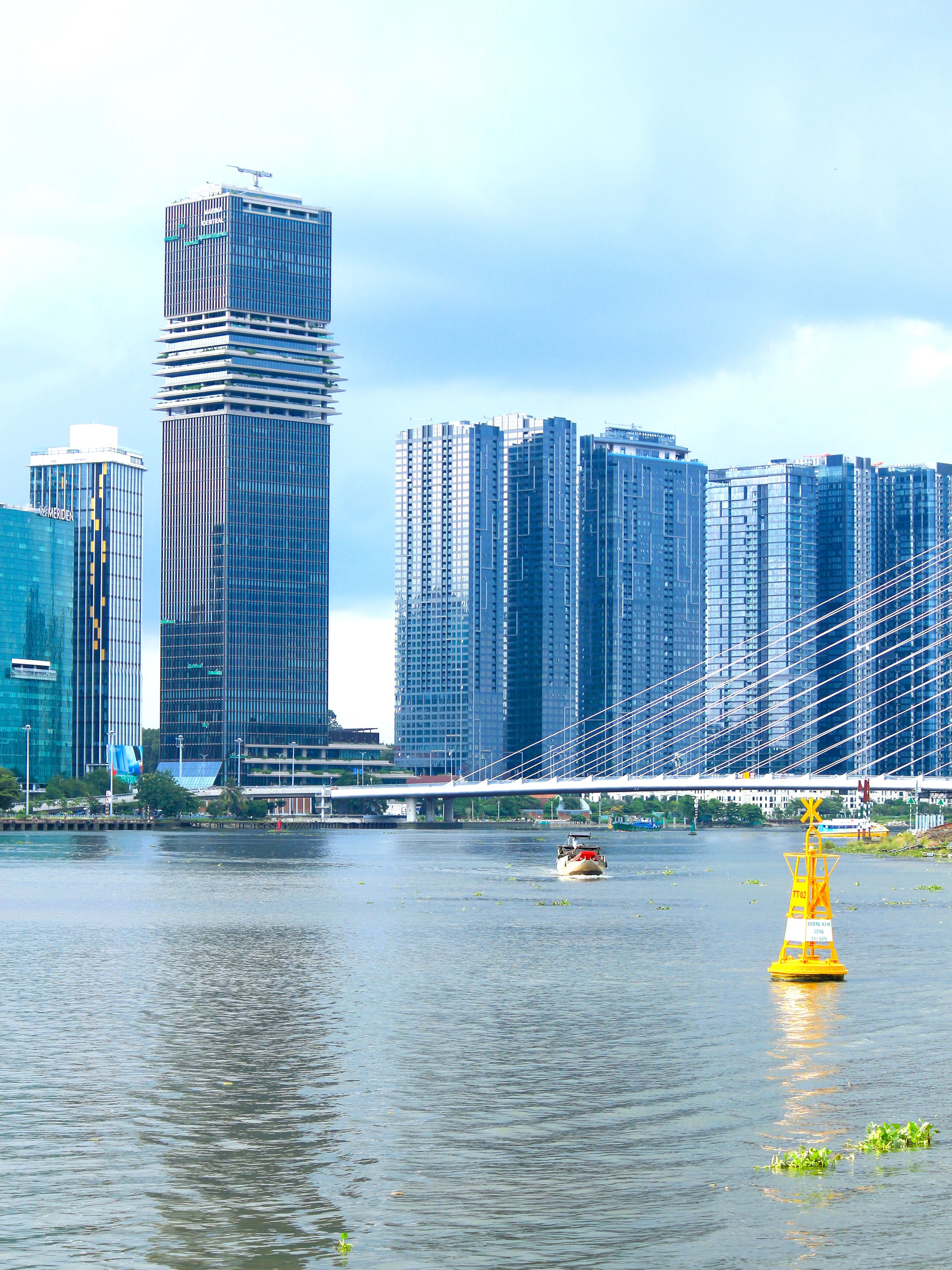
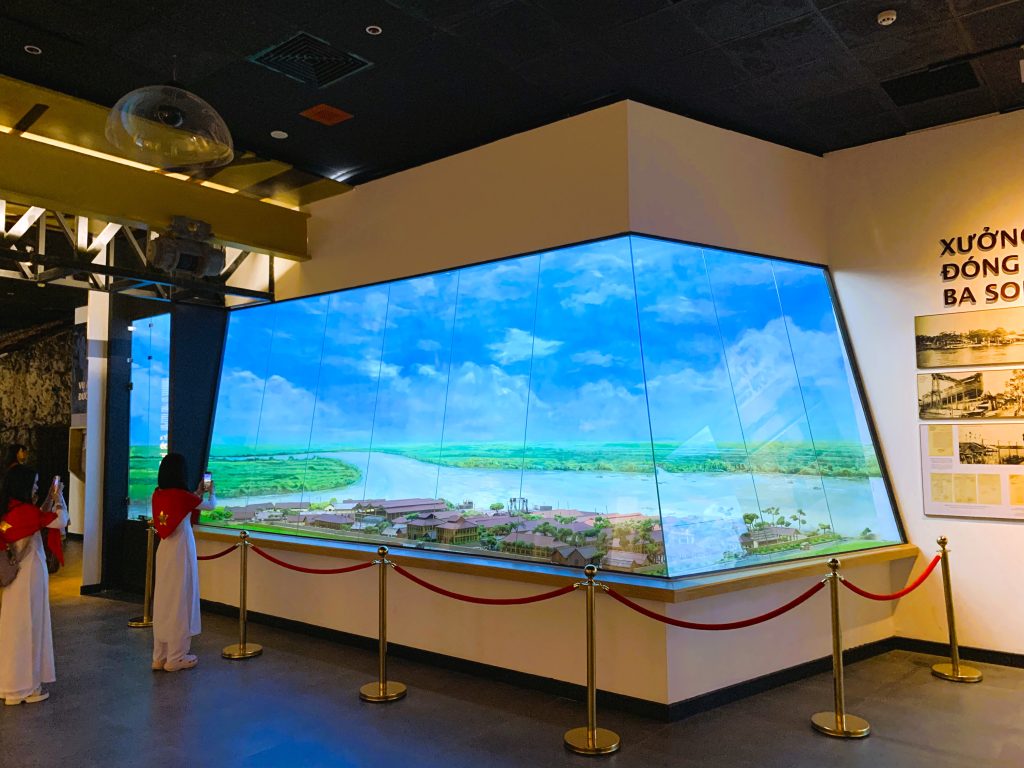
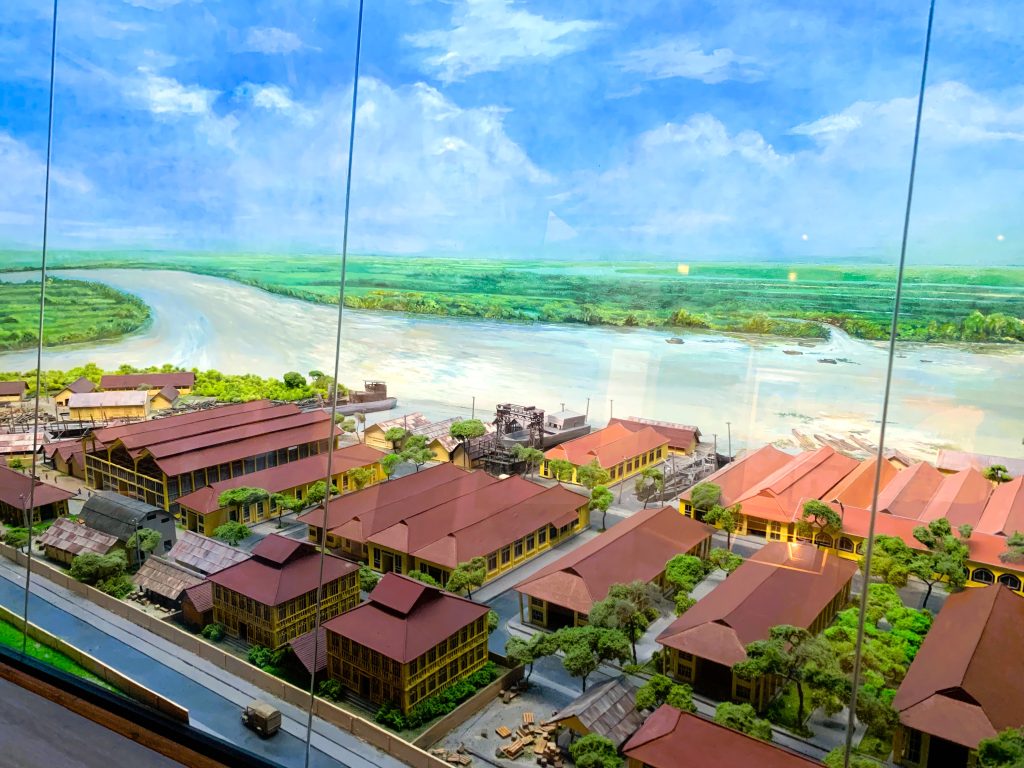
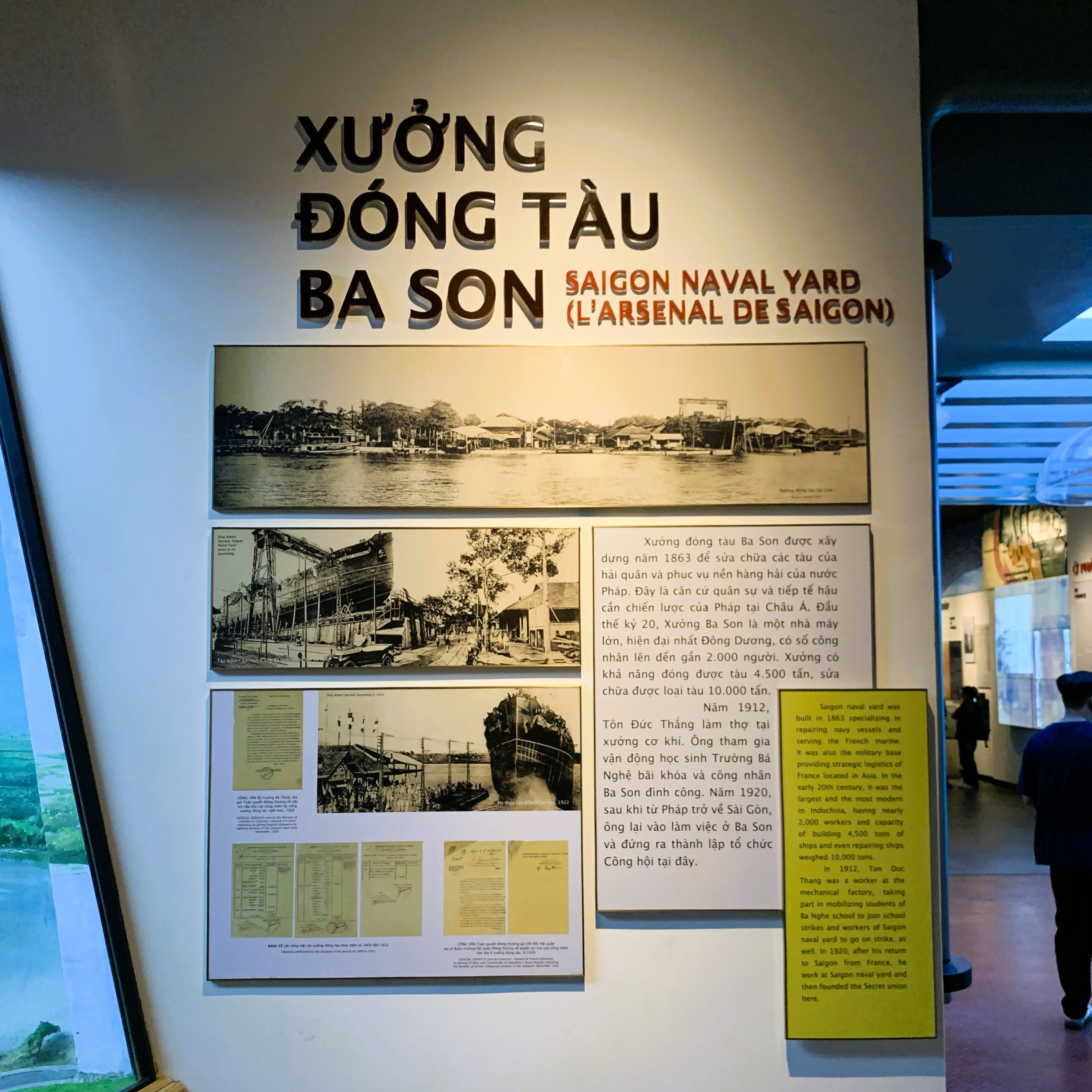
The area where the present Borson Bridge stands once housed the Borson Shipyard, known as the oldest shipbuilding base in Vietnam. This facility flourished as Southeast Asia’s leading shipbuilding base from 1863 during French colonial rule, and was also a place where many skilled workers and laborers worked. The surrounding area was said to be filled with the sounds of hammers and the grinding of lathes, and the smell of paint. It is said that the young Tong Duc Tan, then Chairman, also worked as a machinist here and later grew to become a leader representing the working class.
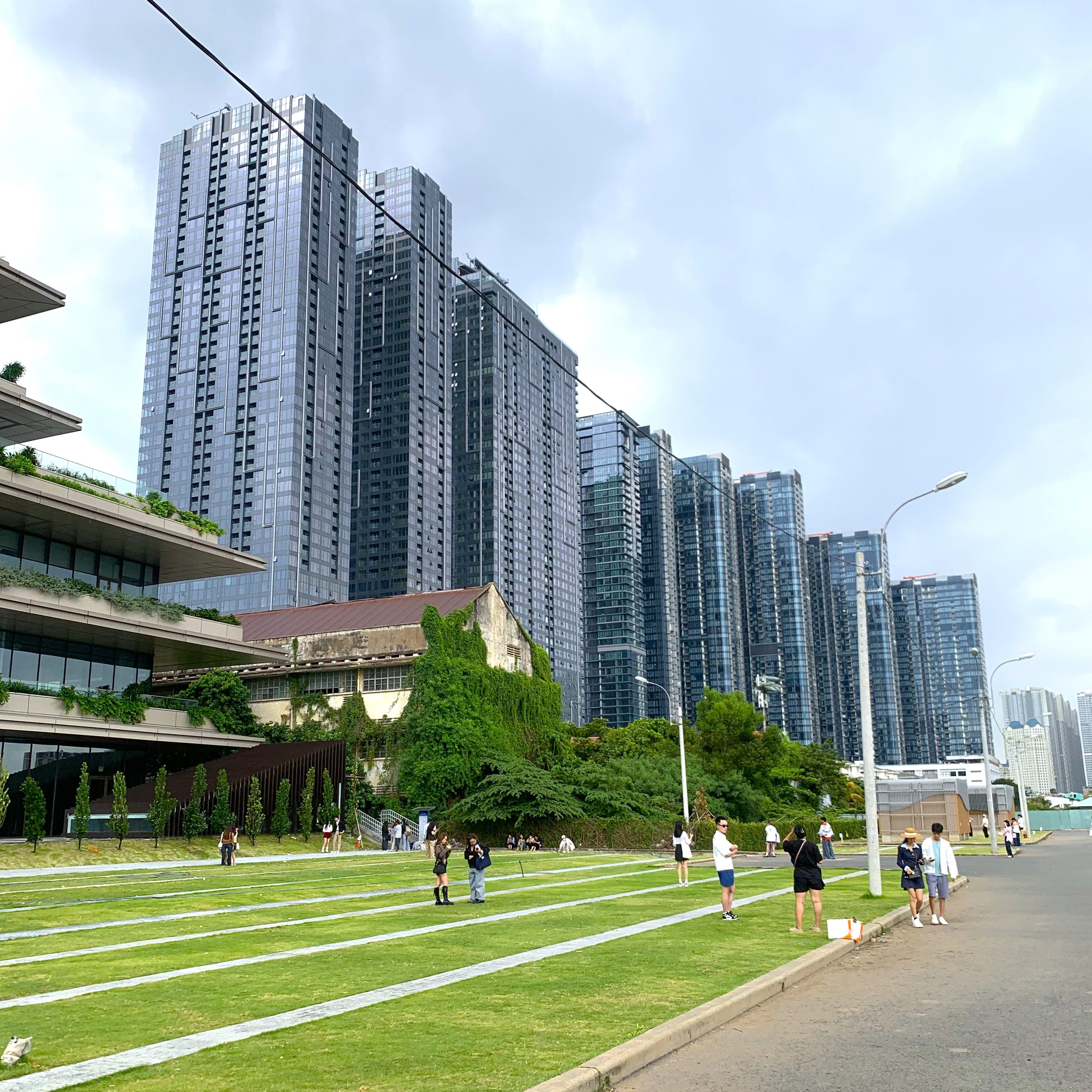
In 2015, the Berson shipyard, which had completed its mission, was demolished; in addition to the Berson Bridge, the former site was also developed with the construction of the Marina Central Tower, a 55-story modern commercial and office complex, and Riverside Park, which has become a new landmark symbolizing the modern city of Ho Chi Minh City.
Tonduktan Museum
Bao Tang Ton Duc Thang
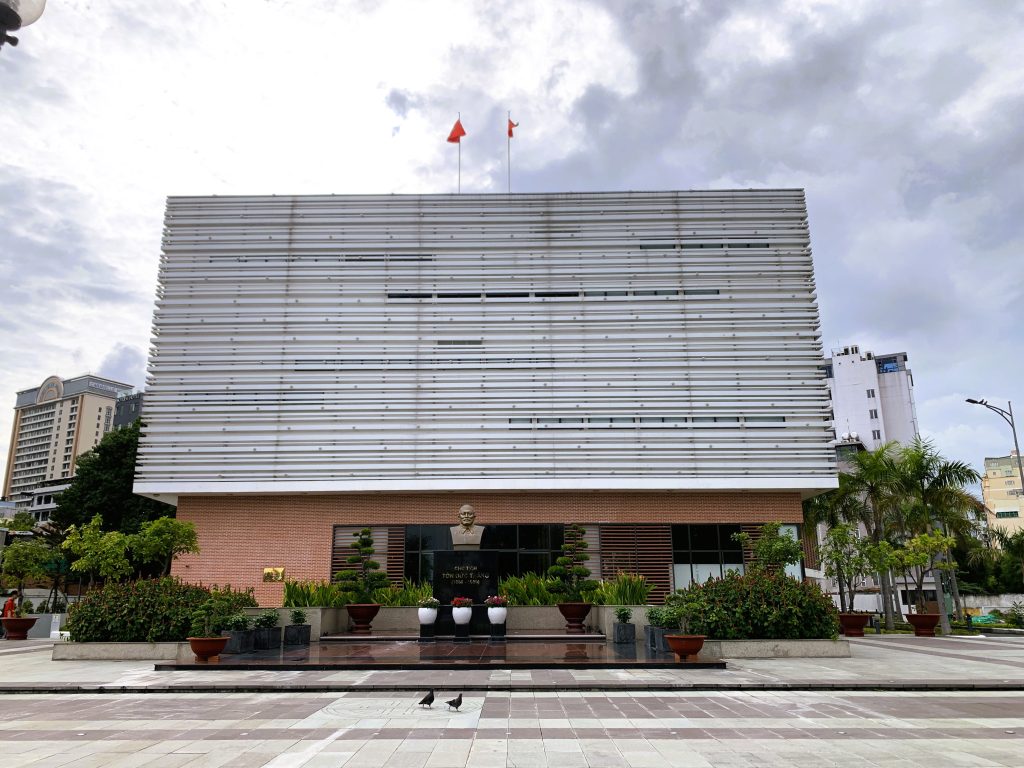
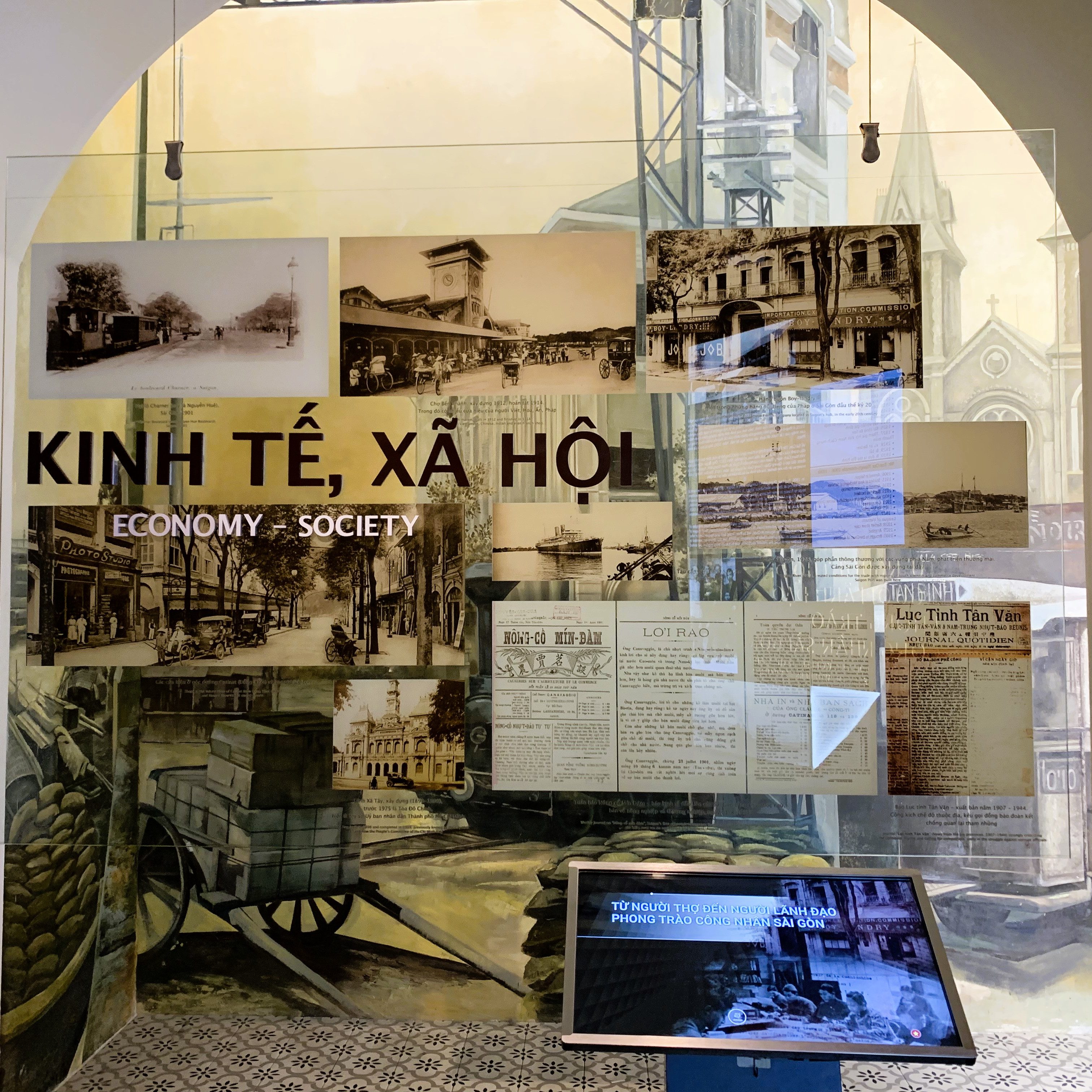
In 1988, the Tondoktan Museum opened adjacent to the former Borson Shipyard. The museum presents the life and achievements of late President Ton Dok Tan in a multifaceted way. It houses more than 16,000 documents and relics, and exhibits a wide range of topics from the daily work at the shipyard, labor movement, revolutionary activities, and his journey as the President of the country. In addition to the permanent exhibition, it also offers special exhibitions and educational programs, continuing to provide learning and inspiration to visitors.
Address: 5 Ton Duc Thang, Sai Gon, HCMC
Open: 7:30~11:30 / 13:30~17:00
Days off: Mondays
Price: Free
Following in the footsteps of history in a place where one is born anew
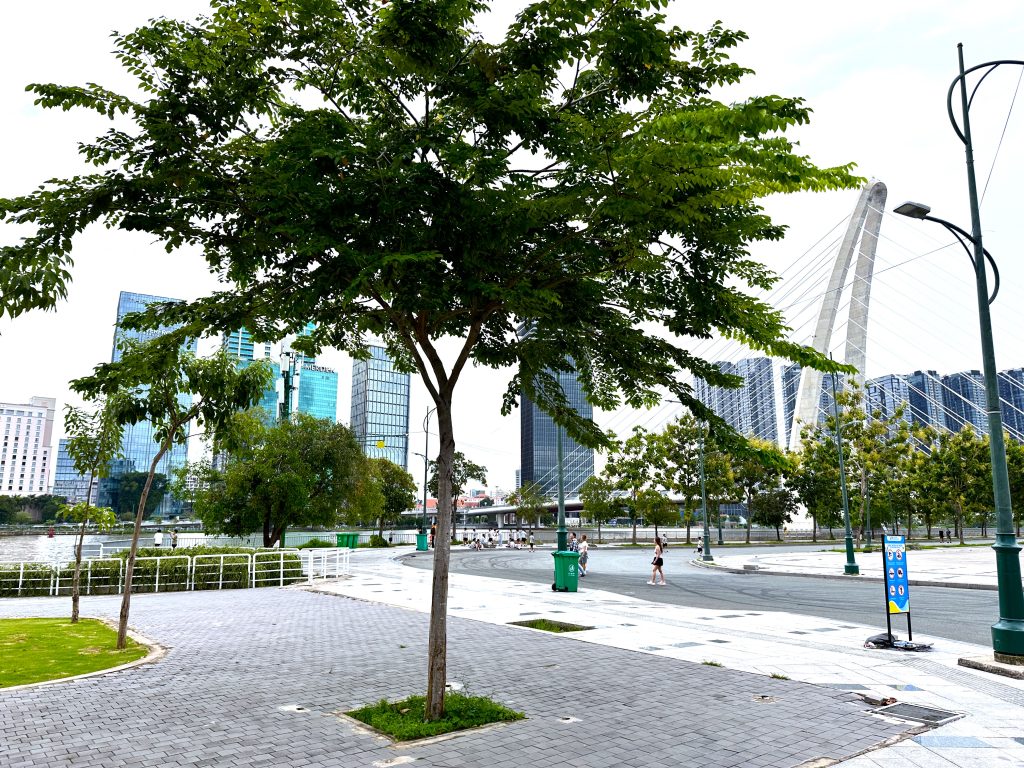
Once a bustling spot along the Saigon River due to trade and other activities, the area has now transformed into something completely different. It is now a popular walking spot, and especially when the Saigon River is bathed in sunset at dusk, it is a moment that allows you to forget the hustle and bustle of the city.
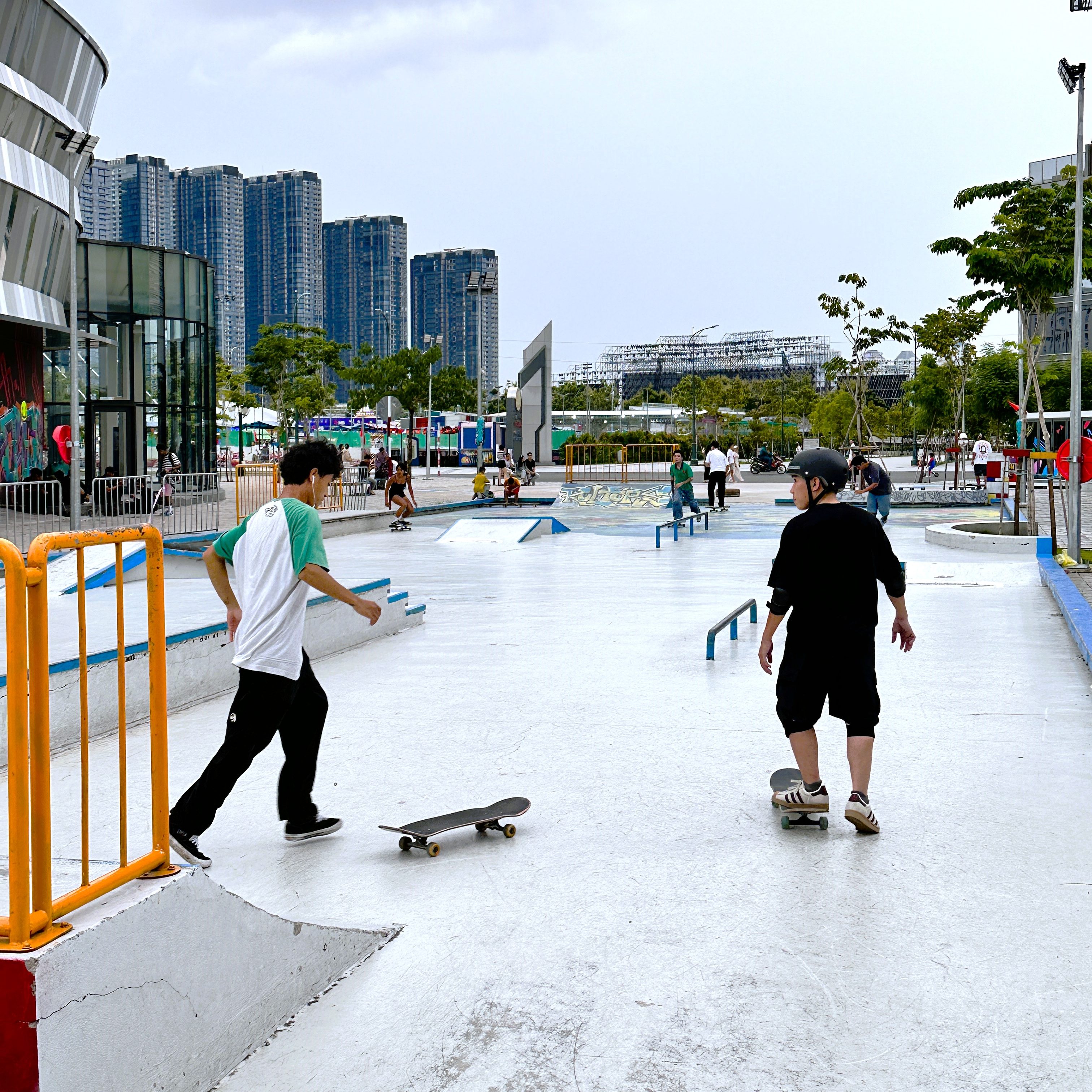
Saigon Riverside Park
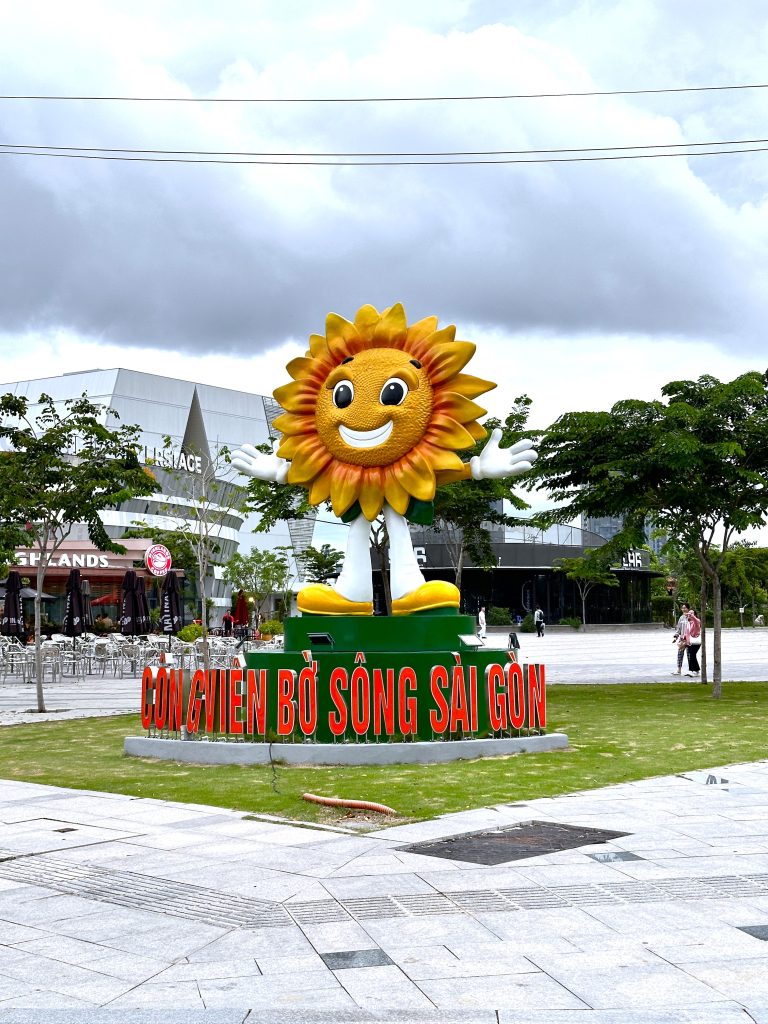
Saigon Riverside Park
The Saigon Port, which existed in the area where the park is located, boasts a history of over 150 years. In the past, it served as the largest trading port in the south, shipping agricultural products such as rice, coffee, and rubber to the world. As the city developed, the port’s function gradually shifted to Hiep Phuoc and Cut Lai.
It was transferred to a suburban port area called Cat Lai, and Saigon Port was reborn as "Saigon Riverside Park".
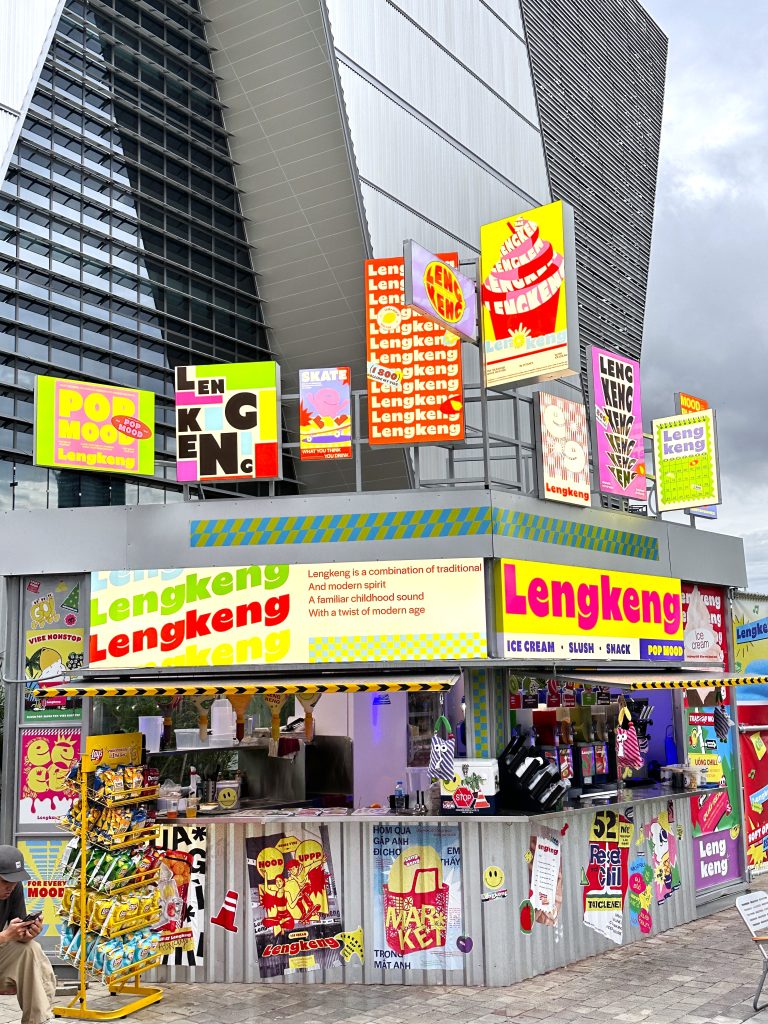
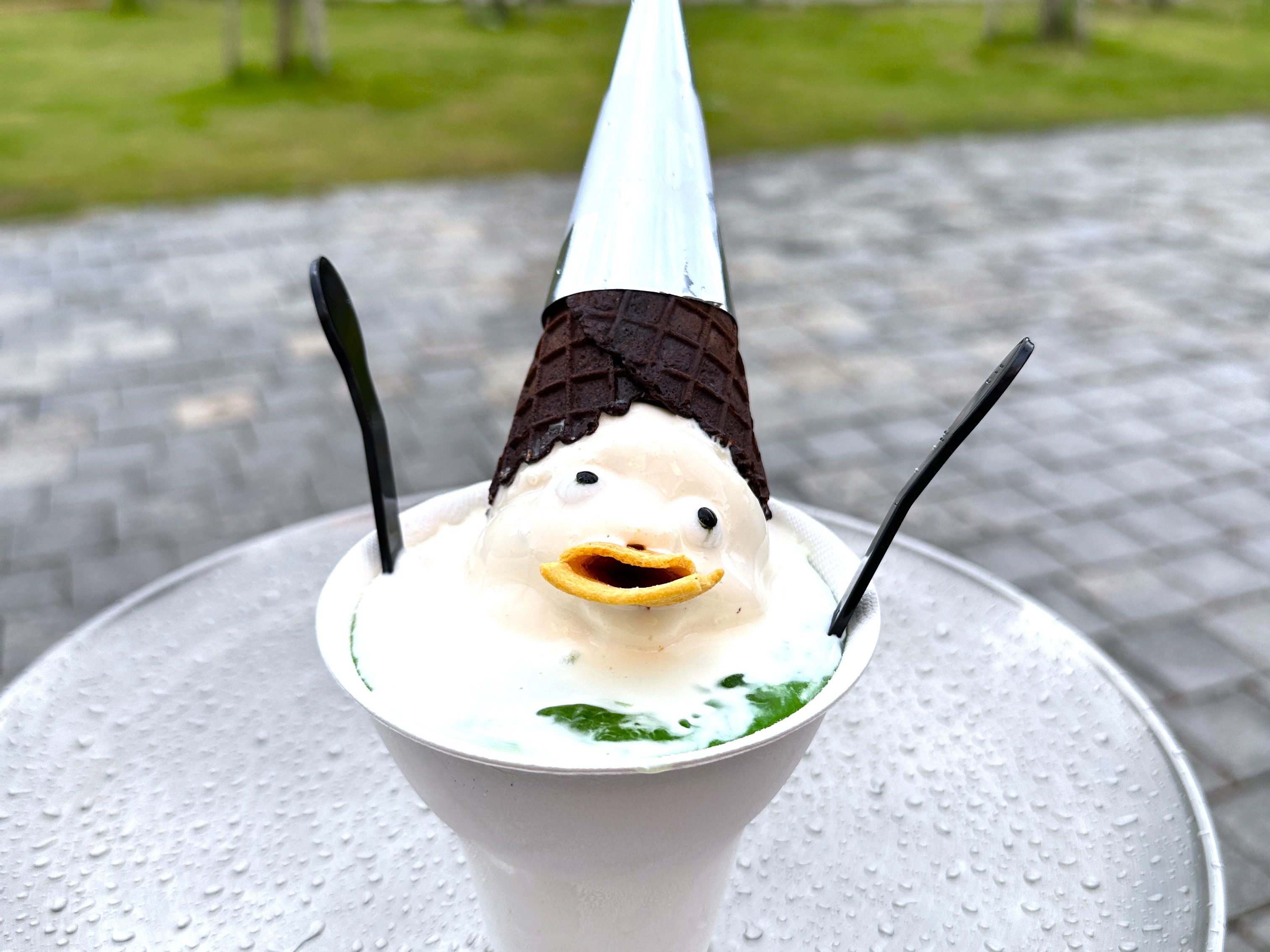
In this lush area, citizens and tourists often stroll along the riverbank. Sports and cultural events are also held frequently. In addition, trendy stores such as Leng Keng, which offers an area for skateboarding, and ice cream and shaved ice shops are opening one after another, making it a bustling place for young people to socialize.
Looking to the future of the city from bridges and ships
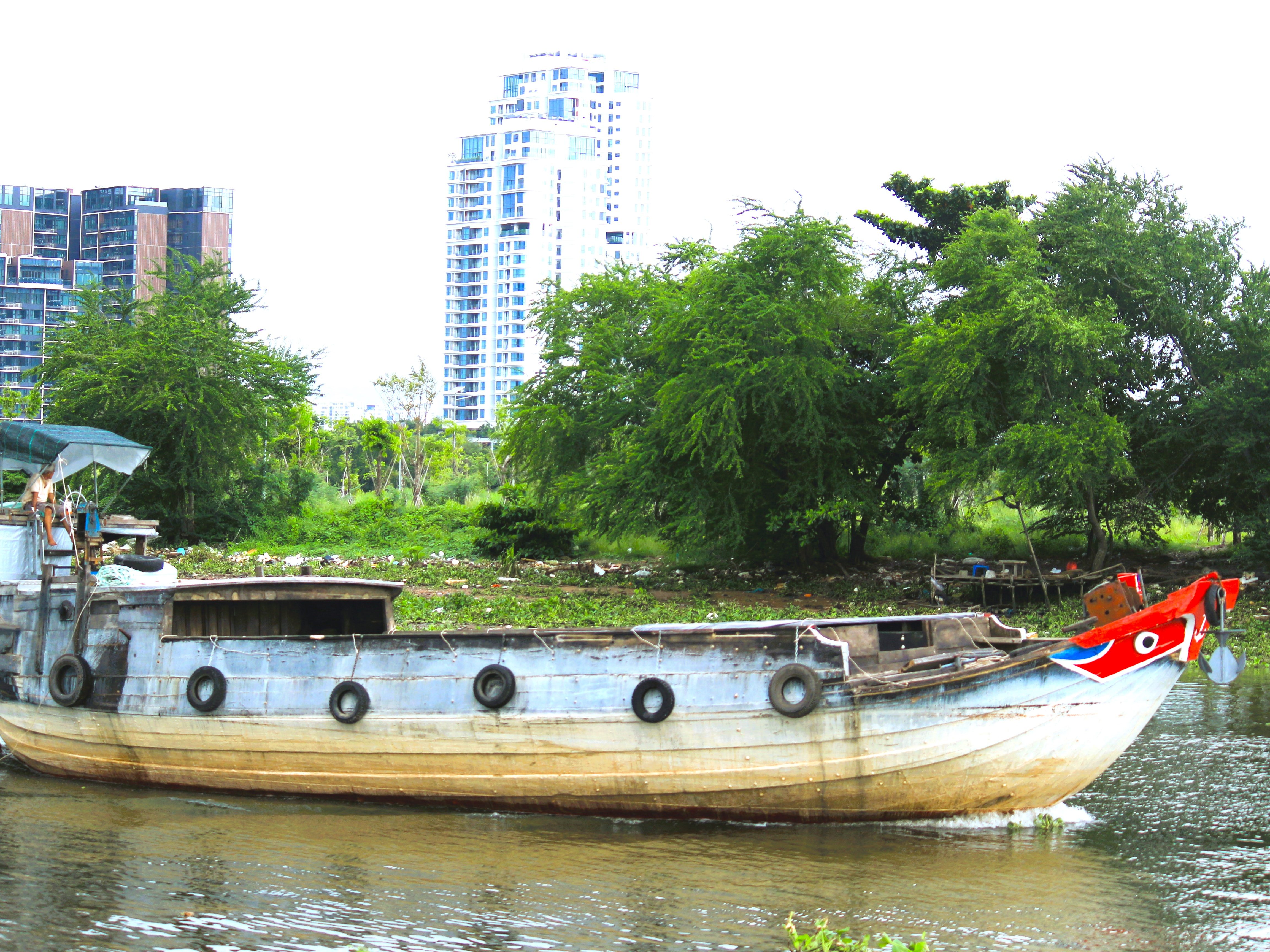
In Saigon River, many passenger and commercial ships ply and bustling life is observed, while stories of encounter, farewell, friendship and love are also being nurtured. Although the form may change with the passage of time, various stories are bound to be woven together in the future.
© John A. Hansen
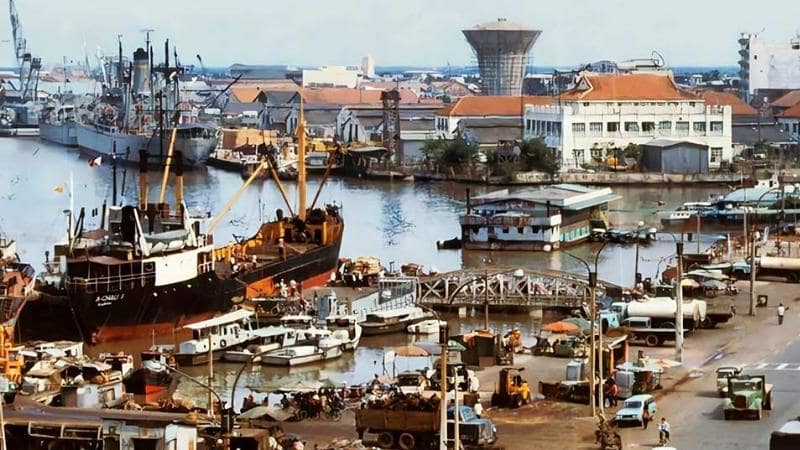
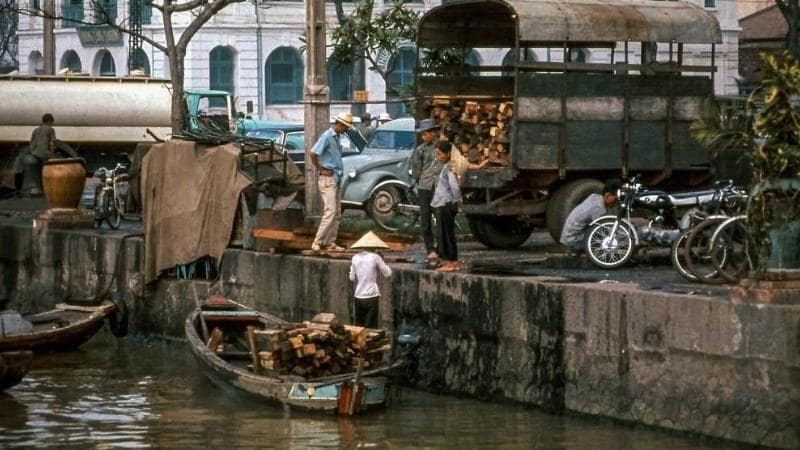
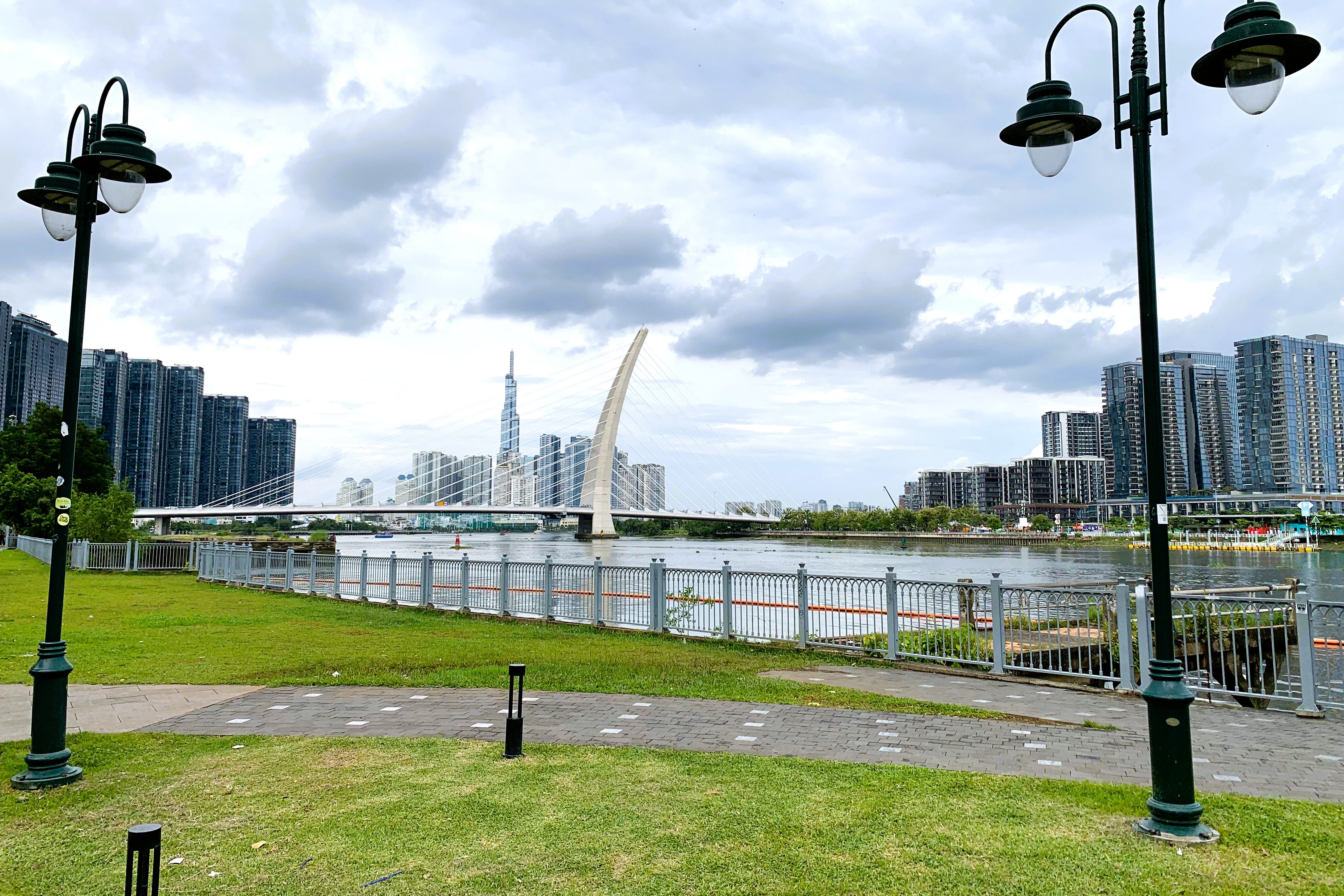
Bakudan Pier
Ben Bach Dang
After the end of the Vietnam War, the pier was used for pleasure boats to dock and for water-based restaurants to operate. Over the years, this unique landscape has become less bustling, giving way to a calm landscape with greenery and walking paths.
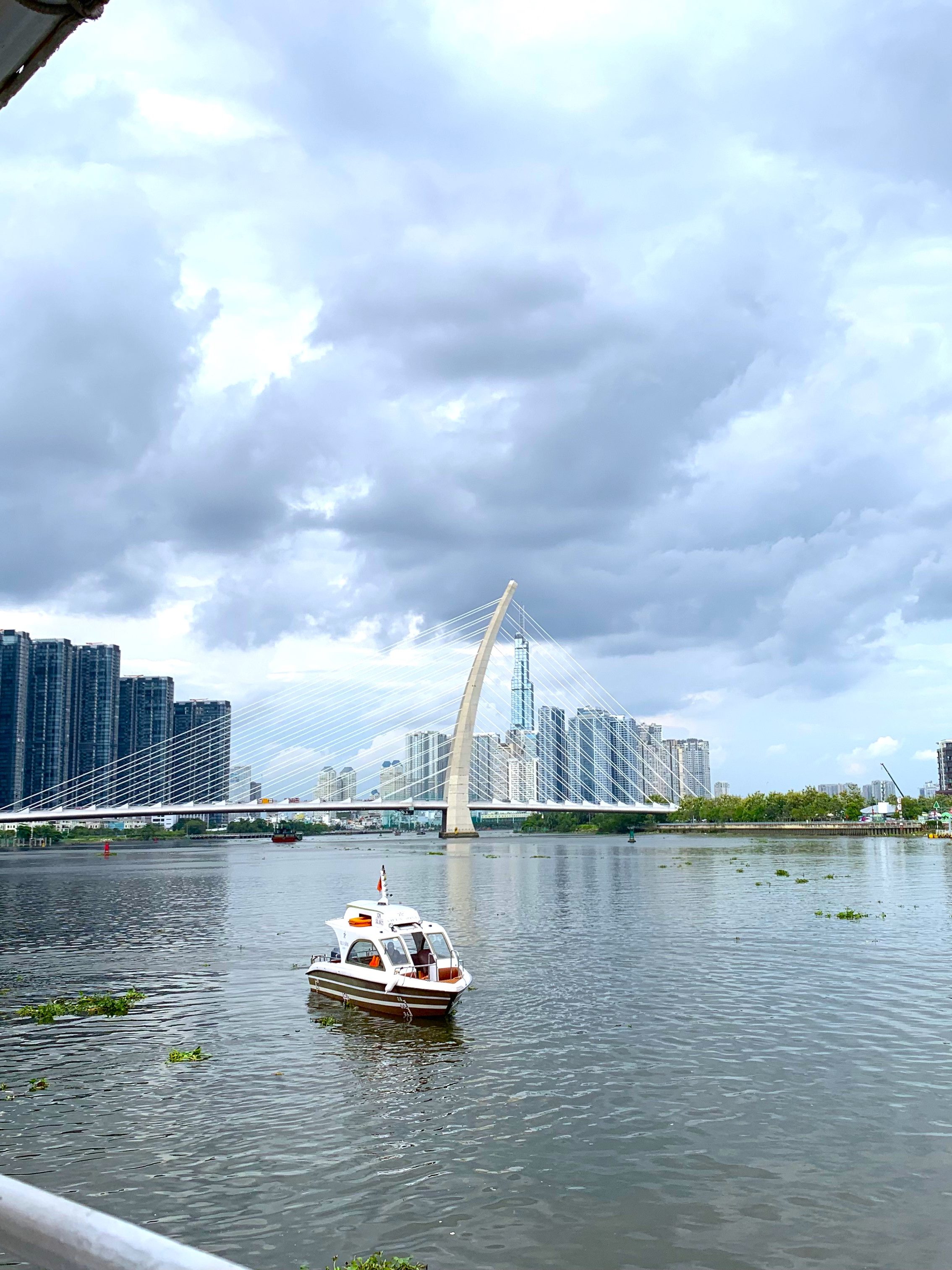
However, in recent years it has once again gained attention. For example, water buses have been introduced to connect Ho Chi Minh City with Thu Duc City, Binh An City, and Linh Dong City. This new form of water transportation was a civilized attempt to envision sustainable urban development. Coupled with this, diverse riverside experiences such as cruise ships and Water Go have become available, making the Saigon River the face of the city’s tourism.
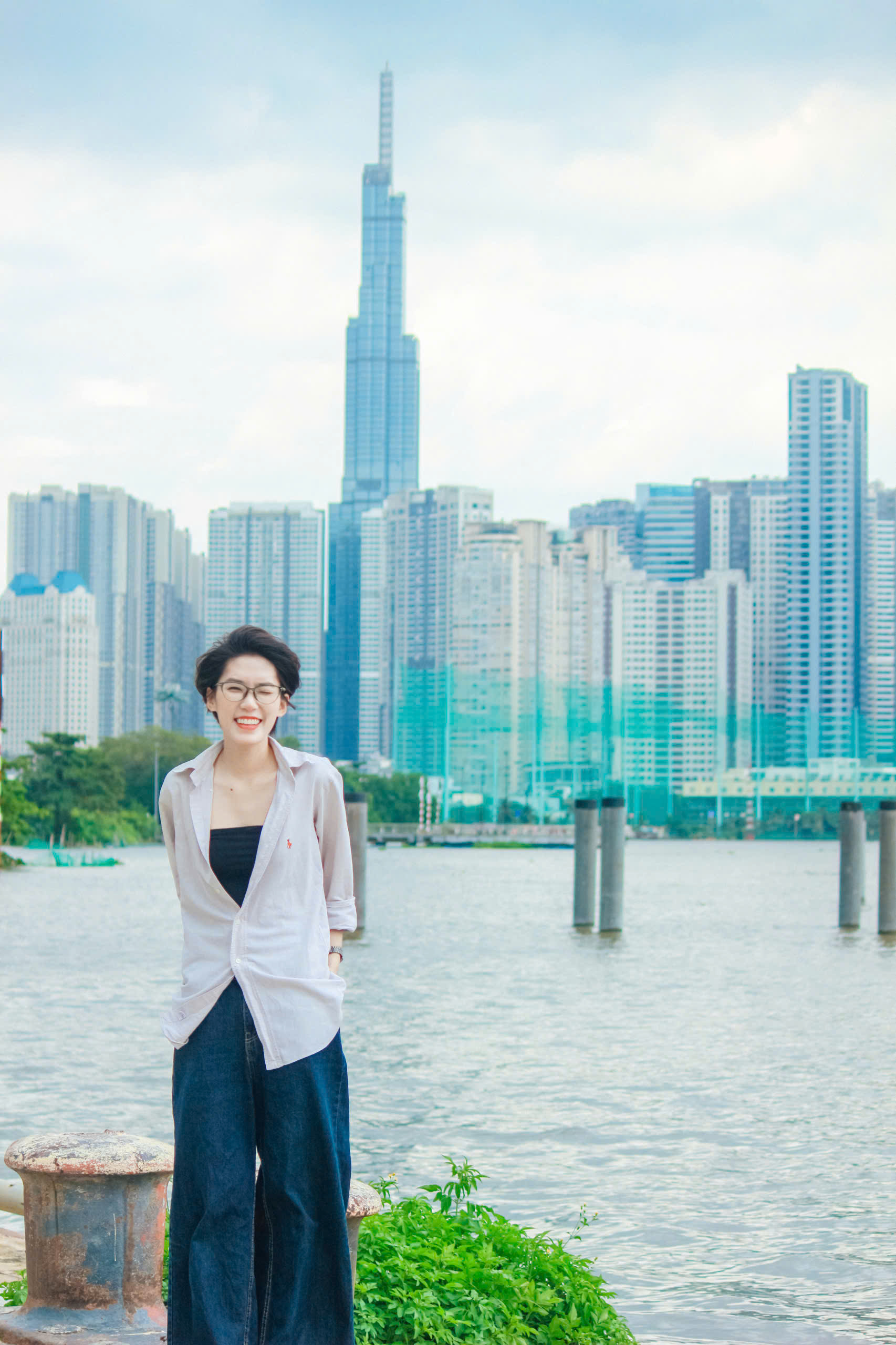
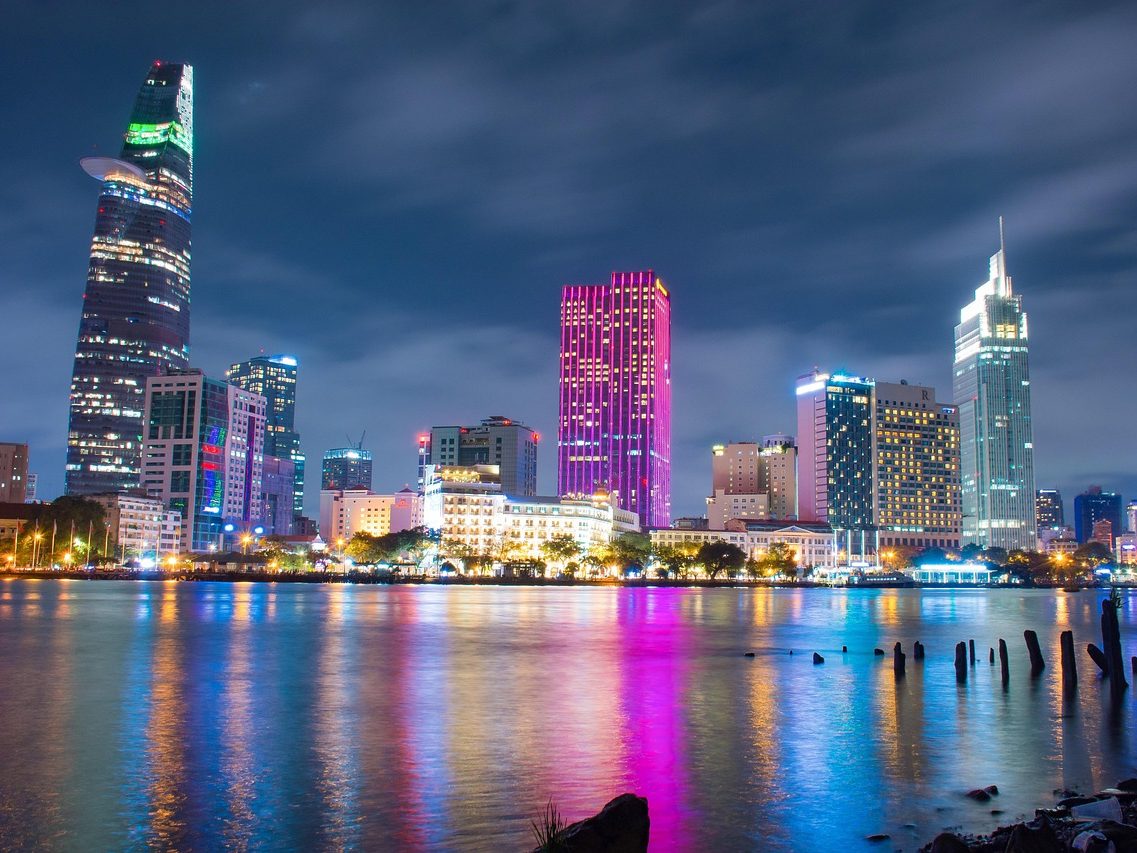
As night falls, the lights that shine on the water from the high-rise buildings Landmark 81 and Bitexco, as well as the shores of the new urban development area of Thu Thiem, create a visual representation of the dynamism and glamour of the city. The remnants of the silhouettes of ships that once sailed with steam are now transformed into water buses that calmly move through the waves, connecting the story from the dream of independence with the hope for sustainable development.
Watergo
Water Go
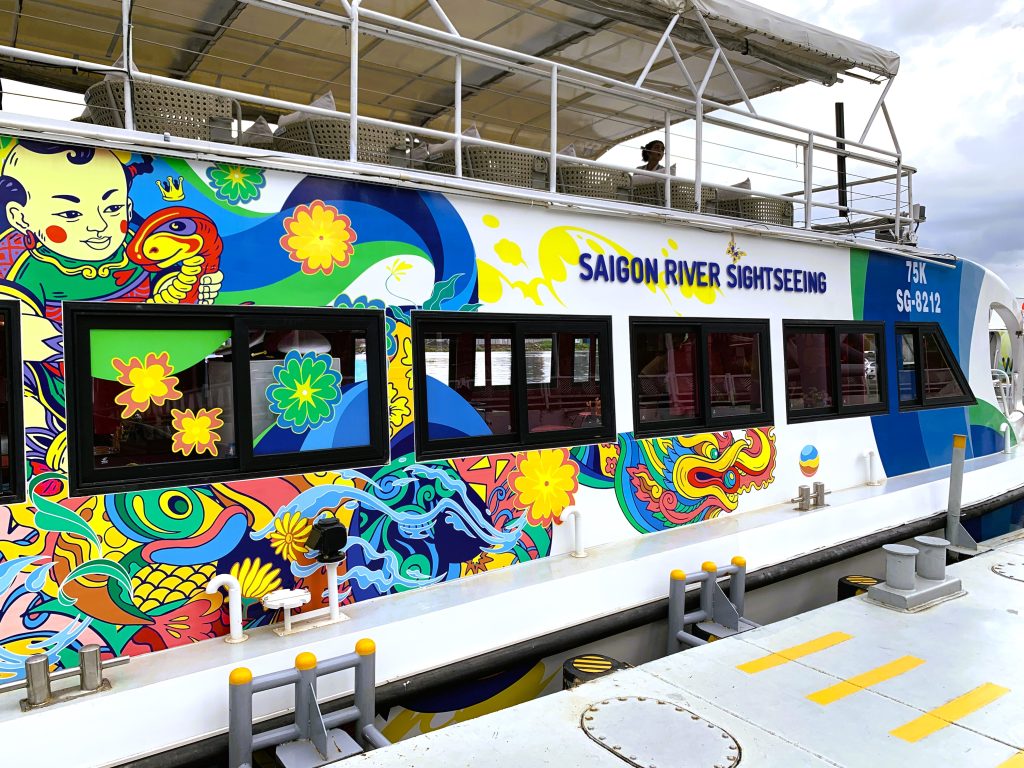
The two-story sightseeing riverboat, which debuted in December 2023, is expanding the new ways to enjoy Saigon. As you leisurely cruise along the river, you can see one after another of the city’s iconic sights, such as Ben Nha Rong Pier, Bitexco, and Landmark 81.
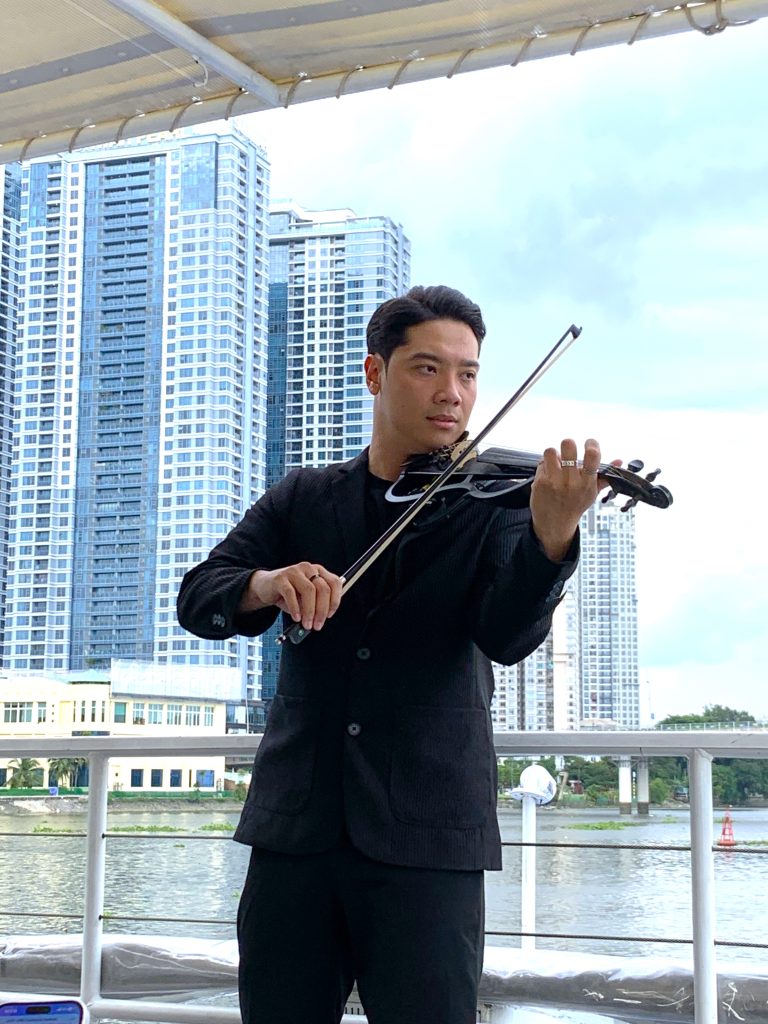
The journey takes about 45 minutes. Especially at dusk or at night, the lights of the city reflected on the river create a spectacular sight that captivates locals and travelers alike. There are relatively frequent departures of 6 to 9 flights per day, allowing for a short but intense experience. The seats are available in three types: the general "Cabin Seat" (179,000 VND), the "River Seat" (239,000 VND) near the windows for a sense of wind, and the "Sky Seat" (339,000 VND) with a panoramic view from the boat's roof. Drinks are also provided and music is played, making for a sophisticated experience.
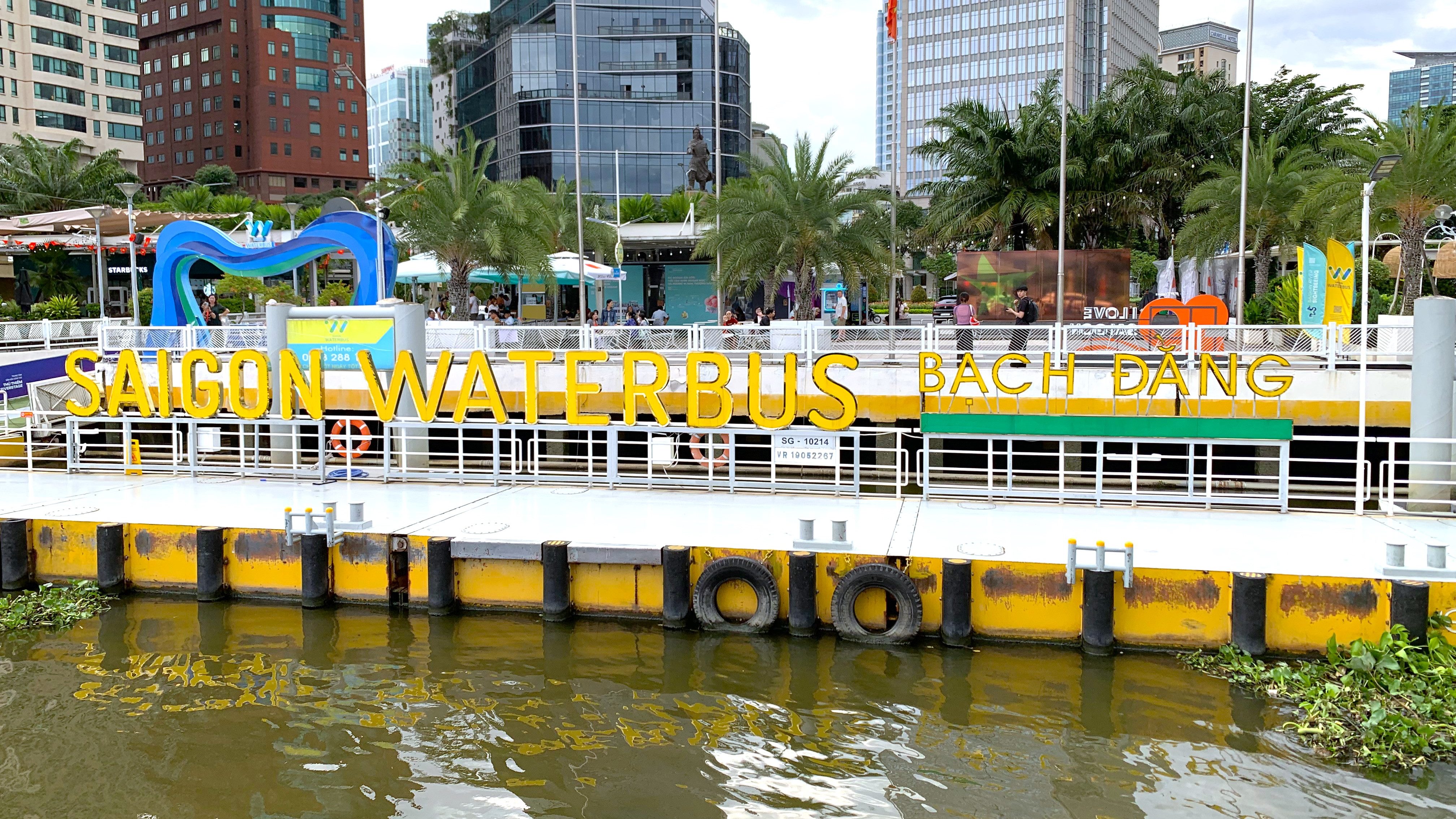
Address: 10B Ton Duc Thang, Sai Gon, HCMC
Yagi: 1900-636-978
Email: booking@saigonwatergo.com
URL: https://saigonriversightseeing.com