The Ha Noi Five Citadel Cultural Railway, which opened on August 19, 2025, starts from Hanoi Station and travels to Tu Son while passing by quaint stations such as Long Bien and Gia Lam. The two-story train interior features a space inspired by the gates of the former capital of Thang Long, where the past and present blend beautifully. As you gaze out the spacious windows at the cityscape and green scenery, listening to soothing music and traditional performances, the journey itself becomes a time of relaxation and deep contemplation.
Basic information to keep in mind before departure
To fully experience the journey by train, you should take a moment to learn about the stories that this train carries. The ancient capital that once existed in the present-day city of Hanoi
The theme of the "five city gates" symbolizing Tangron brings depth to the journey as you learn about the history of the line and the characteristics of the vehicles.
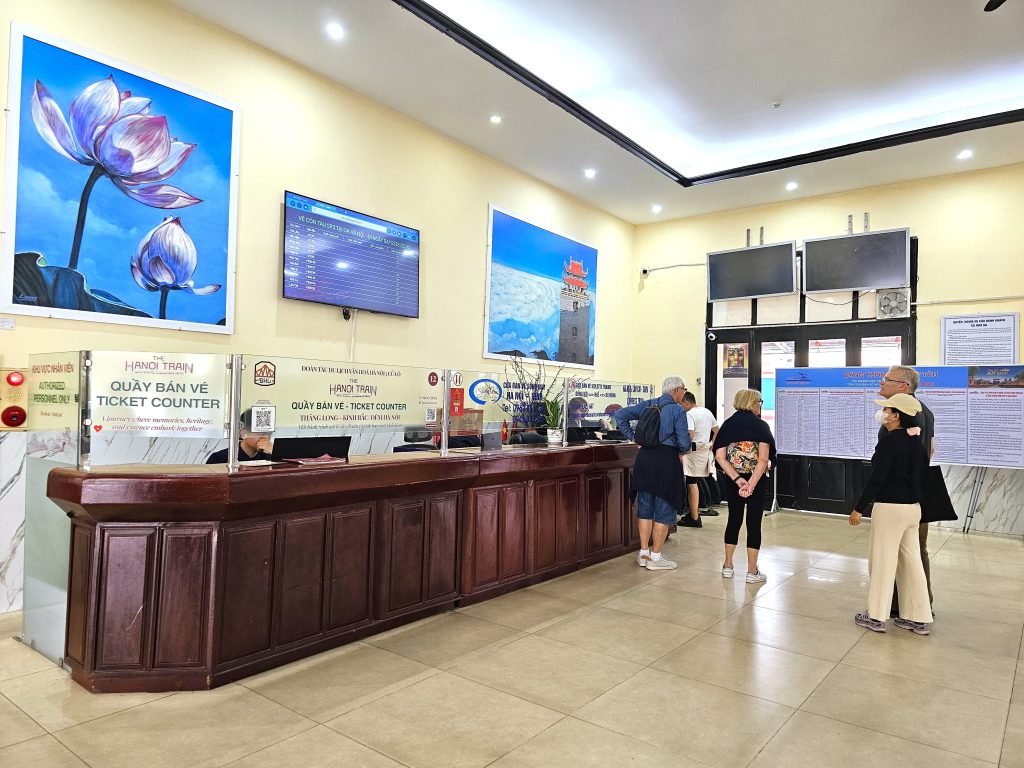
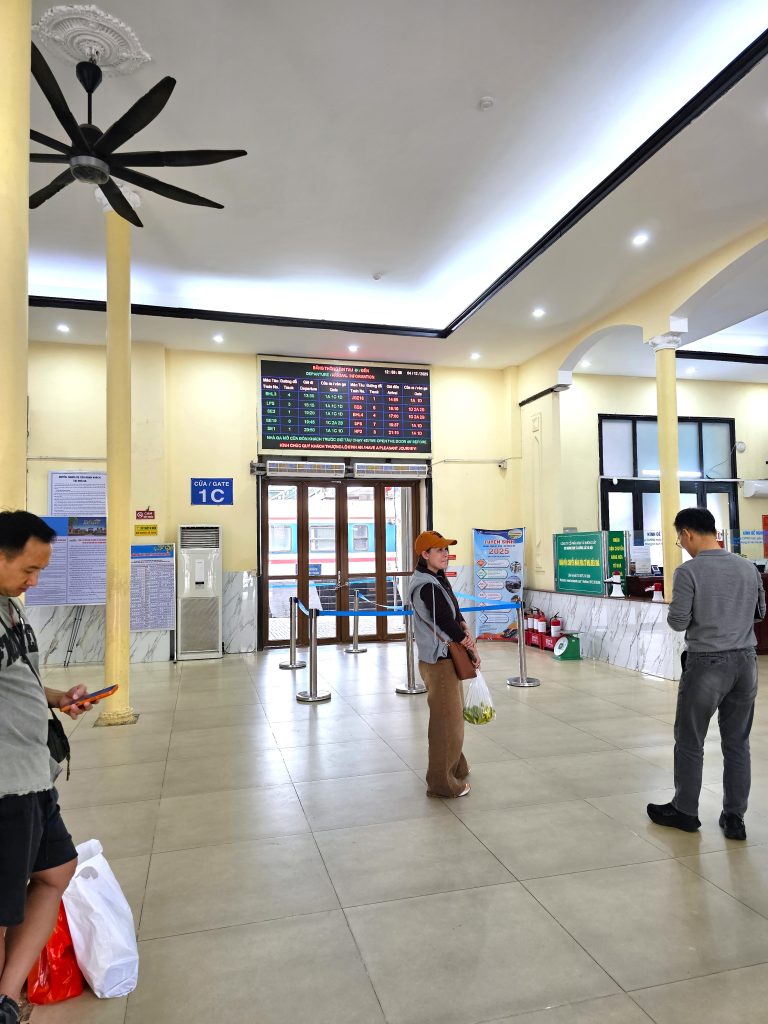
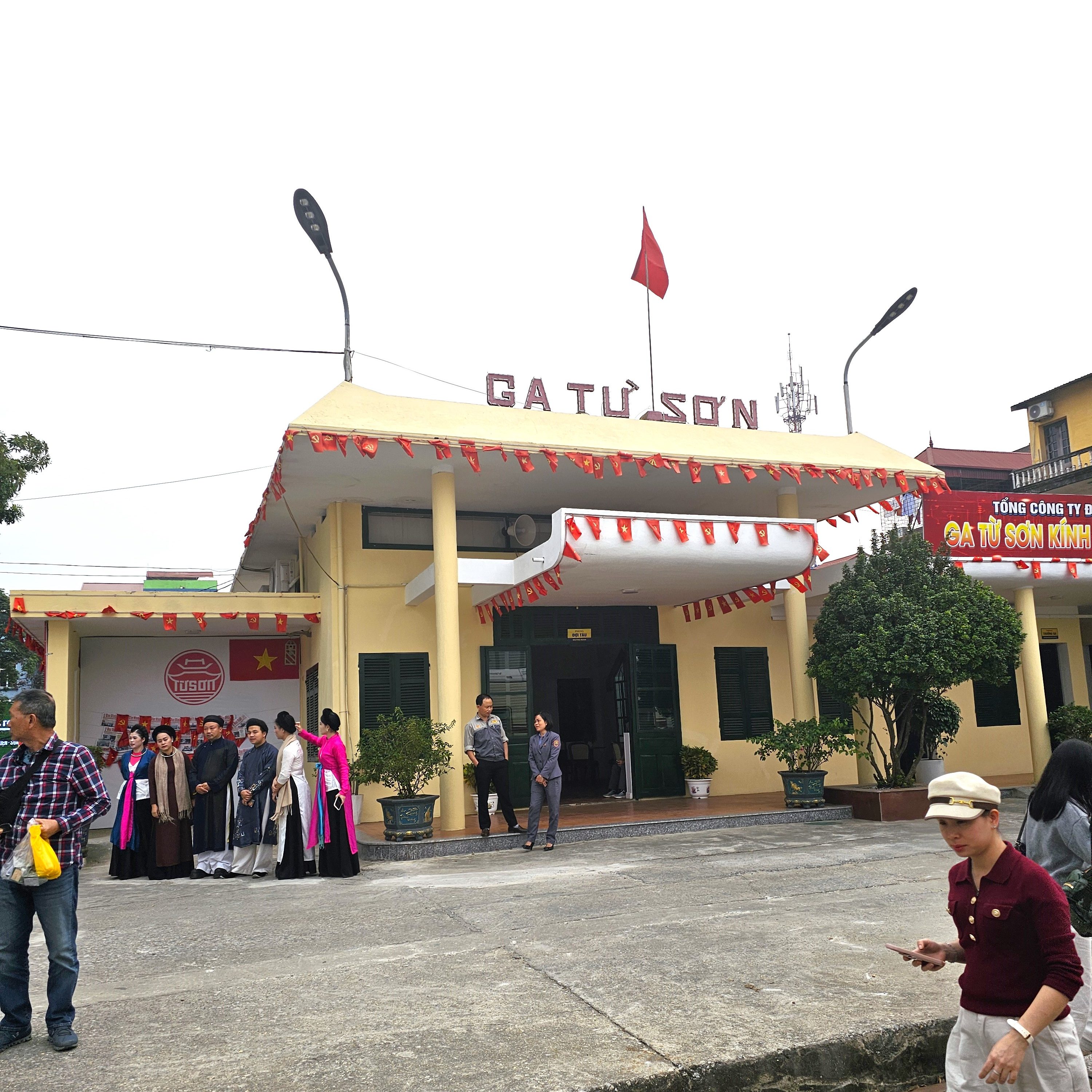
This train is a round-trip route that takes half a day to travel from Hanoi Station to Tu Son Station in Bac Ninh Province. Upon arriving at Tu Son Station, you will transfer to a shuttle bus based on the train number you were on, and then head to Do Temple located about 2 km from the station. The visit and tour take about an hour. After that, you will return to Tu Son Station by bus and take the return train. On the return journey, you will make a stop at Long Bien Station for about 20 minutes, giving you time to enjoy taking photos with a dedicated vehicle for check-in purposes.
The price is VND 550,000 per person, VND 650,000 for 2nd-row seats, and VND 750,000 for VIP seats. VIP tickets are specially designed to allow visitors to move freely between the first and second rows, making them ideal for travelers seeking a more comfortable onboard experience. The service runs from 8:00 to 11:30 and in a two-part schedule from 13:30 to 17:00, making it easy to participate on a day trip.
Telephone: 1900-2695
URL: https://hanoitrain.vn
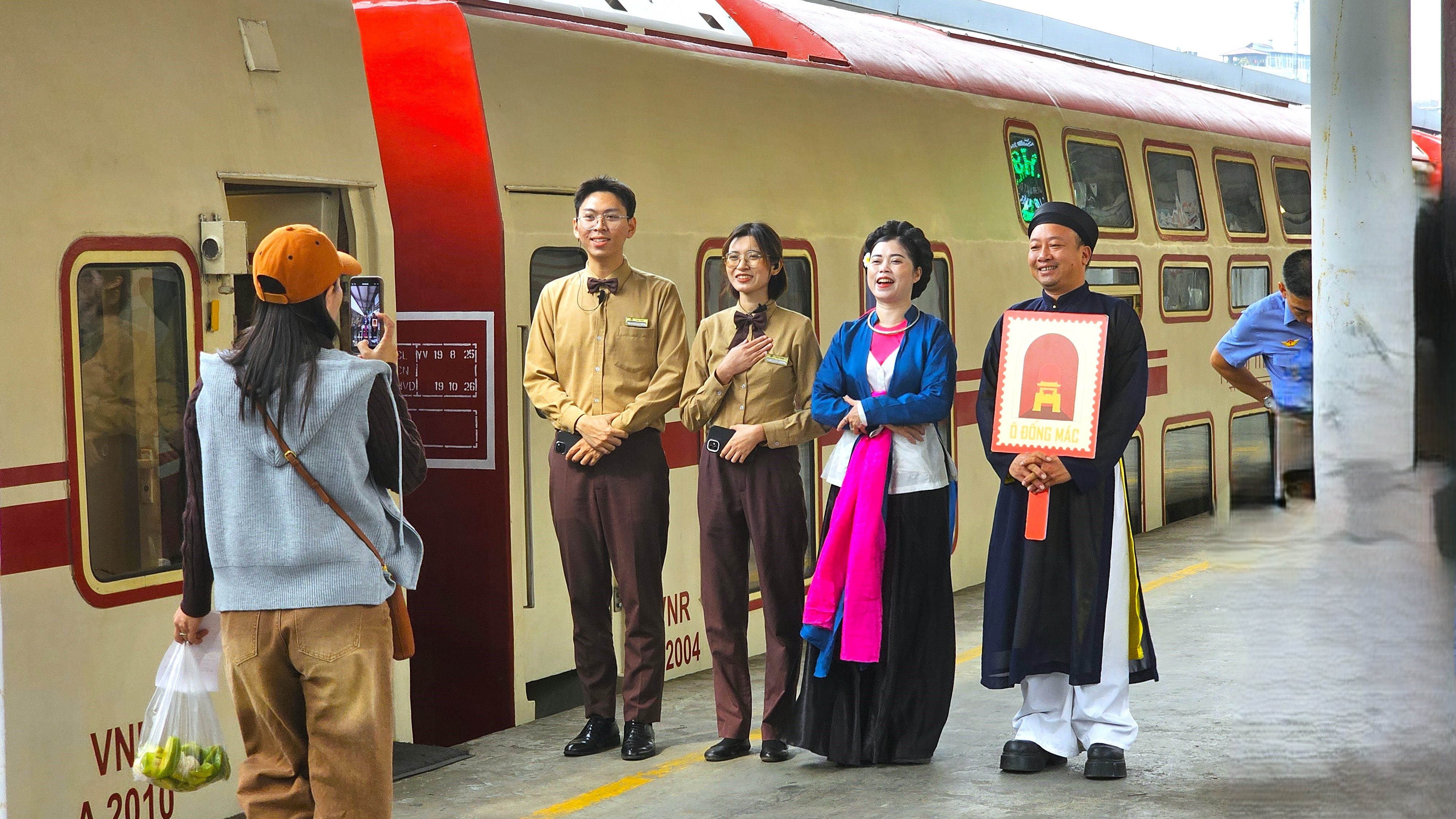
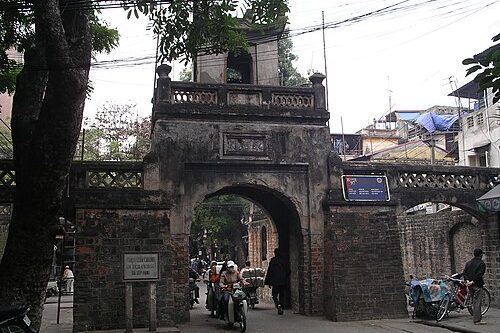
The valuable castle gate ruins of "Oakantunion" that remain in Hanoi
From around 1010 to the 18th and 19th centuries, Hanoi was a castle town, with walls built to prevent foreign invaders from entering. Many gates were built at the entrances of the city walls. As the times changed, the walls disappeared, but the five gates—Oak An Cuong (O Quan Chuong), O Cau Den (O Cau Den), O Dong Mac (O Dong Mac), O Cau Giay (O Cau Giay), and O Cho Dua (O Cho Dua)—remained as symbols of Hanoi’s original landscape. The five gates watched over the flow of trade and commerce, served as a guard for the night, and kept the city’s history and life quietly in check. They are like time markers that quietly observe the history and life of the city.
Using the story behind these five gatehouses as a guide, the train adopts a design concept inspired by Hanoi’s ancient streets. Just as people once set out on journeys through these gates, the vehicle embodies a combination of respect for history and a sense of journey, with passengers stepping out into new landscapes.
The story of the city and its culture told by vehicles bearing the name of the gate
The charm of the Hanoi Five Citadel Train lies not only in the fact that it can be used as a means of transportation, but also in the special world view that is breathed into each vehicle, with different stories and aesthetic sensibilities. Just by getting on, you will begin an experience that allows you to deeply experience Hanoi’s history and culture.

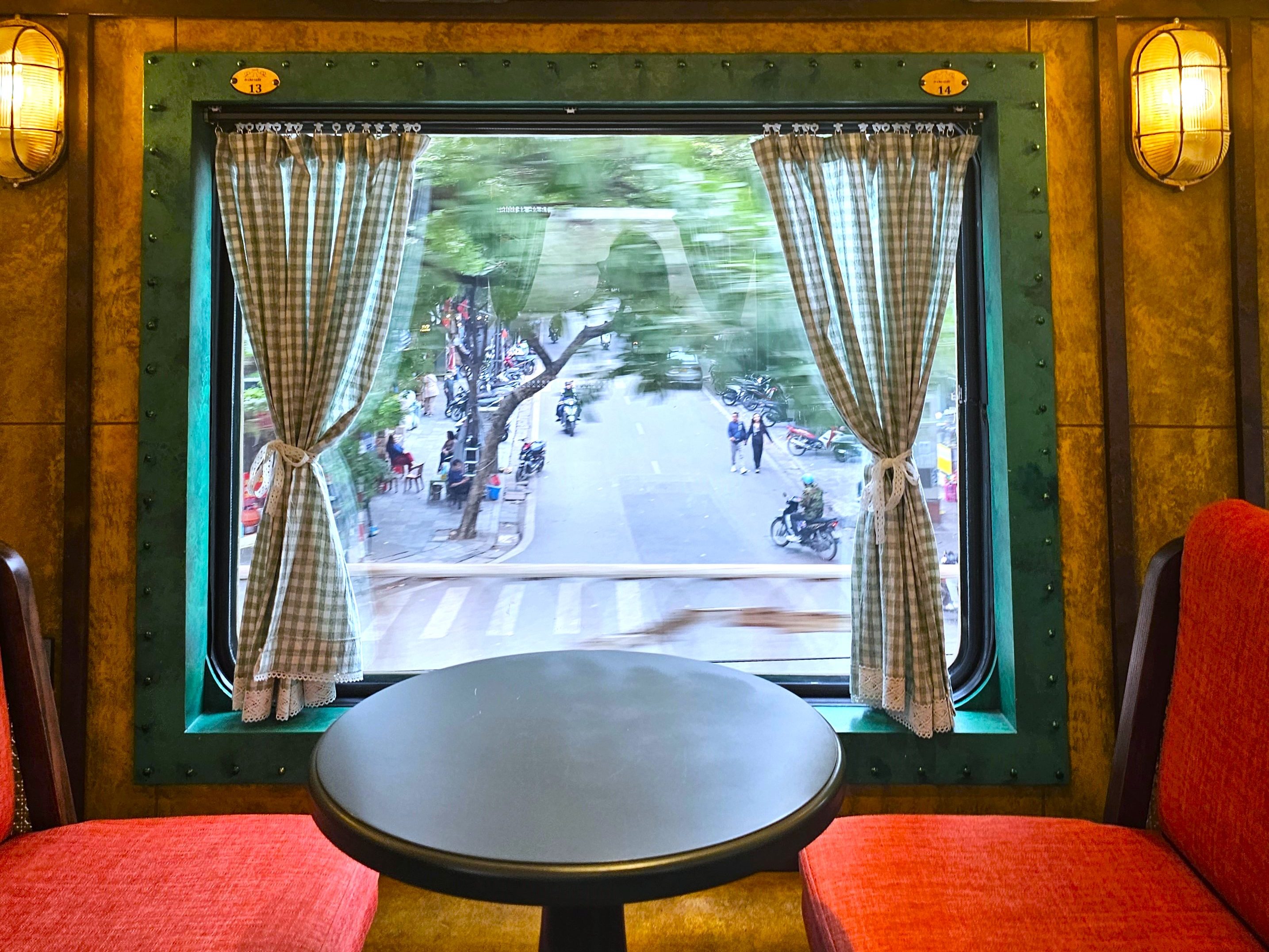
The train is a two-story train. Each car is named after a castle gate, creating a simple and nostalgic atmosphere reminiscent of the rationing era. The decorations at “Oakantwon” and “Okauzai” feature motifs inspired by the Lonbian Bridge, quietly reflecting the scenery of the ancient capital. “Oceans” stands out for its neoclassical elegance, while “Odonmak” conveys the atmosphere of old collective housing and private paintings, conveying the temperature of the folk culture.
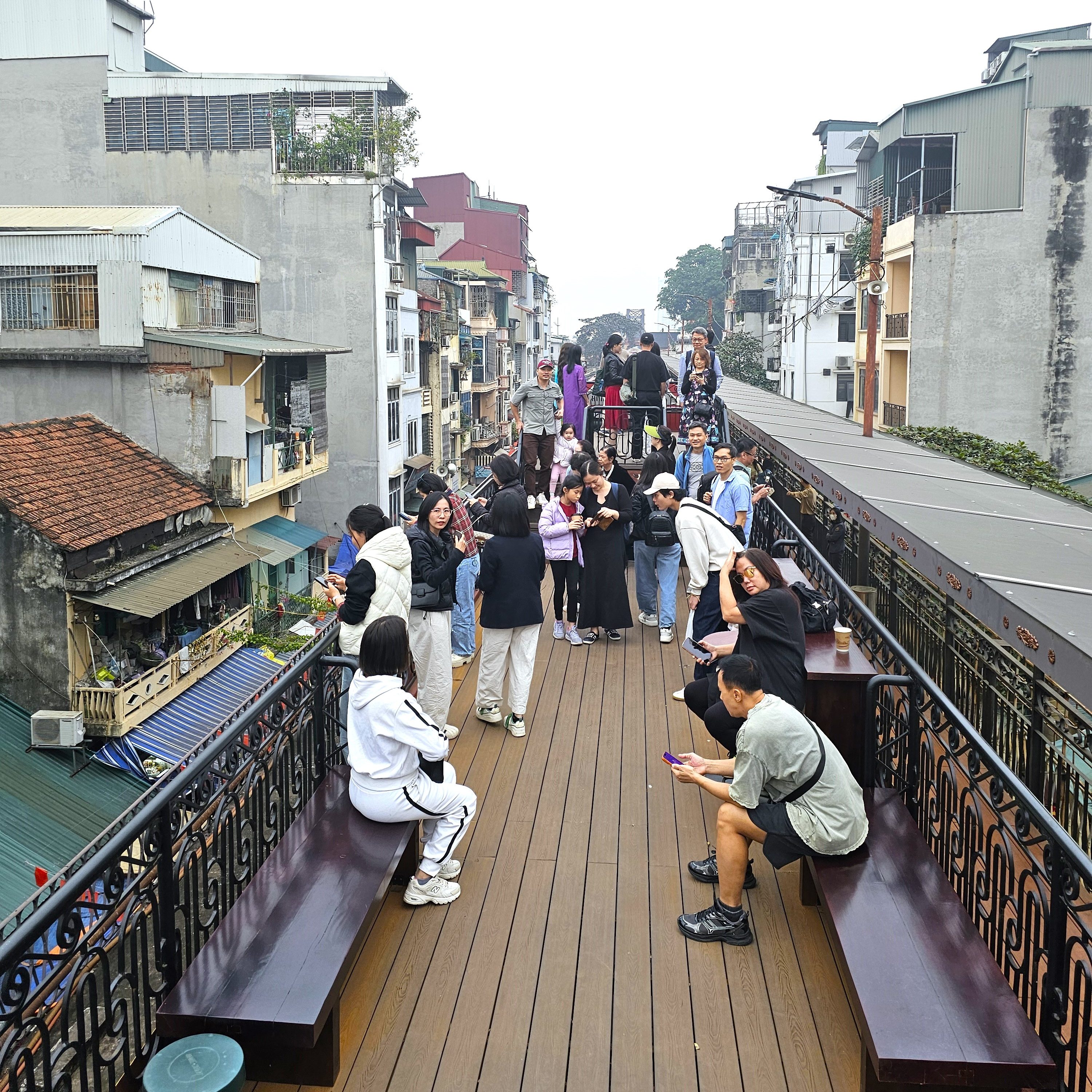
Additionally, the “check-in vehicle” features large windows, creating an open space where you can enjoy taking photos against the backdrop of the cityscape, beautifully enhancing your travel memories. The air-conditioned two-story structure, comfortable seats, and the stories each vehicle carries bring the culture to life, transforming it into a moment of experiencing culture.
During the train ride, when passing through Cafe Street, Phung Hung Street, and Long Bien Bridge, audio announcements will be played. The best view from the second-floor seats is when you reach Long Bien Bridge.
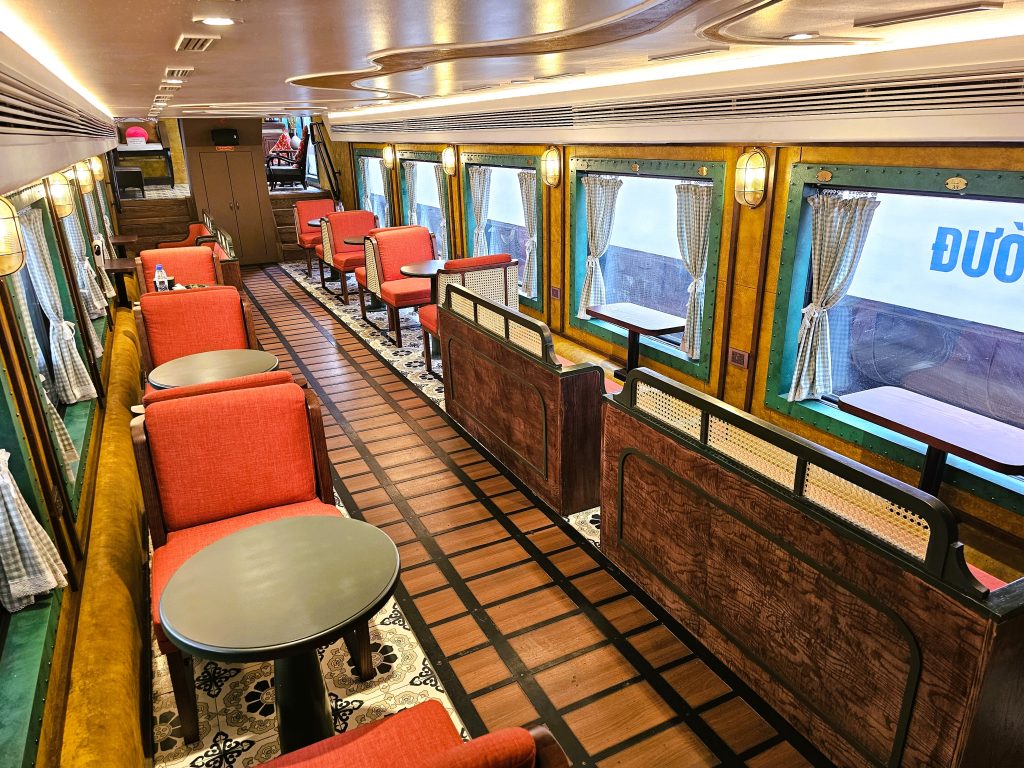
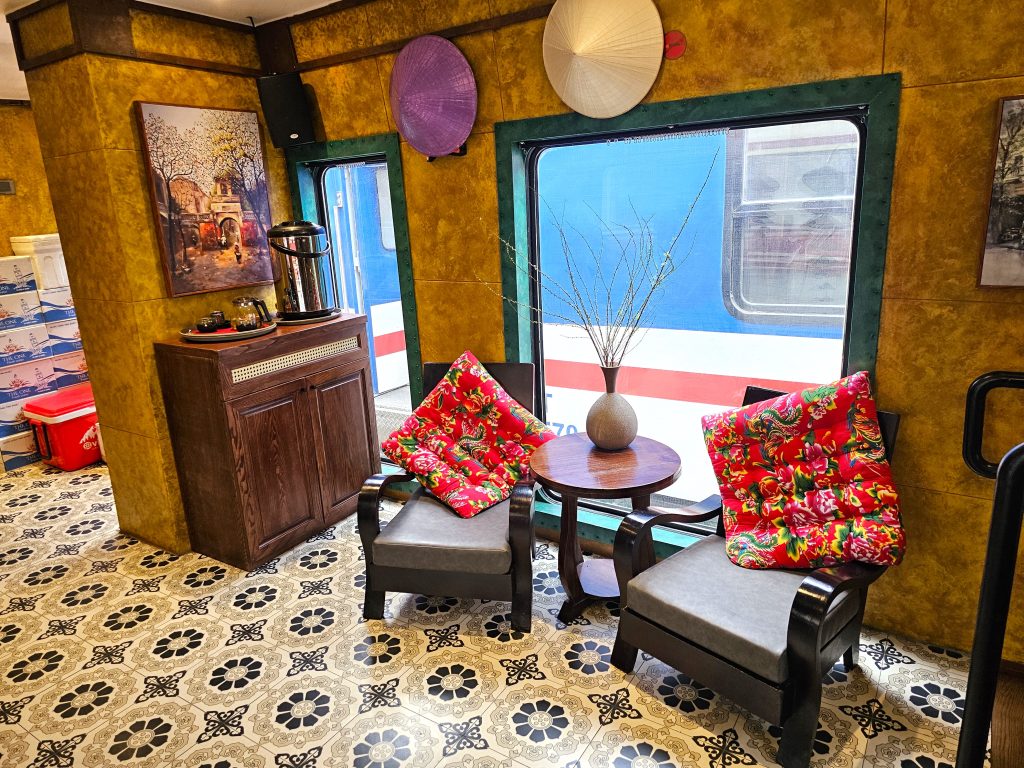
Relaxing space to enjoy the scenery
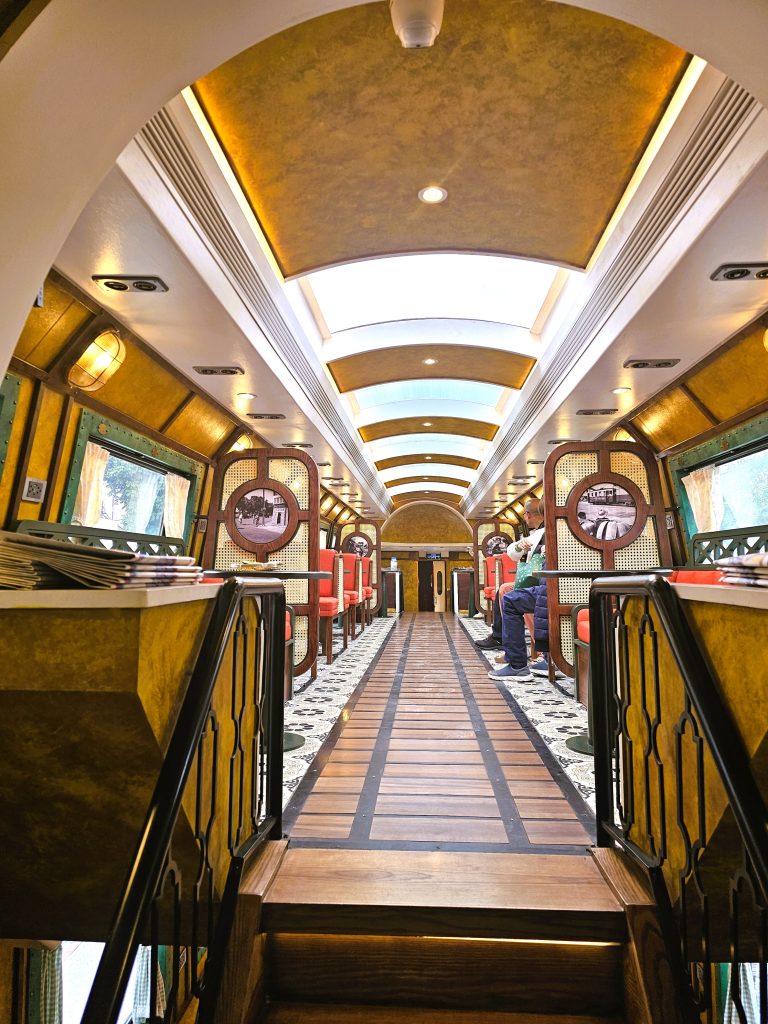
The diverse charms of Hanoi to enjoy on the train
As the train begins its journey, the scenery of Hanoi that unfolds before the windows, the art displayed in the carriages, the soulful ethnic music, and the delicious cuisine all enrich the journey. Even during the travel time, you can experience the very culture of Hanoi.
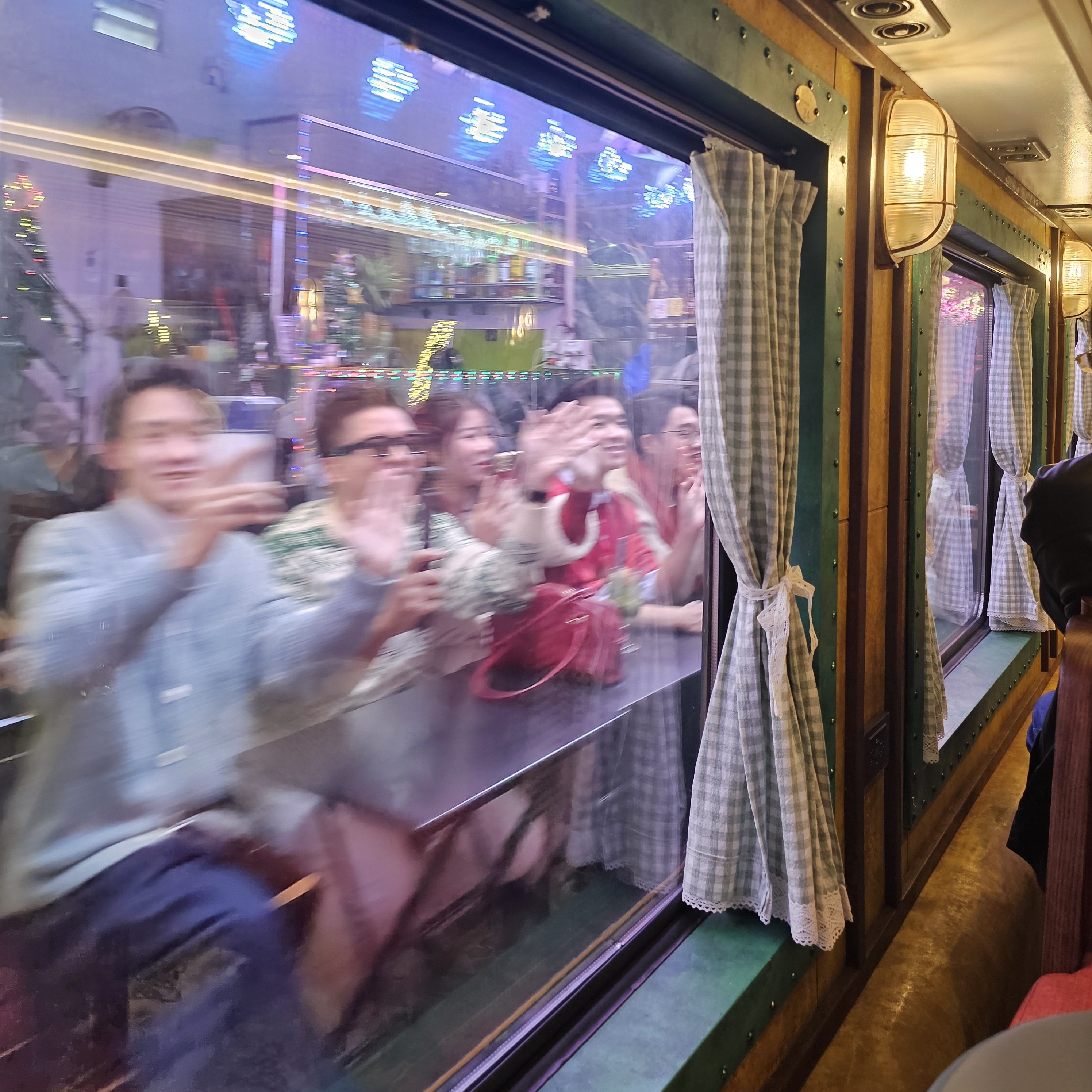
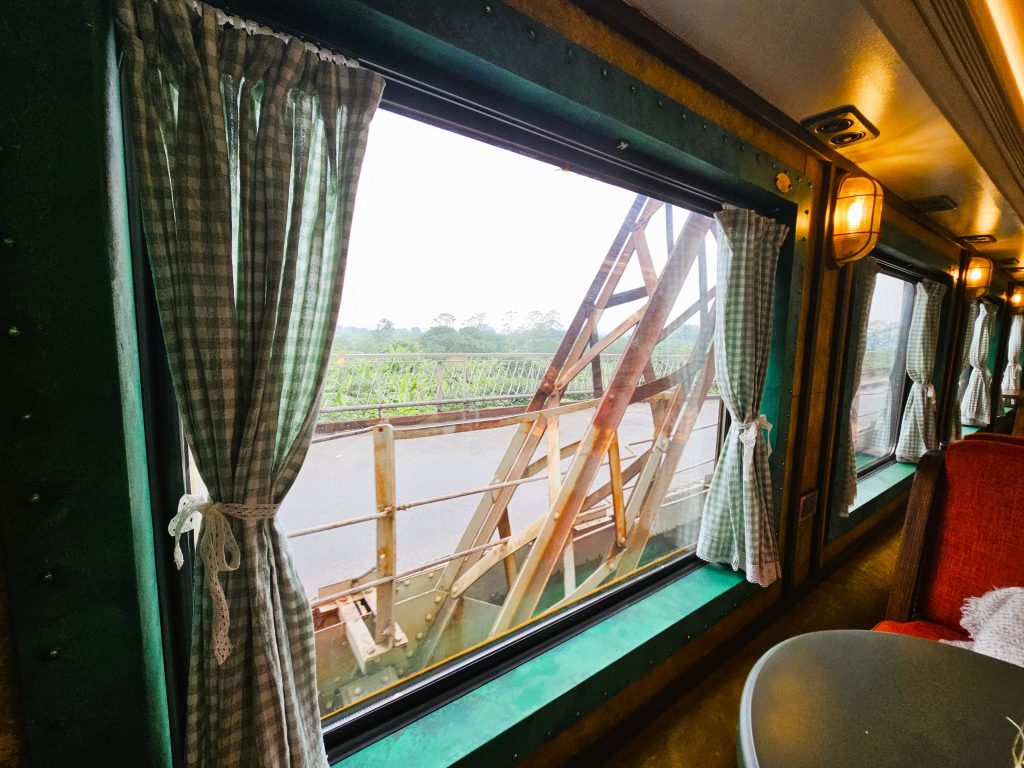
Through the train’s windows, the bustling cityscape of Hanoi and the daily lives of the people can be seen.
The train travels through the city center, first passing through a neighborhood with a dense concentration of residential buildings on both sides of the tracks.
Pass through Rayn Street and head towards Longbien Bridge. Cars changing in front of you
From the view through the windows, you can feel the unique urban landscape of Hanoi.
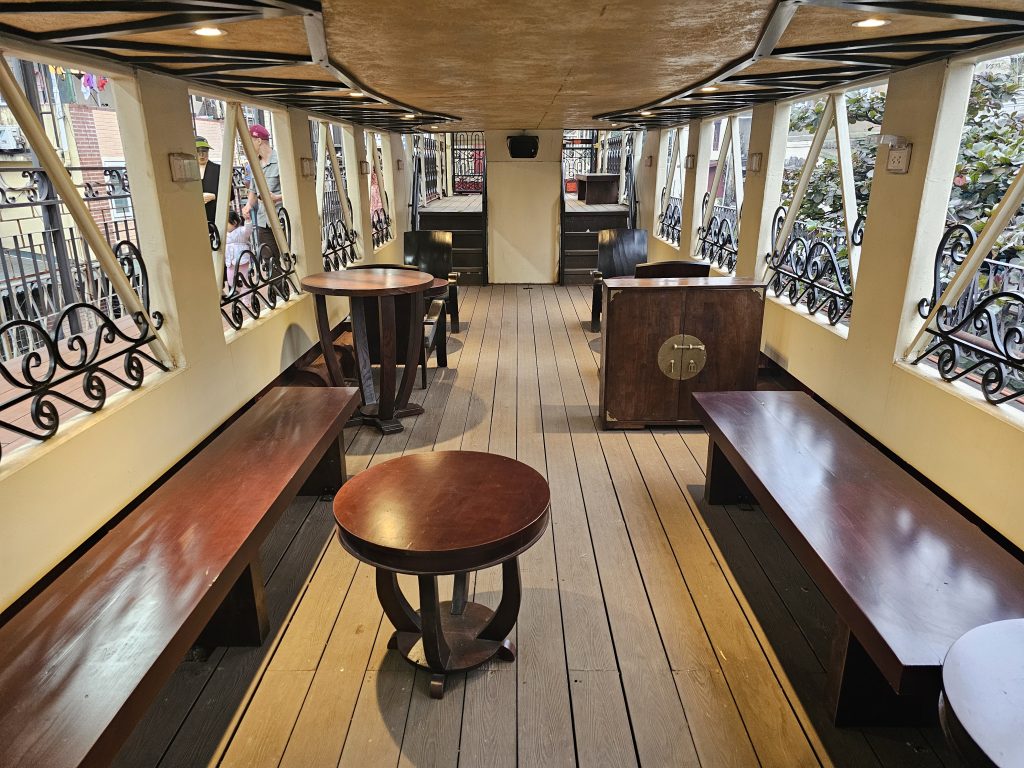
What makes the train especially appealing is the check-in car. Inspired by the Lonbien Bridge, this special vehicle features an open and airy design. The two-story space is well-balanced with photo spots and benches, allowing you to take commemorative photos in your own unique style. When standing on the deck, the panorama of Hanoi and the surrounding countryside unfolds before you, allowing you to enjoy a train journey with a sense of relaxation and the unique time of traveling by train.


Traditional performing arts
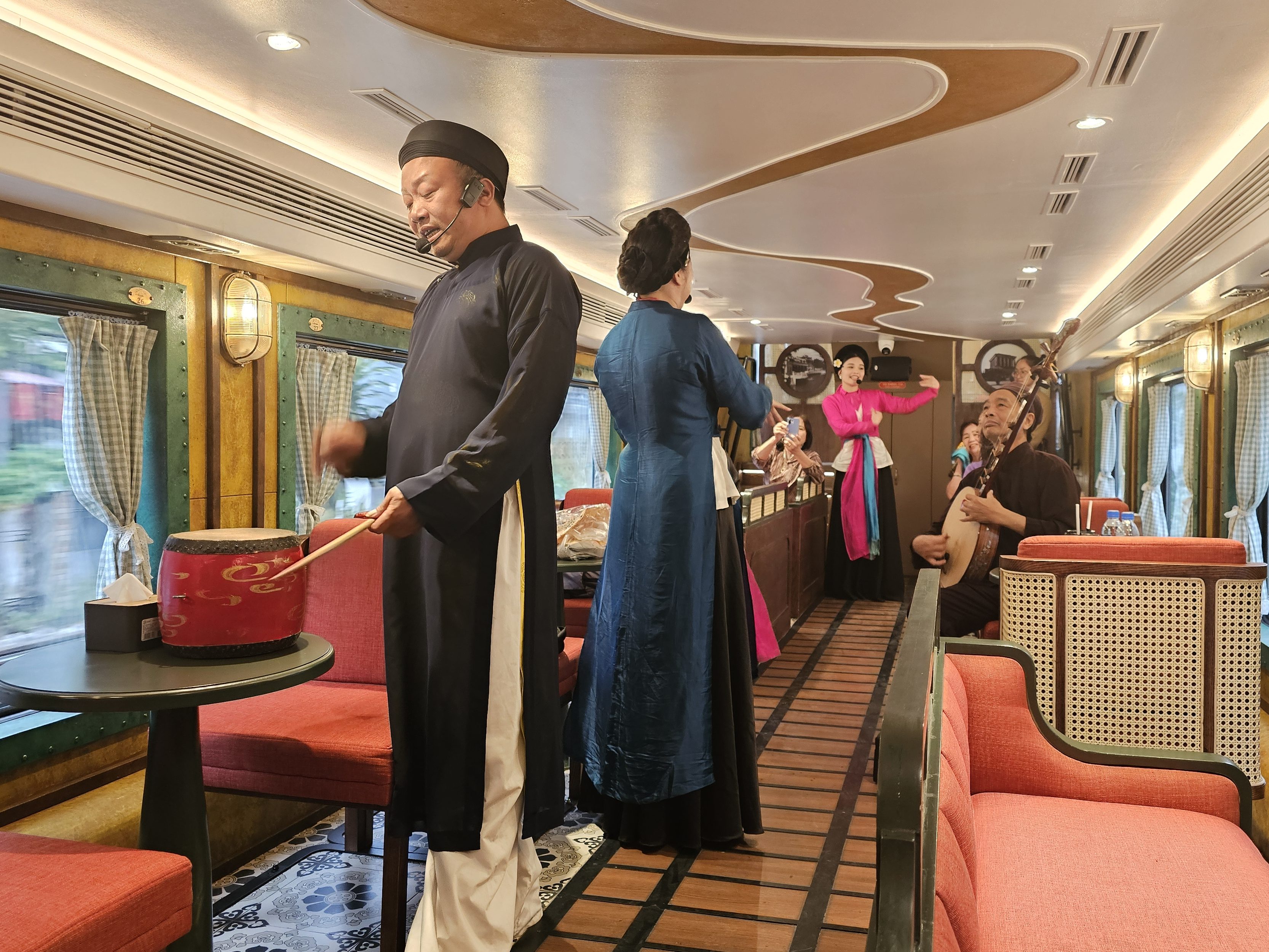
In addition to enjoying the scenery from the window, cultural experiences are also available that allow you to get close to traditional performing arts. On board, performances of Quan Ho, the northern Vietnamese folk song representative, as well as the popular folk songs Xam and Cheo will also be presented. Audience members are also welcome to interact with the performers.
Traditional sweets
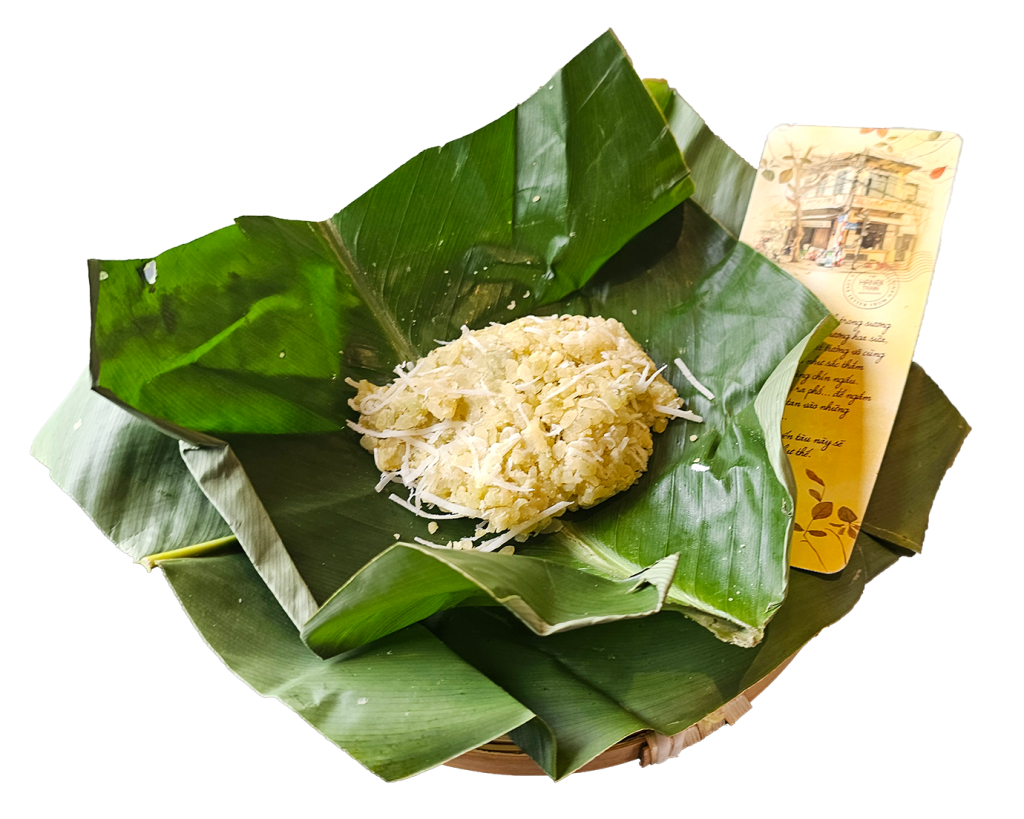

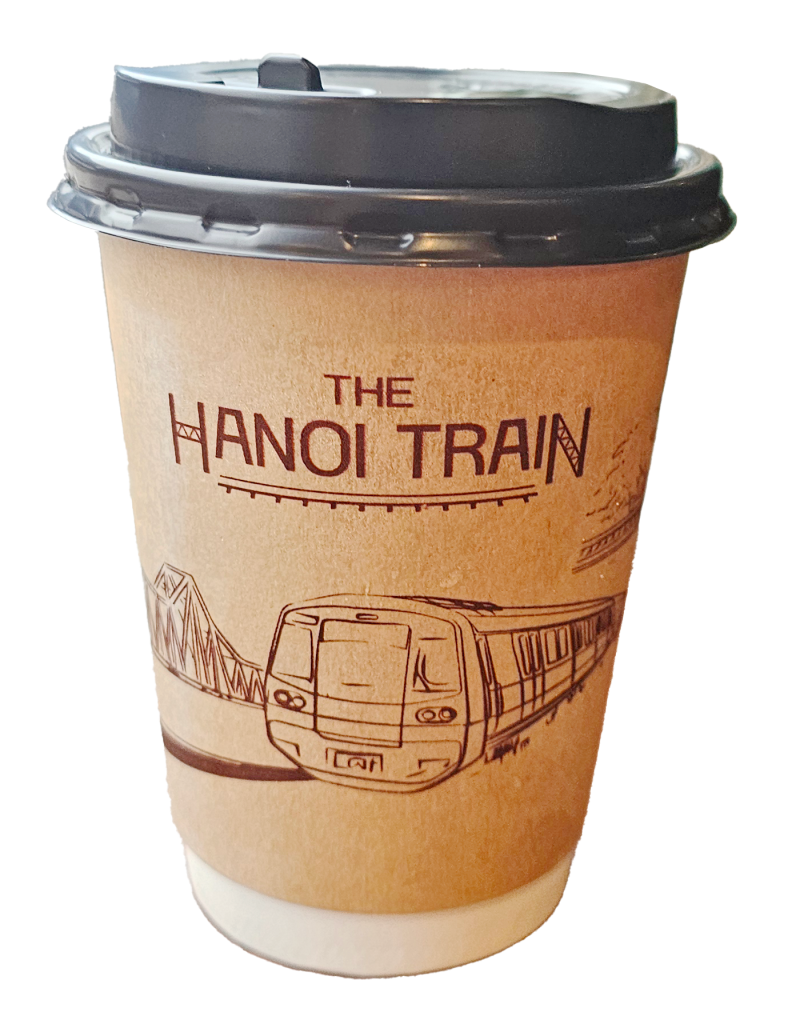
You can also enjoy traditional flavors unique to Hanoi. Local specialties such as Com (glutinous rice cake) and Jasmine Lemon Tea, as well as sweet fried snacks are served, allowing you to slowly savor the flavor of Hanoi while listening to the music. Each of these dishes has a simple yet profound flavor, creating a sense of the northern Vietnamese culinary culture. Together with the scenery outside the window, it completes the train journey, allowing you to enjoy it with all your senses.
A temple that tells the story of the beginning of the Li Dynasty in modern times
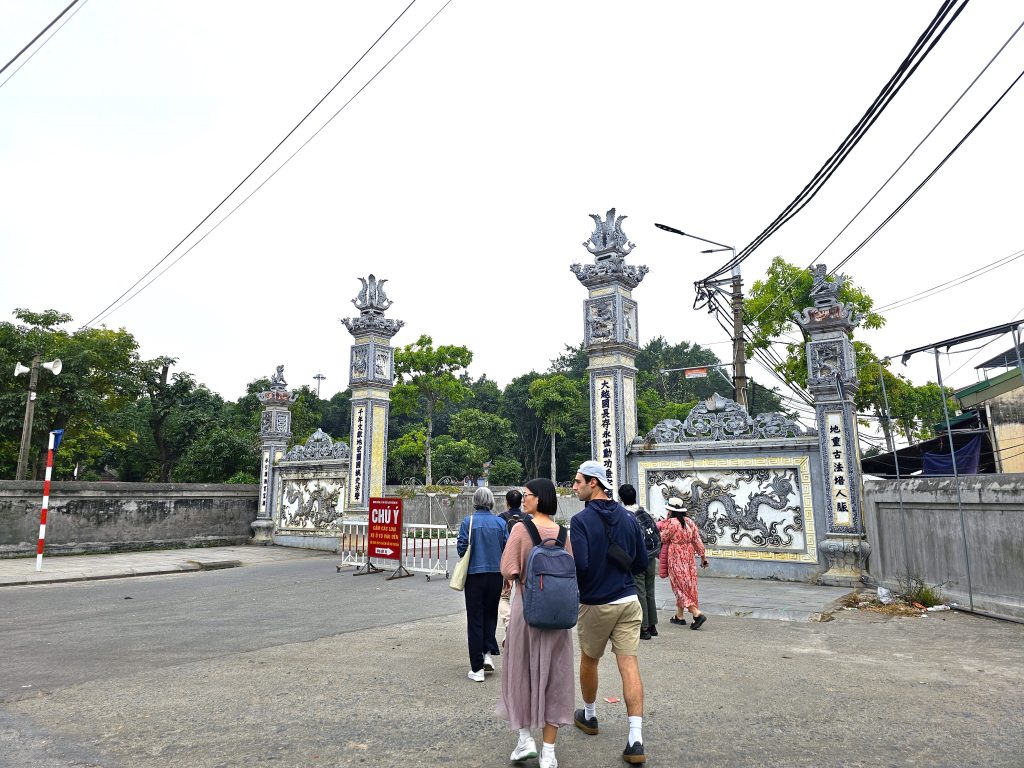
From the train’s terminus, you can take a bus to Do Temple. This historic temple in Tu Son City is a sacred place where the eight emperors of the Li Dynasty (1009–1225), including the first emperor of the Li Dynasty, Ly Thai To, are enshrined.
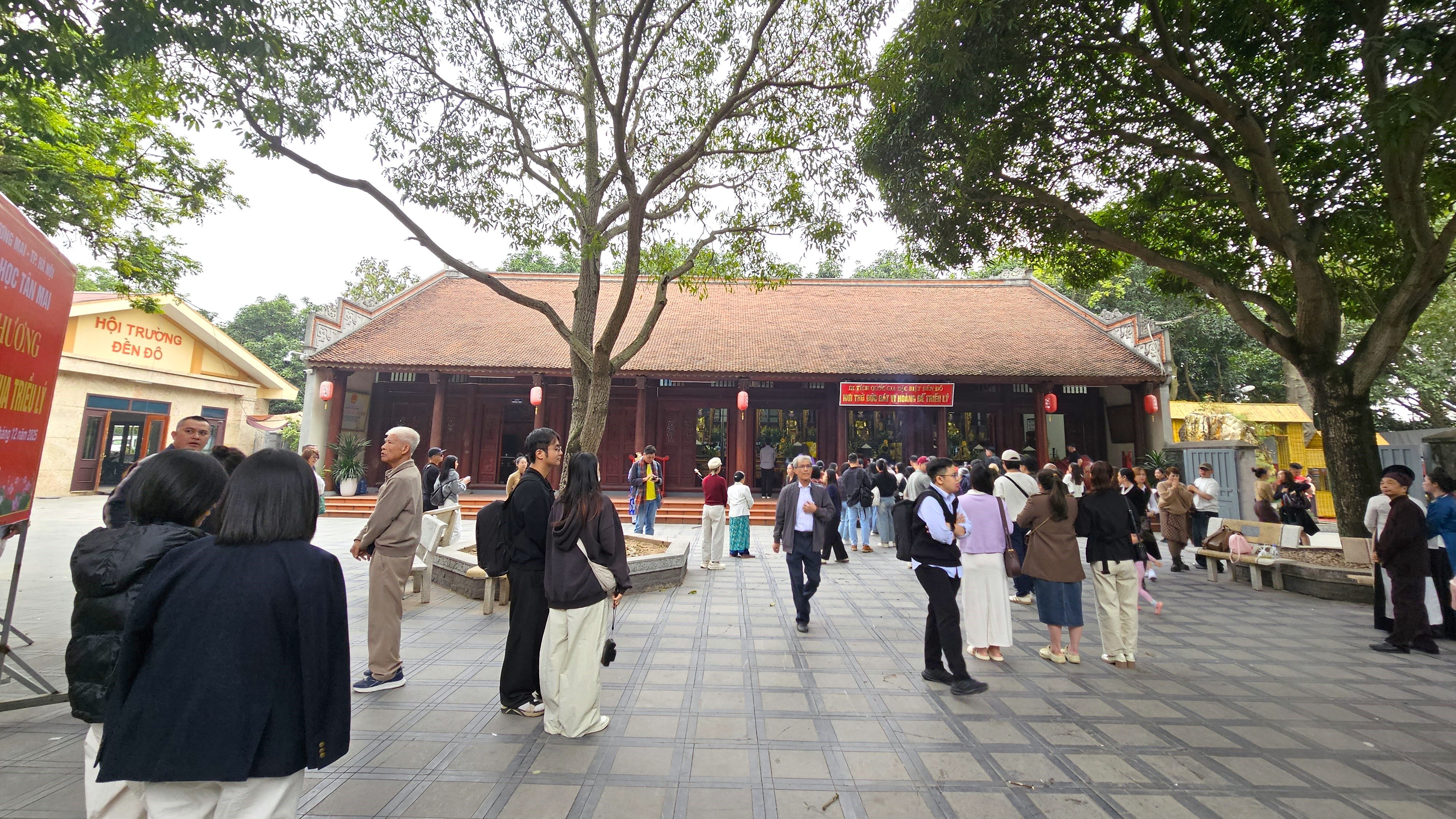
Doi Temple was founded around the 11th century on the site of Co Phap, the birthplace of the dynasty. Since then, it has been cherished as an important place of worship where the royal ancestors are revered and the country’s peace and prosperity is prayed for. As a living testament to the spirit and history of the Lee Dynasty that flourished for over 200 years, Doi Temple holds a special significance for the people of Vietnam. As you step into the serene grounds, you can feel the solemn atmosphere that transcends time along with the memories of the dynasty.
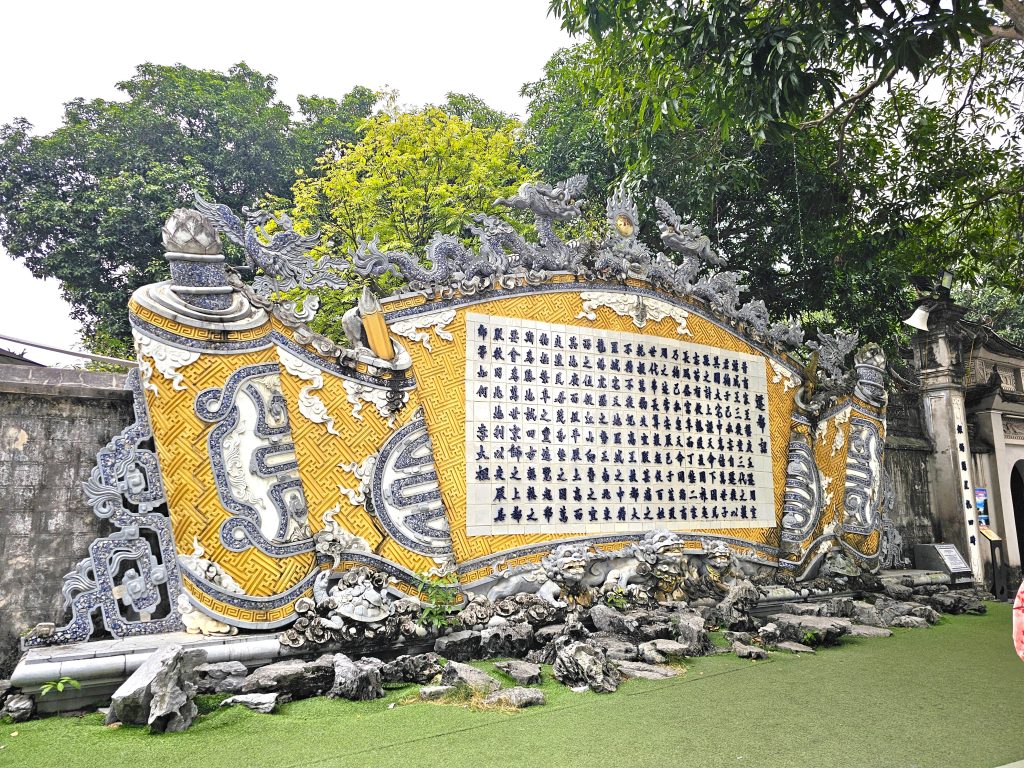
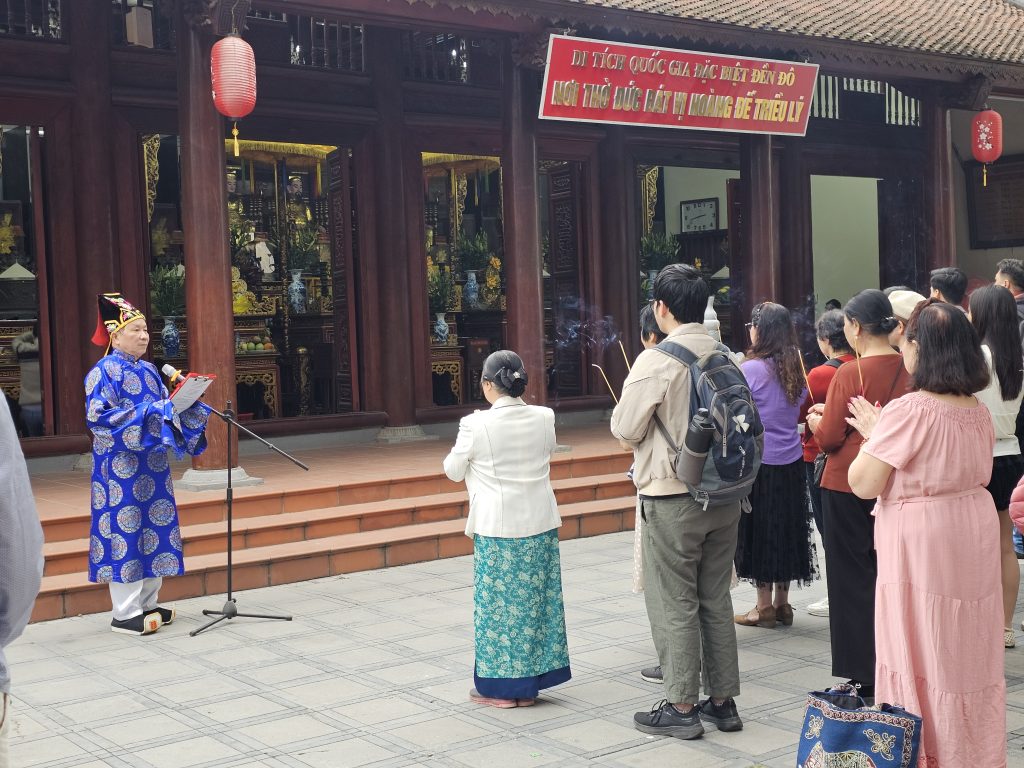
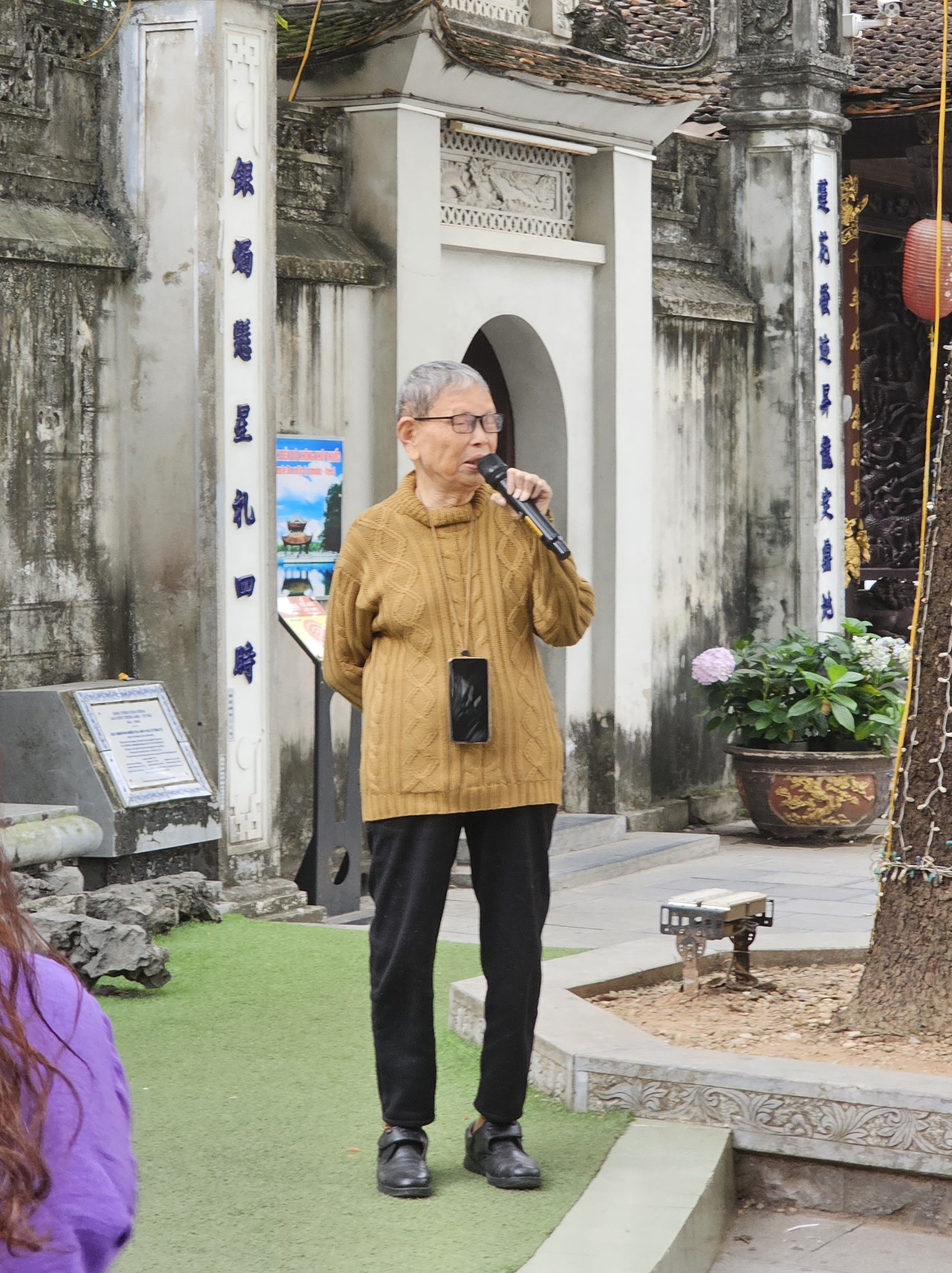
Explaining the history
At the grounds of Do-ji Temple, first everyone in attendance makes a prayer offering and joins hands. Listening to the commentary of the guide who has been involved with this place for many years, you can learn about the history and stories related to culture in detail.
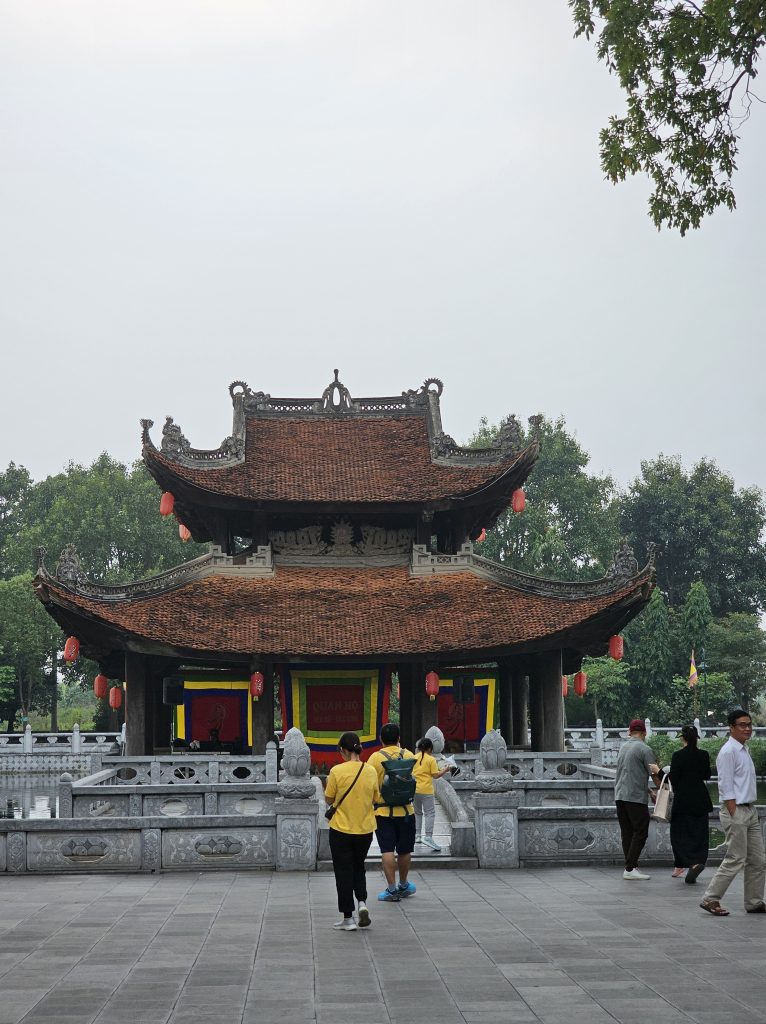
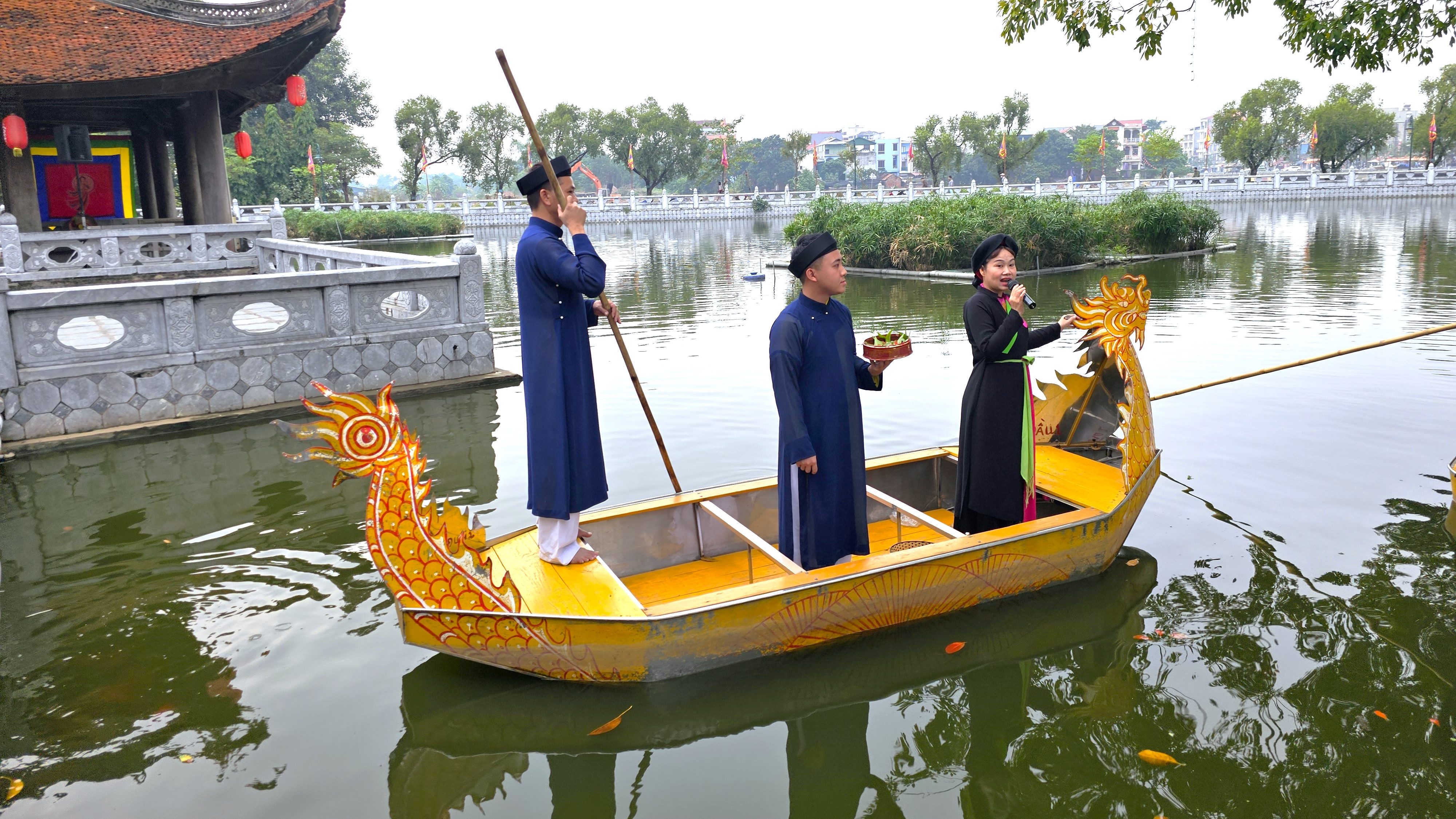
Afterwards, the performance moves to the Water Tower Pavilion, where folk songs representing the north are performed. The clear singing resonates on the water, and visitors are silently drawn into the emotional world of the performers. In between the songs, Trau Cau, a chewing tobacco made from kinma leaves and binnowju fruit, is offered, and a connection is formed with the singer.