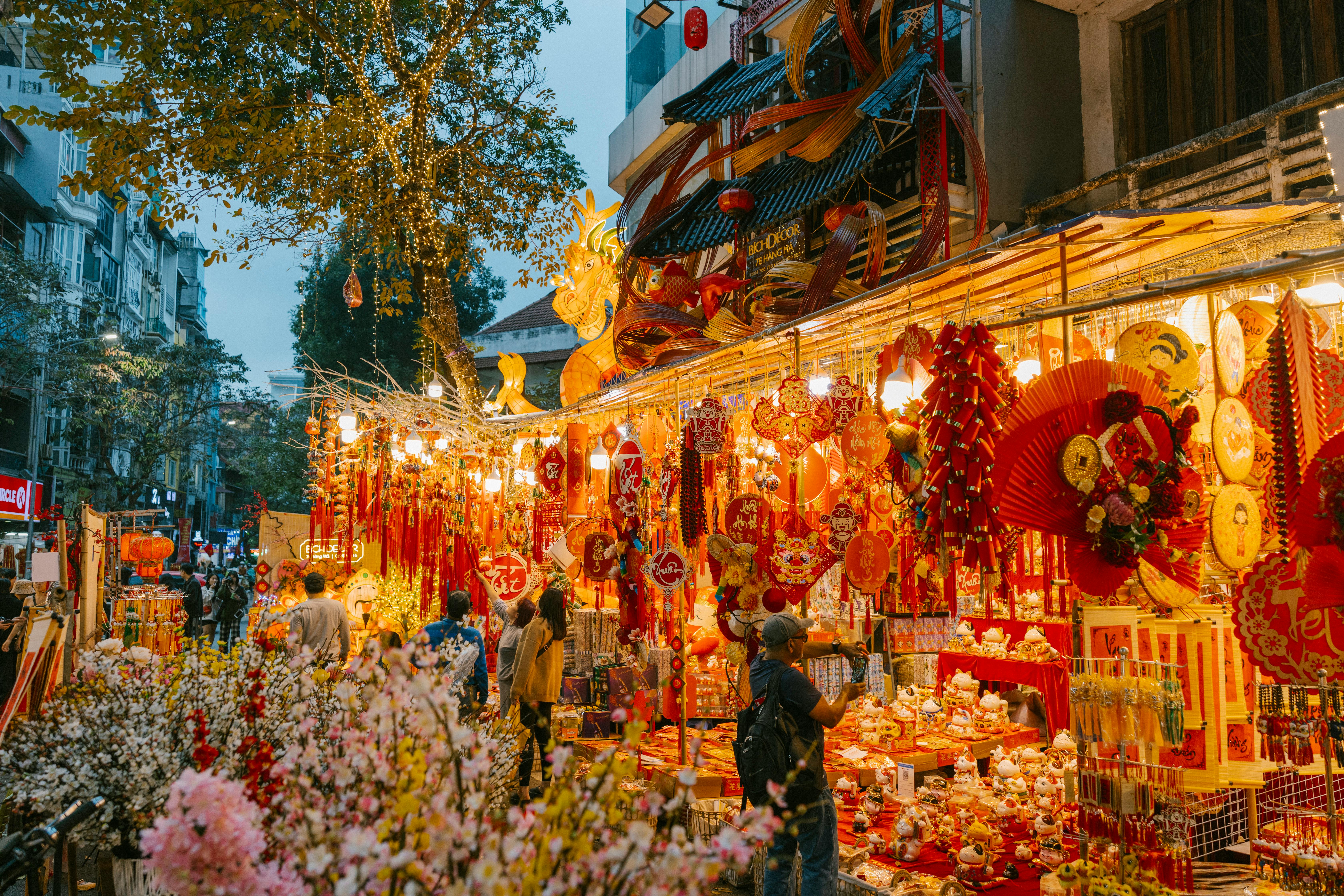
Vietnam’s traditional New Year, Tet, is celebrated every year from late January to early February as the lunar calendar’s first month. This year’s Tet (first day of the new year) falls on February 17, 2026, in the Gregorian calendar. The following week will be a national holiday, and the city and households will be filled with the New Year’s atmosphere. At this time of the year, when it marks a turning point in the year, people gather with their families to thank their ancestors and pray for good fortune and happiness in the new year. They prepare their homes, decorate with flowers and offerings, and spend time around traditional dishes. A calm atmosphere fills the city and households with a sense of something different from everyday life. Tet is an important New Year custom deeply rooted in Vietnamese culture.
Learning about the history and meaning of Tet, New Year's culture and customs
Tet, the festival celebrated to mark the New Year, is not just a mere celebration. It is rooted deep within people’s lives and values, and it is imbued with the history of living alongside nature and the spiritual culture that is passed down from generation to generation. Let’s unravel the origins and meaning of Tet, along with the sights of the city and homes.
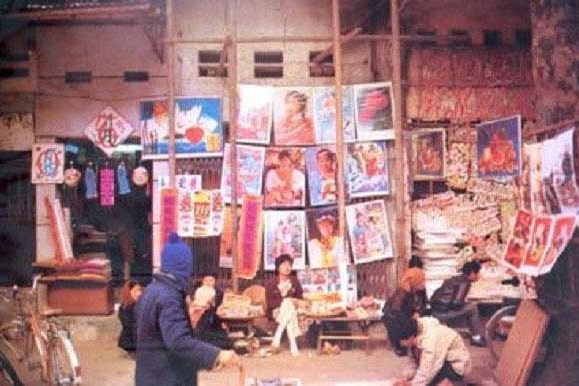
Vietnam’s Lunar New Year, Tet, is a long-standing traditional celebration that forms the foundation of the culture. Officially known as Tet Nguyen Dan, it celebrates the beginning of a new year based on the lunar calendar. Its origins are rooted in an agrarian society centered on rice cultivation, and it emerged from a mindset that valued the cycles of nature and the changing seasons.
While influenced by the Chinese traditional New Year culture, it has developed into its own unique form over the long history. In particular, the values of respecting ancestors and valuing family ties are strongly reflected. It has been considered the most important event of the year from the imperial era to the common people.
For people, Tet is a time to reflect on the past year, express gratitude to their ancestors, and wish for peace and happiness in the new year. It also serves as a reminder of family ties and blood relations, and emphasizes the importance of cherishing relationships with others. This spirit of Tet symbolizes the very way people live their lives.
The city and households are getting ready, bustling ahead of Tet
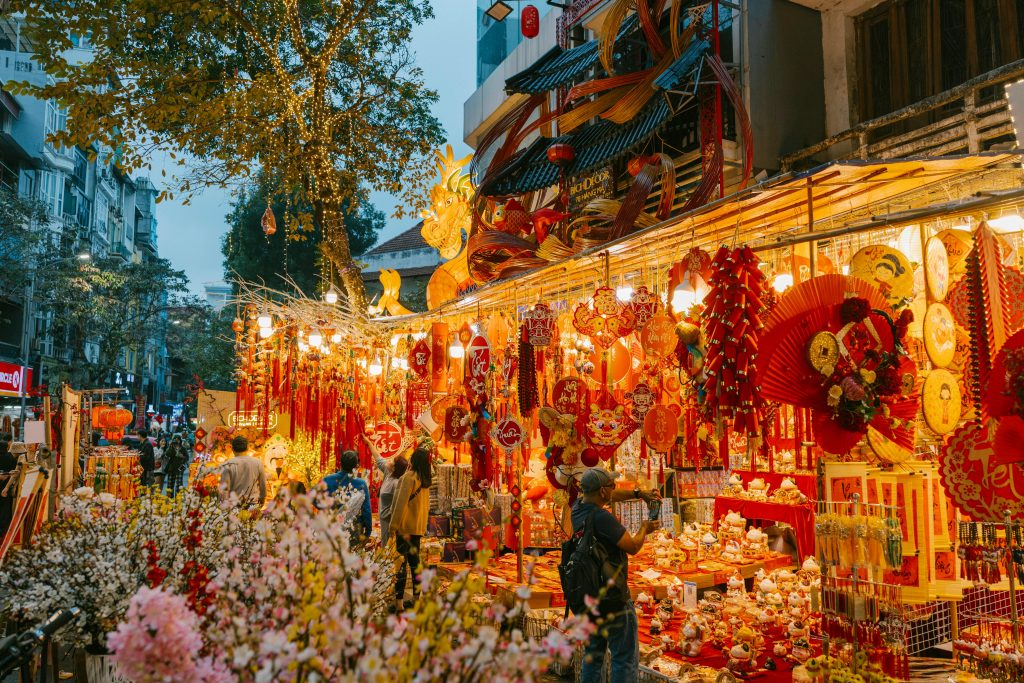
Before Tet, the city and households gradually become enveloped in the atmosphere of the New Year. People spend these hectic yet exciting days, while making purchases and preparations in between their daily routines.
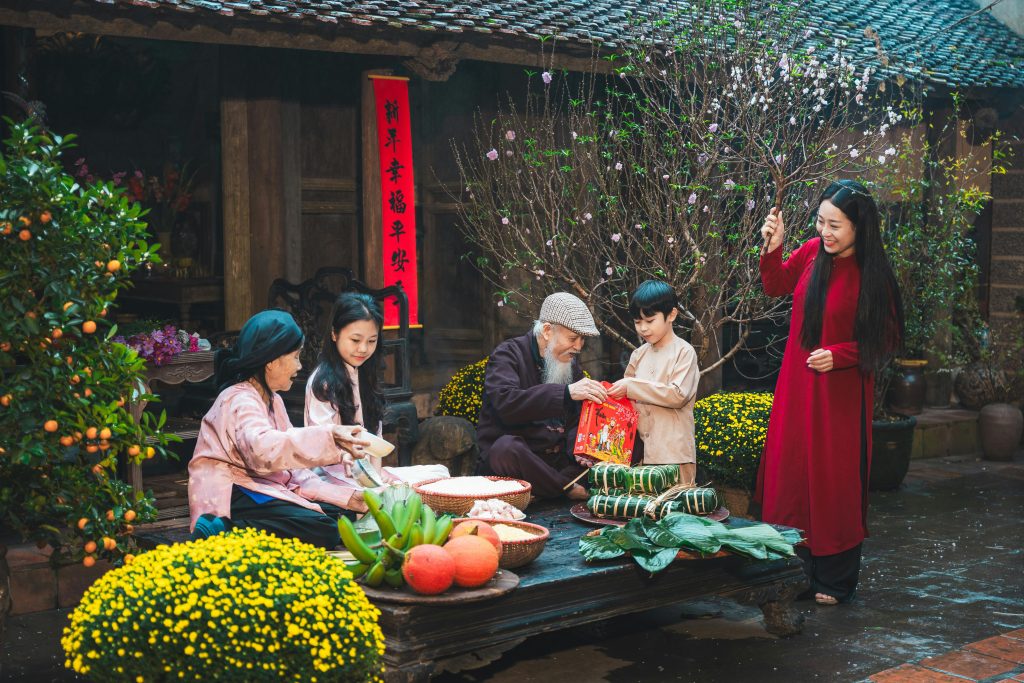
About two weeks before Tet, preparations begin in earnest in every household. It is a particularly busy time of the year, and the entire city becomes vibrant.
What is indispensable is shopping for the New Year. To prepare dishes to offer to ancestors and to have a special meal with family, we buy meat, vegetables, dried foods, and seasonings together. Markets and supermarkets are crowded every day, filled with colorful goods and the excitement of people.
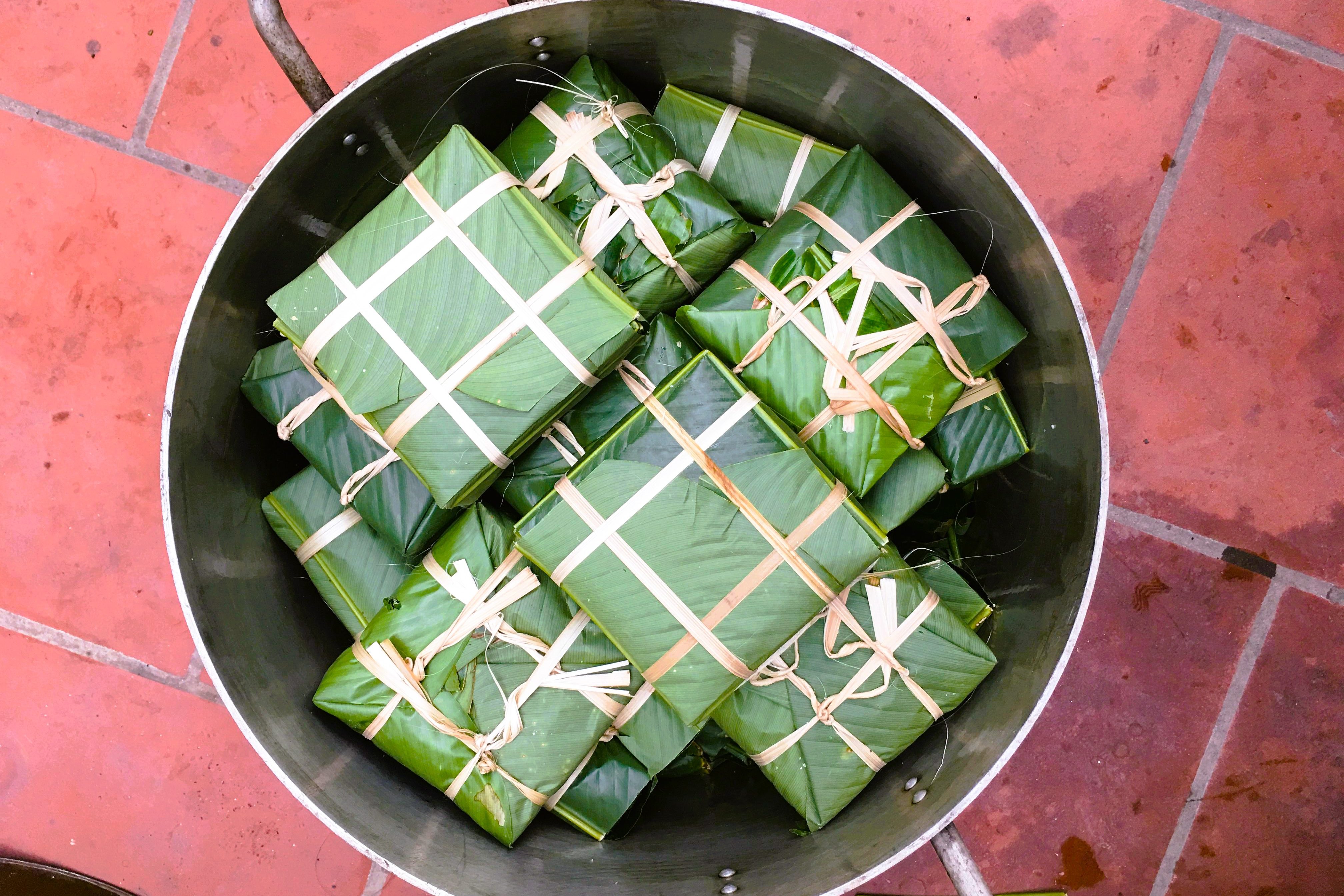
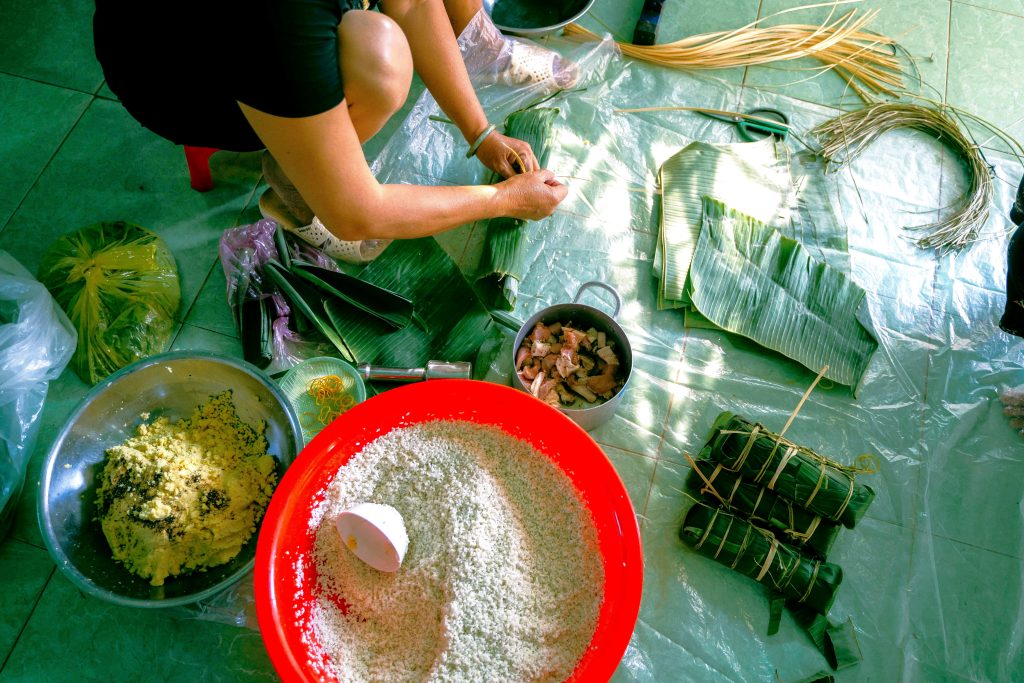
In many households, traditional rice cakes such as Banh Chung and Banh Tet are also made. Gathered together as a family, preparing the ingredients and spending time to wrap and cook the rice cakes is a precious time for strengthening ties.
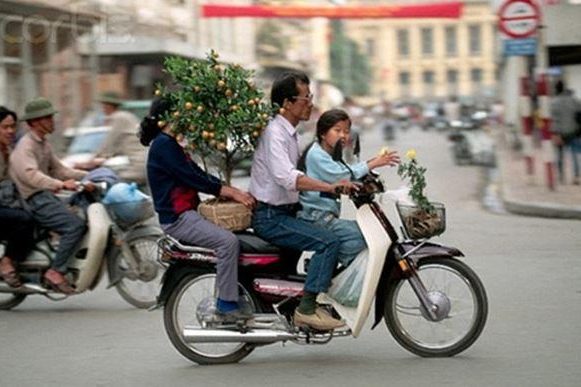
When visiting the homes of relatives and those who have cared for them, they bring along a basket of sweets and fruits to convey their gratitude and connect with those involved before the New Year begins. Trees such as peaches and plum blossoms and a kumquat tree are decorated in the home, reflecting the wish for happiness and prosperity in the New Year. The streets and homes are filled with a festive atmosphere unique to Tet.
The first three days of Tet, woven together with my family
During the first three days of Tet, families spend time in a mindful way to mark the beginning of the new year. Each of the rituals—such as offering offerings to ancestors, gathering with family, visiting relatives, and attending temples—is imbued with wishes for the new year.
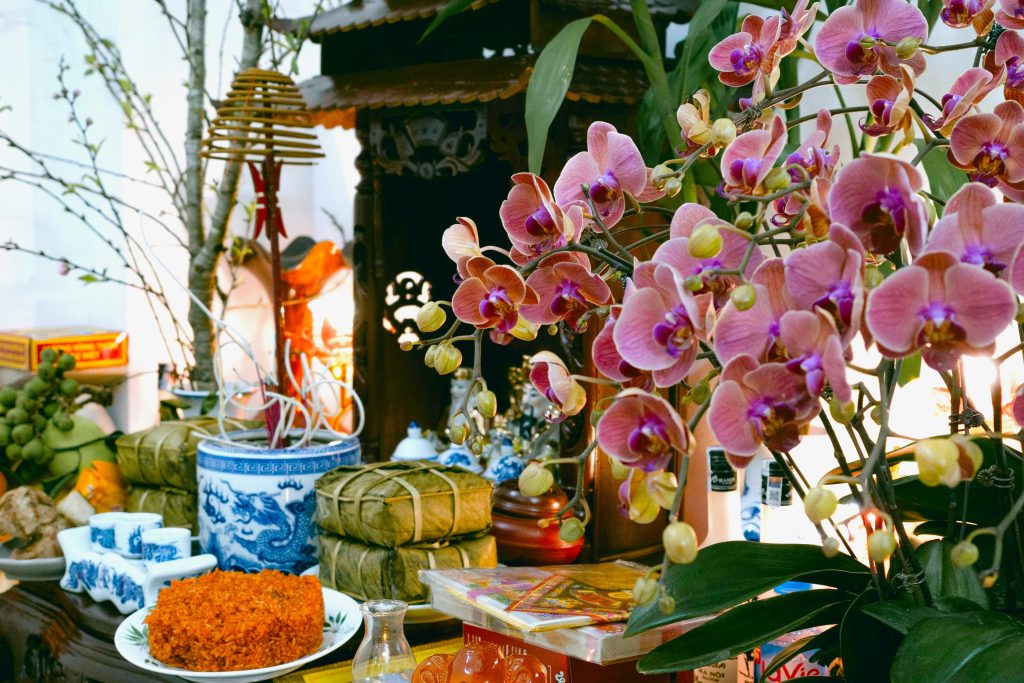
The Tet period begins on the old lunar calendar New Year's Day, and the first three days, including the first day of the new year, are considered particularly important. On New Year's Day, we welcome our ancestors as we conclude the year, and from the first day to the third day of the new year, we quietly watch the beginning of the new year.
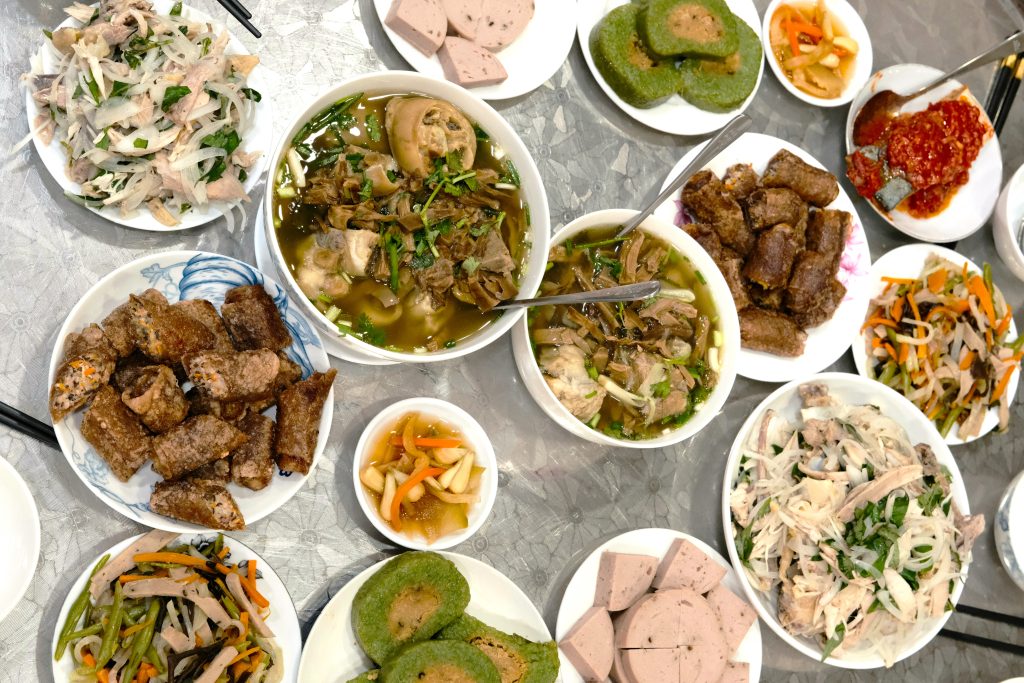
From the first day of the year until the third day, a set of offerings is prepared every day. It includes dishes such as rice, mochi, meat dishes, and simmered foods, all of which are suitable for the New Year and are intended to express gratitude to ancestors and to wish for peace and prosperity in the new year.
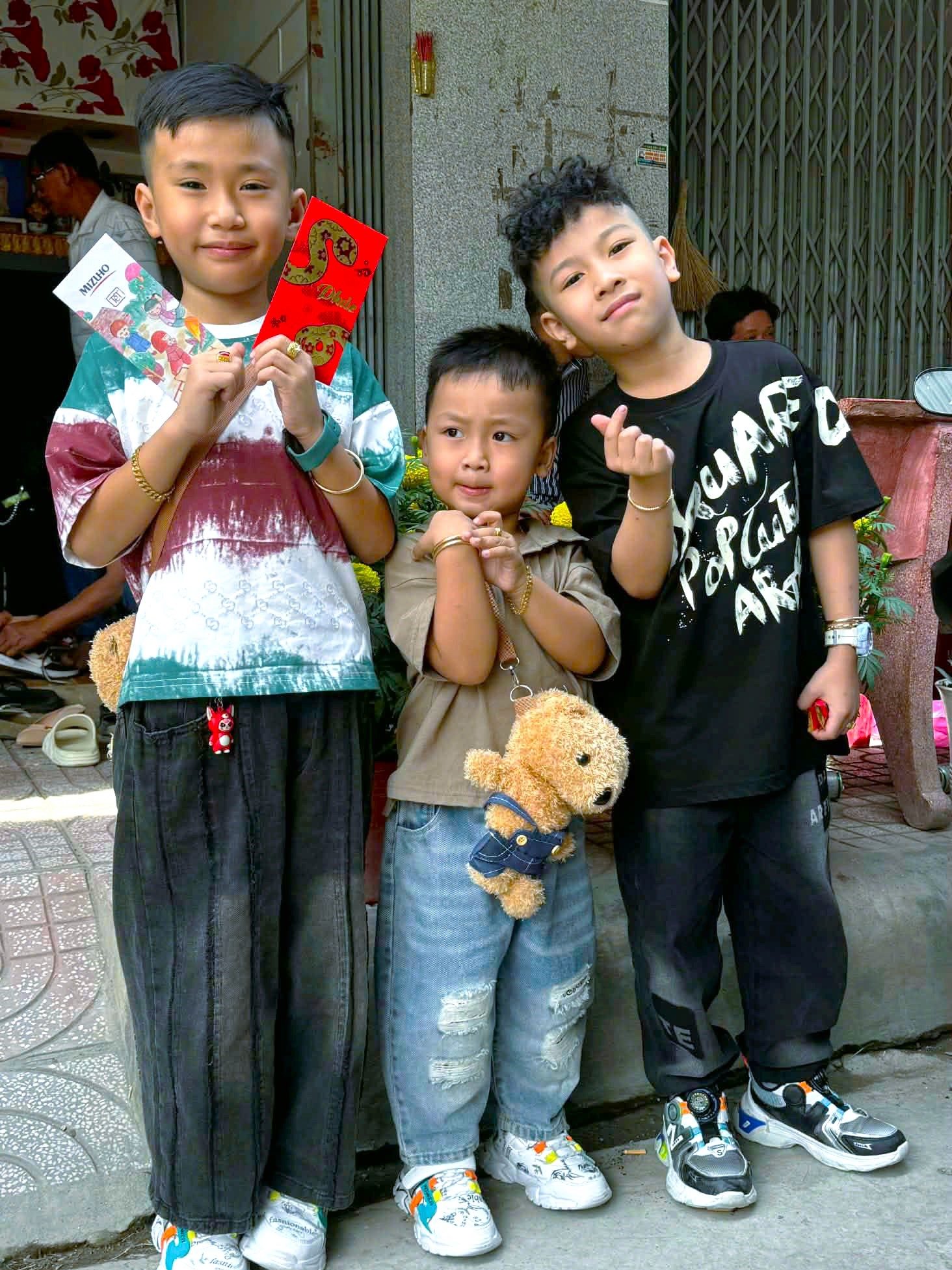
People put on new clothes, take family photos and leave a memory. They visit the homes of relatives and close friends to say hello, and the children receive red envelopes filled with money called "li xi" (lit. "lucky money").
Northern Tet features surrounded by history and prayer
In the Tet festival in the north, the tranquility unique to the season of lingering cold and the way of life that cherishes tradition are strongly evident. The way of living, centered on ancestor worship and family gatherings, continues to be passed down unchanged today.
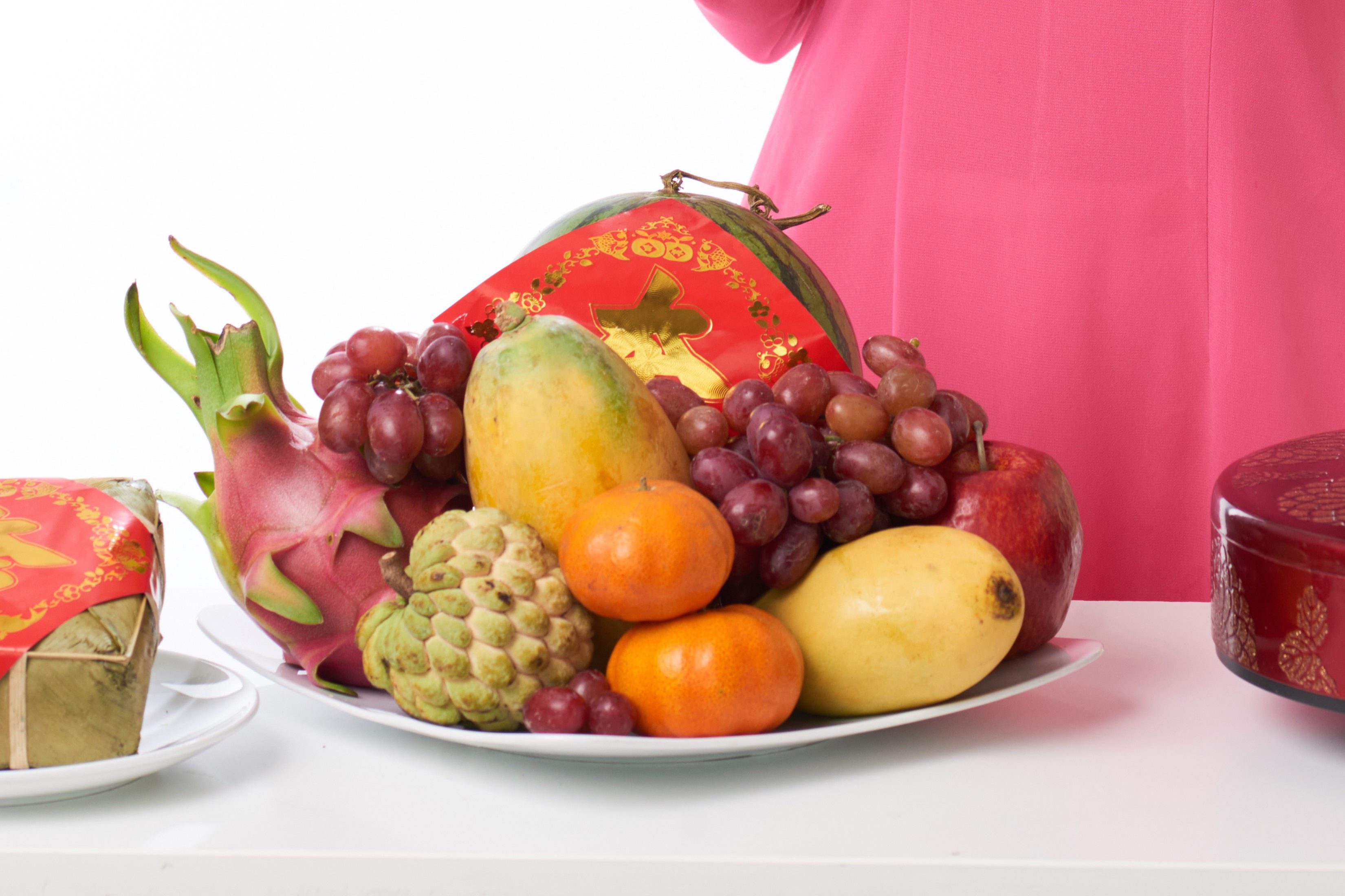
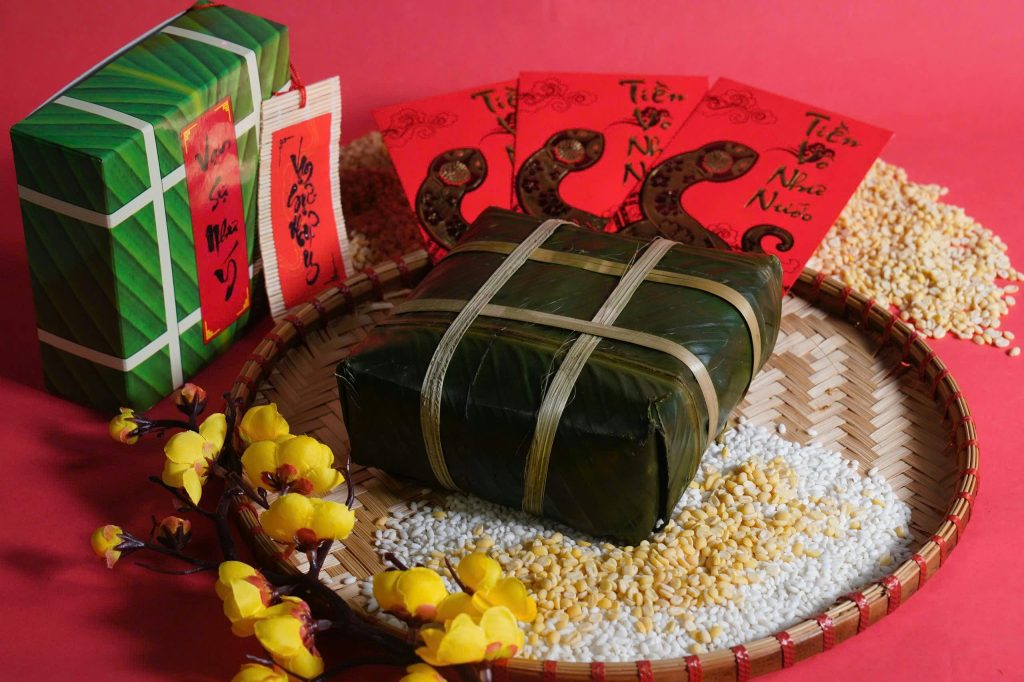
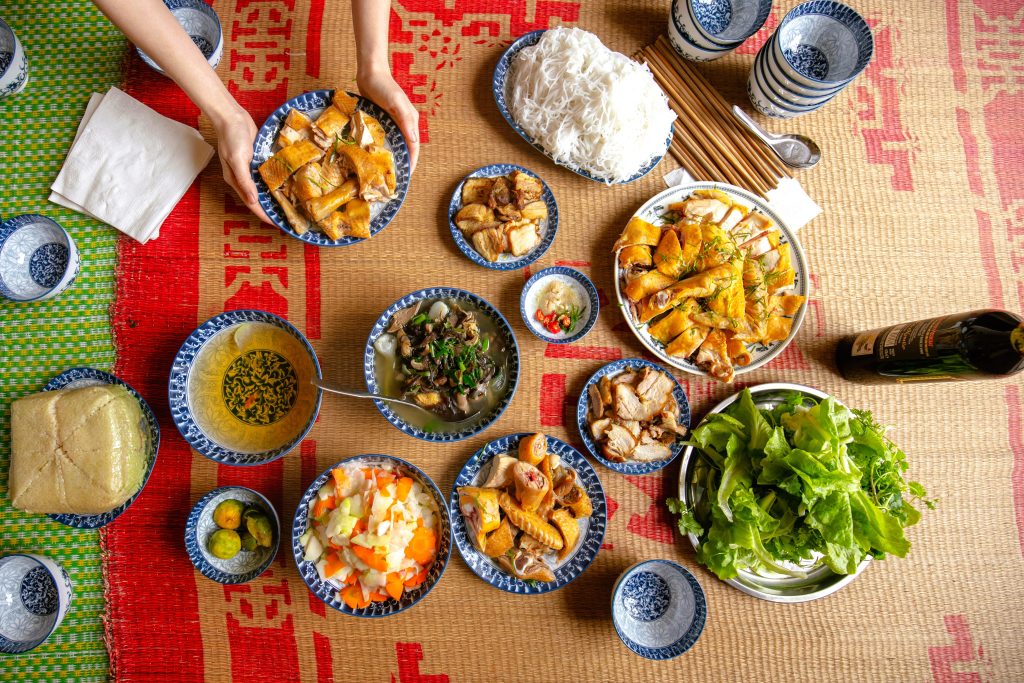
One of the characteristics of the Tet holiday in the north is the way people spend it, centered on honoring their ancestors. For the first few days of the New Year, each household sets up a shrine and prepares offerings to welcome their ancestors. In particular, from the first day of the New Year until the third day, it is emphasized to abstain from offering anything and to quietly welcome the new year.
The food culture is also an important element that characterizes the north. A typical example is the binchu, a square-shaped dish that symbolizes the land and the earth. It is believed to symbolize family prosperity and is meant to wish for good health for the family. There are also many simple and highly preserved dishes such as salted vegetables and simmered dishes that are typical of the north.
The Tet festival in the north is also known for its solemn atmosphere. In the season of cold weather, people value time spent quietly with their families over flashy celebrations. During the New Year, visits to relatives and elders are emphasized, and polite greetings are valued.
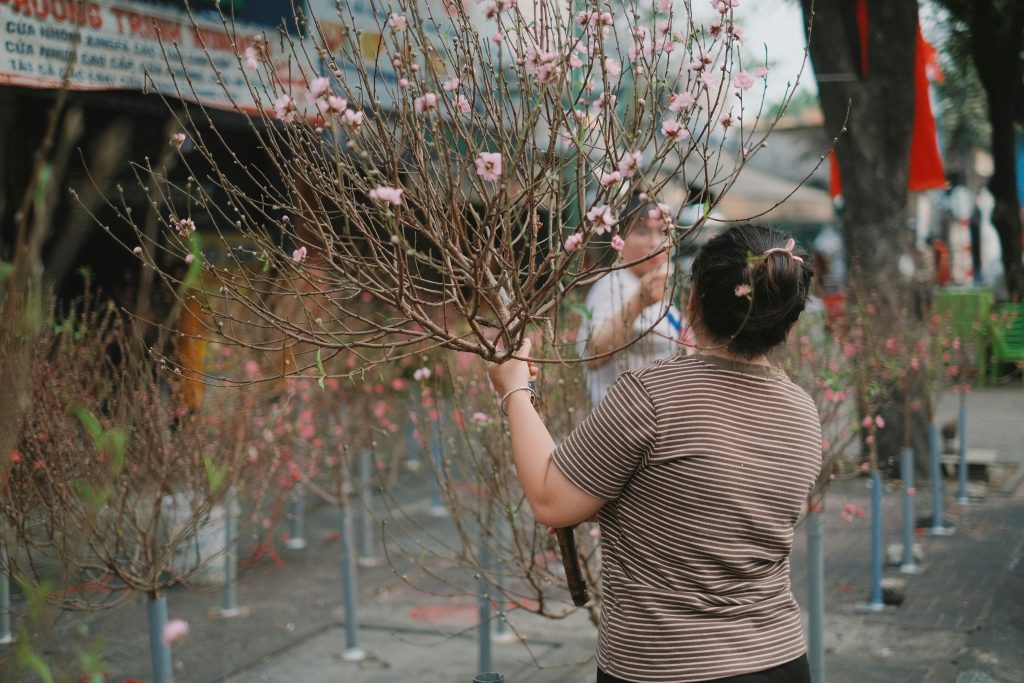
In the urban landscape, peach blossoms symbolize the North's Tet festival. The pale flowers displayed in homes and markets herald the beginning of a new year and the arrival of spring.
The characteristics of southern Tetō, where the city and its people shine
In the southern region, Tet is celebrated in a warm climate and is characterized by a bright and open atmosphere. In addition to gatherings with family and relatives, the culture of sharing experiences and joy with others is naturally present in daily life.
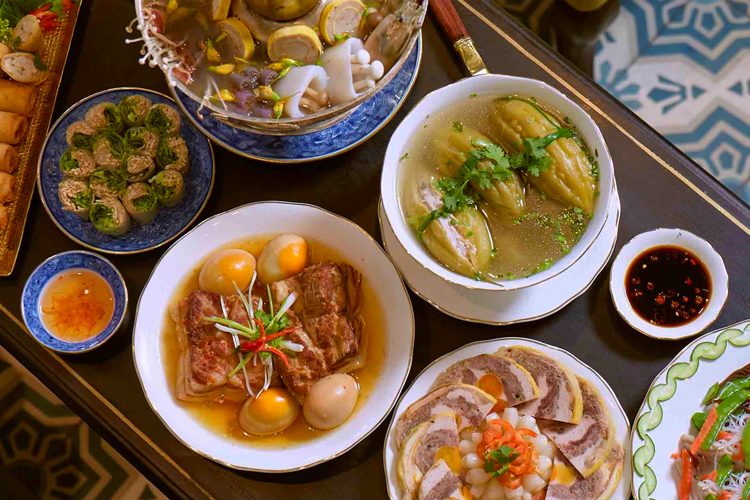
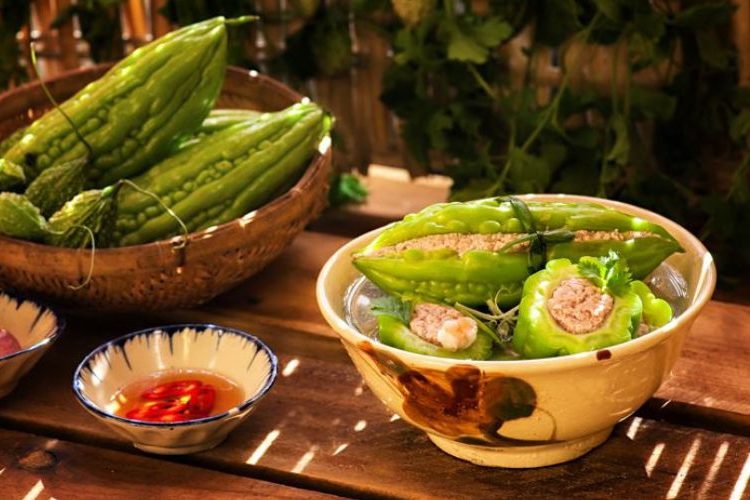
In the south, the Tet season also brings calm weather and more time spent outdoors. Under the blue sky and gentle sunshine, cities and homes are adorned with decorations to celebrate the New Year, enveloped in a bright atmosphere.
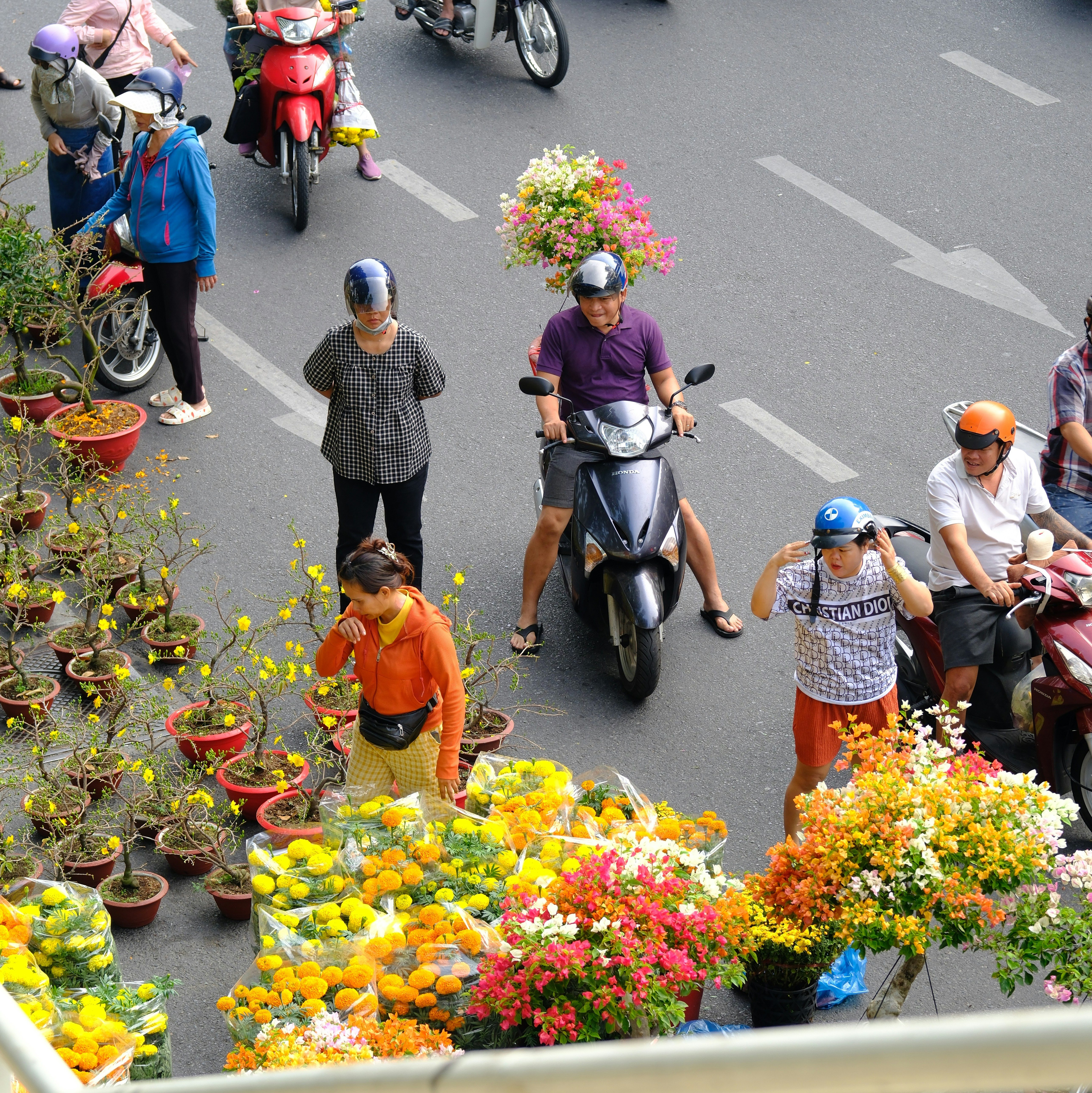
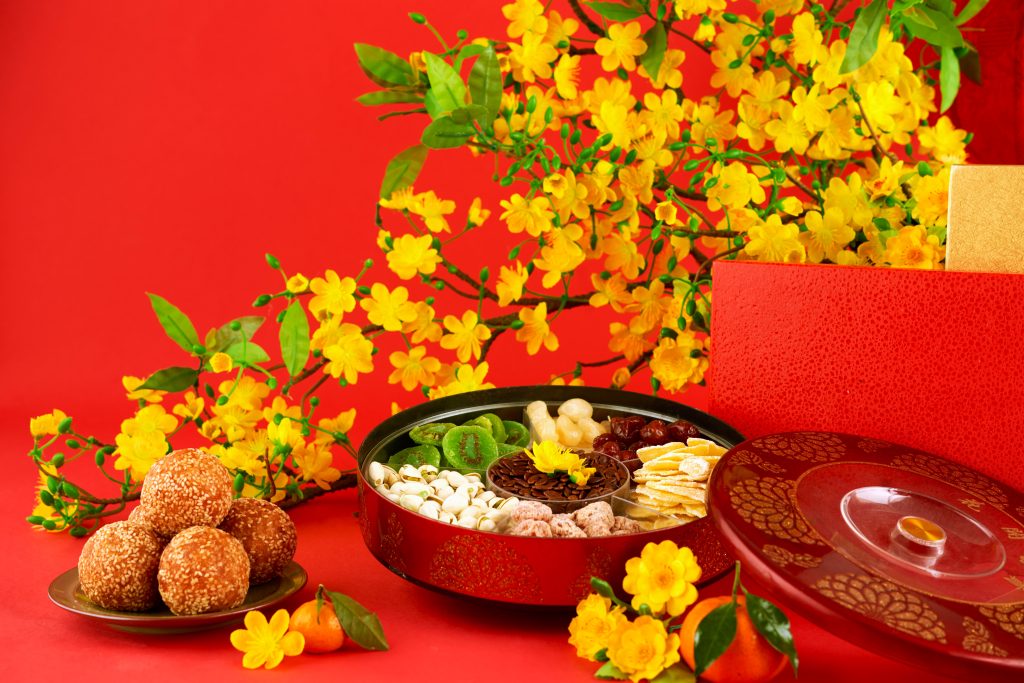
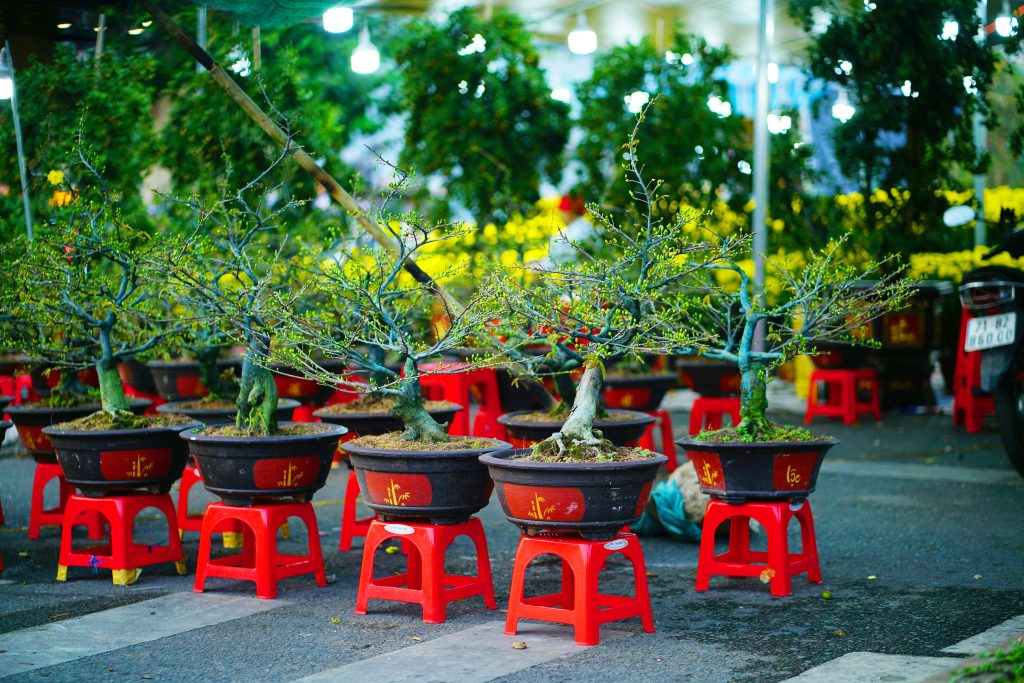
The flower that represents Tet in the south is the yellow plum blossom. Yellow is said to symbolize happiness and prosperity, and it is displayed in homes and in the streets. Chrysanthemums and marigolds are also often used to create a bright and festive atmosphere unique to the Lunar New Year.
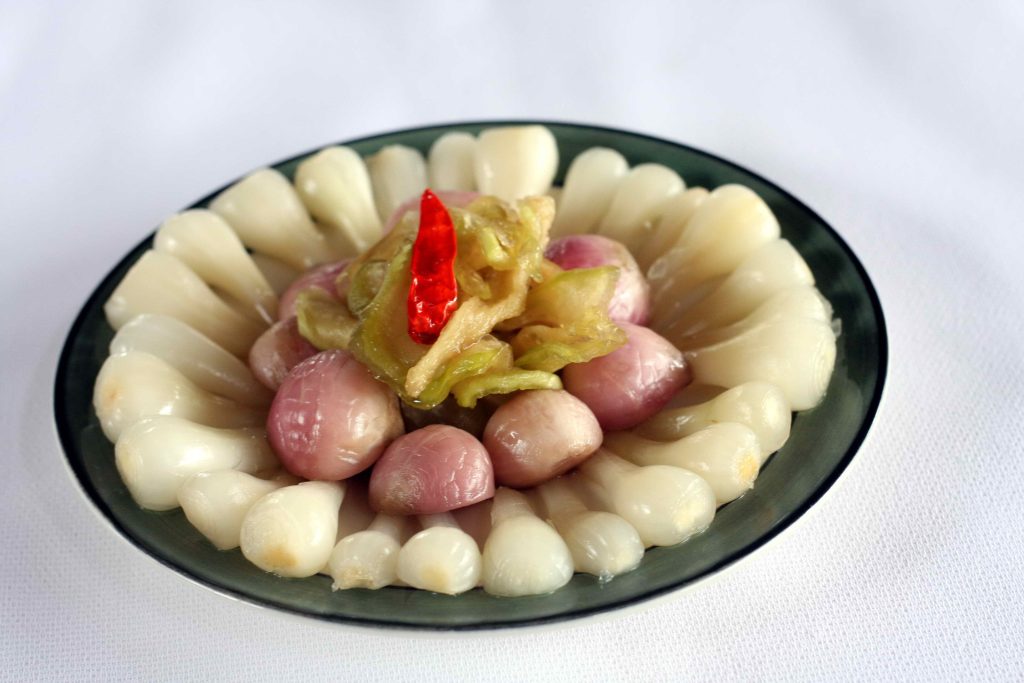
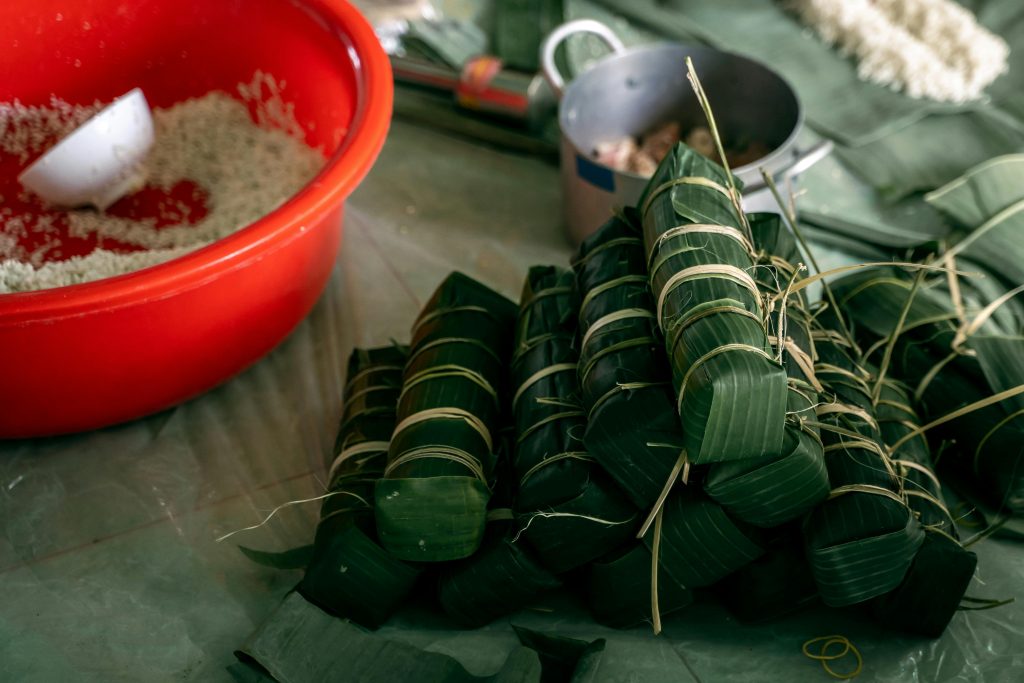
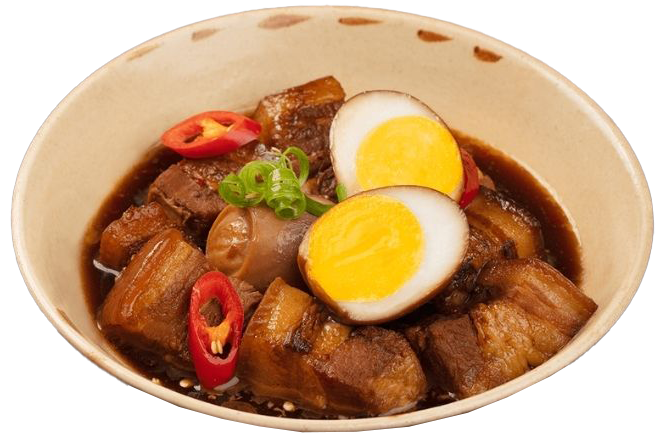
The food culture also exhibits Southern characteristics. The cylindrical banh tet is the centerpiece of the New Year’s dishes. It is a rice cake made with glutinous rice and is loved for symbolizing family togetherness and prosperity. Additionally, dishes such as “Thit Kho Tau” (a dish made by boiling pork and eggs in coconut water) and bitter melon meat soup are prepared to bring good luck to the table. For dishes with high oil content, it is customary to serve it with sweet vinegar-pickled radish.
During the Tet period, people visit the homes of their relatives and acquaintances to exchange New Year greetings, and children receive their New Year’s gifts. The atmosphere of the New Year in the South is filled with smiles and joyful voices, and bright colors and rich dishes create a unique New Year atmosphere.
Wishing happiness for the New Year, I went out for a spring outing
As the Tet holiday approaches, the Vietnamese enjoy a custom known as "spring outings." It's a time to go out with family and friends, visit temples, and stroll through the city, hoping for good luck for the new year. While it has a similar meaning to the Japanese New Year's Hatsumode, it is characterized by being free from formality and spent in a way that allows you to feel the air of the city and nature.
The North
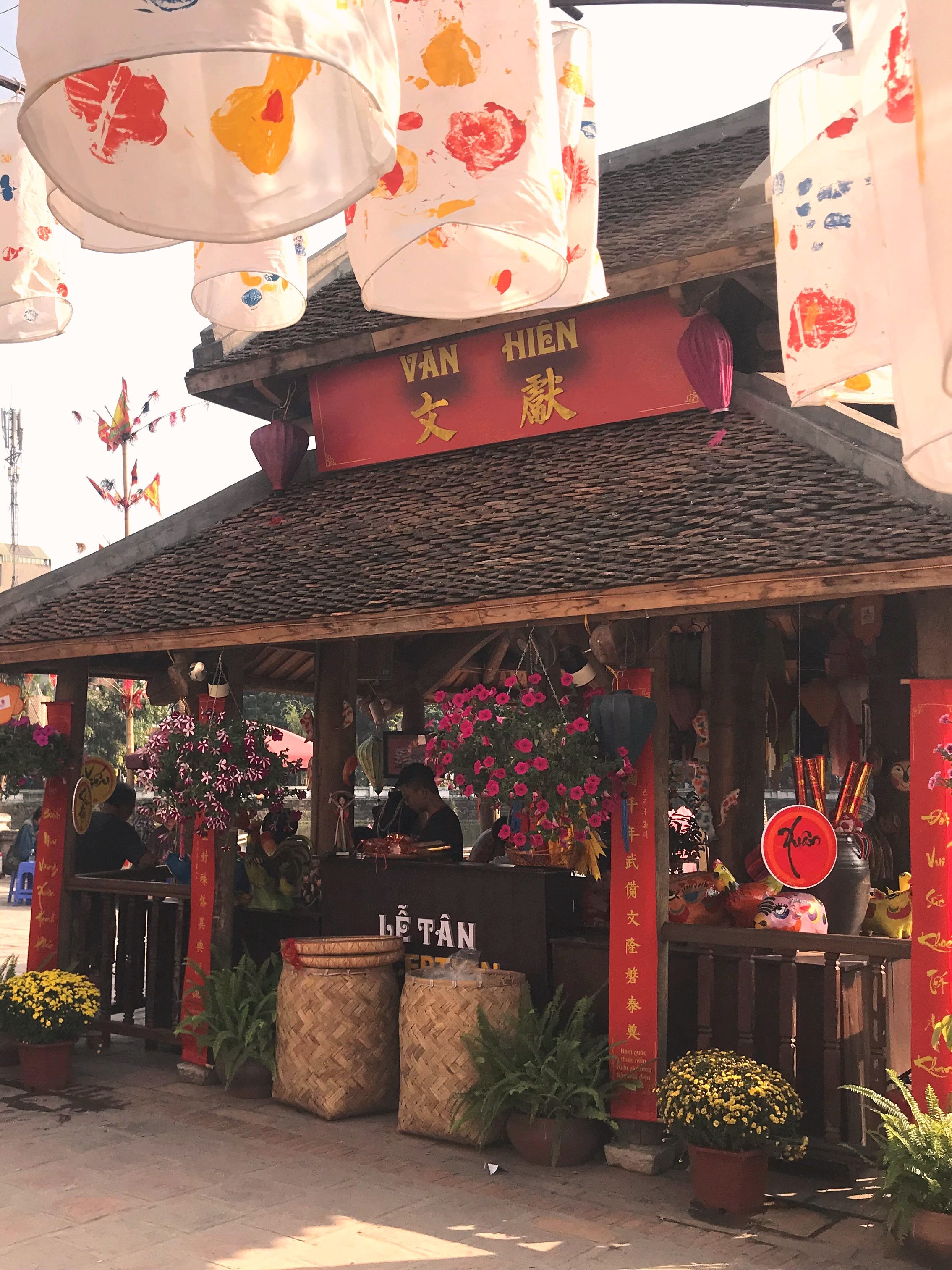
In the north, visiting places deeply connected to faith and history is the mainstream way of spending time. In Hanoi, many people visit the "Van Mieu Quoc Tu Giam" hoping to achieve academic success, making it one of the symbols of Tet. In the city, Zenkoji Temple and Ichijyo Temple are also popular places to pray for a peaceful New Year.
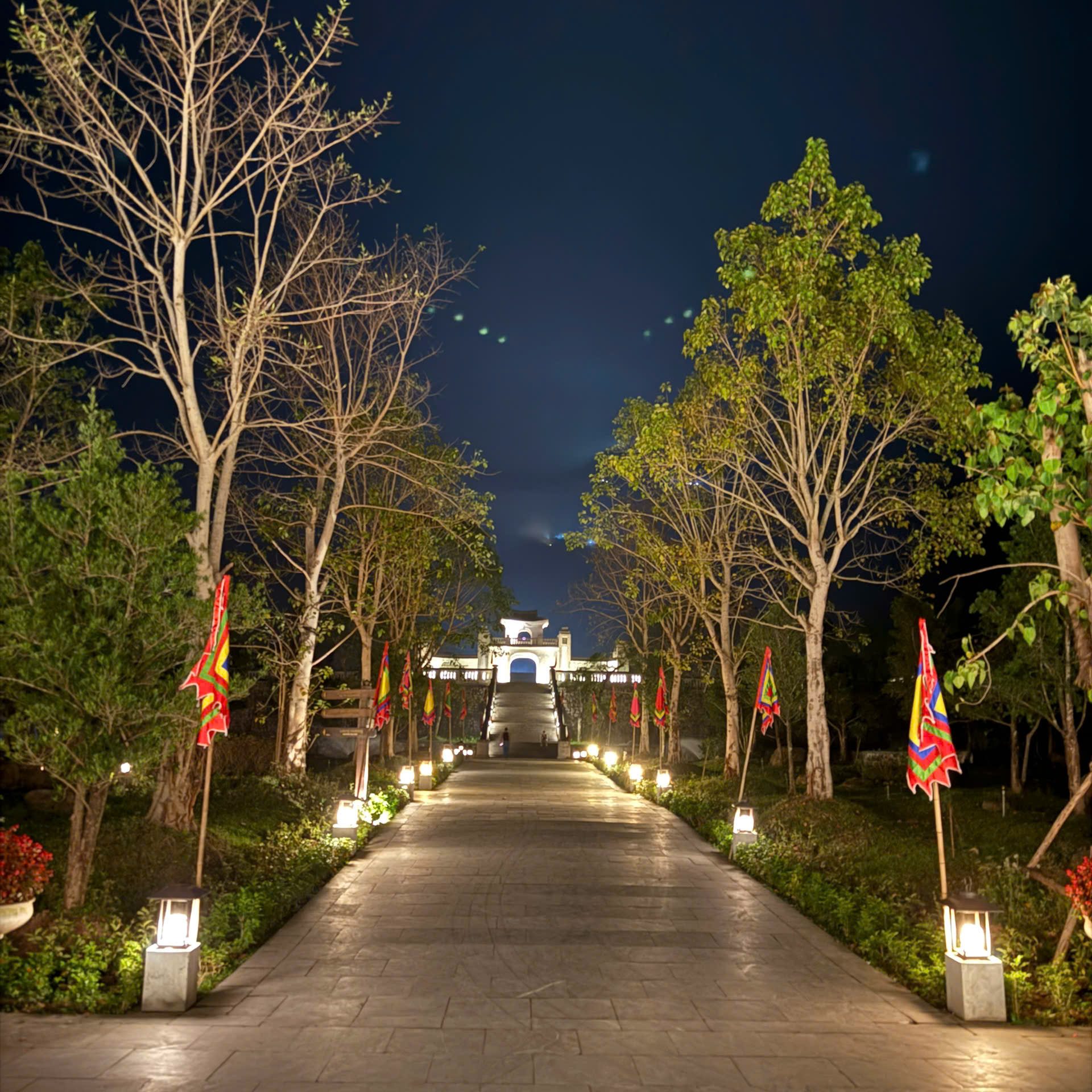
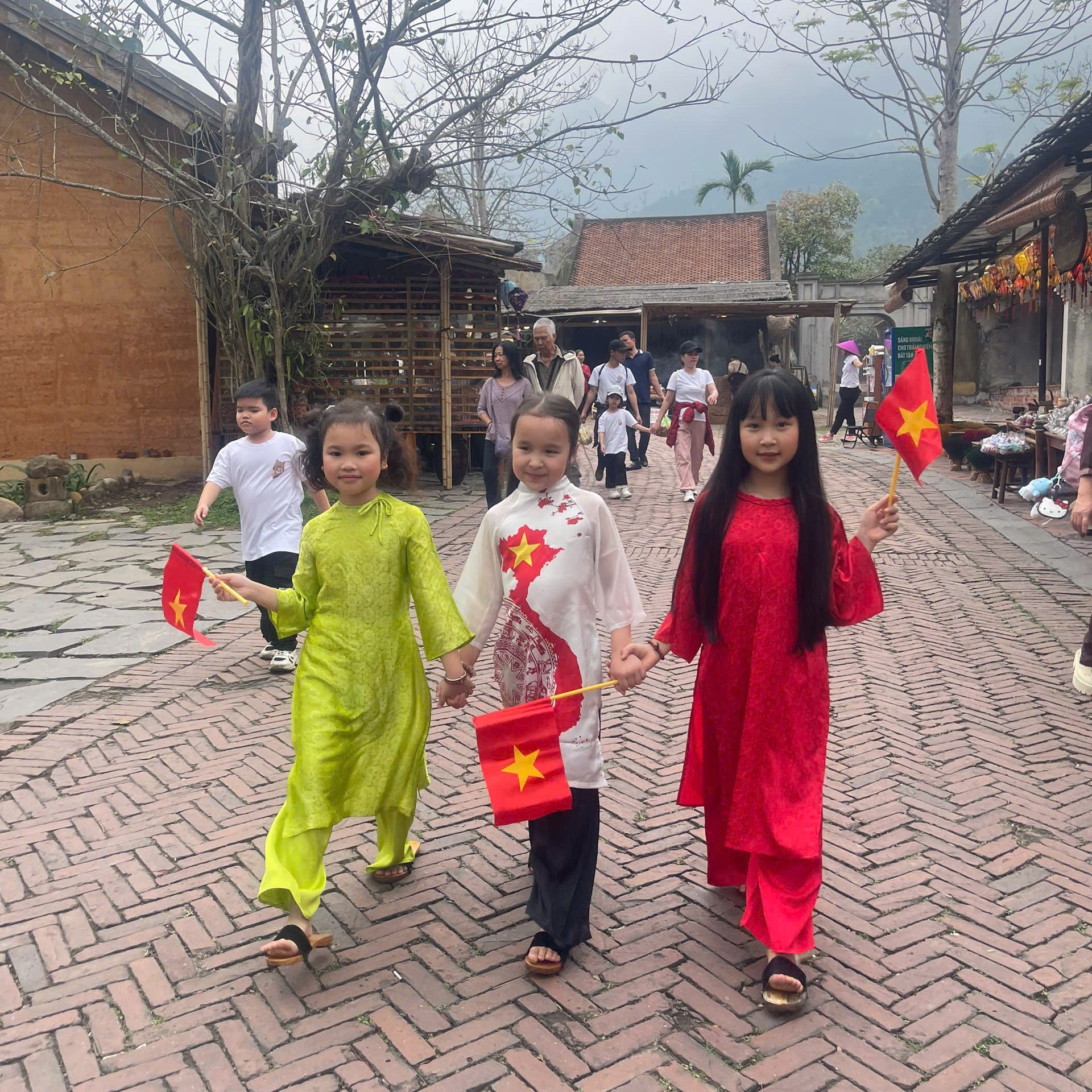
Many people also venture out to the countryside, visiting places like the famous spring festival of Thanh Trang and the Yen Tu mountain revered for its mountain worship. They also enjoy welcoming the new year in nature. Additionally, taking leisurely strolls through traditional handicraft villages like the Bat Trang pottery village is another unique way to spend time in the north.
South
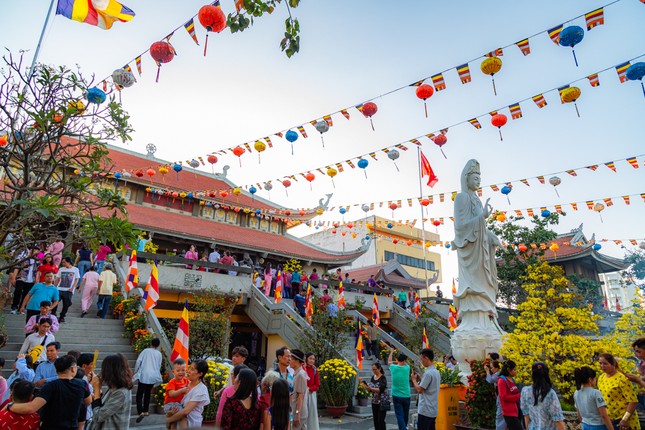
Spring outings in the south are characterized by a relaxed and open atmosphere, where people enjoy the bustling city life. In Ho Chi Minh City, people often visit Vinh Nghiem Temple and Giac Lam Temple to pray for health and business success during Tet.
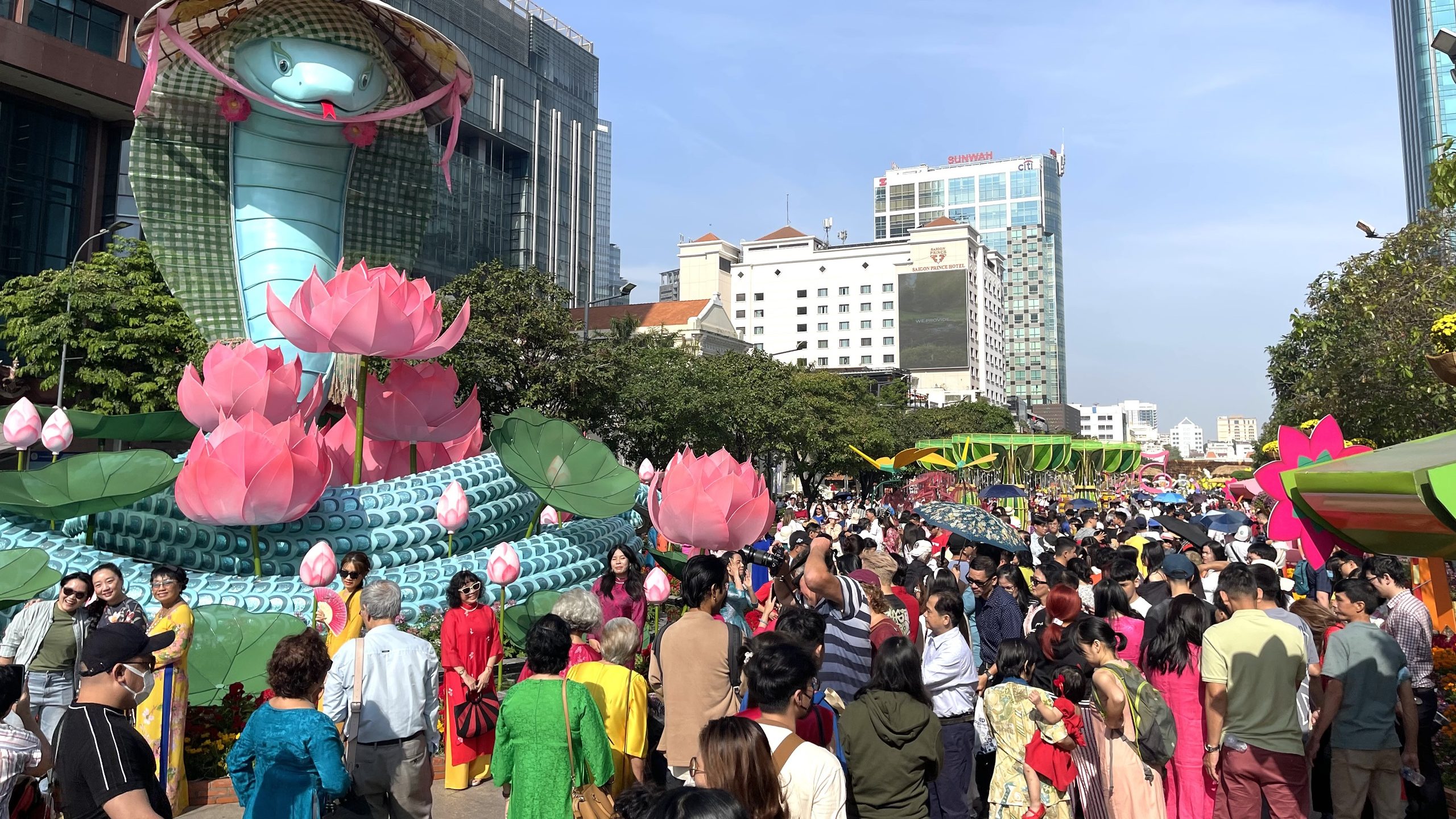
Also held during Tet, the Flower Street in Nguyen Hue Street is a famous New Year destination in the south. Colorful flowers and zodiac motifs adorn the streets, attracting families and young people alike. Additionally, many people also visit Mekong Delta water villages such as My Tho and Ben Tre to enjoy the river scenery and nature while celebrating the New Year.