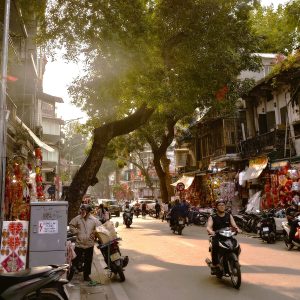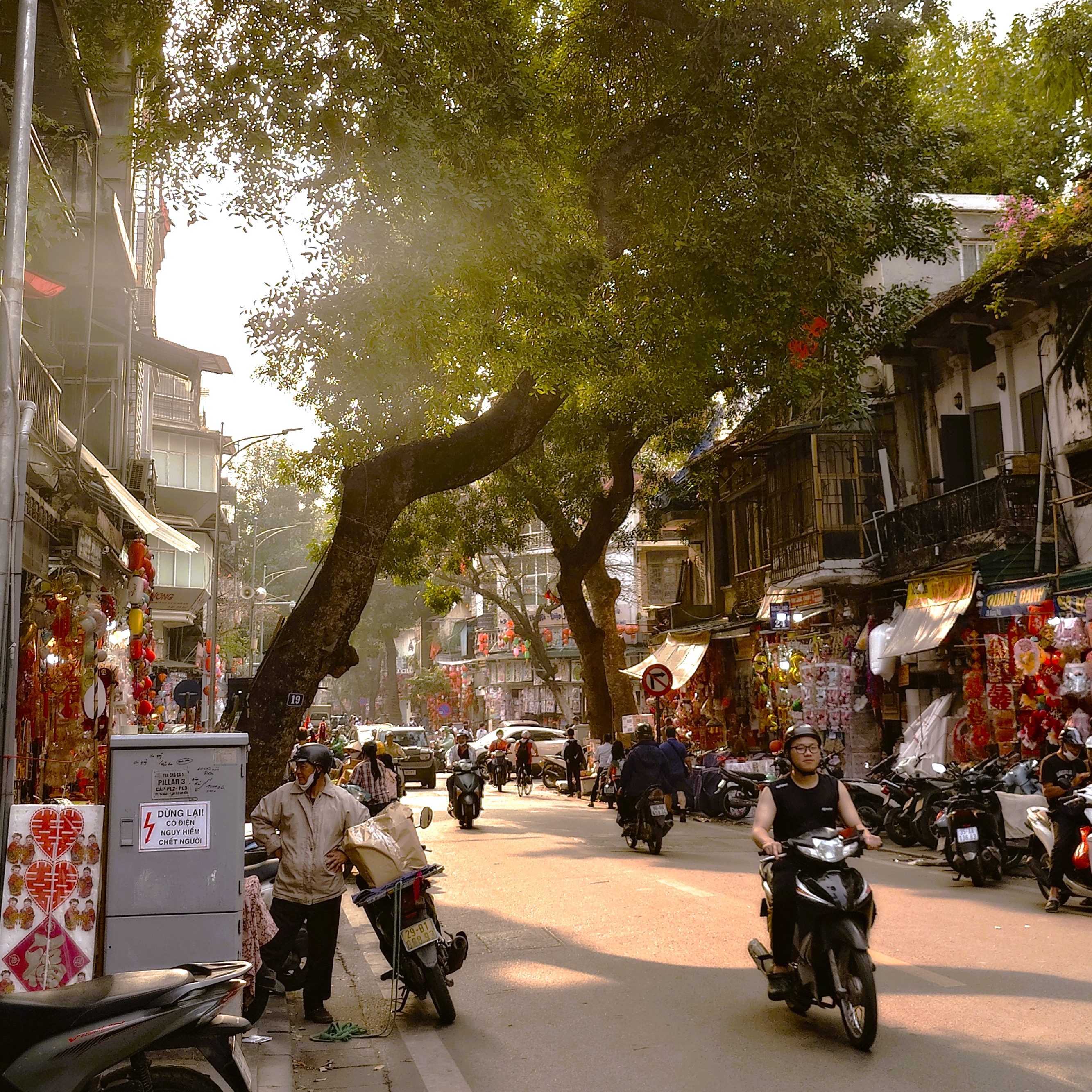
This is a historic district in Hanoi that has a history of about 1000 years. It is not registered as a World Heritage Site, but it is protected as a designated heritage site by the Vietnamese government and strict restrictions are placed on building renovations and the landscape. As a result, many buildings from the French colonial era and narrow alleys remain, and the old town is carefully preserved. There are also many shops that carry traditional crafts such as silk textiles and silverwork. A night market is held on weekends, where people enjoy food stalls, shopping, and street performances. It is a popular walking area in Hanoi that is lively day and night.
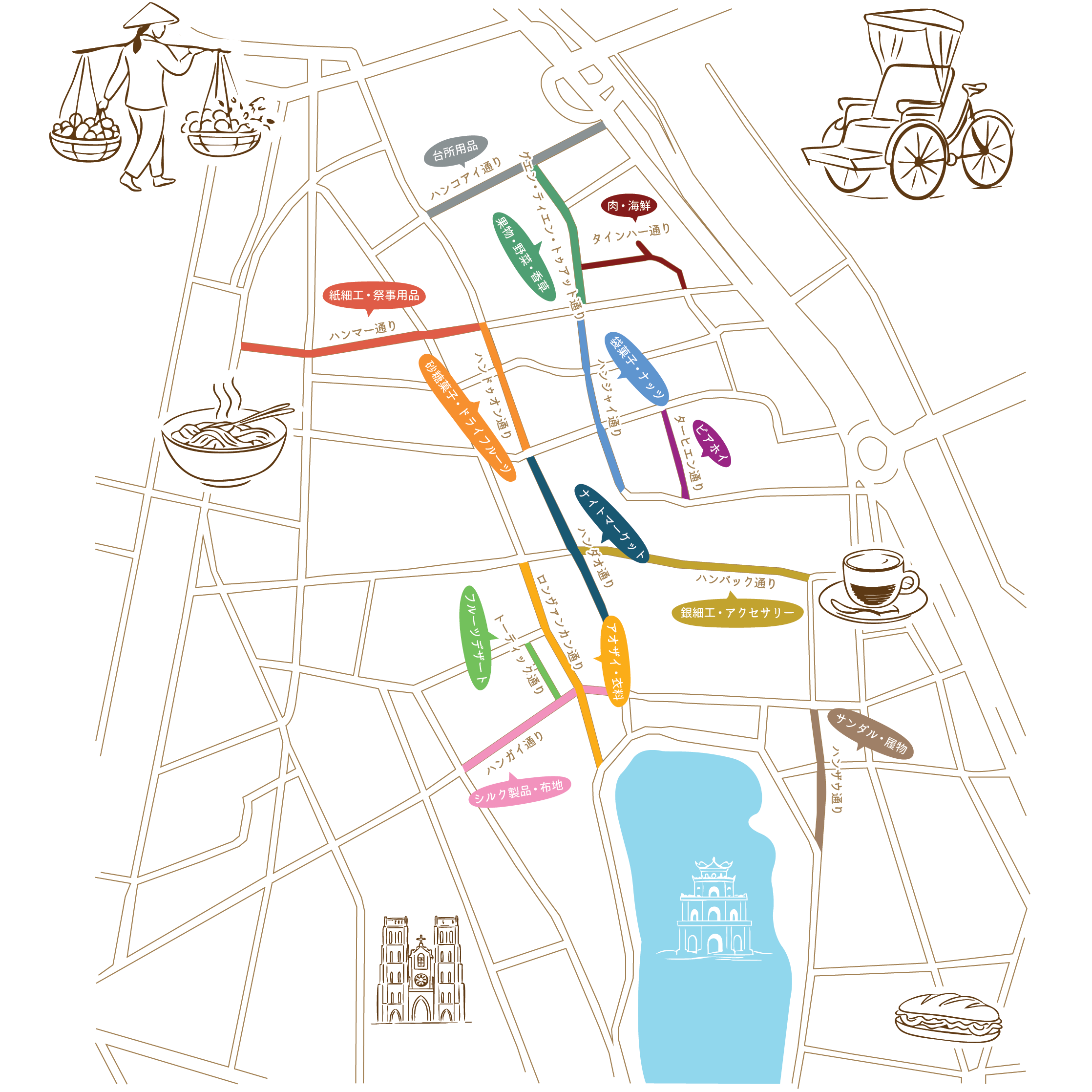
Hanoi Old Town Walking Map
The Old Quarter of Hanoi is home to many unique buildings with narrow aisles and long hallways called "tube houses." These narrow streets are labyrinthine and lined with shops selling goods that used to be sold in that area. Although many of the street names now have changed, the names still reflect the products that were sold there in the past. The Old Quarter is also known as "Hanoi's 36 Streets," although in reality there are more than 70 streets, and the number "36" comes from the number of former trade associations. In Vietnam, this area is called the Old Quarter (Pho Co). The buildings in the Old Quarter often have one floor for shops and the upper floors are used as residential units. This is another characteristic of the city: when you walk down the street, you can see people eating at the shops or shop owners preparing ingredients. This daily scene allows you to experience the everyday life of the area.
A street where traditional craftsmanship is passed down. A street where traditional craftsmanship is passed down.
Many streets in the old city still preserve the traditions of the ancient merchant culture. Each street is home to artisans and merchants, and the history of their respective trades is deeply ingrained in the current cityscape and street names. In particular, Hang Bac Street and Hang Ma Street are particularly well known in the old city. Rows of silverwork shops and vibrant papercraft shops line the streets, allowing visitors to feel the culture and the people’s lives that still breathe in the old city.
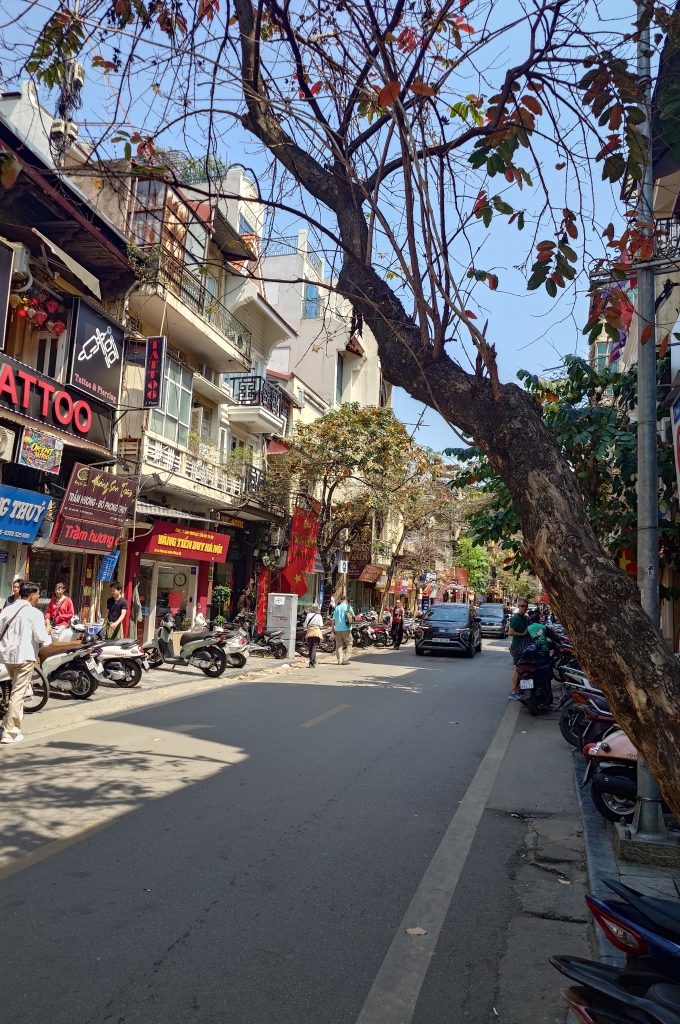
Hancock Street
Hang Bac
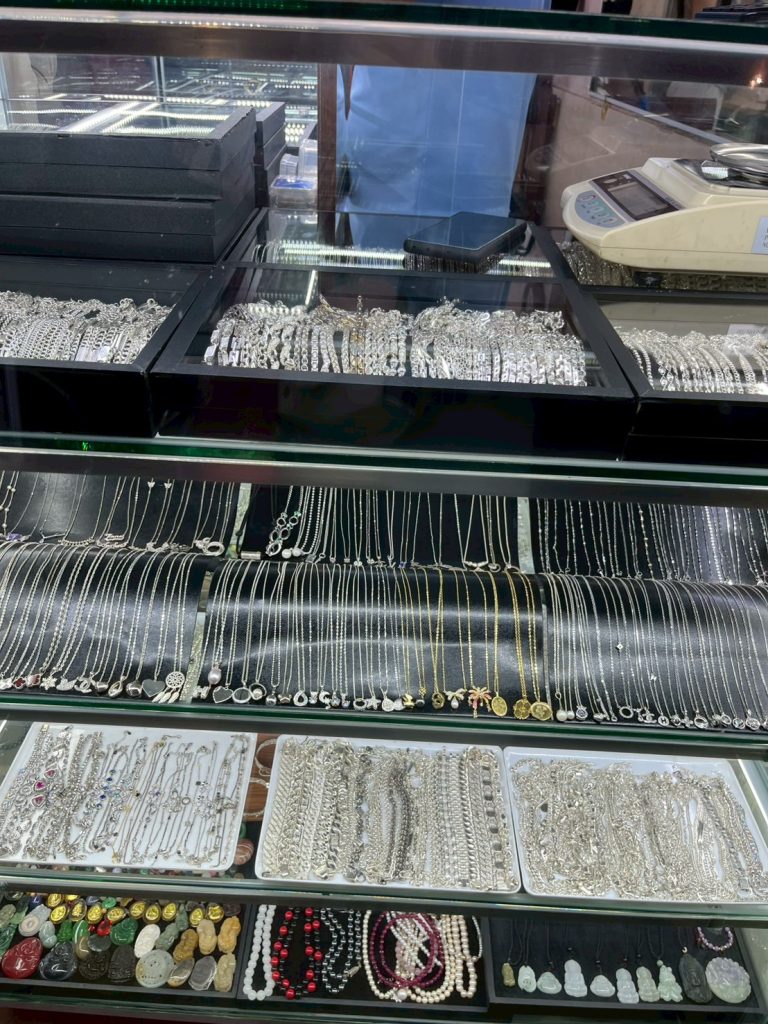
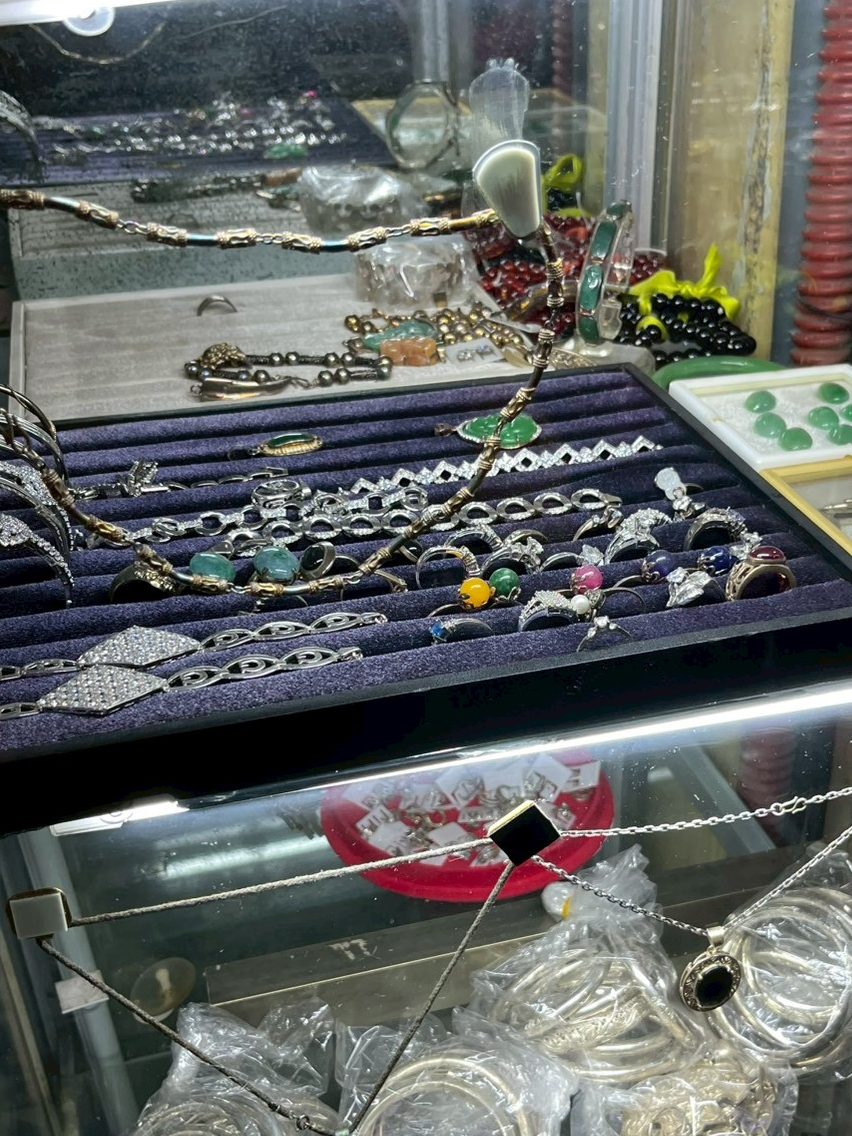
As the name Bac (Silver) suggests, it is one of the oldest streets in Hanoi, and has long been known as a place where skilled silver and gold craftsmen gather. It is believed that around the 15th century, artisans who moved from neighboring villages began casting silver coins. Later, when the minting of currency was moved to another city, the exchange of currency took place on this street. During the French colonial period, there were numerous exchange shops, making it a bustling financial center known as the "Exchange Street." Today, silver and gold shops, accessories stores, and exchange shops line the street, and at the back of the street remains the Dinh Kim Ngan, a place of worship for artisans. This is a street that tells the story of the commercial history of the old city and the craftsmanship culture of the artisans.
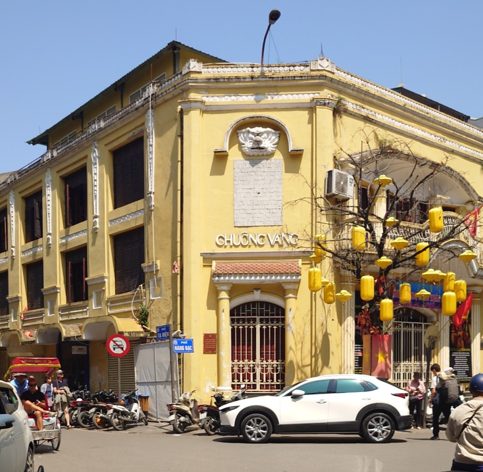
Truong Van Theatre
A theater located on Hung Bac Street. They are performing Cai Luong. Cai Luong is a traditional theater that originated in southern Vietnam in the early 20th century. It is a popular performing art that combines traditional music with dialogues and songs to tell a story. It is still being performed today and is beloved by many people as a stage where they can experience Vietnam’s traditional culture.
Hammer Street
Hang Ma
The old town is also known for its particularly colorful streets. The streets are lined with colorful paper crafts used for coronations, weddings, and funerals, creating a particularly spectacular landscape within the old town. “Ma” means the funerary urn used in funerals and other ceremonies, and is made from paper to ensure the deceased does not suffer in the afterlife. These paper products have been made since ancient times and have been sold as indispensable items for religious ceremonies and annual festivals. Now, shops that stock and sell products made in various parts of China and Vietnam have also increased. However, there are still shops that make lion dance masks using traditional techniques. During the Mid-Autumn Festival, the lanterns and toys line the streets, making it one of the top event spots in the old town, where families and tourists come together.
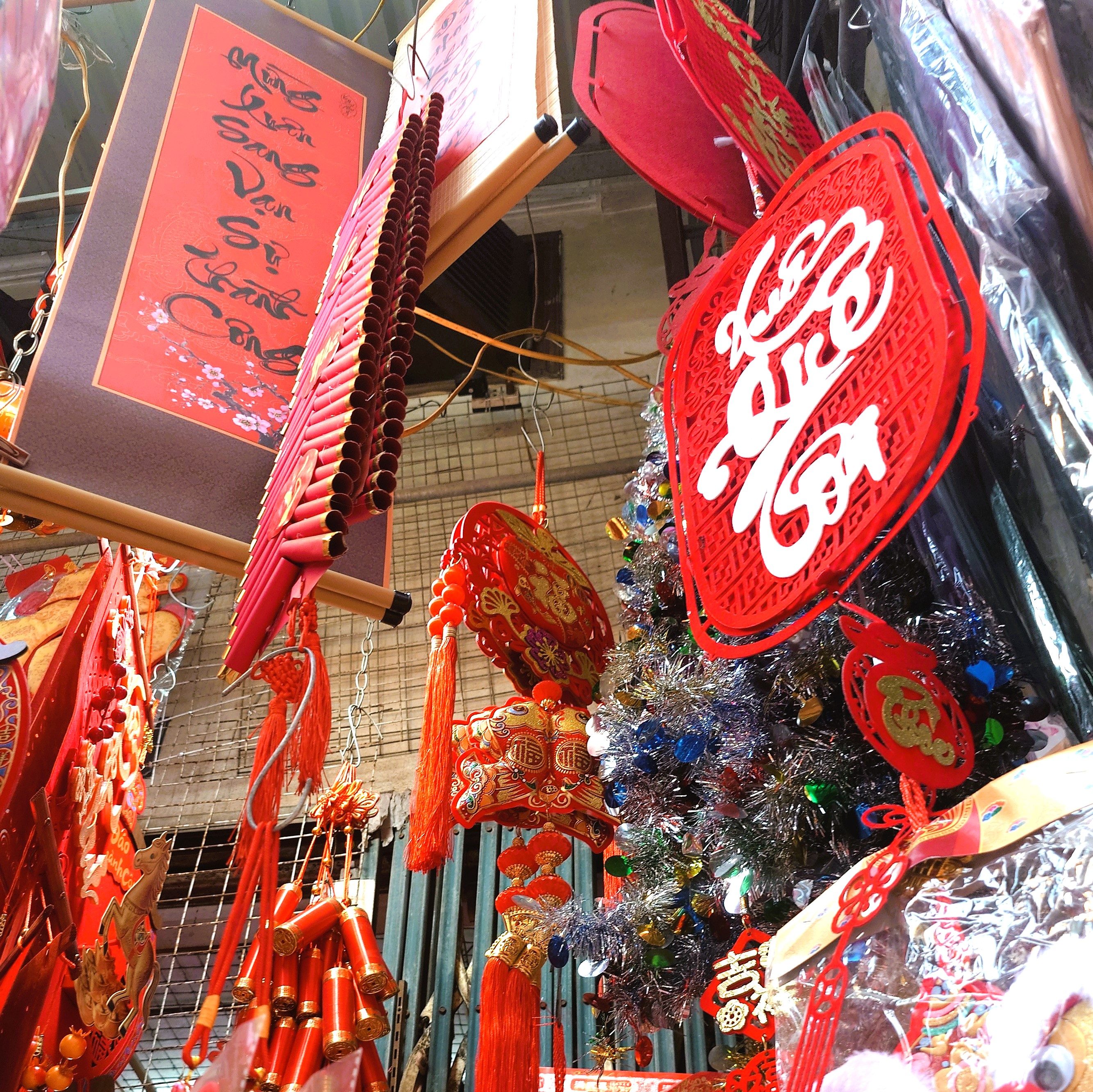

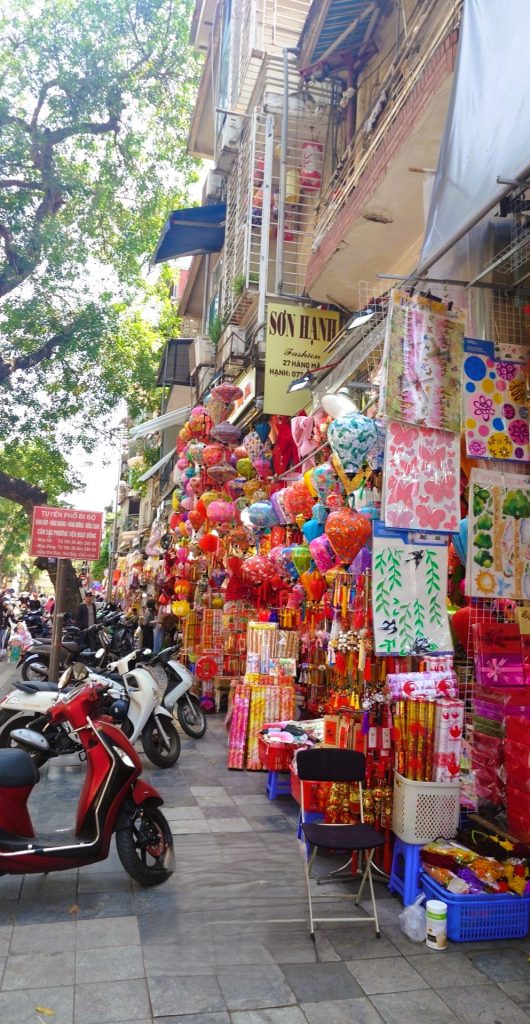
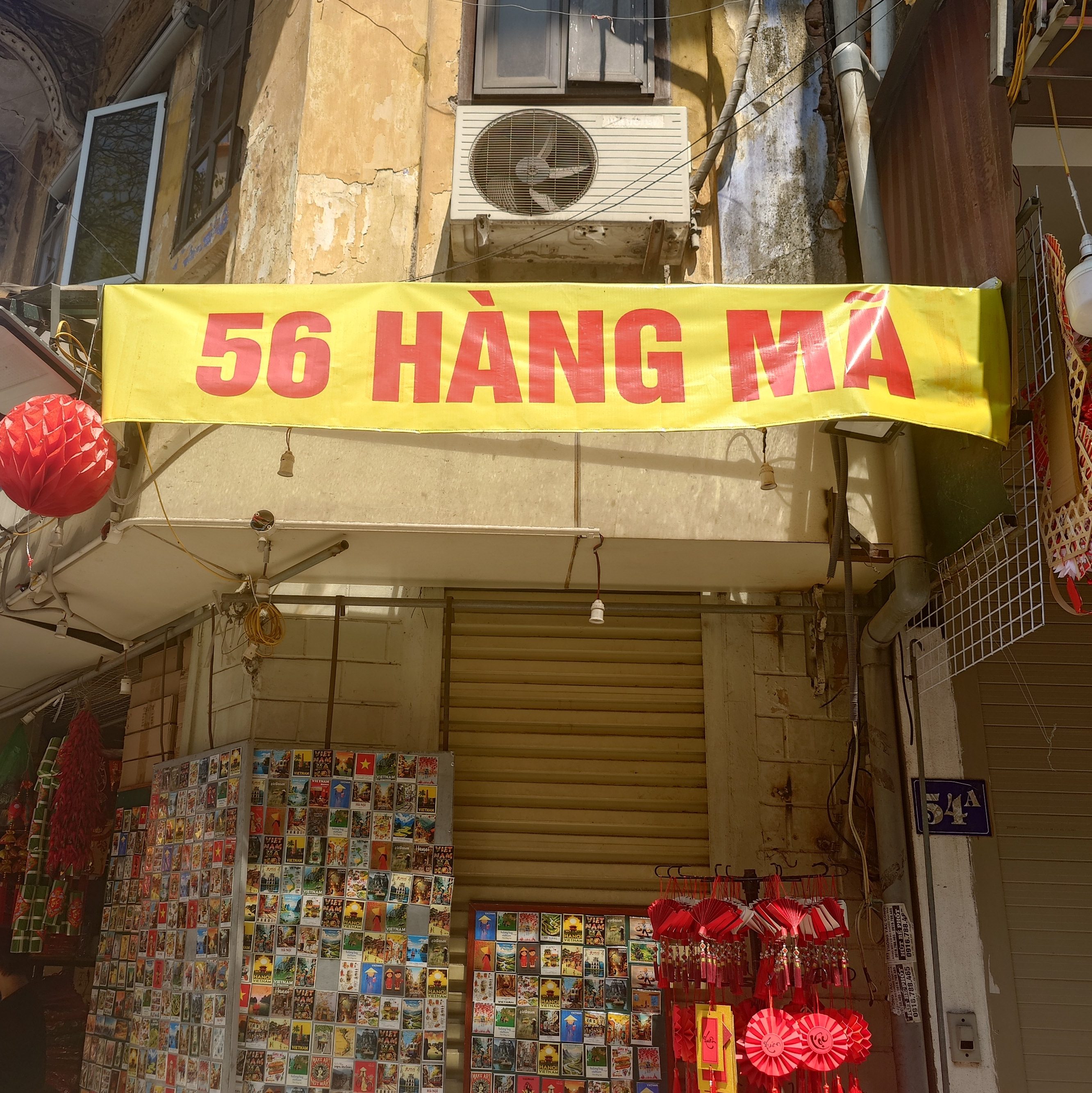
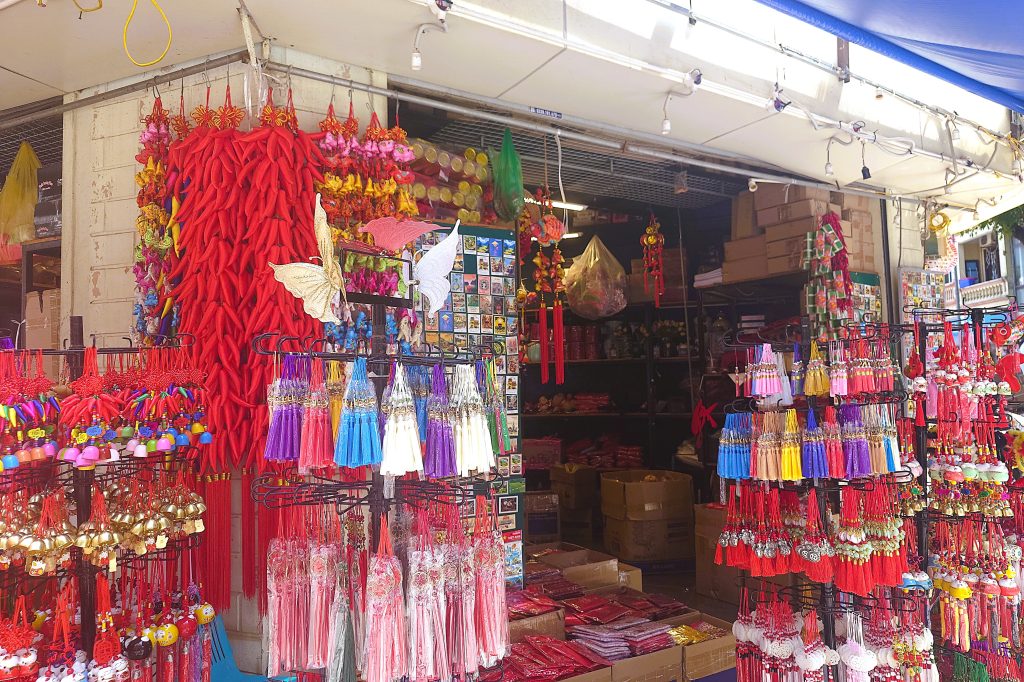
56 Hang Ma (Han Ma)
Address: 56 Hang Ma, Hoan Kiem, Hanoi
If you're tired, take a break here.
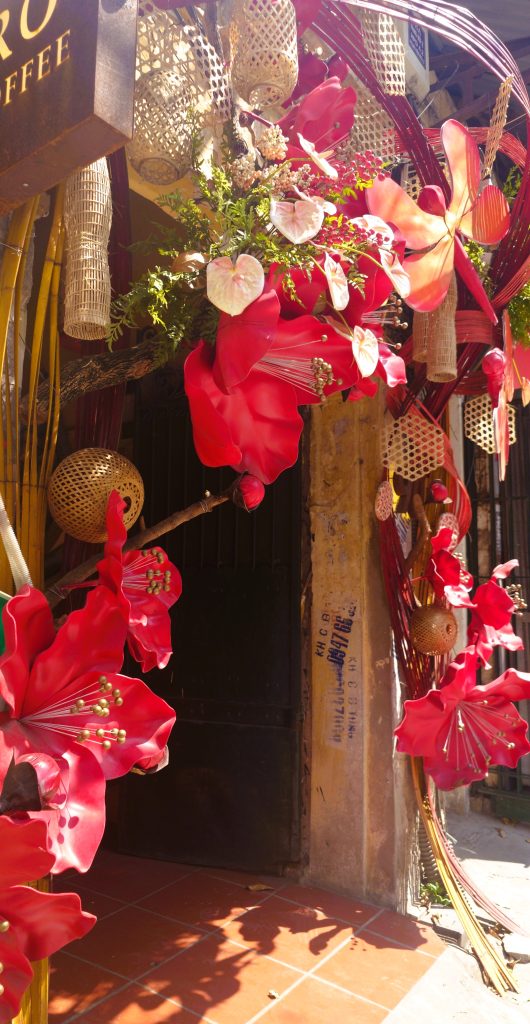
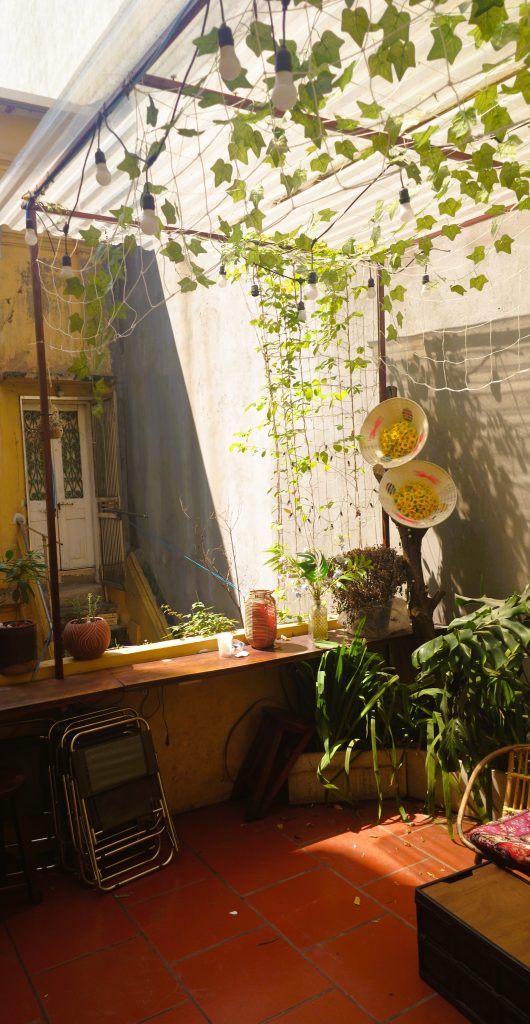
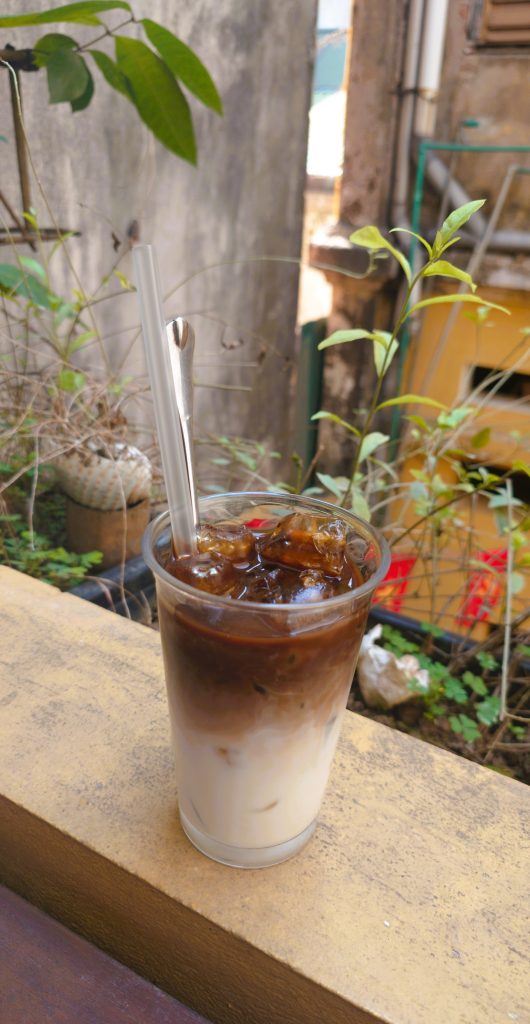
Ro Coffee
Address: 90 Hang Ma, Hoan Kiem, Hanoi
A sweet street lined with confectionary and dessert shops
One of the most common sights in Vietnamese cities are shops selling colorful sweet treats and fruits. Due to the warm climate and abundant fruit production, candied fruits and sweet treats have become popular as everyday snacks and treats for guests. They are also highly valued as a source of energy to replenish physical strength in hot climates.
Handouon Street
Hang Duong
This is a street where shops selling sweet treats and fruit gather in the old city. It once flourished as a center for the trade of sweets, and many shops selling candy and sugar-coated fruits lined up along the street. Today, shops selling candied fruits and dried fruits line the streets, and colorful products are displayed outside the shops. There are also many sweets made with ingredients such as ginger, coconut, mango, and tamarind, and the unique flavor of sweet and sour is characteristic of them. During the Lunar New Year, it becomes bustling with people seeking gifts and visitors, making it a street that evokes the sweet culture of Vietnam. Many confectionery shops still gather there, preserving the sweet culture that has been passed down along with the history of the trade in the old city.
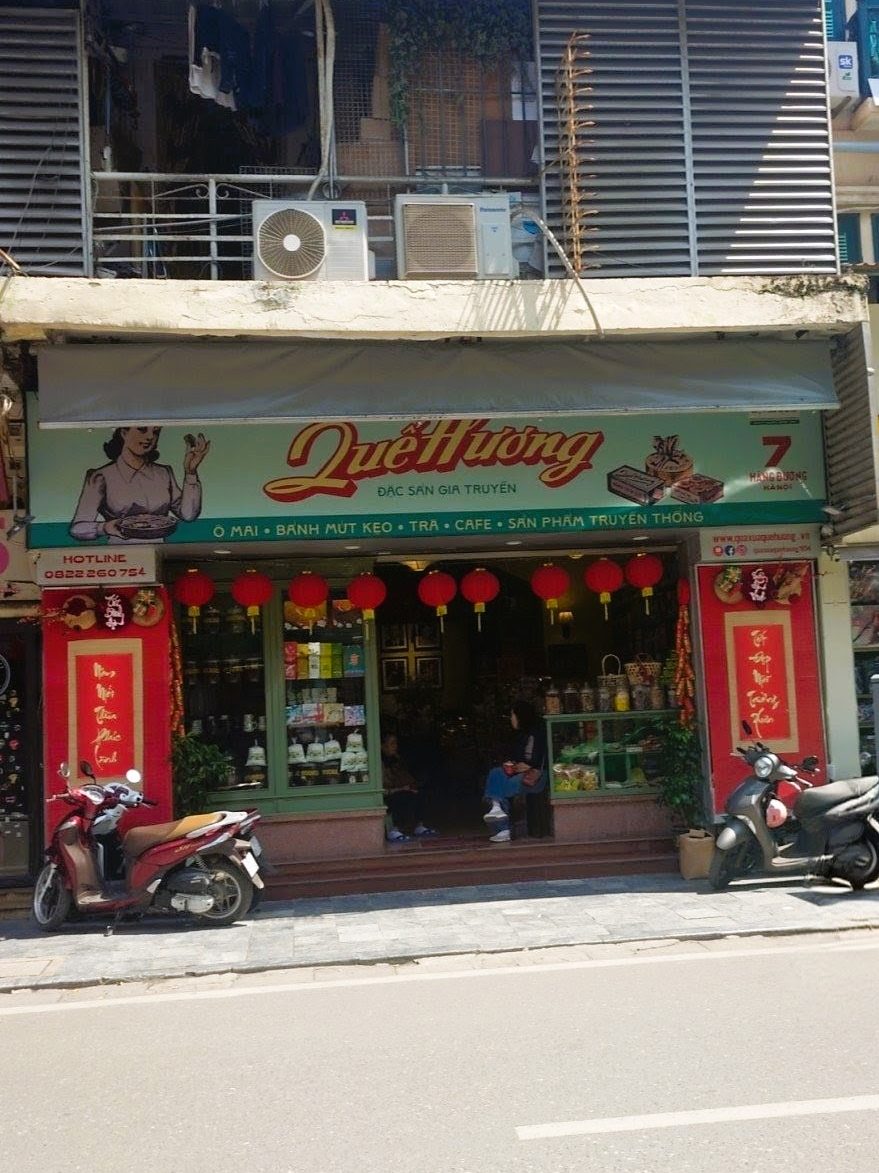
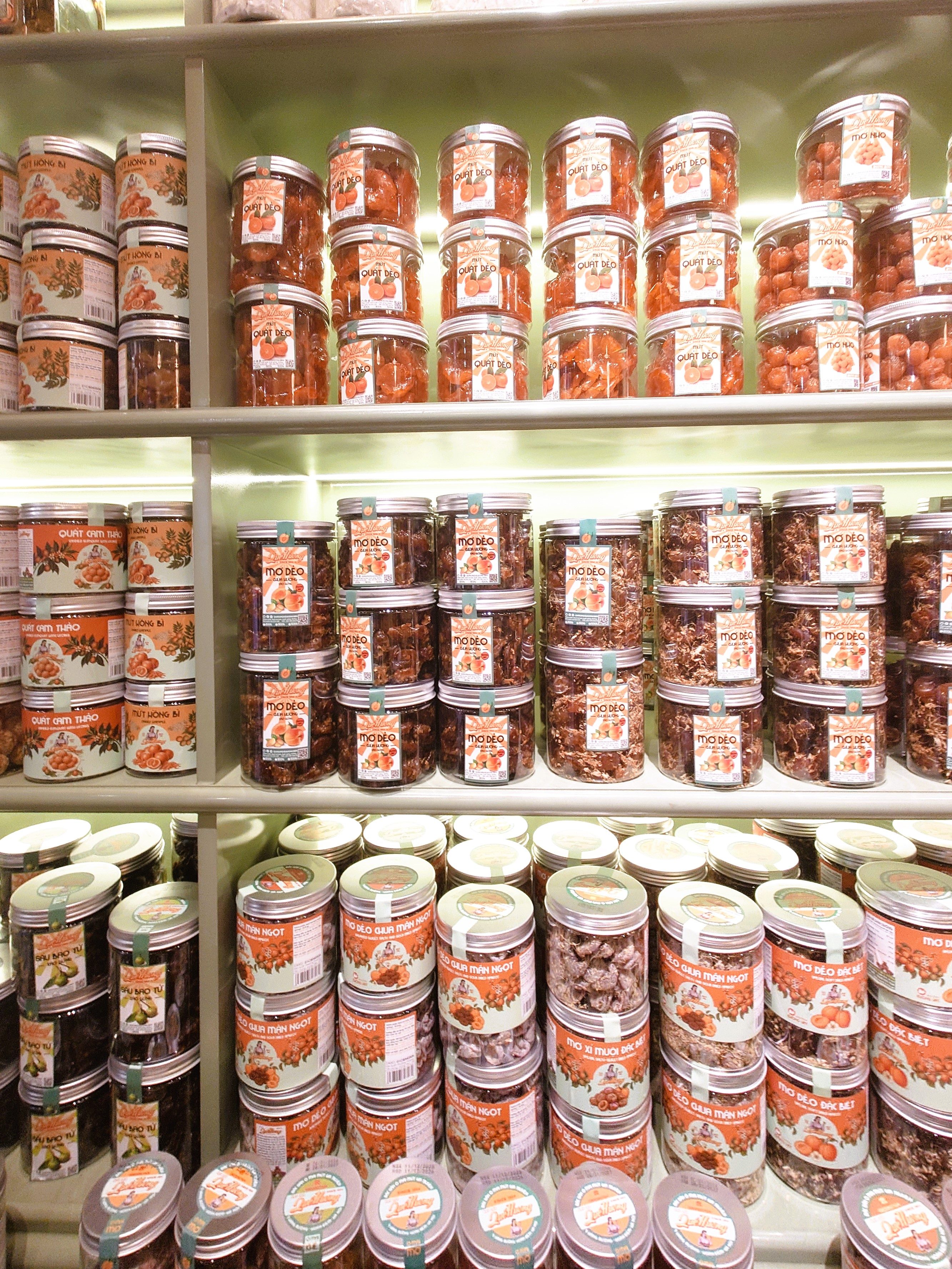
Que Huong (Qué Huong)
Address: 7 Hang Duong, Hoan Kiem, Hanoi
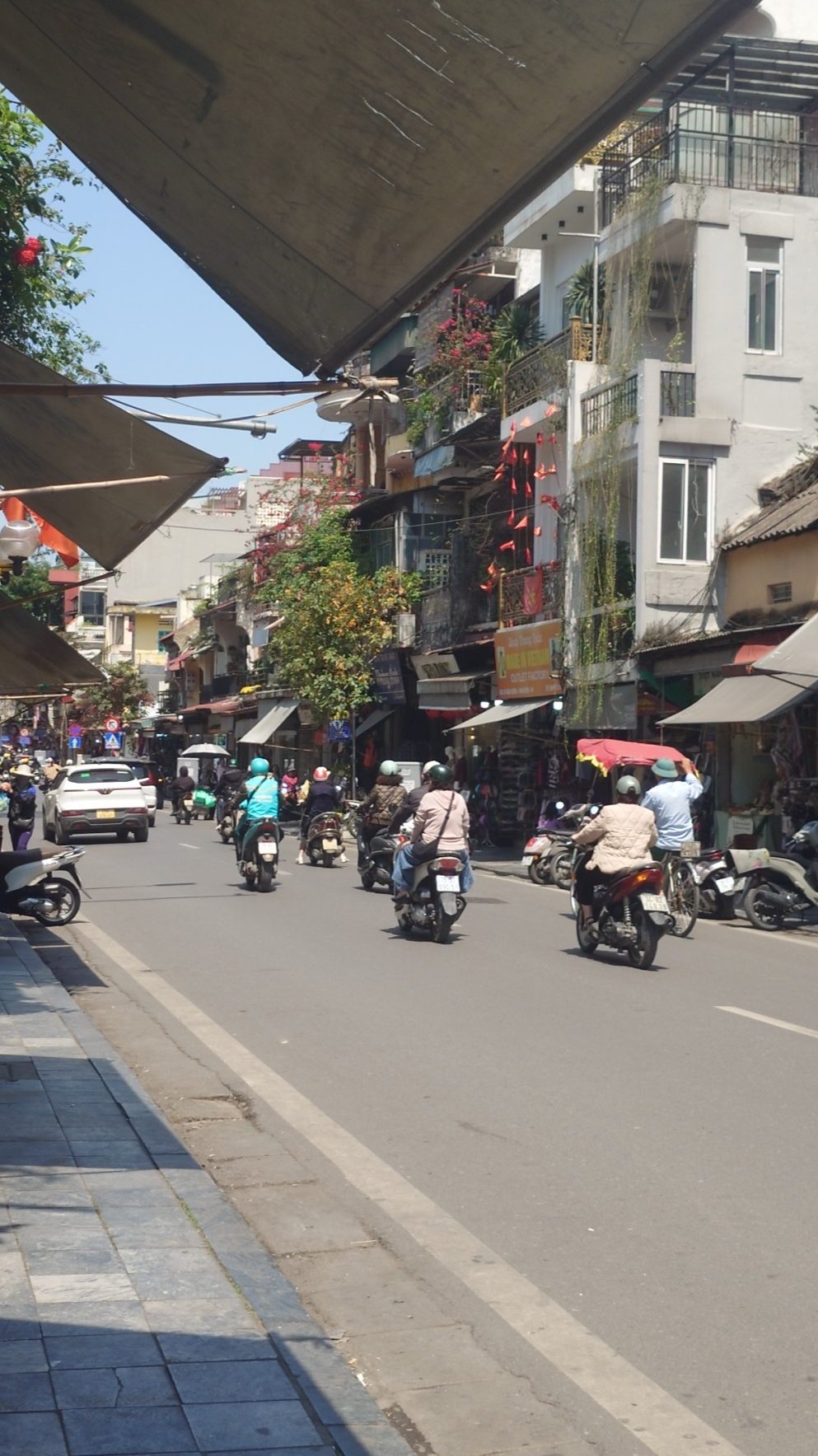
Totique Street
To Tich
On a short street about 100 meters long, you’ll find a shop selling fruit desserts called Hoa Qua Dam. These sweet treats are made by cutting colorful fruits like mangoes, papaya, and watermelons into small pieces and pouring condensed milk or syrup over them. They are characterized by adding ice to make them refreshing. These shops line the street, and you can see people sitting on the small chairs and tables in front of them, enjoying them casually.
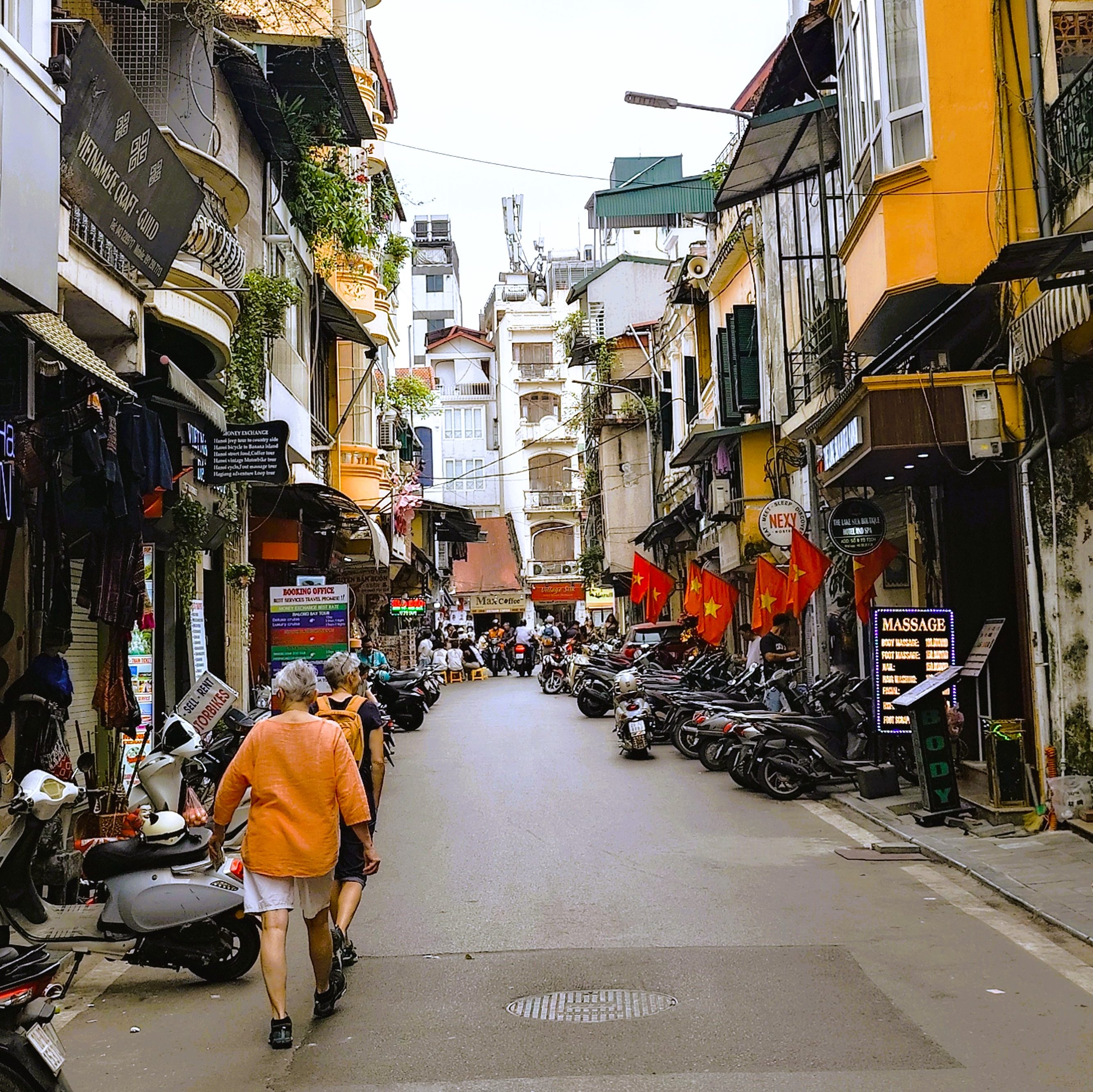
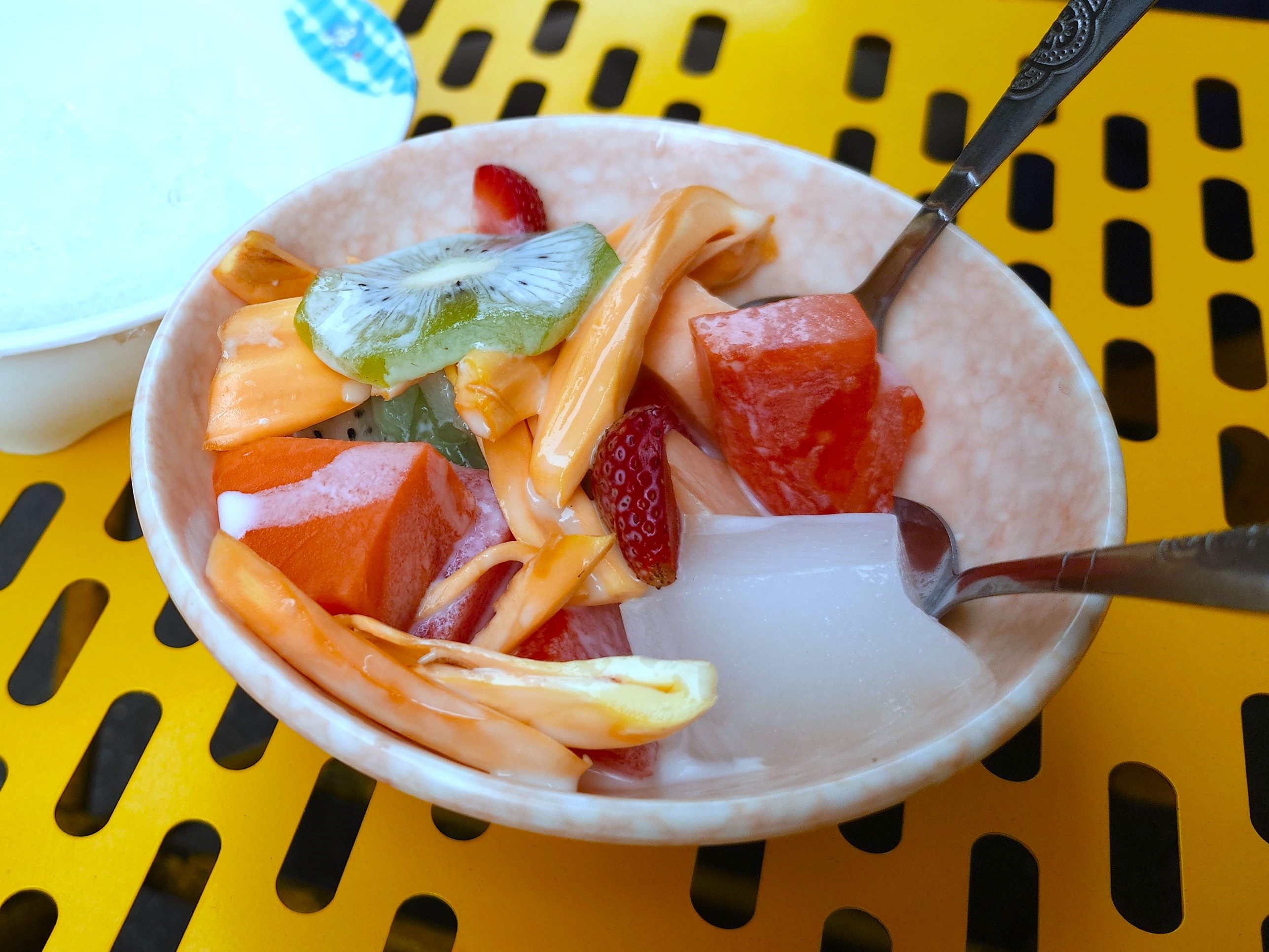
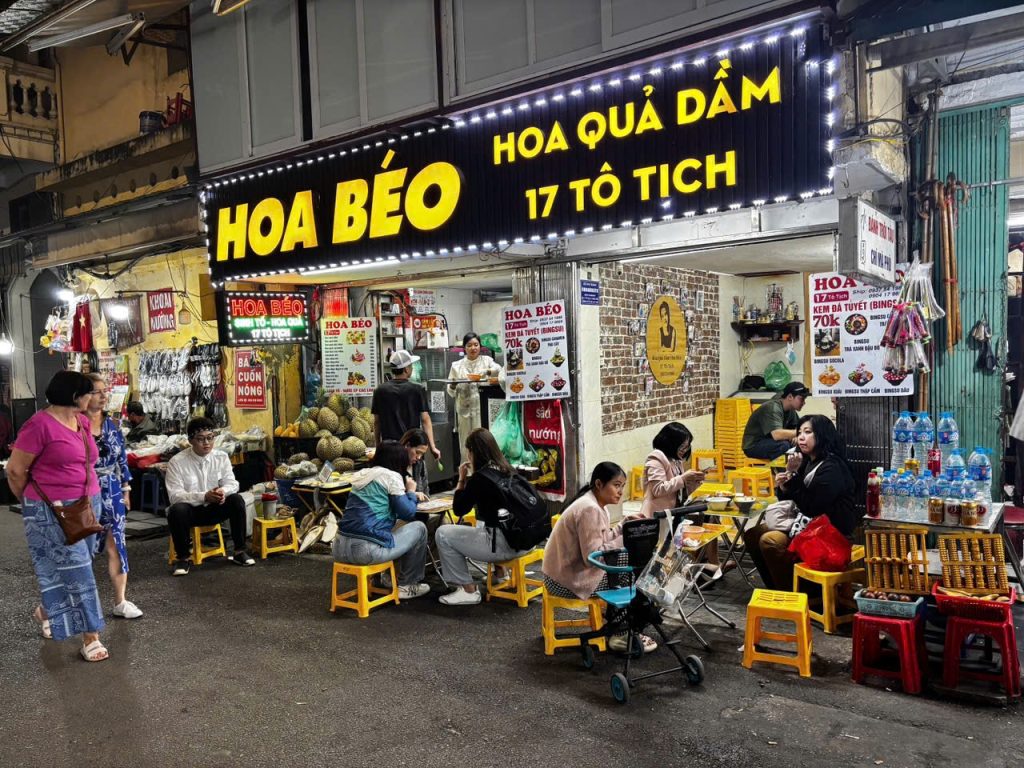
Hoa Beo (Hoah Beo)
Address: 17 To Tich, Hoan Kiem, Hanoi
Hanjai Street
Hang Giay
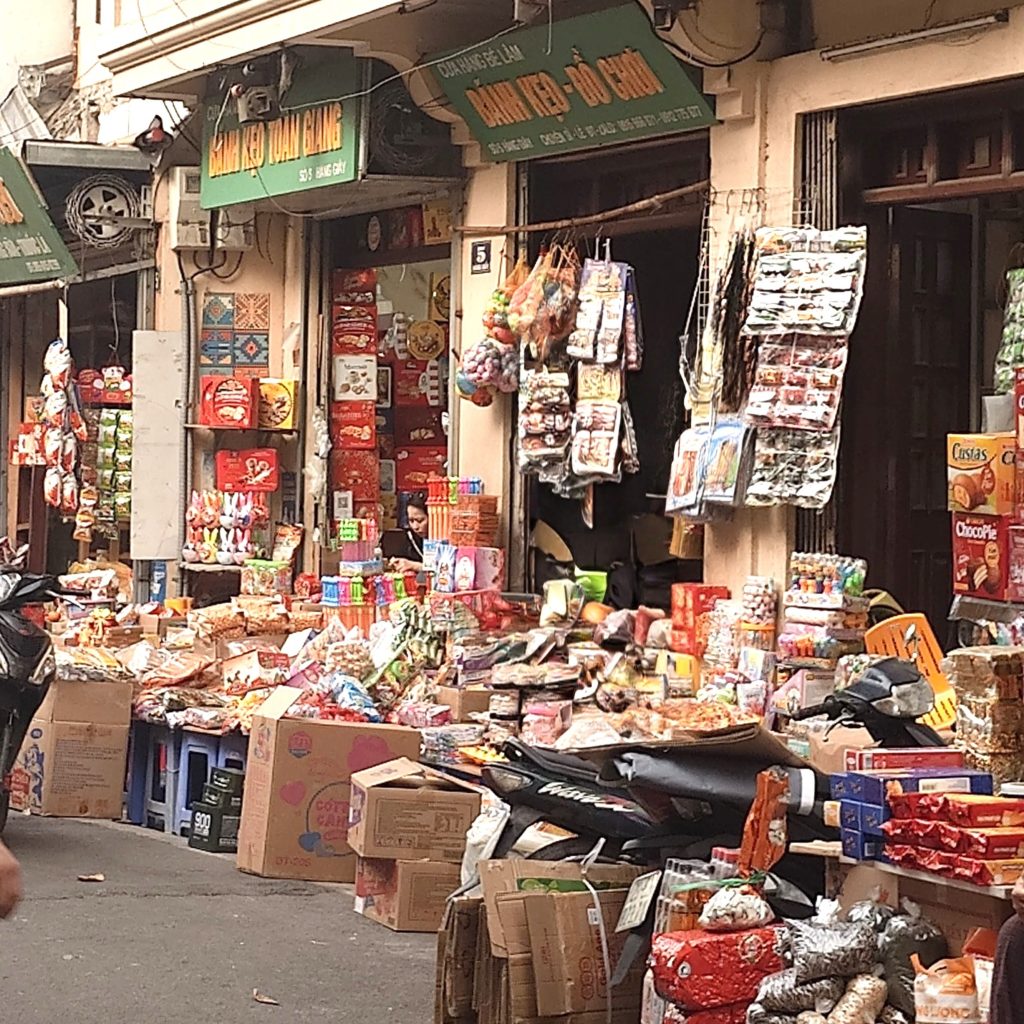
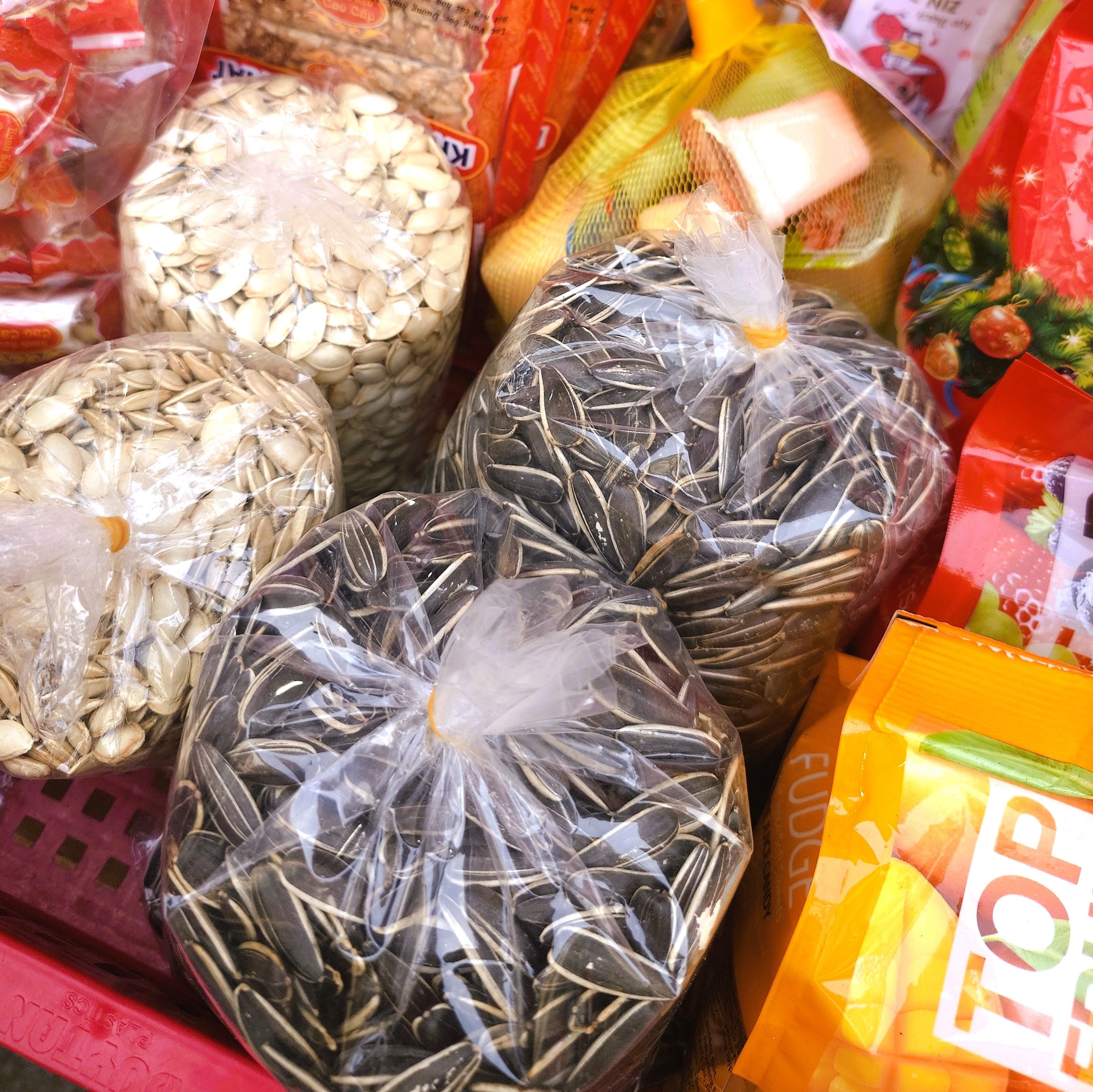
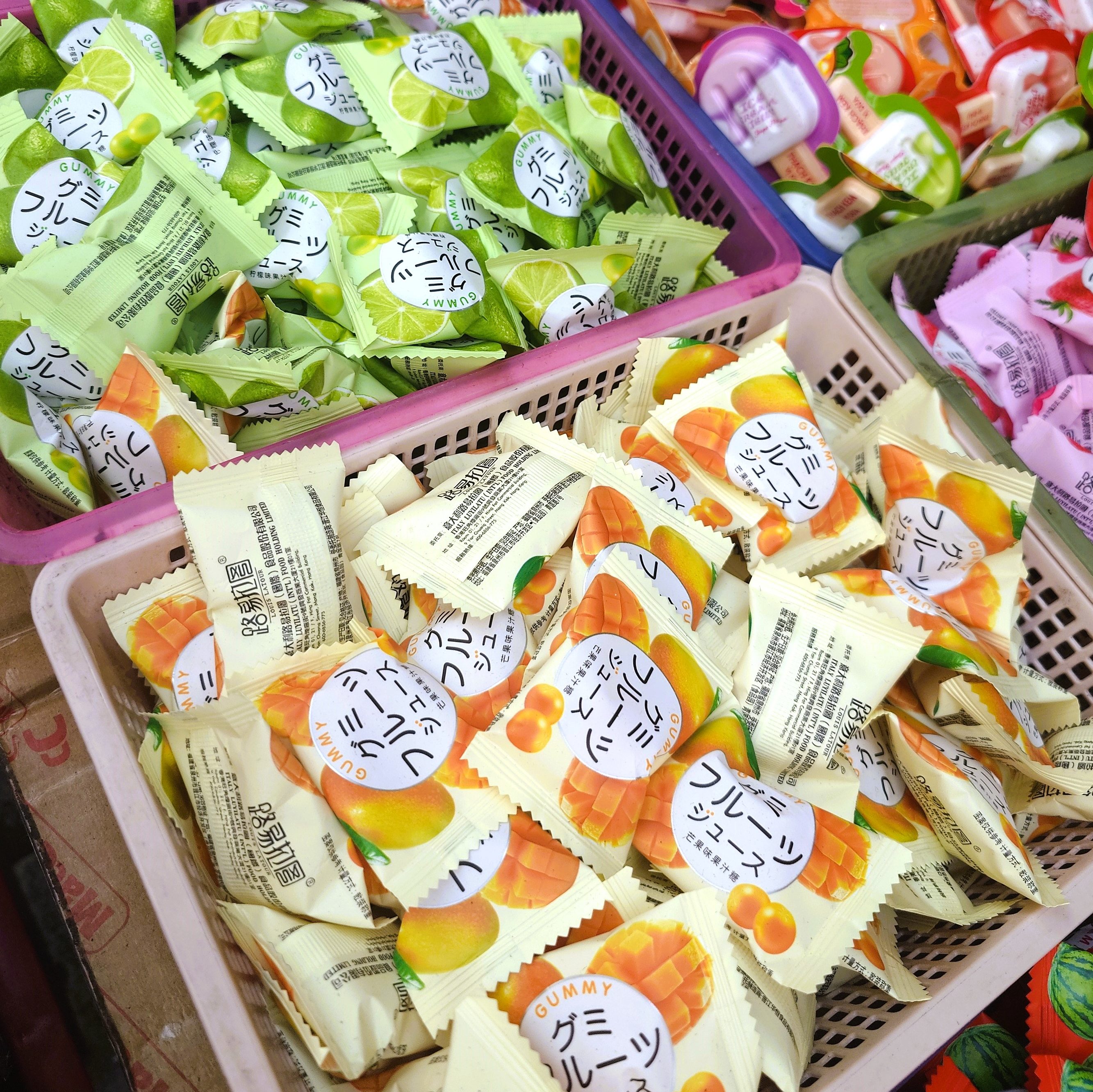
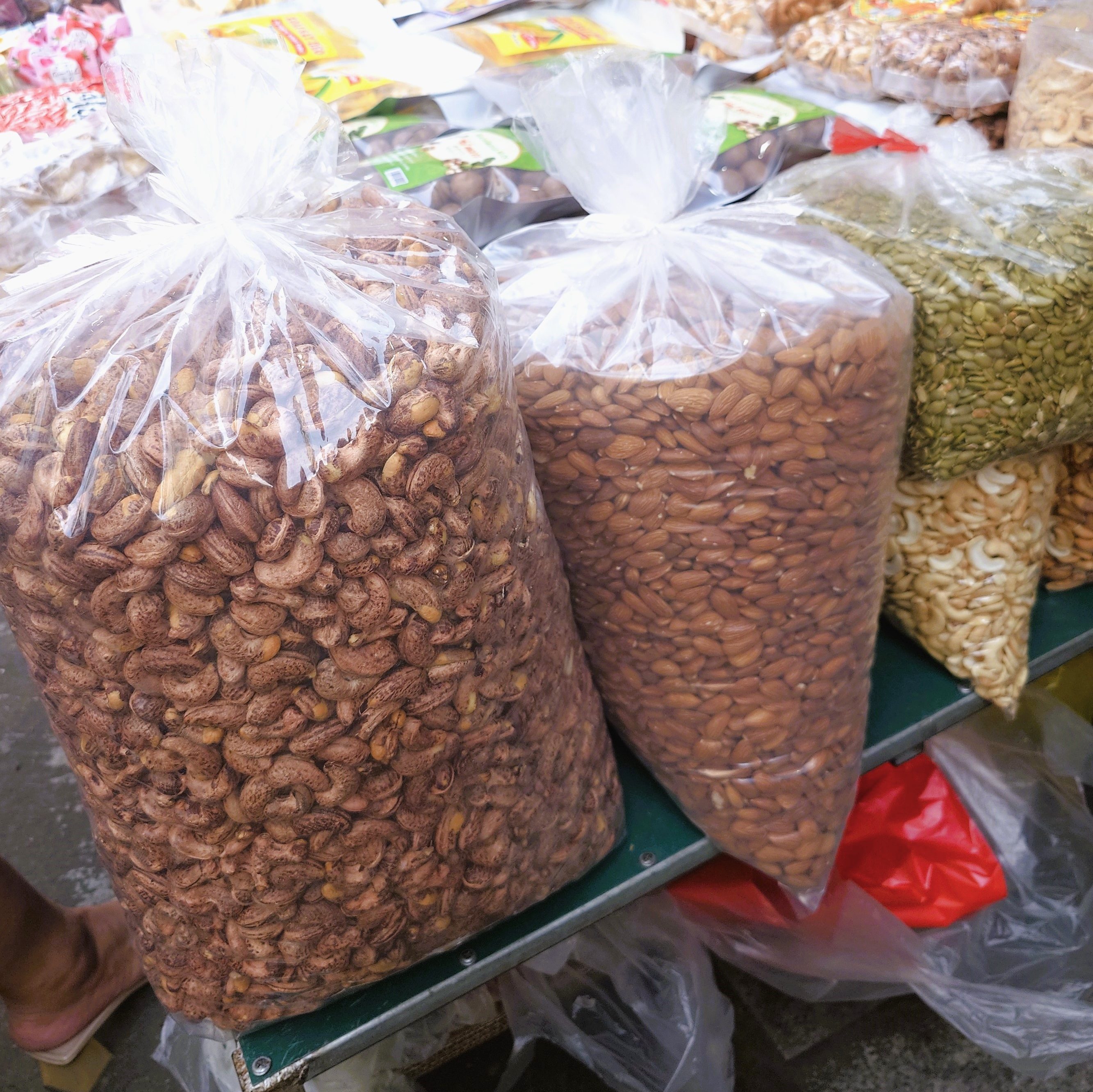
Shops selling bagged sweets, biscuits, and nuts line the street. The storefronts are filled with piles of products, creating a bustling scene with colorful packaging lining the sidewalks. There are also many products made with ingredients that are popular in Southeast Asia, such as coconut candy, roasted sesame seeds, and peanuts. This still retains the look of a traditional sweets market. There are also many shops that handle sweets for wholesale to the markets in the old city. This is a street where locals regularly come to purchase goods. In recent years, there have also been a growing number of shops that specialize in imported packaged sweets and candy, offering a wide range of products from traditional sweets to souvenirs.
A street lined with silk and tailoring shops
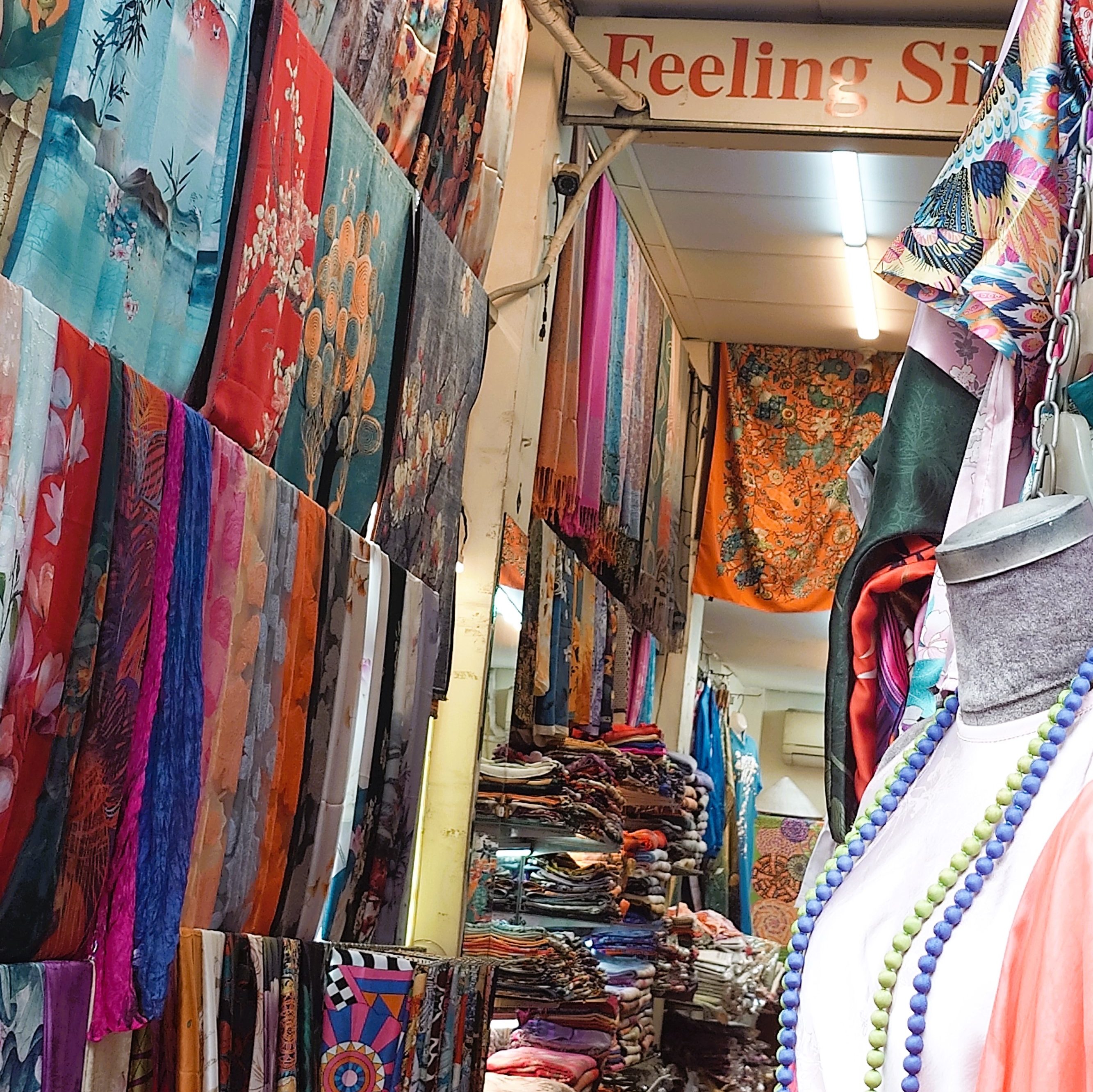
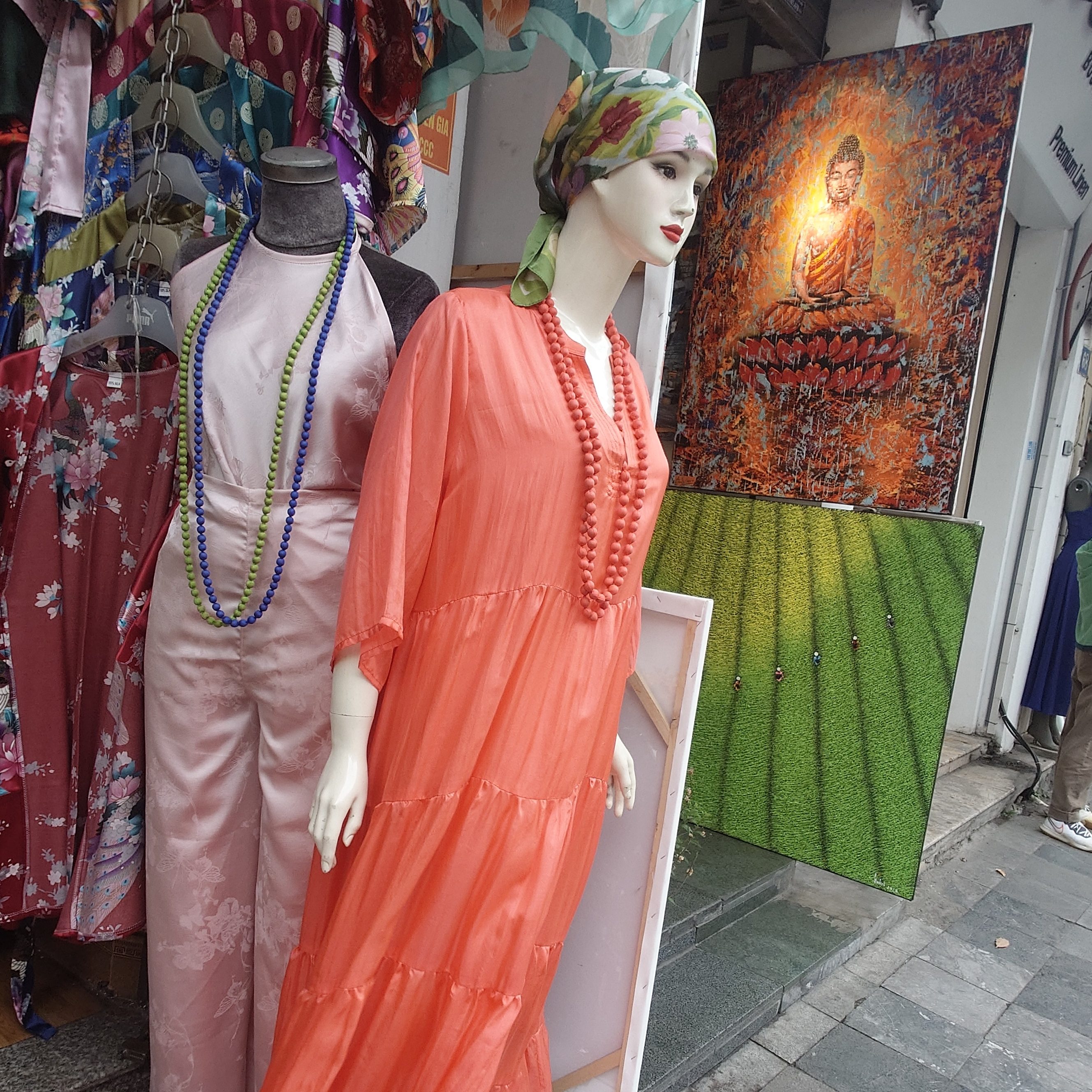
In the Old City of Hanoi, businesses related to textiles and tailoring have developed since ancient times. During the time when it flourished as the royal capital of Thang Long, artisans who specialized in textiles and tailoring to support the clothing of the court and bureaucrats gathered, forming a street dedicated to clothing. Today, shops selling clothing and footwear line the streets, adorned with colorful fabrics and clothing. In Vietnam, there are also many shops that specialize in tailoring special clothing such as Ao Dai and suits, so you can often find shops that can make them to order after taking measurements.
Hangui Street
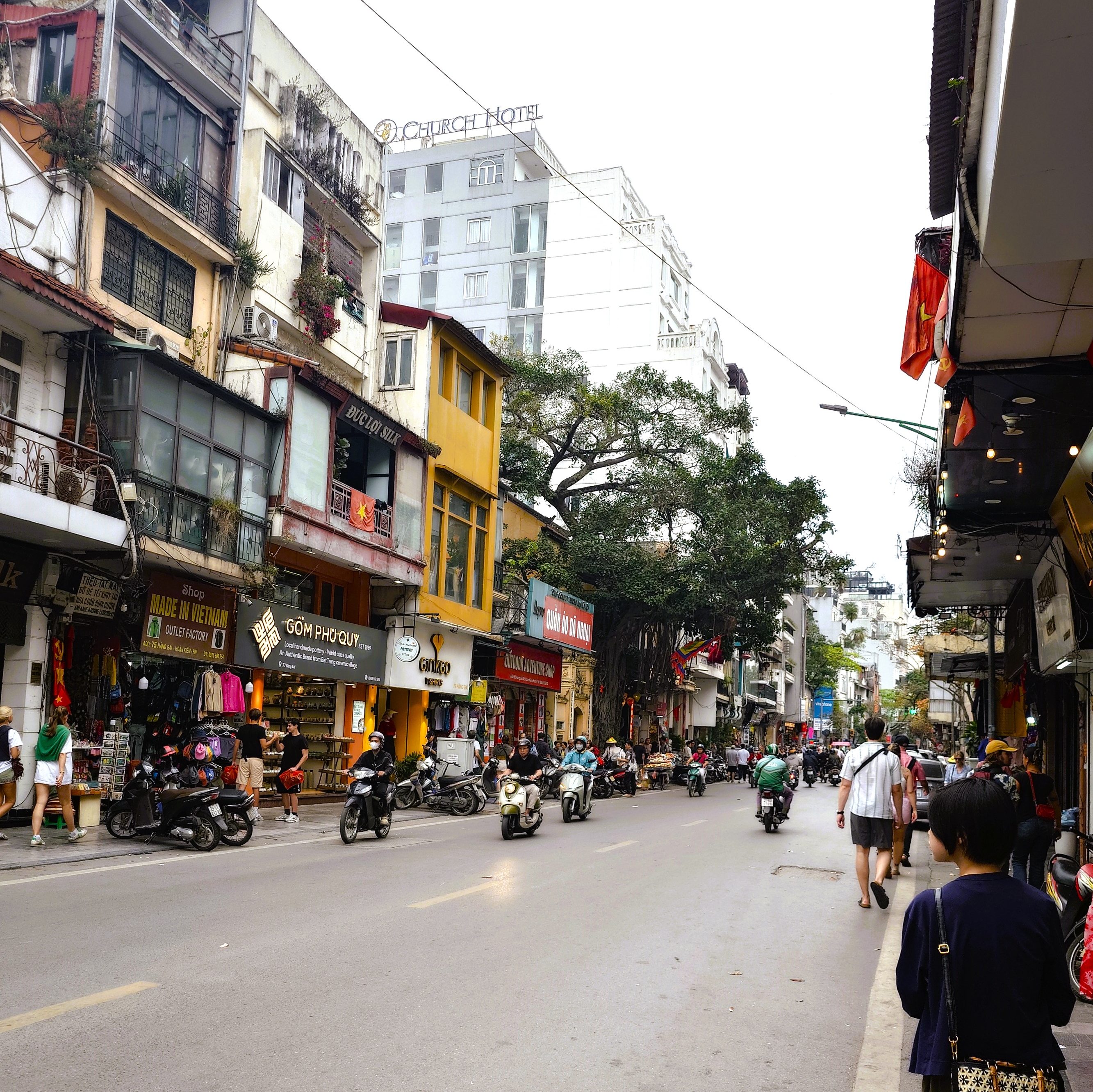
Hang Gai
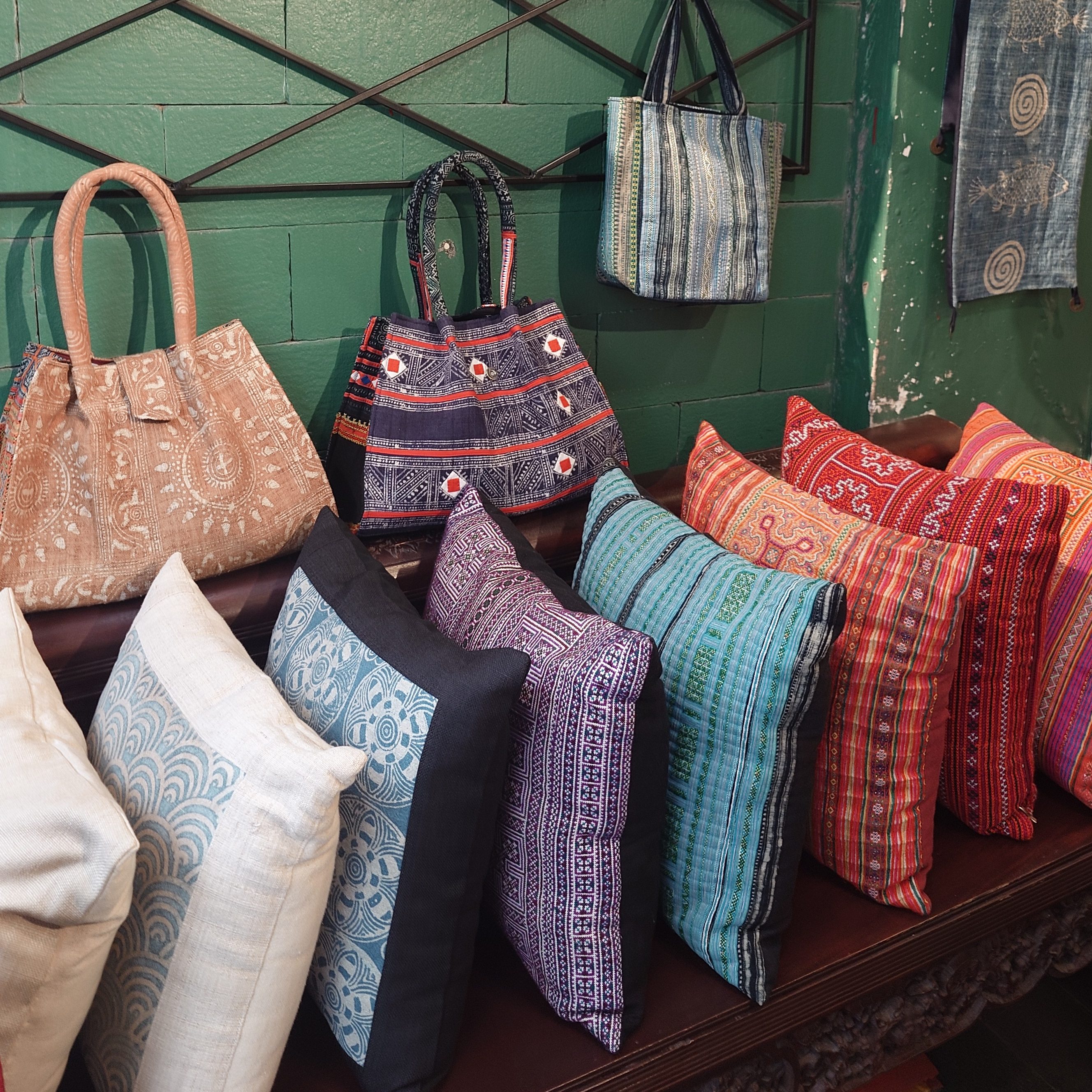
The street has long been renowned for its trade in silk textiles, and is known as one of the city’s most representative businesses. The name “Gai” means silk fiber and originates from the fact that merchants who dealt in silk and textile products gathered there. Later, as the trade in silk textiles grew, shops specializing in silk products increased, and during the French colonial period it became known as the “Silk Road.” There are villages in the vicinity of Hanoi known for their silk textiles, such as Van Vuoc Village. The silk produced in these areas is gathered in this street, where it is still traded today. Today, there are numerous shops selling silk products and colorful fabrics, with a wide selection of scarves, clothing, and tailoring fabrics. Recently, embroidered scarves and table cloths are also becoming more common.
Lonvankan Street
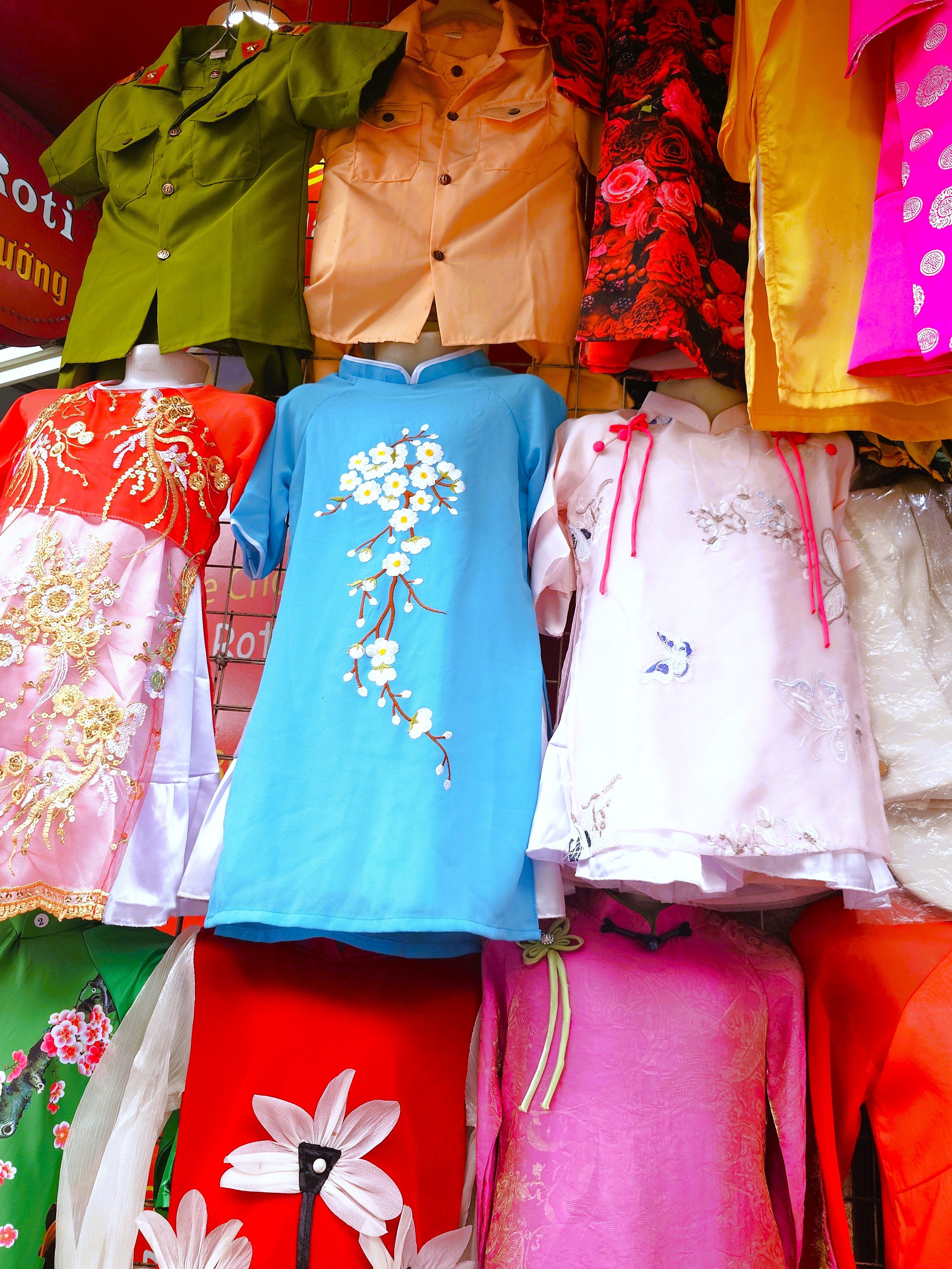
Luong Van Can
It is a street lined with clothing stores and tailor shops, and there are many stores specializing in traditional costumes such as the Ao Saï. Ao Saï is a traditional Vietnamese costume characterized by its slim design that follows the contours of the body. It is also worn at weddings, ceremonies, and as school uniforms, making it a costume deeply rooted in people’s lives even today. There are also many stationery stores, general merchandise stores, and snack shops around this area. This is also a street frequented by students and families, where schools and bookstores are also located. A variety of shops gather here, making it a popular place for daily shopping.
Hanzawari Street
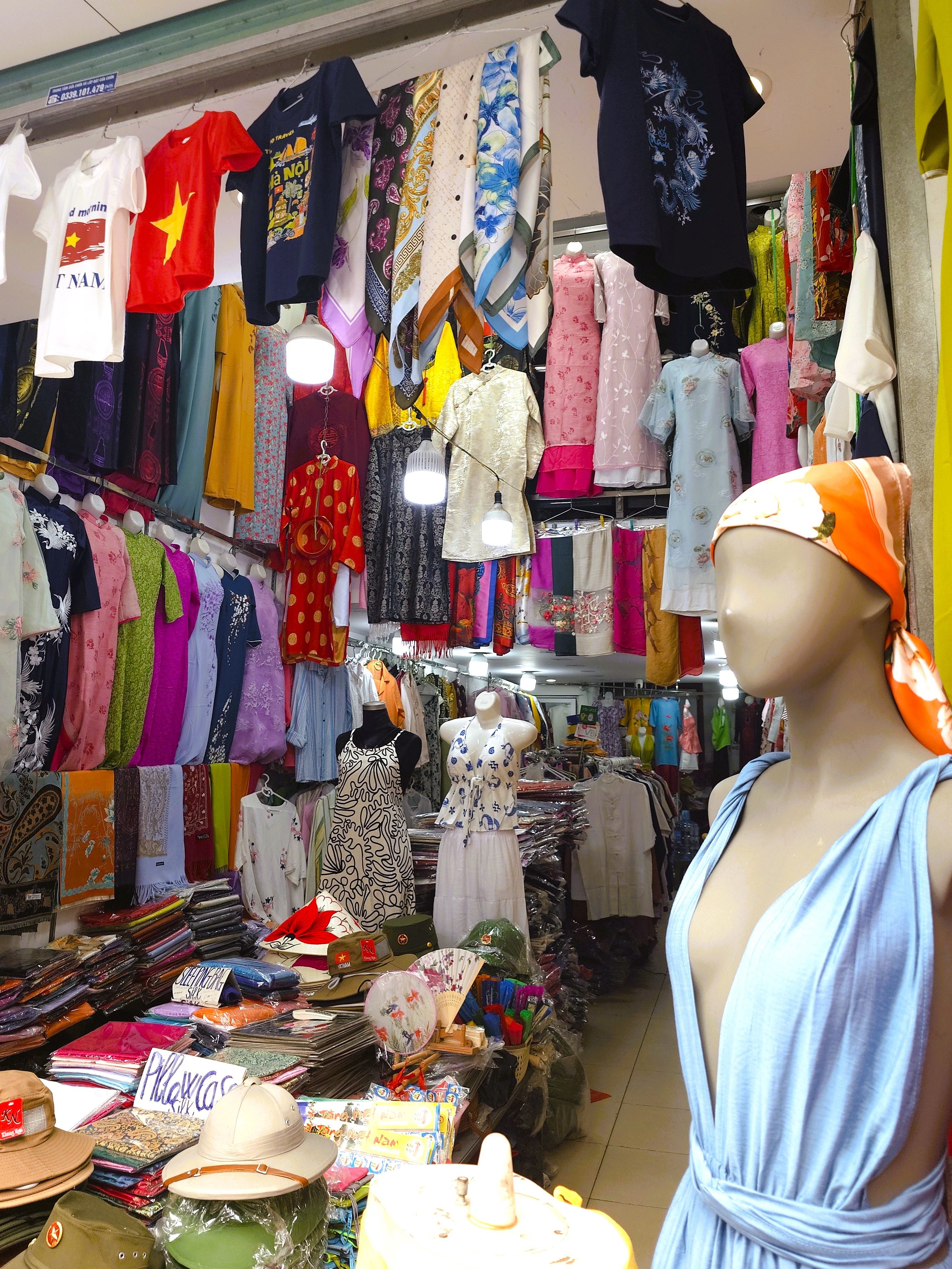
Hang Dau
It is a street where many shops selling sandals and footwear are located. The street name “Dau” means oil, and in the past there were shops that sold kerosene and cooking oil. As modernization progressed, the business of oil declined, and it is said that the number of shops selling footwear increased with the change of ownership. There are various sandals on display in the street, including those made of leather and colorful designs. Some stores also allow you to customize your sandals on the spot. In Vietnam, many people wear sandals all year round and they are widely embraced as everyday footwear.
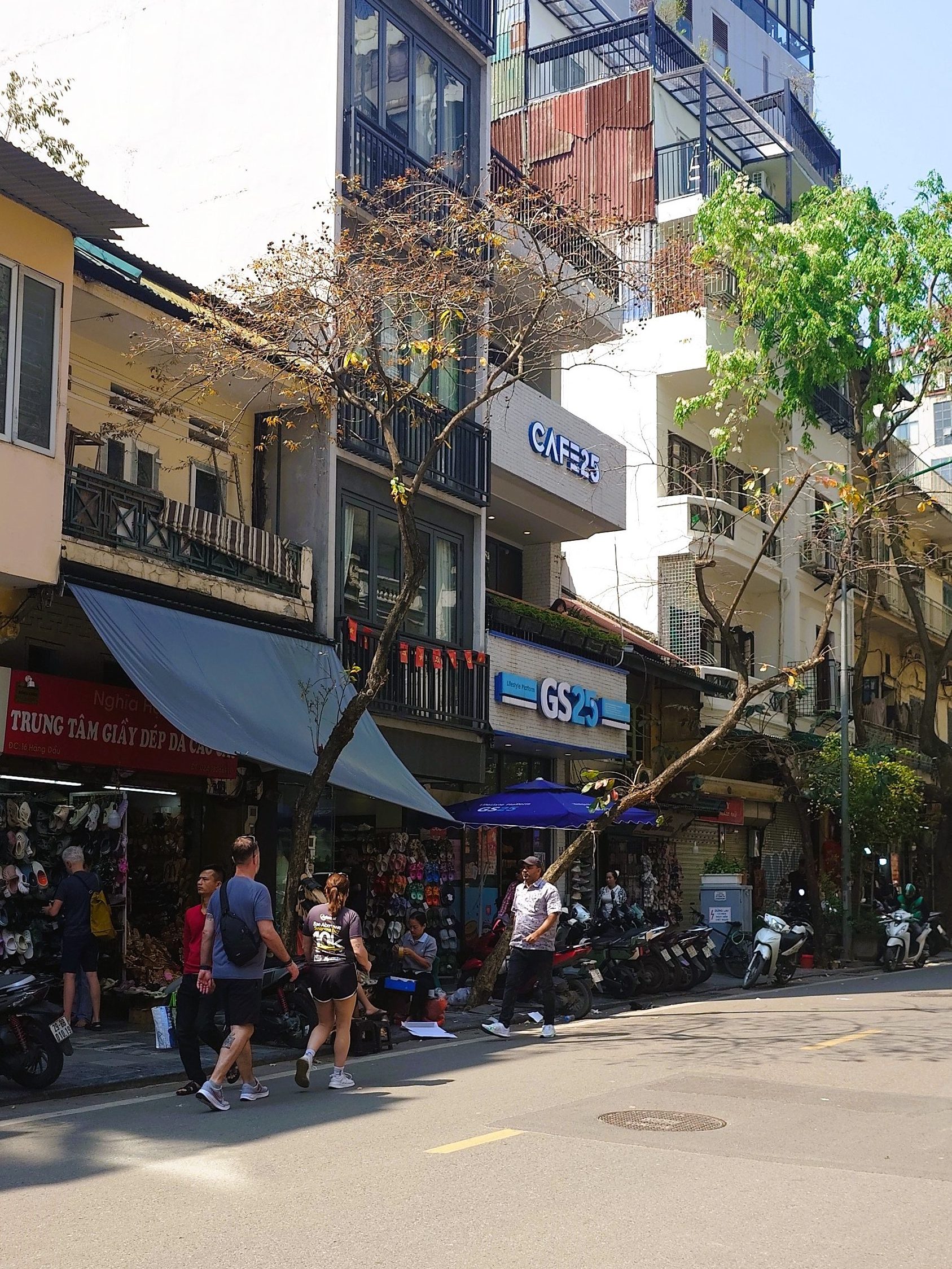
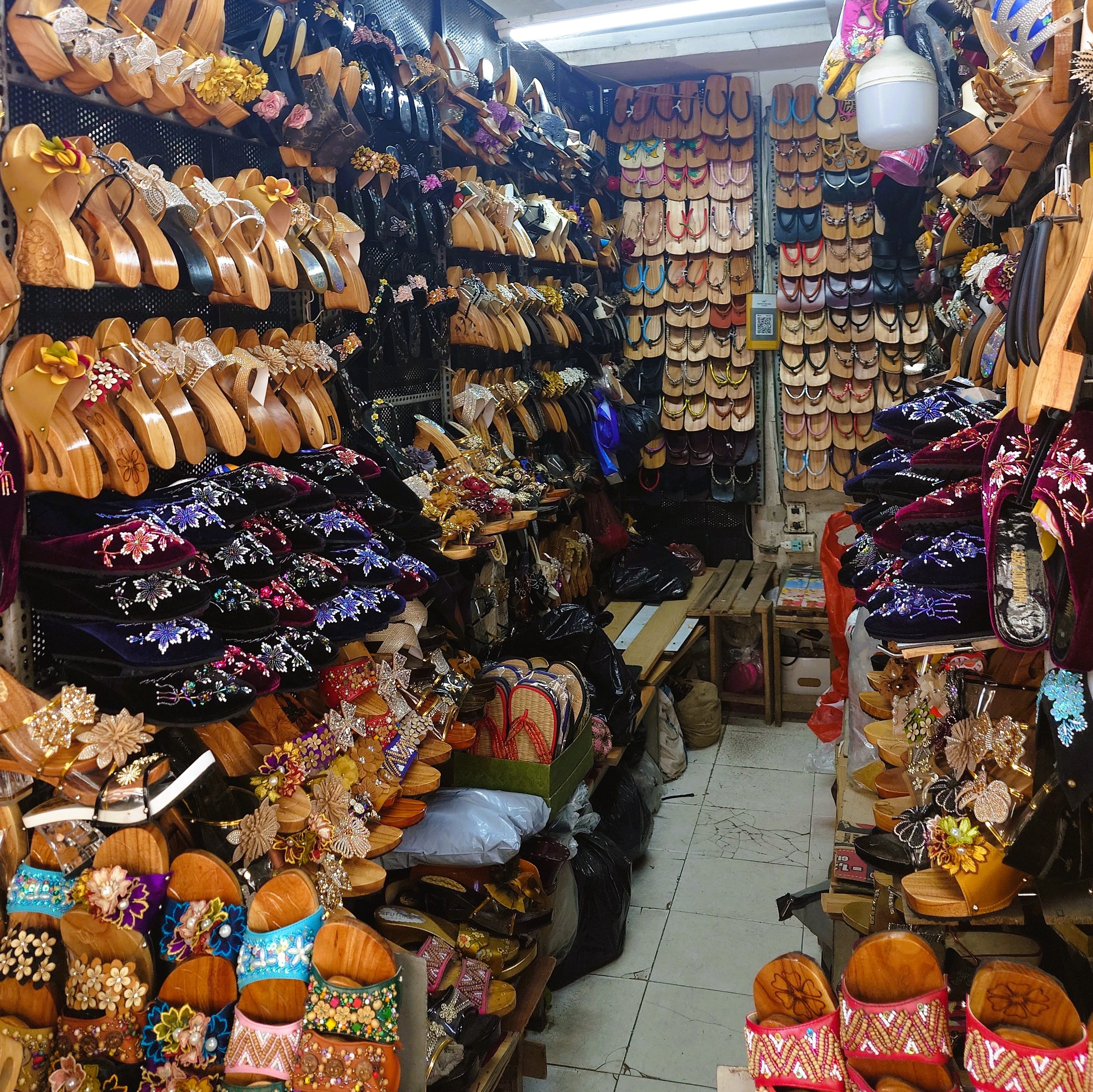
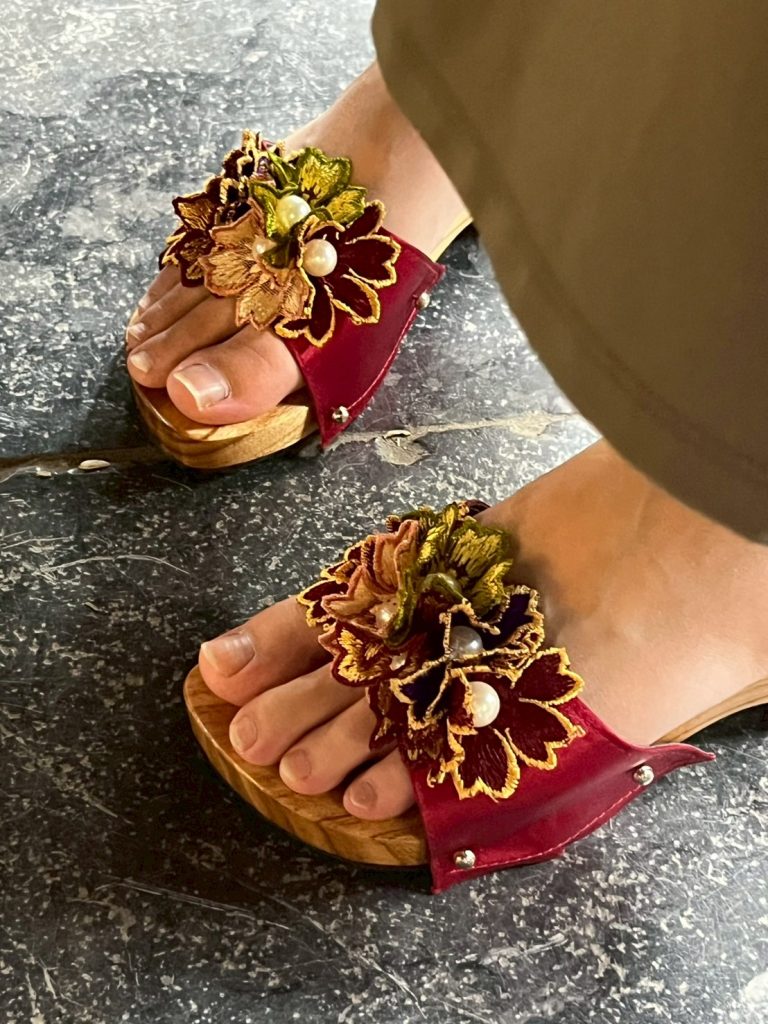
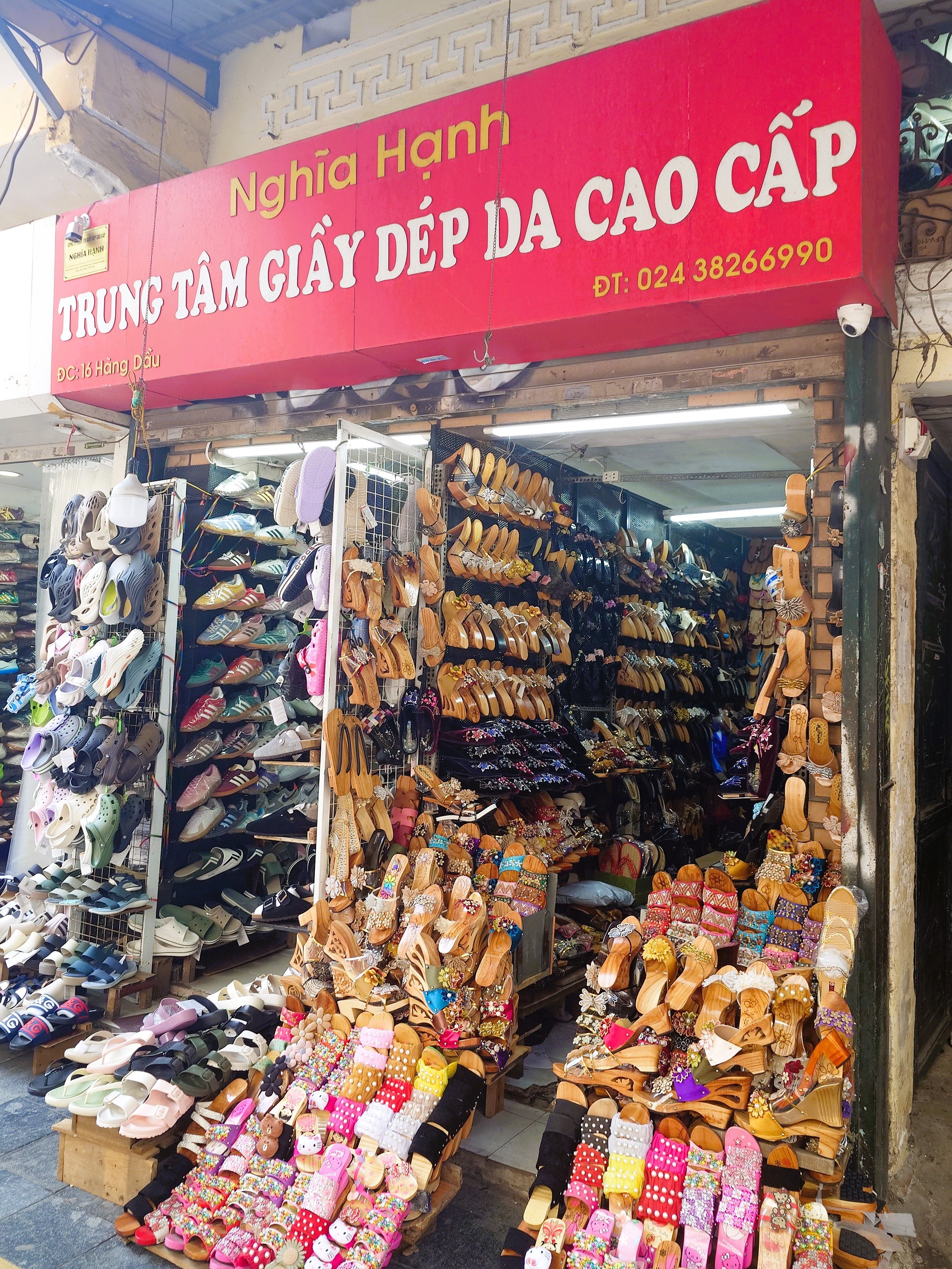
Trung Tam Giay Dep Da Cao Cap
(Chun Tan Zi Depp Zher Kaoh Cup)
Address: 15 Hang Dau, Hoan Kiem, Hanoi
A street where the vibrancy of the market and everyday life intersect
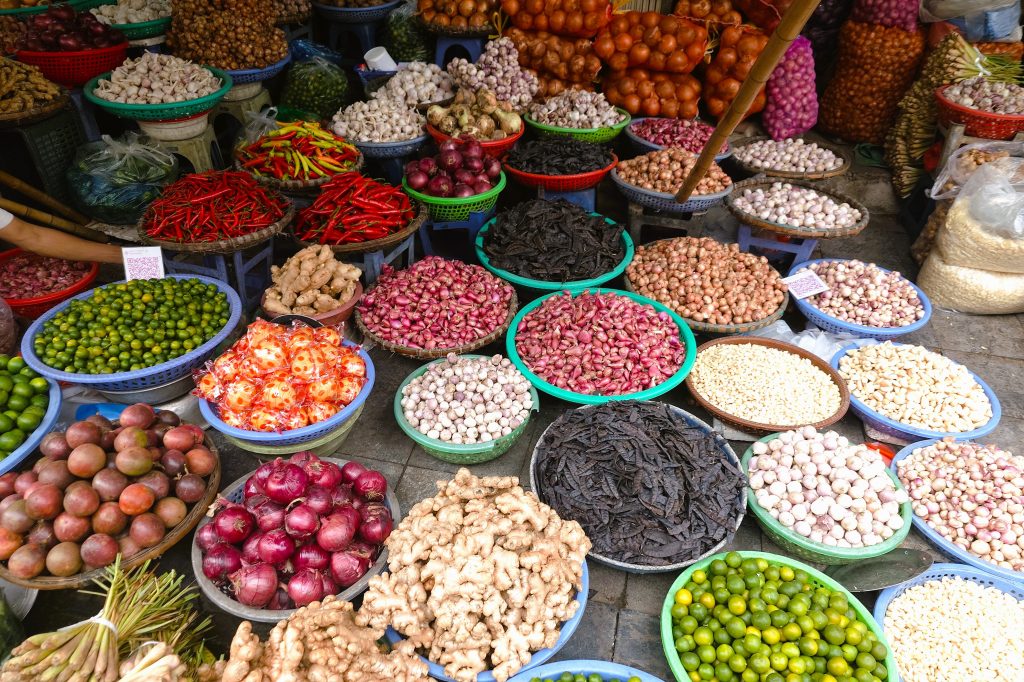
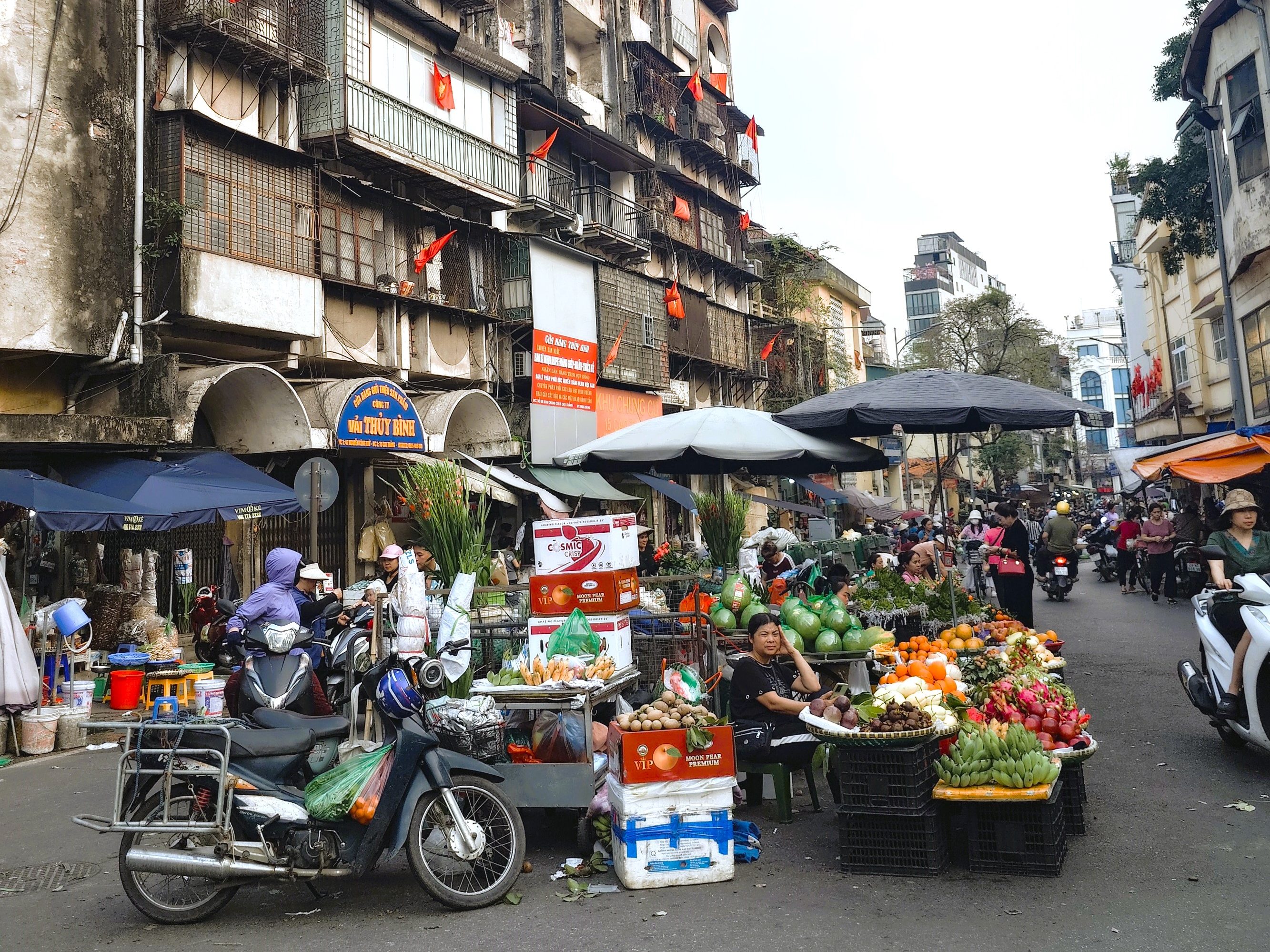
This is a bustling area with shops selling fruits and vegetables, dried goods, meat and seafood, and other daily necessities lining the streets. Around Dong Xuan Market, there are streets lined with stalls and small shops. On both sides of the street, shops selling groceries and daily necessities line up. This is an area where you can feel the daily life of the local people, who visit for their daily shopping.
Nguyen Tien Tuat Street
Nguyen Thien Thuat
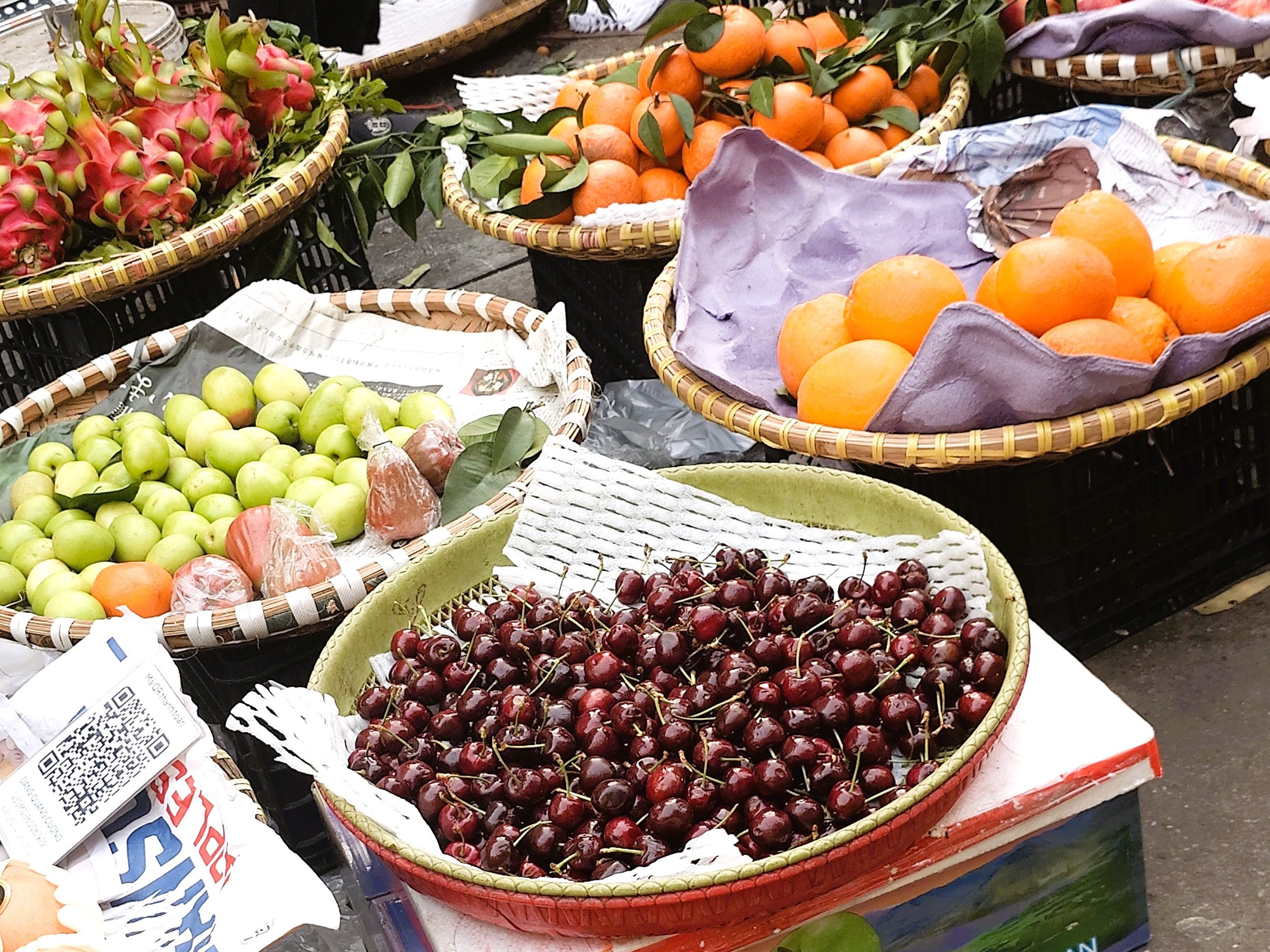
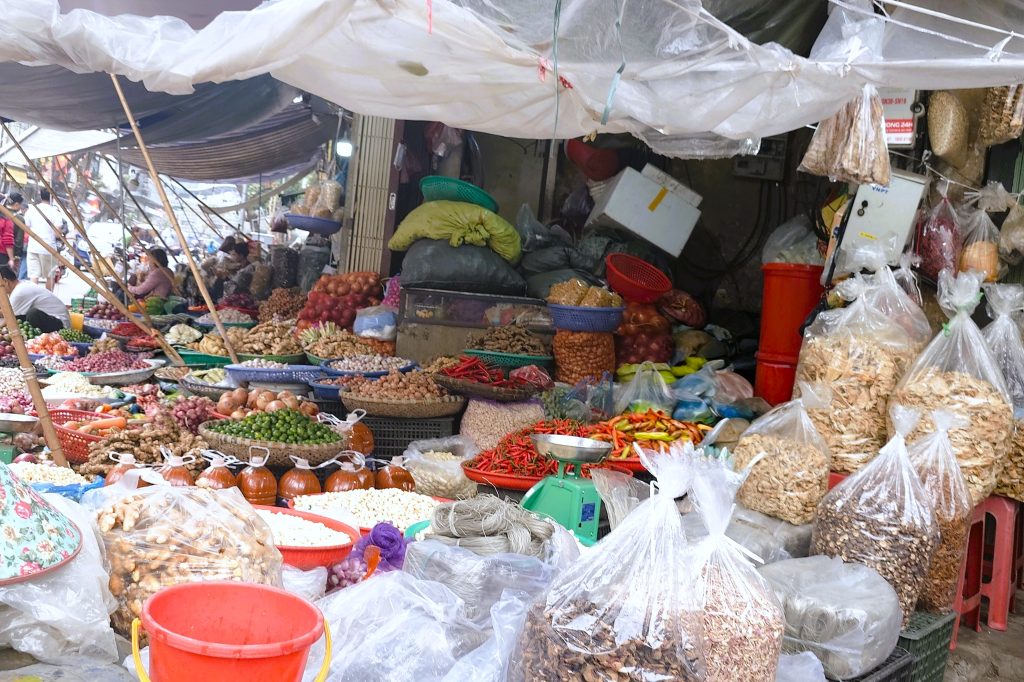
Fruits such as dragon fruit, mango, and banana are piled up in the store, along with vegetables and spices. In addition to fresh fish, dried shrimp and squid are also available. Especially indispensable is the aromatic herb known as daun seng. In Vietnam, there is a tradition of using daun seng in cooking to remove odors and add flavor; there are also many varieties of it. This area is part of a market area that extends around Dong Xuan Market. It is said that the goods that overflow from the market spread to the surrounding streets. Many ingredients are also brought from nearby rural villages, making this area one of the streets that support the market in the old city.
Hankoai Street
Hang Khoai
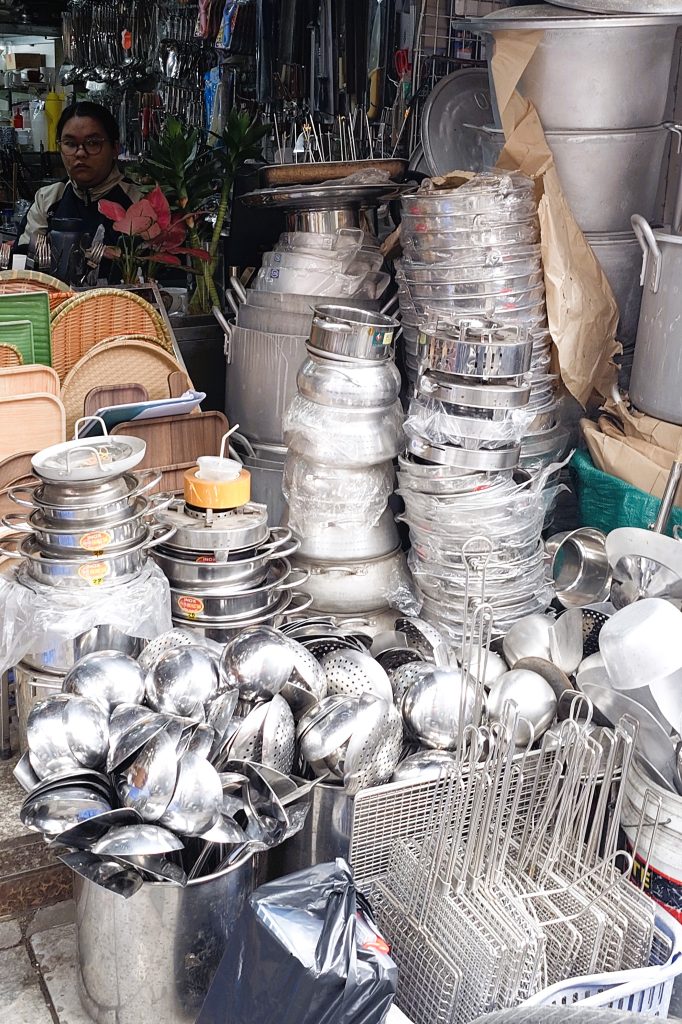
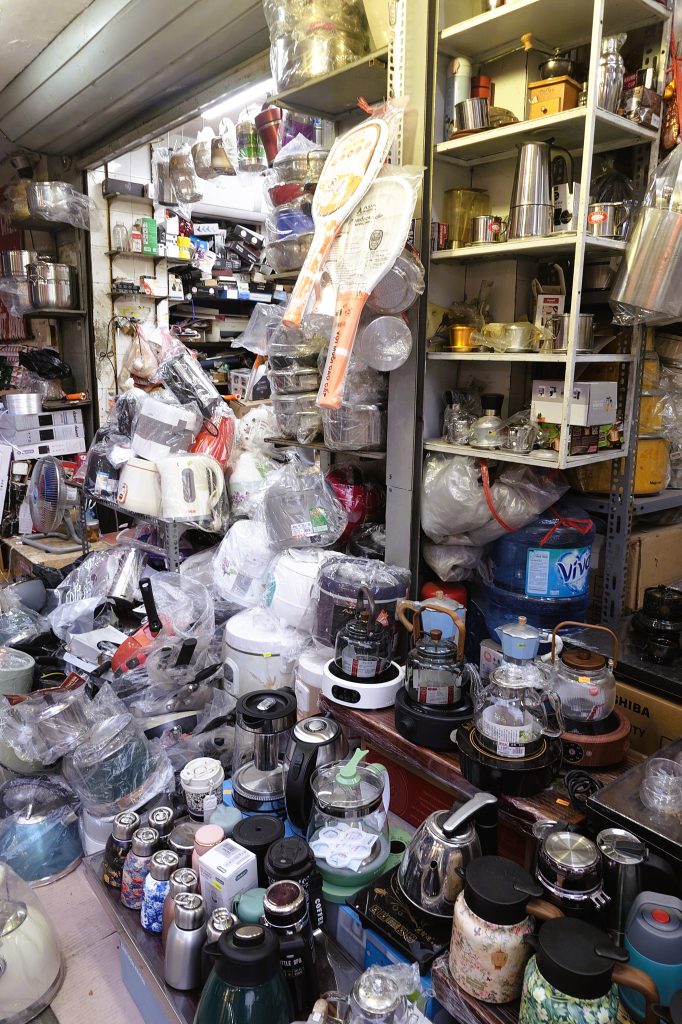
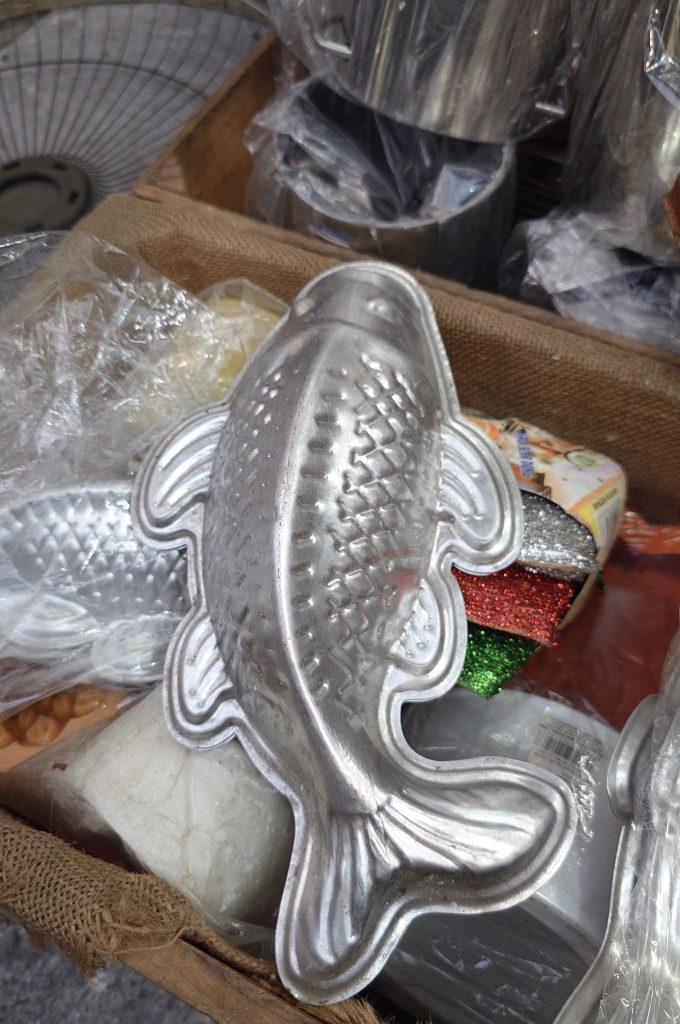
A street that runs for about 360 meters north of Dong San Market. Shops selling kitchen utensils such as coffee pots, frying pans, and pots and pans line the street, and everyday goods are lined up in a tight space. The name “Khoai” means “pot”, and it is said that this street was originally a gathering place for merchants who sold agricultural products such as sweet potatoes. Today, many practical cooking utensils such as aluminum pots, metal pots, and kettles can be seen. The products are stacked in front of the shops and on the sidewalks, and they are often sold in bulk. This creates a scene where piles of tools are lined up. This street is where shops selling household goods and kitchen utensils gather as a part of the street market that extends around Dong San Market.
Thinnahr Street
Thanh Ha
Near the Quan Chuong Gate, there is a street stretching east-west for about 150 meters. Today, it is home to a street market selling meat and seafood. Vendors set up stalls with items such as pork, chicken, fish, and shrimp. You can also see them preparing the meat and fish on the spot. The aroma of the charcoal-grilled meat and fish wafts through the air. This area was once the land of Tinh Ha Village, and the trade of goods transported through mountains and rivers from nearby locations such as the Red River was also conducted here. From this legacy, this area has become a street where shops selling food gather to serve as a part of the market area surrounding Dong San Market.
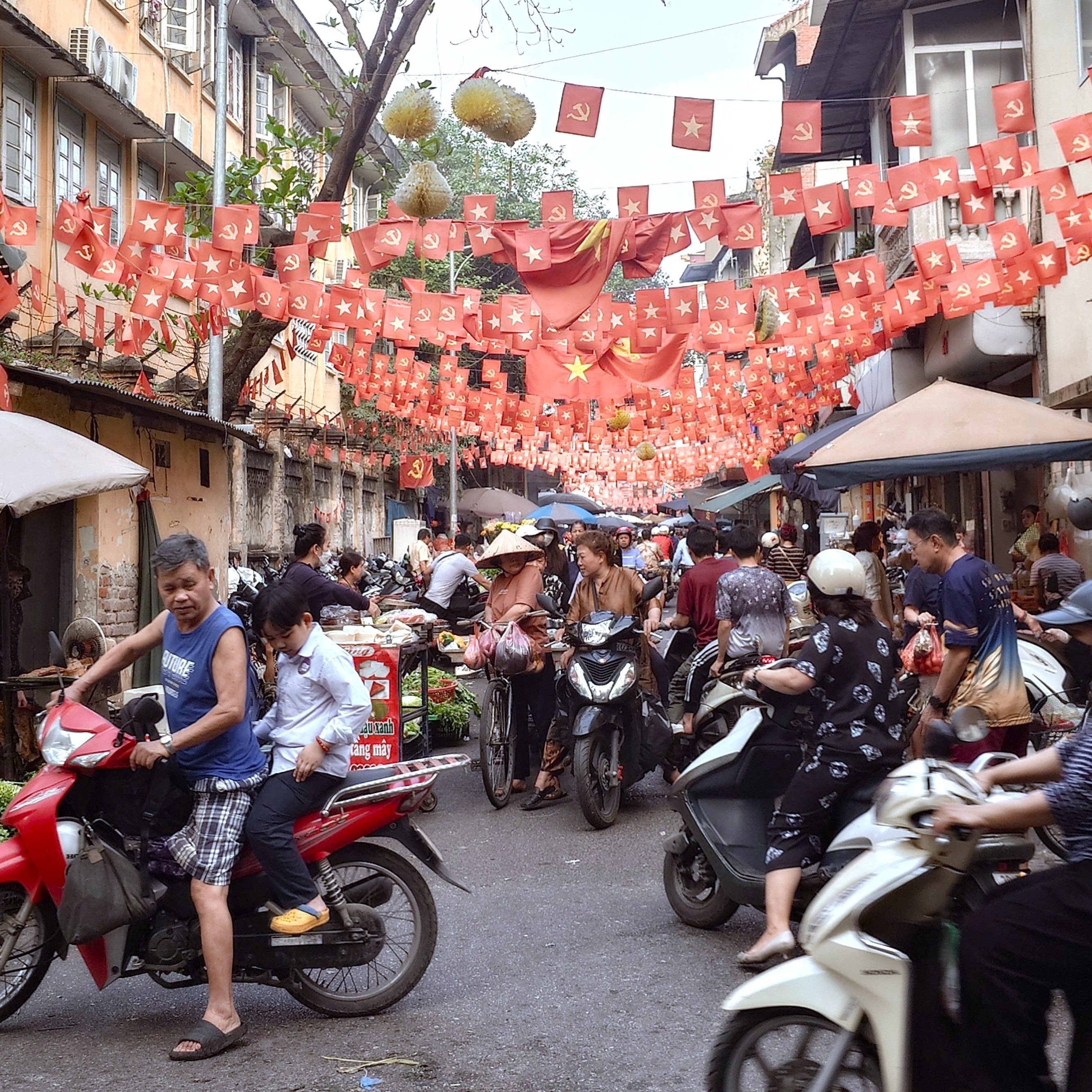
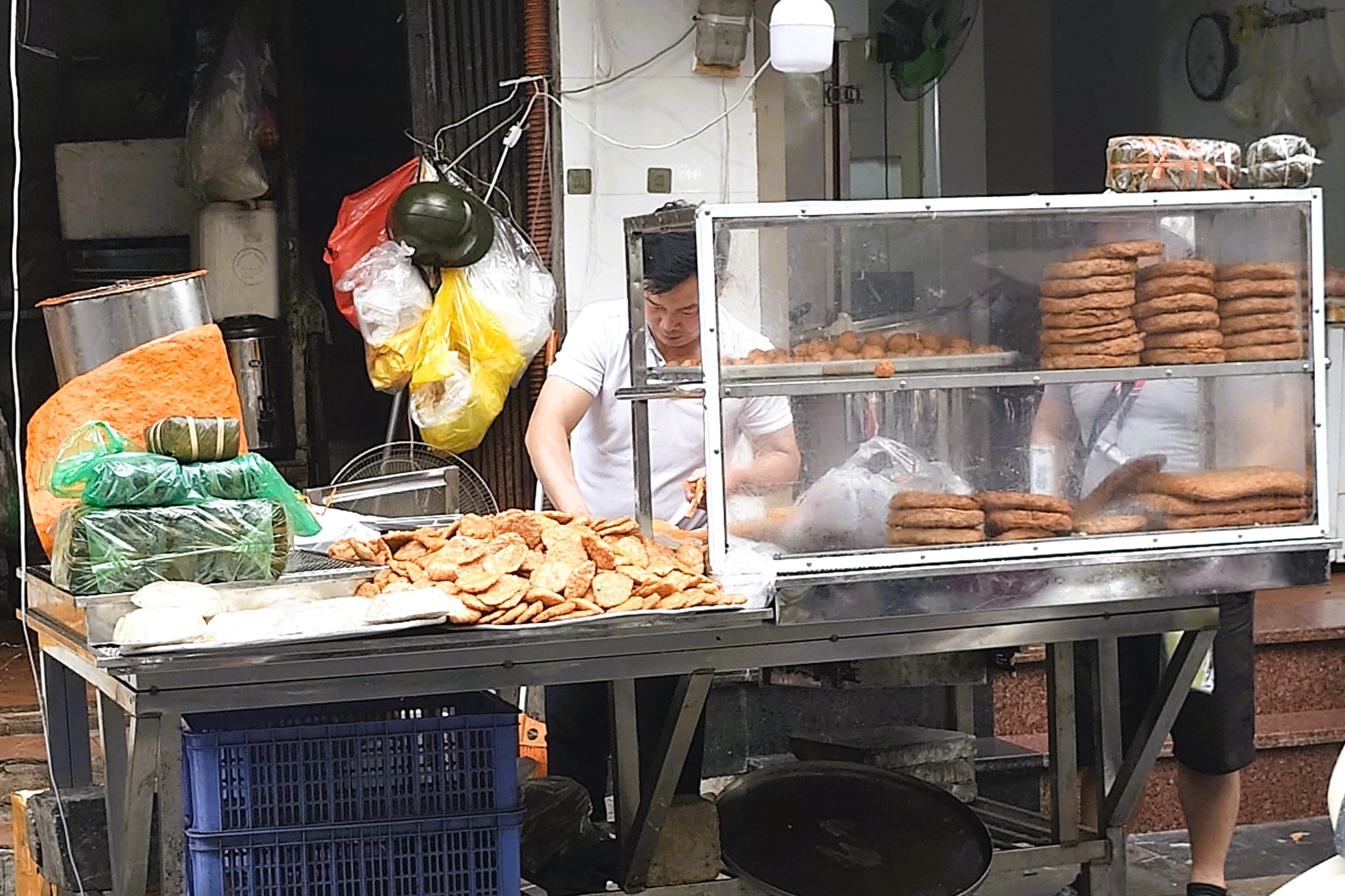
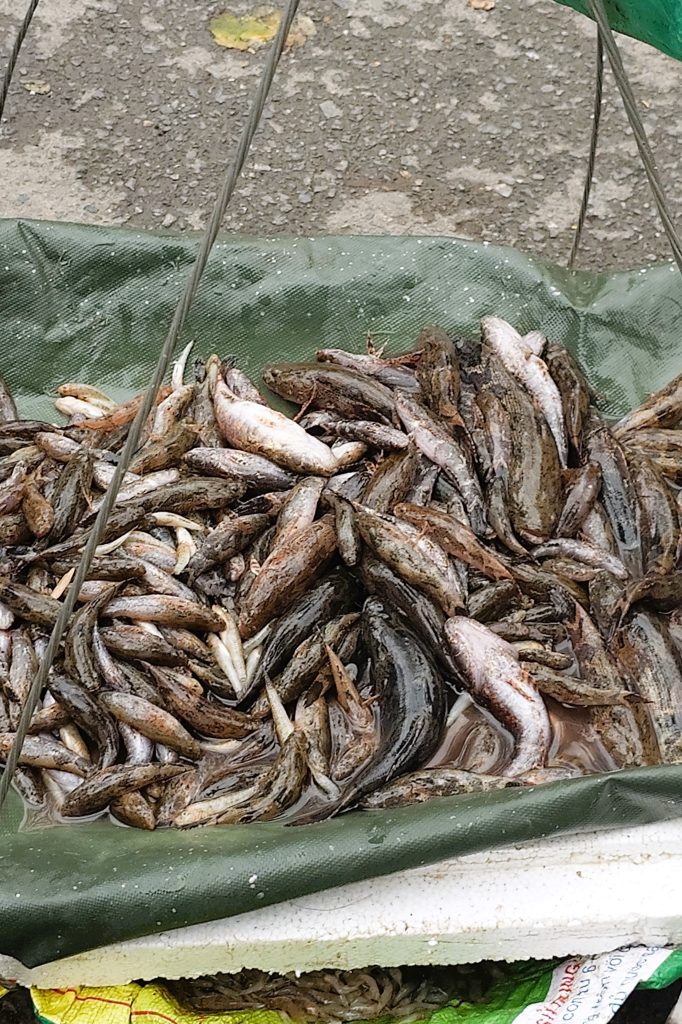
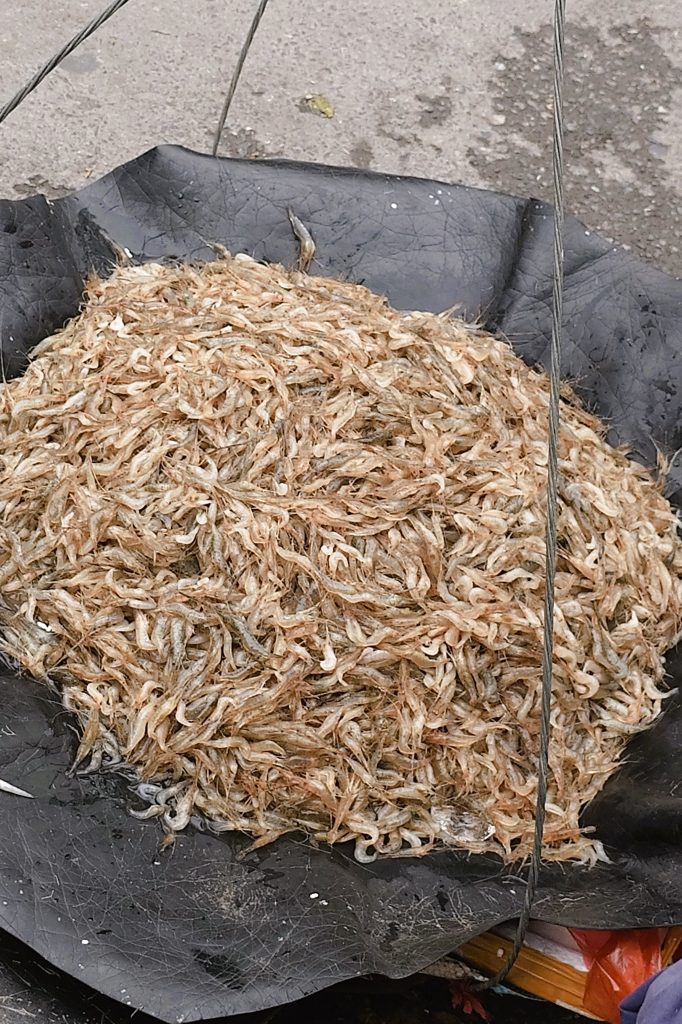
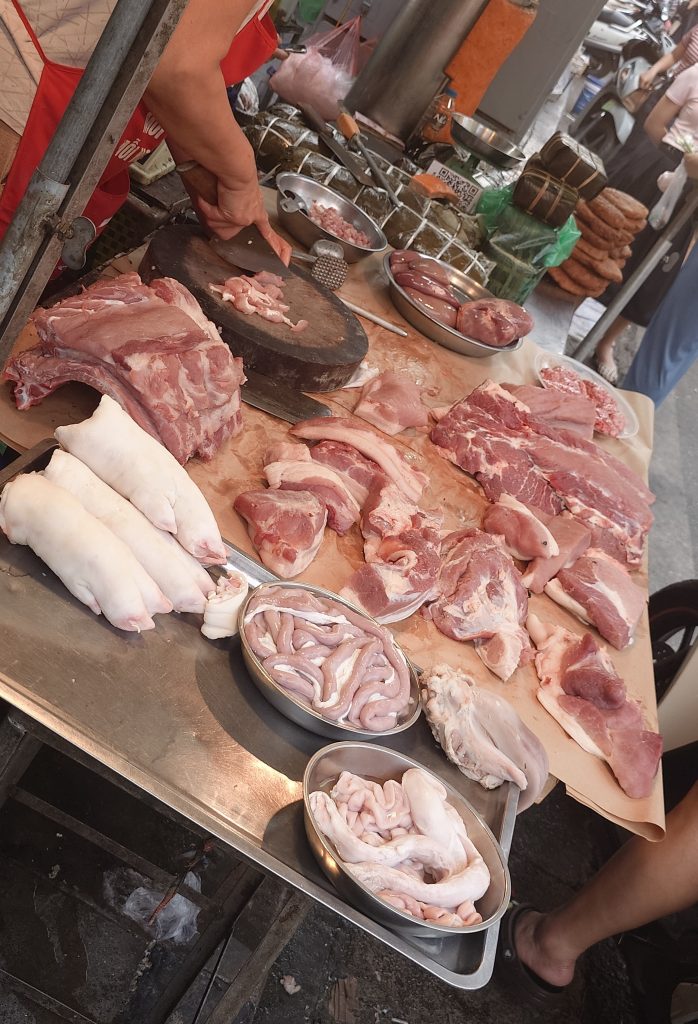
There are shops selling fresh foods such as pork, chicken, fish, and shrimp. You can also watch them being prepared on the spot.
A bustling street enveloped in the heat of the night
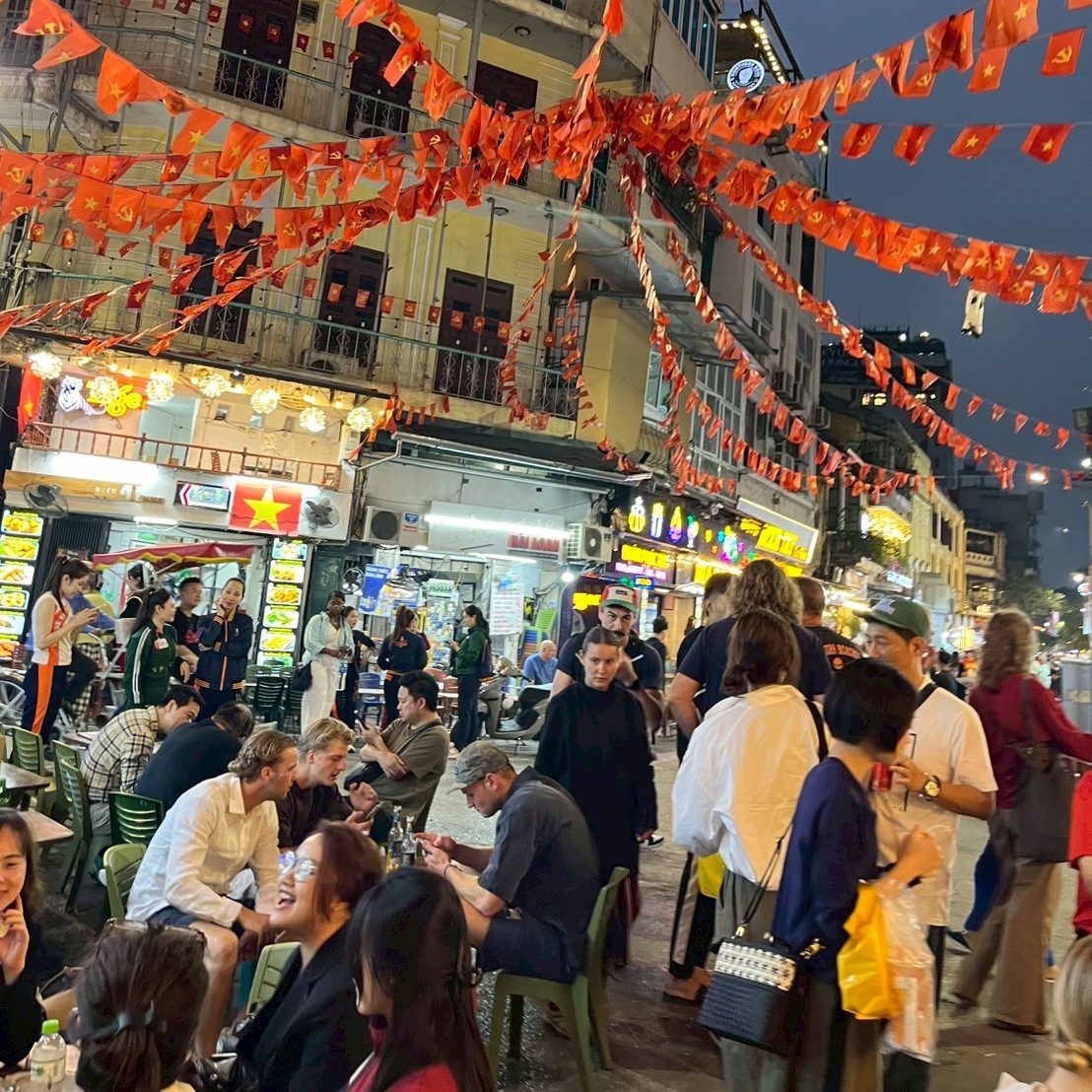
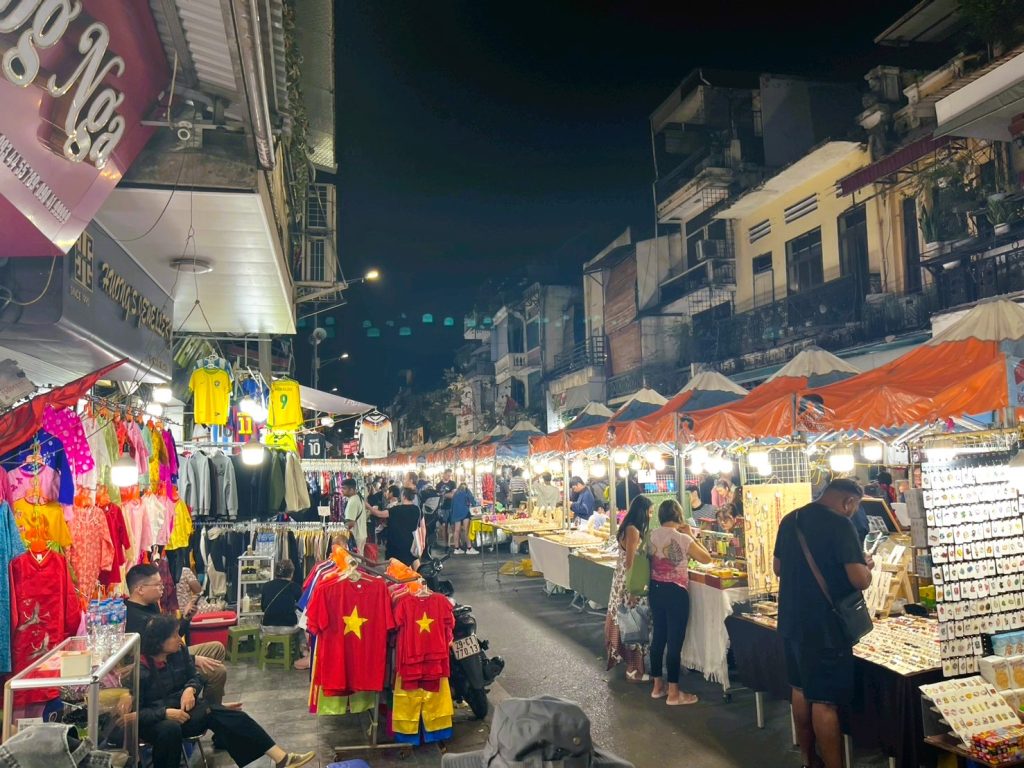
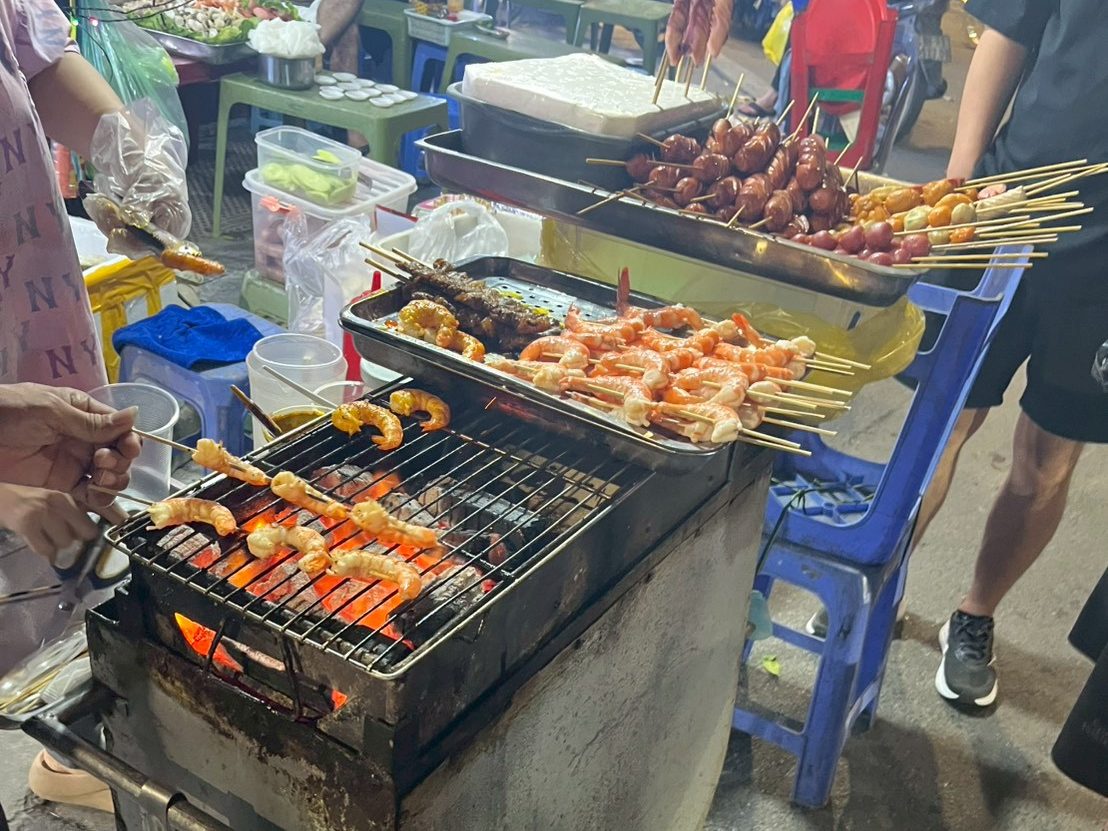
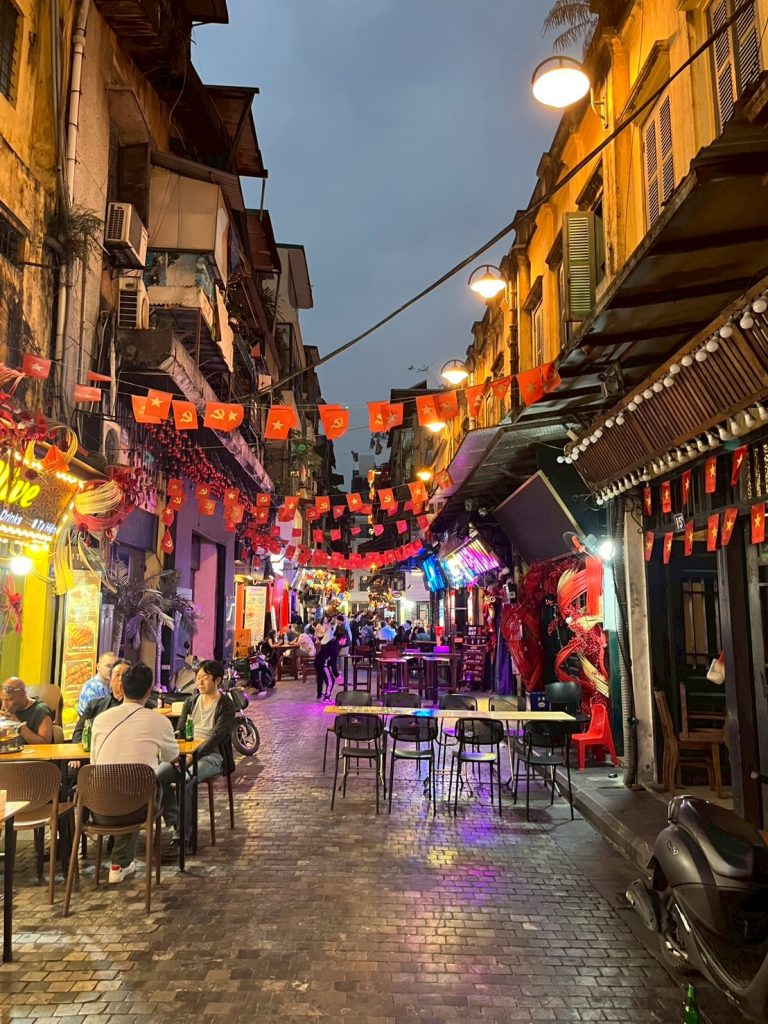
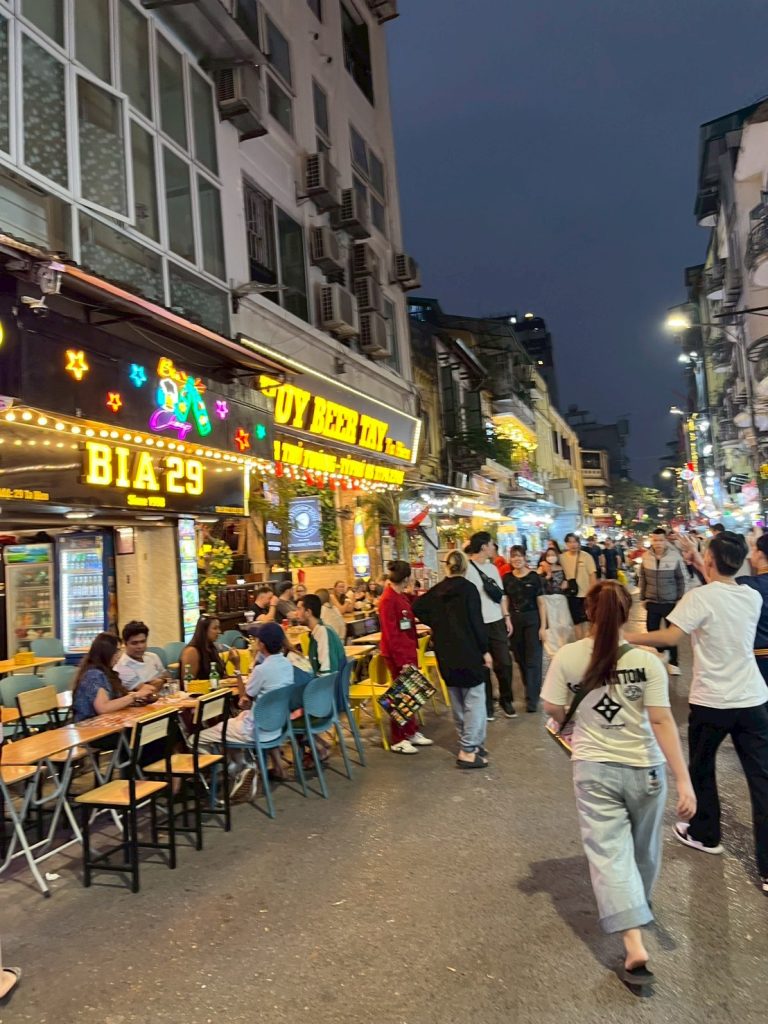
As dusk falls, the old city begins to take on a different energy from the daytime. Street vendors line the streets, and people gather to eat and shop. You can also see people sitting on small chairs and chatting while drinking beer near nearby Ta Hien Street. This area, which features a night market and a beer street, is a popular gathering place for locals and foreign travelers alike.
Night Market
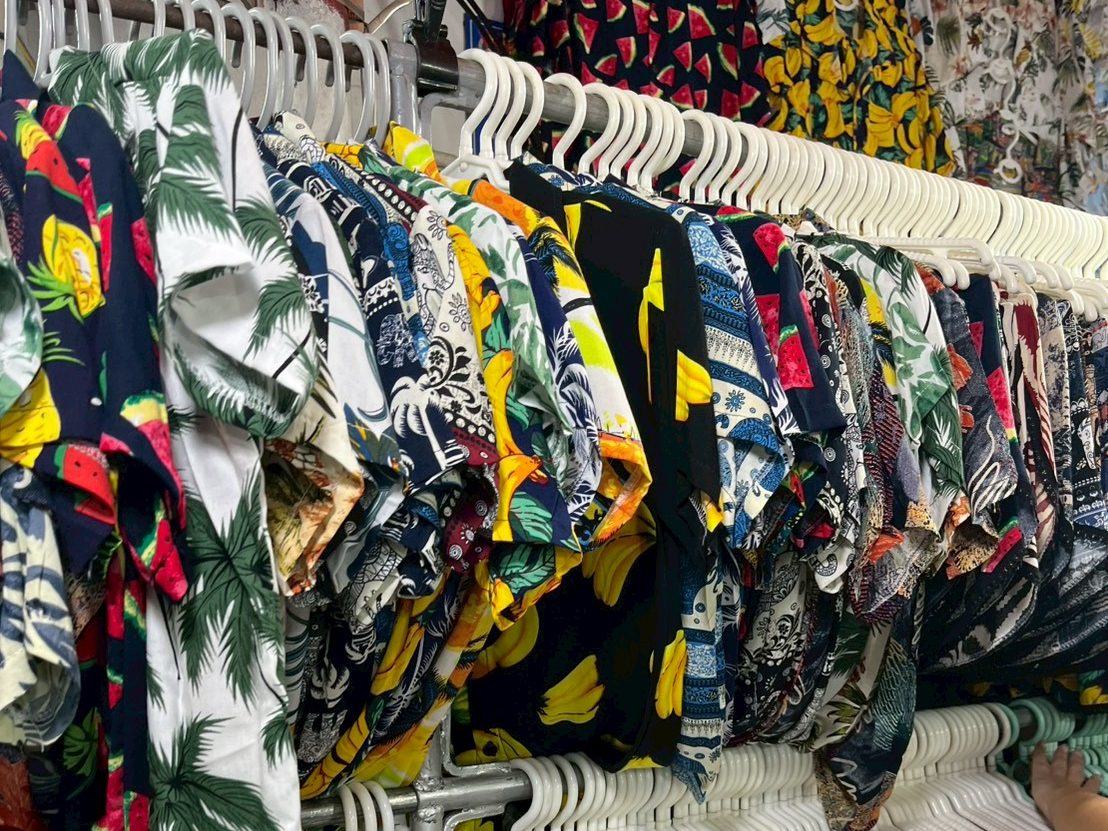
The night market, which stretches for about 3 km from Hang Dao Street to the Dong San Market area, features numerous stalls. In addition to food vendors where you can stroll around, there are stalls selling pho (Pho) and fried spring rolls, shops selling miscellaneous goods and clothing, and accessories. In the old city, there is a tradition of night markets where vendors gather at night, and this has led to the development of the current night market. On Friday and Sunday nights (from 7pm to around 11pm), the area becomes a pedestrian zone, attracting many tourists and locals. Street performances such as music and dance are also held, making it a popular event that adds color to the old city at night. It is a great place to stroll through the old city at night while enjoying your shopping, creating a different and lively atmosphere than during the day.
Thairien Street
Ta Hien
Even during the day, the relatively calm atmosphere of Thinh Dien Street becomes lively at night. Bars and beer halls open their doors, and small chairs and tables line the street. Tourists and locals gather, creating a lively atmosphere. This area is also known as the “Beer Street,” and it is known for being a place where you can enjoy Vietnamese beer “Bia Hoi” (Bia Hoi) with ease. A classic way to enjoy this light-bodied beer is with a snack such as boiled peanuts or fried tofu. Although it is a short street of about 200 meters, it is also known as the “Foreigners Street” because many foreign travelers gather there. With its low alcohol content and easy drinking, Bia Hoi is the perfect drink for the hot nights in Hanoi. Sitting on small plastic chairs and chatting with people while sipping beer is one of the symbols of the night in Hanoi.