Many people probably grew up familiar with their own country's folktales. In Vietnam, too, there are many folktales with lessons to be learned, and there are not a few famous tales that everyone has read at least once. When reading Vietnamese folktales, you may notice differences and characteristics between them and Japanese folktales. In this article, we will introduce three characteristics commonly found in Vietnamese folktales.
The protagonist is a young man
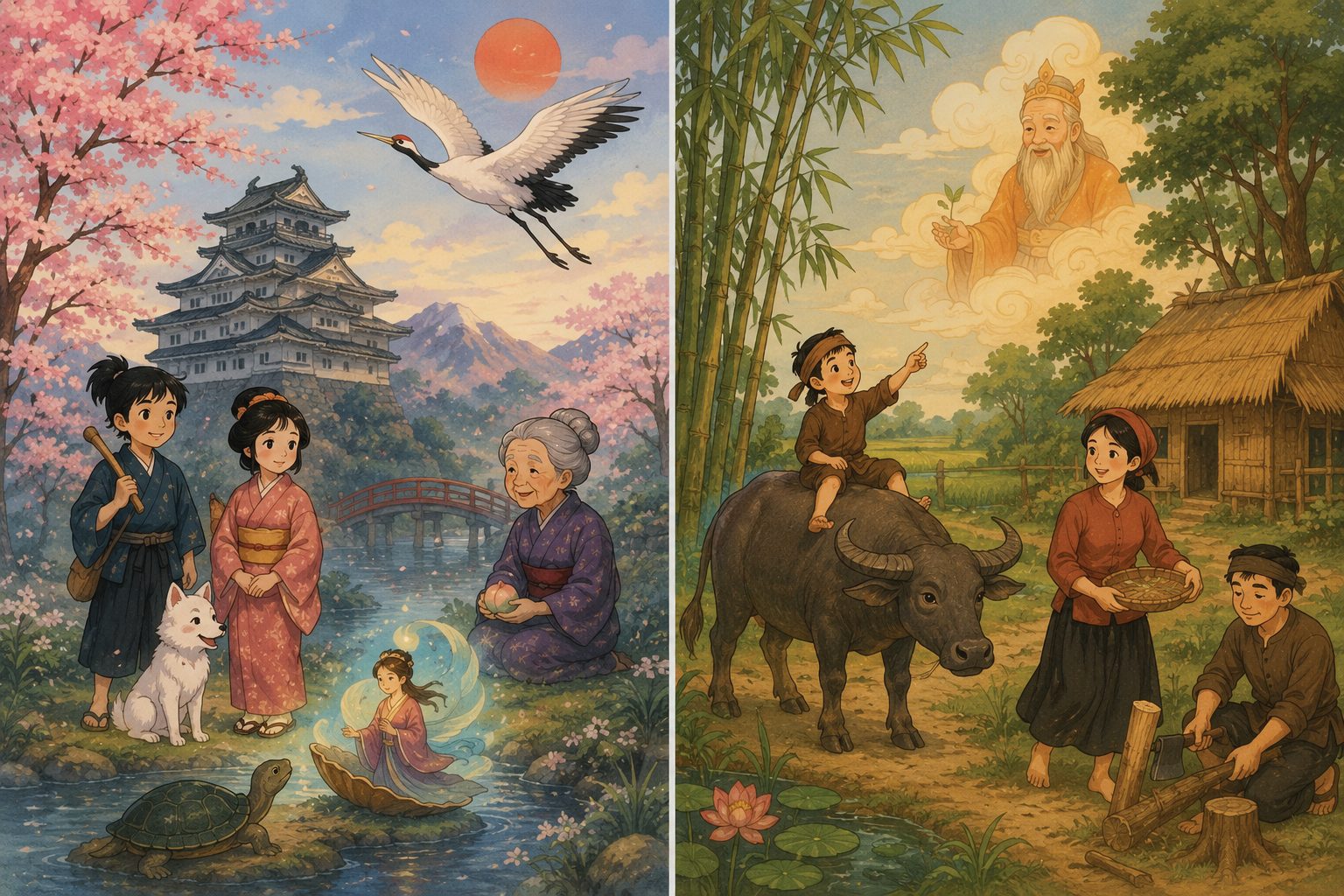
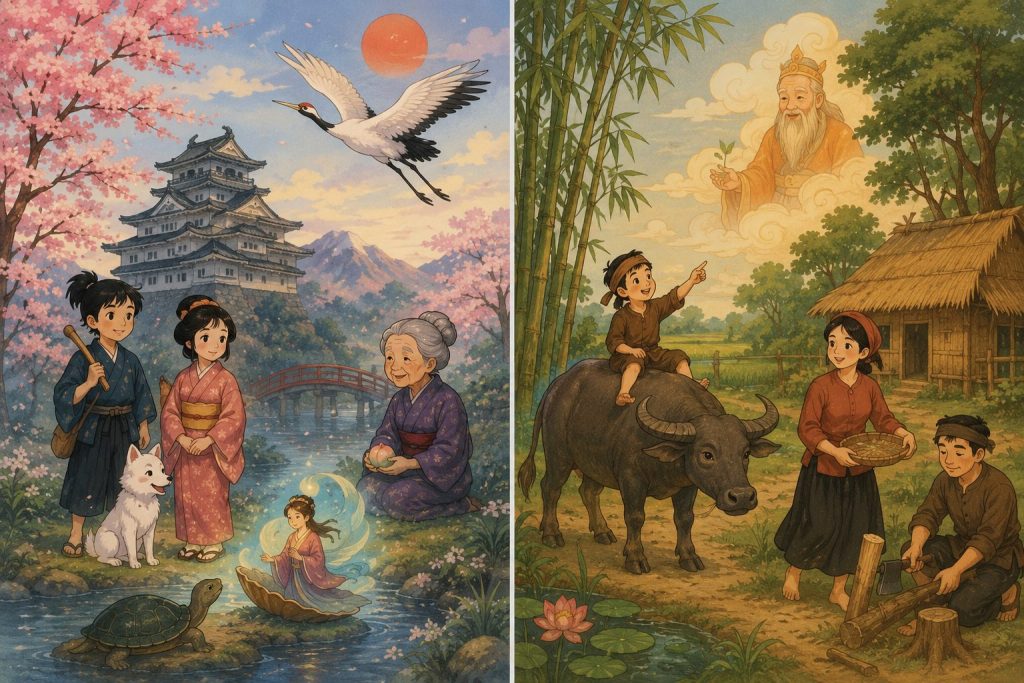
The protagonists in Vietnamese folktales are usually men or women of a certain age or children. There are basically no stories in Vietnamese folktales where the grandfather and grandmother are the main characters. In Vietnamese folktales, I think most people imagine a Vietnamese grandfather as a kind of fairy godmother who helps the troubled protagonist. Compared to the grandfather and grandmother in Japanese folktales, these roles tend to be more modest. According to one Vietnamese person, if a story can be told with a grandfather or grandmother as the main character, in Vietnam young people would likely be portrayed as the main characters. Stories like “Omusubi Korrin” and “Kasagi Jizo” are also said to be told with young people as the main characters in Vietnam.
The distinction between humans and animals
Like "The Rabbit and the Turtle," there are also old stories in Vietnam that depict non-human beings as anthropomorphic figures. However, a major difference is that there are almost no works like Japanese old stories where humans and other creatures interact on an equal footing. For example, in "Totoro," humans and animals interact normally, but such depictions are not seen in Vietnamese old stories, and in works where animals are anthropomorphized, humans do not appear. Although there are depictions of animals granting words to humans as a deity-like being, there is no interaction such as acting together.
Descriptions of the family
In Vietnamese folklore, there seems to be relatively more depictions of marriage, couples, and families. Even if the story doesn’t have any connection to the core of the story, family-related events such as marriage, childbirth, and harmonious relationships between couples are often included. This reflects the Vietnamese people’s love for their families and their values regarding the family, and I think that exposure to such things from an early age can make those ideas and values more likely to form naturally. On the other hand, in Japanese folklore, I don’t think there are many depictions of marriage scenes and family relationships in the stories. One Vietnamese person who read the story said, “In Vietnam, the ending would be that after defeating the demon, he married a beautiful daughter and had children and lived happily.” That is certainly a beautiful ending, but I feel that the value system regarding what makes one happy is clearly present in Vietnamese folklore.
author (usu. of a particular book, etc.)
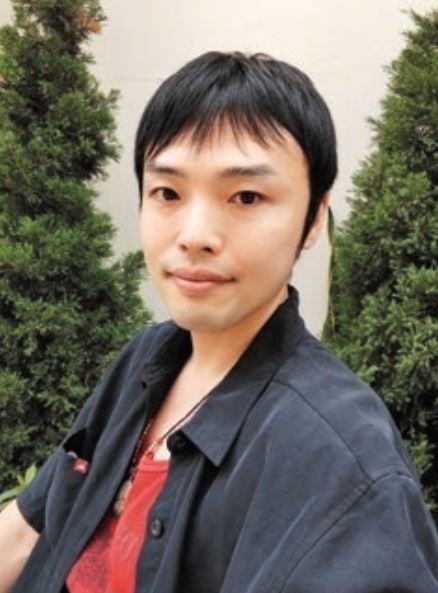
Takuma Inada
Social Security Actuary of Japan
Representative of SESSA VIETNAM CO.
Profile
Having been involved in human resources and personnel affairs in Vietnam for more than 10 years, he currently runs SESSA VIETNAM, which he started on his own. The company provides personnel consulting services mainly in the fields of human resource recruitment, personnel affairs consultation, and labor permit application handling. He spends his days observing Vietnamese people on a daily basis, and it has become his daily routine to think about the “why and what” of Vietnam. While raising his Vietnamese wife and two children, he is constantly striving to provide bilingual education in Vietnamese and English.
Official HP】 【Official HPhttps://www.sessa-jp.com