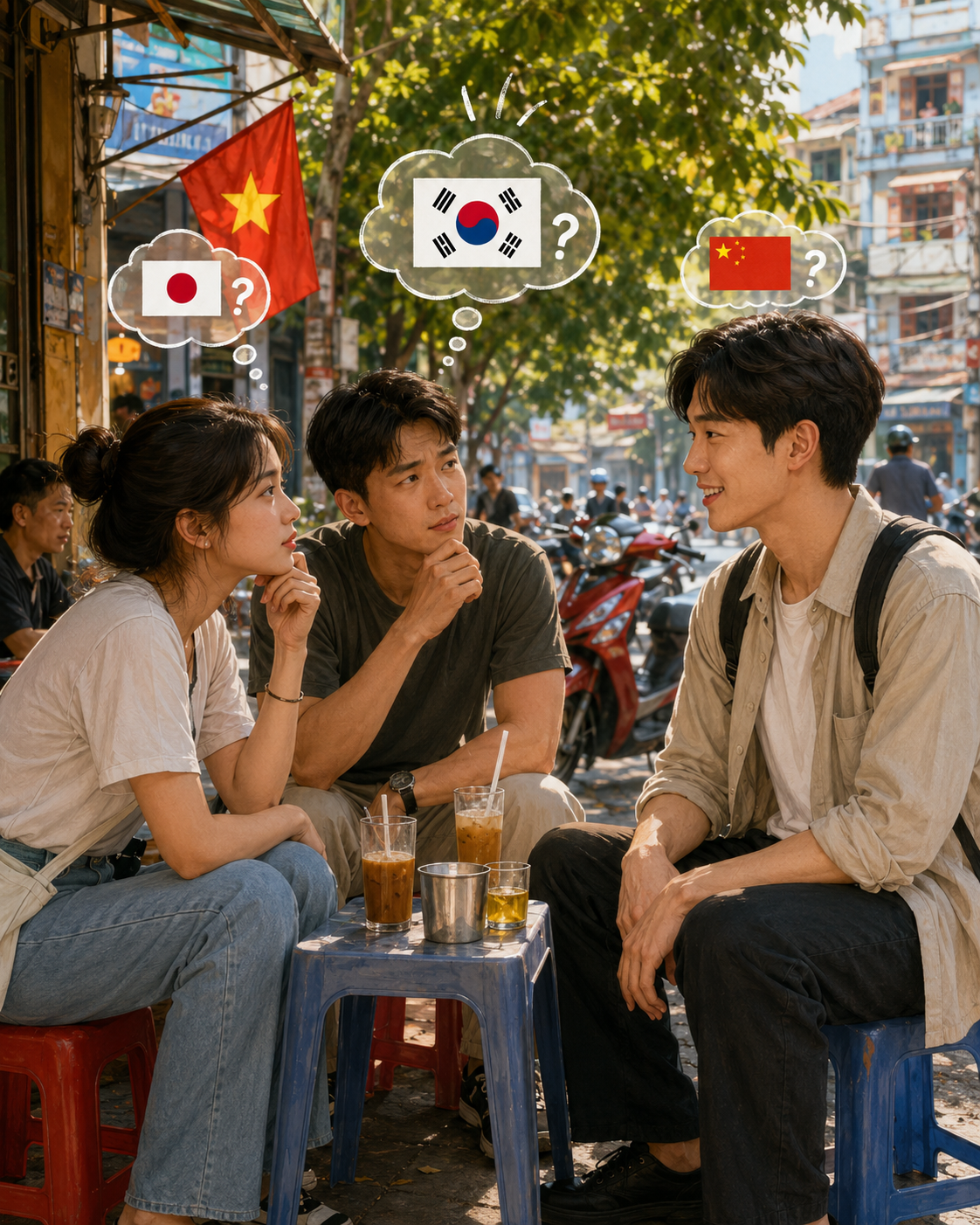
Have you ever been mistaken for someone from a non-Japanese country by a Vietnamese person? Just as many Japanese people have difficulty distinguishing people from Southeast Asian countries, Vietnamese people also have difficulty distinguishing people from Northeast Asia (Japan, South Korea, and China). However, I heard from Vietnamese people who have some experience that they can distinguish Japanese people to a certain extent. This article introduces how to distinguish Japanese people in Vietnam.
If you don't have experience, you're a Korean
Often, Vietnamese people who have no experience interacting with foreigners or have never had the opportunity to do so will be asked, "Are you from North Korea?" When they see someone with a face that looks like someone from Northeast Asia. This is due to the fact that there are many South Koreans who actually live in Vietnam, and the most common way to see South Korea is through K-pop and dramas. Especially for fair-skinned people, they are often mistaken for South Koreans, and it may even happen that they are greeted with affection in Korean when they are Japanese. This is probably because of the large presence of South Koreans in Vietnam.
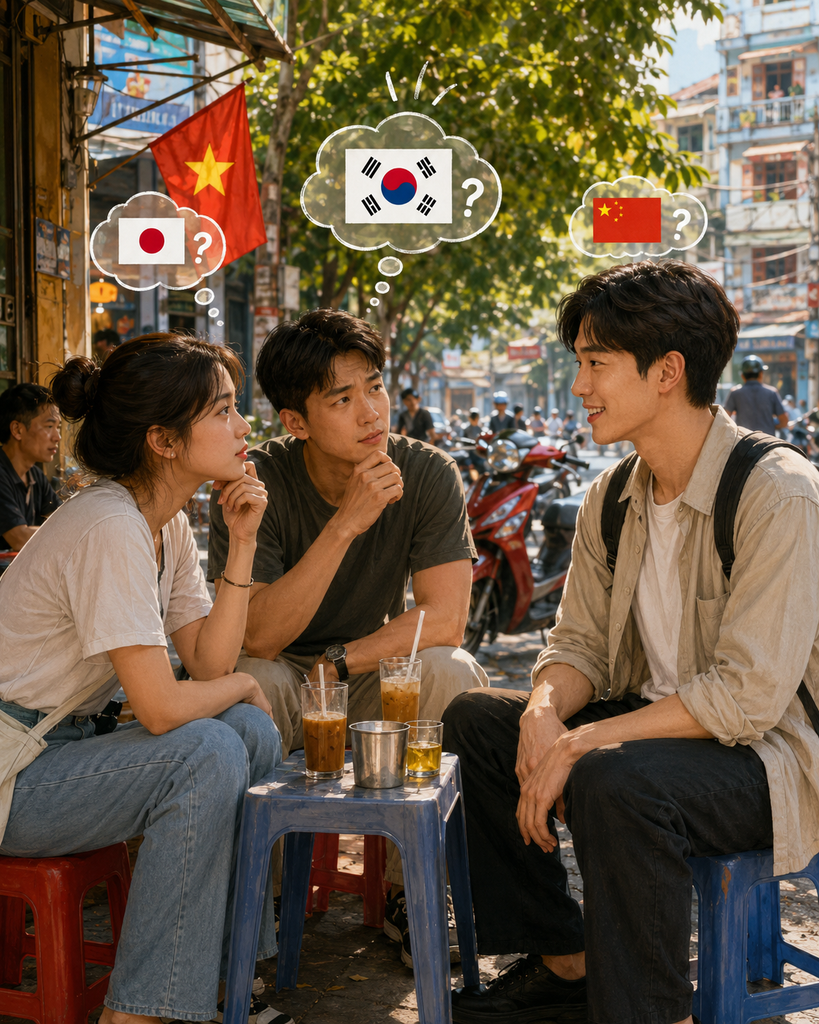
Judging by appearance is difficult.
Apparently, unless you have actually lived in Japan or have always interacted with many Japanese people, you wouldn’t be able to tell the differences between the faces of the Japanese, South Koreans, Chinese, and Koreans. Even if someone explains that South Koreans have relatively long eyes, they can’t argue with the fact that there are people with such eyes. To a Vietnamese, people from Northeast Asia generally have smaller eyes, so unless you’re used to seeing them on a daily basis, it’s hard to tell the difference.
Characteristics of Japanese people
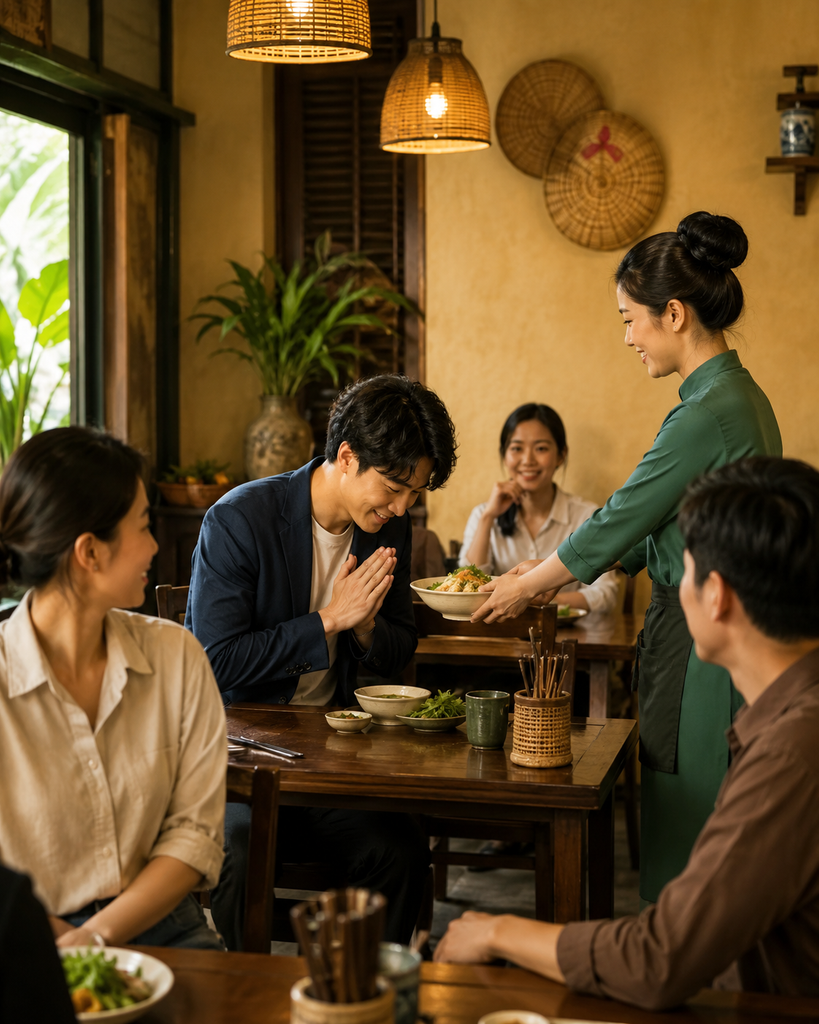
In reality, there are indeed people in Vietnam who have a face similar to that of a Japanese person, and it is not uncommon for Vietnamese living in Japan to mistake a passing Vietnamese for a Japanese person. However, based on their demeanor and gestures, there is a clear standard by which one can tell that they are a Japanese person. This standard is the bowing and saluting. Anyway, it is said that compared to Koreans and Chinese people, Japanese people have a much higher chance of bowing when meeting someone. This not only applies to greetings at the beginning and end of meetings, but also to the frequent bowing to the staff at the restaurant when receiving food, or what is commonly referred to as “How are you?” in comparison to other countries. The beauty of this gesture, they said, is that it represents the humility and serenity of the Japanese people.
There was a time when I went on a trip to Myanmar. At a hotel, I saw two Japanese men who looked like business people walking past each other in the lobby. Although they probably knew each other, it was more like a friendly greeting, so they didn’t even have to stop and say hello. They just smiled at each other and bowed silently, then walked away. I felt an indescribable sense of elegance in this unique Japanese interaction.
author (usu. of a particular book, etc.)
Takuma Inada
Social Security Actuary of Japan
Representative of SESSA VIETNAM CO.
Profile
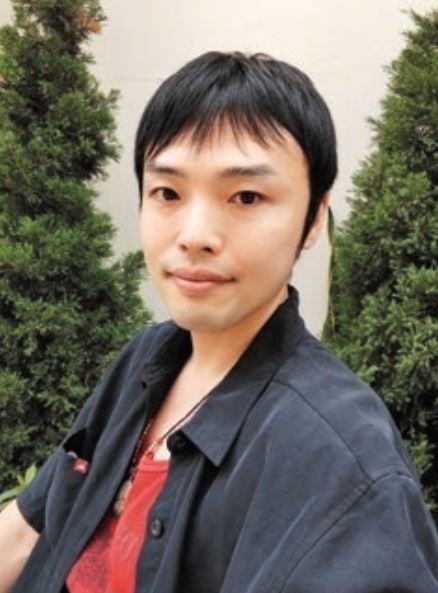
Having been involved in human resources and personnel affairs in Vietnam for more than 10 years, he currently runs SESSA VIETNAM, which he started on his own. The company provides personnel consulting services mainly in the fields of human resource recruitment, personnel affairs consultation, and labor permit application handling. He spends his days observing Vietnamese people on a daily basis, and it has become his daily routine to think about the “why and what” of Vietnam. While raising his Vietnamese wife and two children, he is constantly striving to provide bilingual education in Vietnamese and English.
Official HP】 【Official HPhttps://www.sessa-jp.com