



Avoid the difficult pachê! The "only one" pronunciation rule taught through "Không"
The food stalls and restaurants in Vietnam are really convenient and affordable. But have you ever had a plate of pho with tons of fresh cilantro piled on top and you just carefully took a bite with your chopsticks?
Or, maybe you’re not a fan of spicy food, but suddenly a bowl of soup with chili flakes is placed in front of you.
"Please remove the cilantro." "Don't make it too spicy." These words alone will never convey the message on the menu. Therefore, this time we're going to master the "Không (Don't)" magic word—the fastest way to reject it.
•No coriander = without the cilantro
Just add it at the end of the order. It's so easy, let's say "Honzoumi!" starting tomorrow. For those who are thinking that, please wait a little. Actually, even if you say "Honzou" in kanji, it hardly gets through to the staff almost 100% of the time. Why is that?
Because the Japanese "n" is transformed into many different sounds without us even realizing it: the "n" in "anpan", the "n" in "annai", the "n" in "konnyaku", the "n" in "anbyaku".
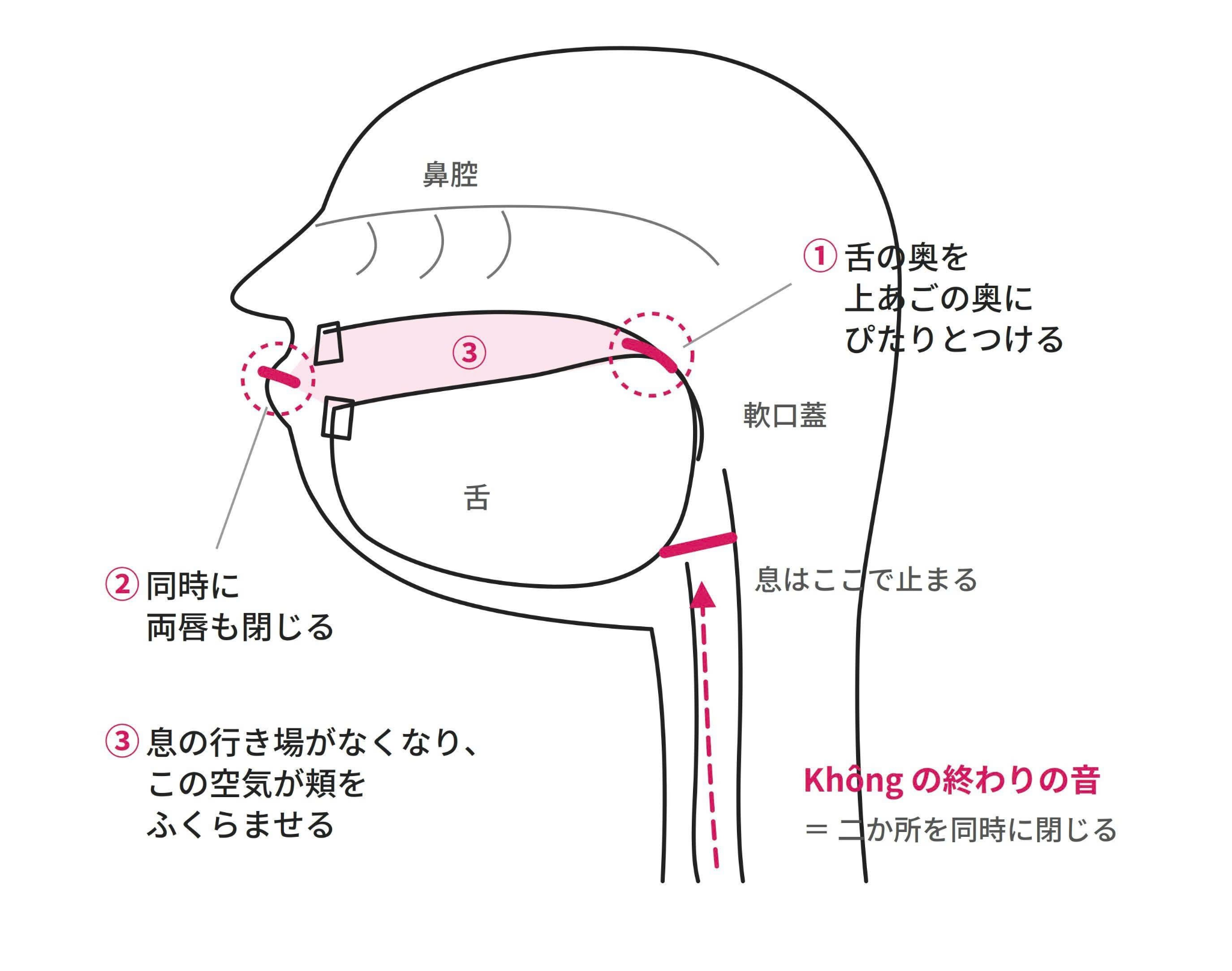
Actually, try saying it out loud. When you say it out loud, you’ll notice that the position of your tongue and lips is all different. In Japanese, it’s interesting that this movement comes naturally. In Japanese, it’s all the same “n,” but in Vietnamese, this difference becomes a separate word. In fact, there are four different pronunciations for this: m, n, nh, ng. The sound at the end of Không is pronounced by pressing your tongue firmly against the back of your upper jaw and stopping your breath. And that’s not enough. You also need to close your lips at the same time.
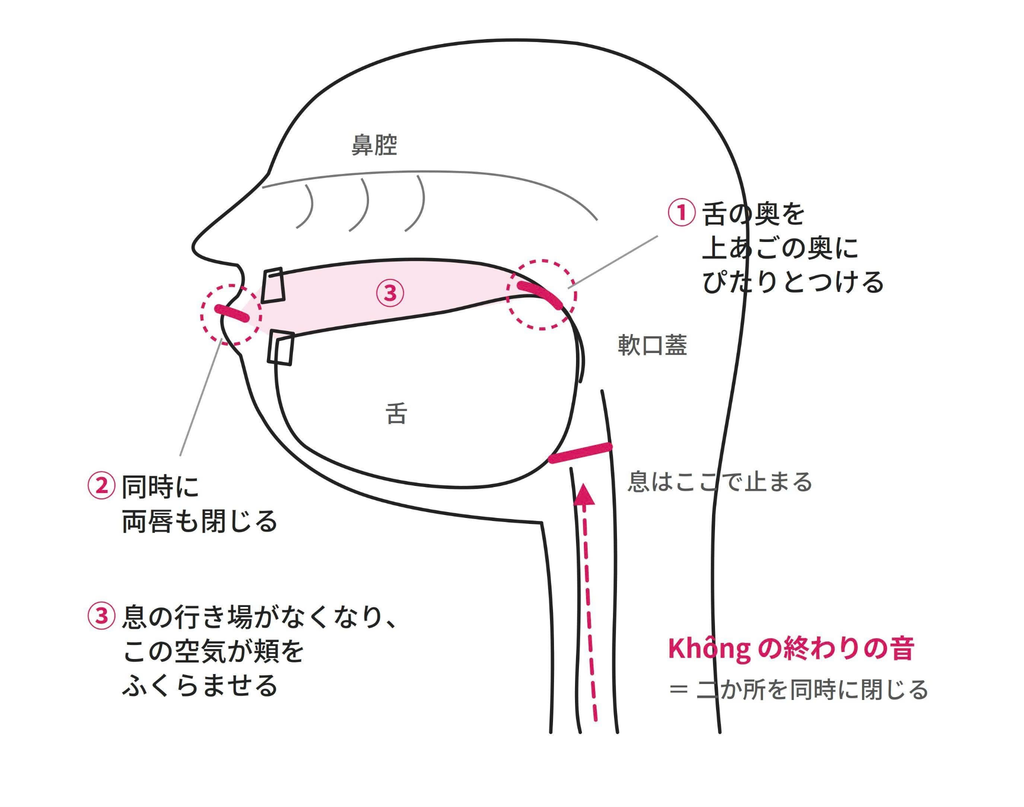
For a try, try saying the word "án" out loud. At the moment of "án", the back of your tongue should be on your upper jaw and your lips should be open. From there, try gently closing only the lips. You should feel a sense of lack of breath and your cheeks will slightly swell. How does that sound? That's the "ng" sound of "Không". Next time, take a good look at the Vietnamese scene where they say "Không!" for a moment. You'll see that their cheeks are slightly swollen for a moment.
Vietnamese does not require you to memorize the complex grammar for years. Just having a map of the "theory of pronunciation" will instantly break down the language barrier.
Thank you for reading all the way to the end. If you want to learn more, you can study the actual pronunciation from YouTube. Now that you’ve watched the video, let’s change tomorrow’s drink to your own preferences!
Infor
ZEN COMPANY LIMITED
COO Kanaya Akiko
He moved to Vietnam in 2016 and has been living there for 10 years. He has a unique background as a former police officer. Currently, as COO of the Japanese-language education institution ZEN Foreign Language Center, he teaches practical pronunciation methods that make it easier for Japanese people to communicate quickly.