

Vietnamese food is incredibly diverse and delights both the eyes and the taste buds. By the way, the only part of the body that can be controlled by our will during the process of digestion—from the moment we take in food through our mouth to its eventual exit as stool—is the anus.
For example, even when you have a stomach upset, you can manage to hold it in until you get to the bathroom by squeezing your anus tightly with your will. The external anal sphincter (がいこうもんかつやくきん) is the muscle responsible for this function. It surrounds the passage of stool like a ring just above the anus, and is a member of the skeletal muscle group along with the abdominal muscles (Figure). Therefore, you can squeeze it with your will and its strength is quite strong, but it gets tired easily, so sometimes you might even let your guard down unintentionally…
On the other hand, normally, you don’t leak stools even when you’re not particularly aware of it, such as during work or sleep. This is because there is another mechanism that automatically constricts the stool until a command from the brain “poop, go ahead.” This function is performed by the internal anal sphincter (ni-koumon katsukukin), which is a member of the internal organ muscles. The skeletal muscles that we call “muscles” and the internal organ muscles work together in a strange way in the same circle.
The part of the anal sphincter that has the anal opening and the external anal sphincter is narrower than the rectum, so it is called the "anal canal," and the outlet of the canal is the "anus."
A suppository is a medication that is inserted from the anus into the rectum. However, if it only reaches the anal canal, it may quickly come out. The length of the anal canal varies from person to person; for an adult it is approximately 4 cm, and for a child it is about half that, approximately 2 cm. This is a guide as to how much the suppository should be pushed in. With practice, you will feel the suppository slipping effortlessly from your fingertips into the anal canal, and you may notice that it has passed beyond the anal canal.
Another important point is that the anal canal is also the point where the outer skin and the inner mucous membrane of the intestine meet. This boundary is called the “dental line.” Since the veins are well developed in this area, they may swell up in a cone-shaped manner due to pressure from straining or sitting for a long time. This is known as the so-called “hemorrhoid” condition. The outer part of the anal canal is the skin, so it is sensitive to pain. Hemorrhoids that form in this area are very painful and are called “external hemorrhoids.”
In contrast, the inner part of the anal canal is covered by mucous membrane, making it less likely to cause pain. Therefore, it is often difficult to notice the formation of a hemorrhoid. When hard stools pass through the anal canal or when constipation causes bleeding, the hemorrhoid may become injured or torn, resulting in bleeding that is only noticed when the bleeding occurs. This is known as internal hemorrhoids. Both men and women can develop internal hemorrhoids; it is not uncommon to experience them from the age of 30 to 60. Some people may have the idea that hemorrhoids are a surgical procedure, but internal hemorrhoids can often be treated with suppositories or creams.
In addition to these conditions, there are also various other diseases that occur when pressure is applied to the anal canal, such as "ruptured anal canal" (hemorrhoids), which causes the anal canal to tear open; "anal fistula" (anal prolapse), in which stool leaks out of the anal canal; and "anal detrusor" (detachment of the anal canal), in which the anal canal protrudes completely out of the body. The most gentle way to care for the anal canal is to have regular, moderate soft stools.
However, when it comes to blood in the stool, the cause is not just hemorrhoids. Inflammatory bowel disease and colon polyps or tumors can also be the cause. If you notice blood in the stool, we recommend that you have an endoscopy performed at once.
Today I talked about the anus in a quick overview. It’s a difficult place to discuss, but if you have any concerns, please consult a medical institution as soon as possible. I hope this information will be useful to you in some way.
Point
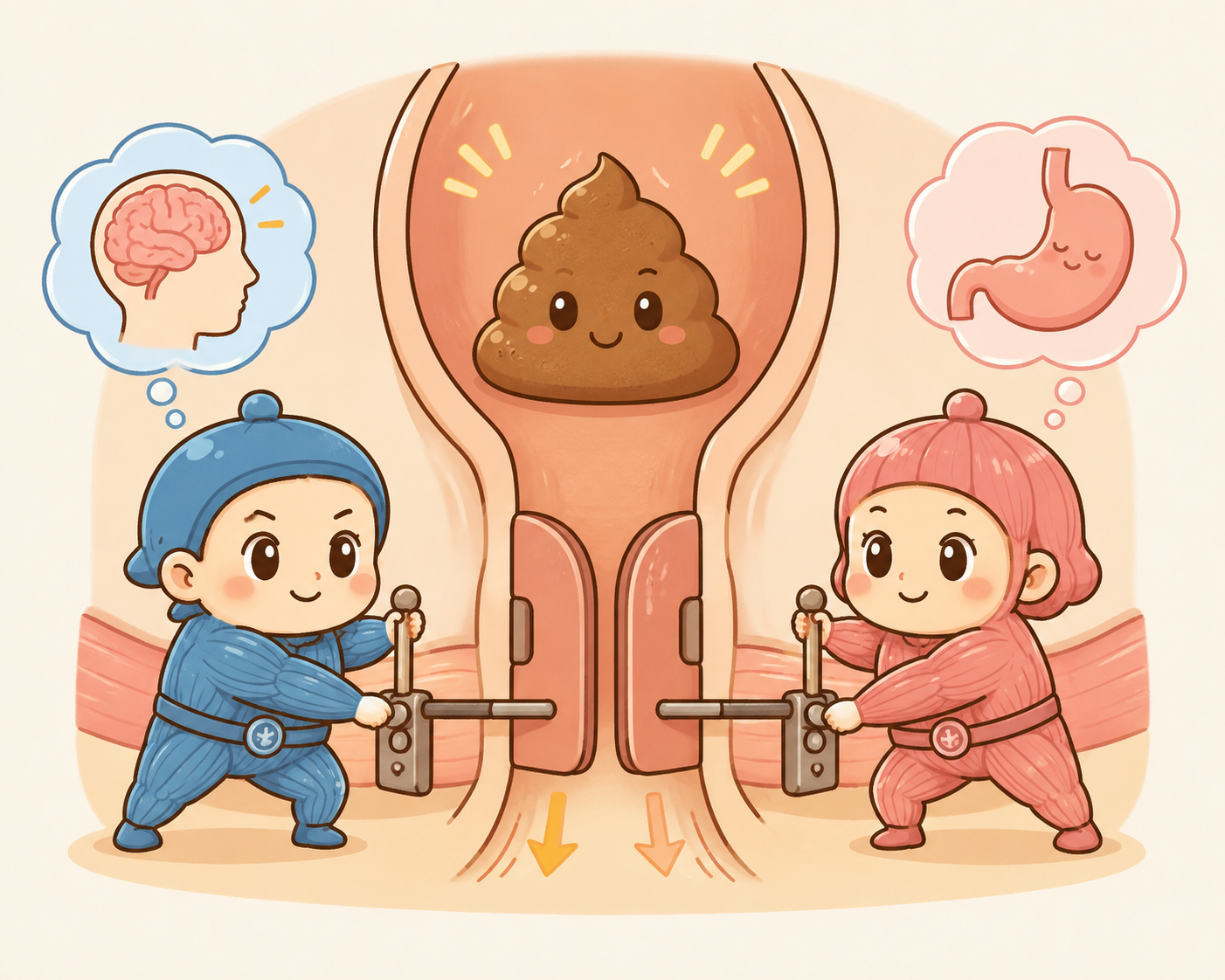
The external anal sphincter, which can be consciously adjusted, and the internal anal sphincter, which is adjusted unconsciously, work together to control bowel movements.
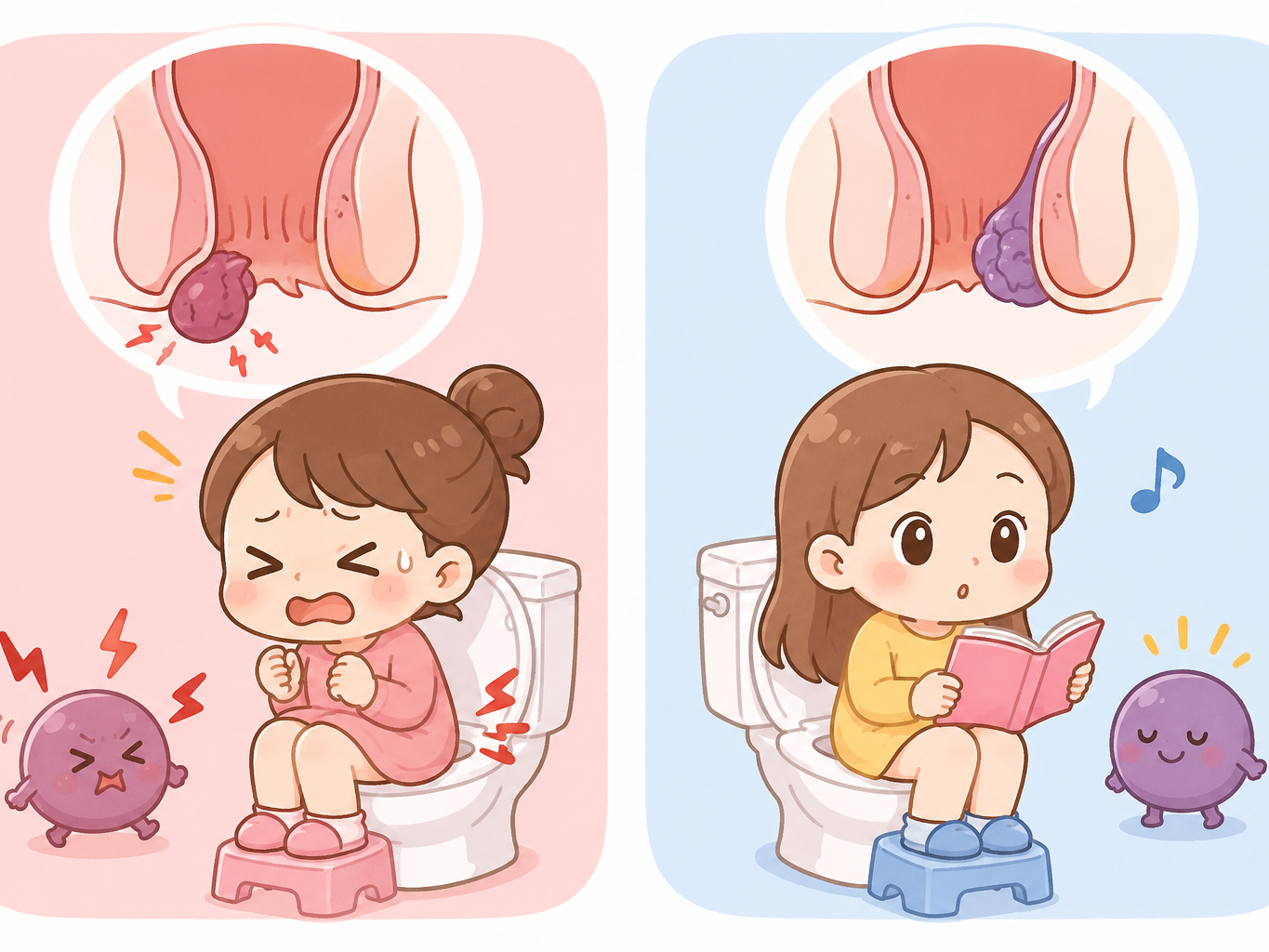
External hemorrhoids are painful, while internal hemorrhoids are almost painless.
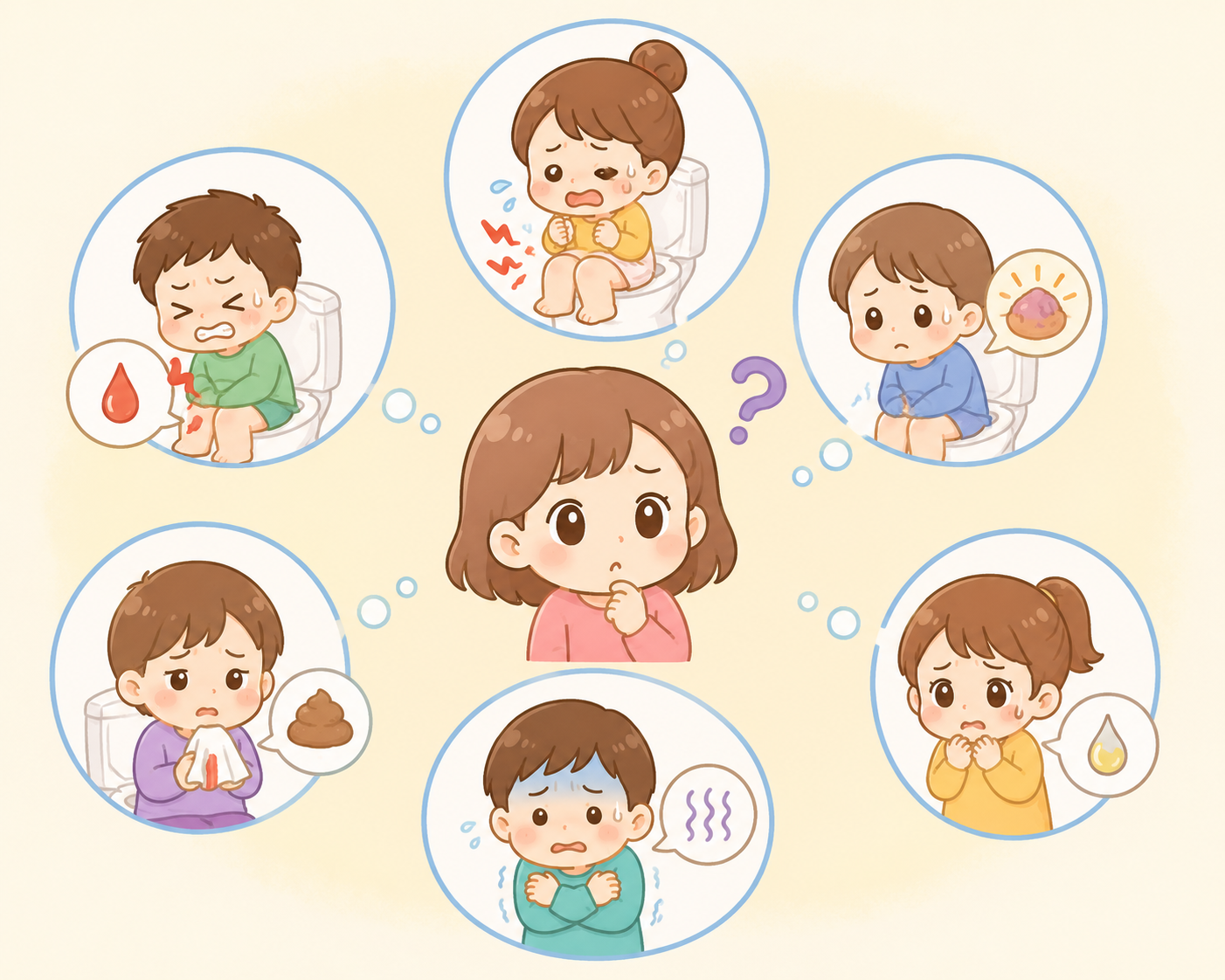
There are various diseases that can occur in the anus due to its structure.
Information

Japan Green Vietnam Clinic
Japan Green Vietnam Clinic
Dr. Ken Inoue, Chief of Surgery
Registered physician of the Japan Society of Internal Medicine, specialist in rehabilitation medicine, specialist in emergency medicine, specialist in intensive care medicine, and doctor of medicine. After graduating from Hiroshima University, he joined the Department of Internal Medicine. He underwent training in surgery at Ehime Prefectural Central Hospital Cardiovascular Surgery and Konosumi Hospital in Kochi Prefecture. He worked at the Emergency and Intensive Care Unit at Hiroshima University Hospital for six years, earning a doctorate in medicine and serving as an assistant. He concurrently served as head of the surgical and intensive care unit at Kanmon Medical Center for seven years. He has been engaged in recovery care for nine years since the completion of Nagasaki Rehabilitation Hospital. He has been providing medical care in Hanoi since July 2025.
AddressLac Hong Lotus Building 1-N01-T5, Hoang Minh Thao, Xuan Dinh, Hanoi
Phone number: 024-7300-0388 (Japanese available)
Consultation hours: Monday to Friday 9:00 AM to 12:00 PM, 1:00 PM to 5:00 PM, Saturday 9:00 AM to 12:00 PM *Closed on Sundays
website https://www.japangreen.vn/
Instagram japangreen.vn