A form of medical care that you can trust in Japanese
"It's conveyed even without words." In Japan, there are many such situations. It has become natural to read the other person's emotions and gauge their mood by observing their expressions and body language, and to read the atmosphere around them. However, once you start living in Hanoi, you will encounter situations where this sense of understanding is not applicable. It's not conveyed through words. Many people may be confused by this cultural difference. I myself have experienced it daily as a nurse.
In my life in Hanoi, the Vietnamese word I naturally started using was "kamon (thank you)." I use it every day with both patients and staff, but sometimes I don't get the message quite right even though I mean it sincerely. Every time I do that, I realize that what you don't say can't be understood, and that the way you say it can greatly affect how it is received. Globally, perhaps the Japanese culture of anticipating and acting on the feelings of others is a little special. Every time I encounter the difference between a culture that communicates clearly and a culture that can be changed by how you say it, I am forced to reexamine my own values. And that also applies to the medical field. At the same time, I feel that depending on how you say it, you can change it. At my clinic, we continue to hold Japanese-language study sessions for Vietnamese nurses. At first, there were some difficulties in communicating, but gradually I was able to guide patients and explain tests in Japanese.
One day, I received the words from a Japanese patient: "The explanation was thorough and reassuring." When I heard those words, I realized that the effort to convey them would definitely be effective. Recognizing the patient's anxiety and gently reaching out with a word of encouragement—such small gestures can create a sense of reassurance that goes beyond words. How can we convey this kind of care that has been cherished in Japanese medicine in environments with different languages and cultures? For me, this is a job that involves "translating hospitality."
When living abroad, it is more reassuring than you might imagine to know that there are places where you can consult in Japanese. Especially when it comes to your family’s health, that sense of reassurance becomes even greater. At our clinic, in addition to Japanese medical staff, we also have Vietnamese staff who have experience in nursing and care in Japan and are qualified to provide these services. With a system that understands not only the language but also the Japanese way of thinking about healthcare, we welcome everyone. With this aspiration in mind, we continue to welcome everyone “while translating hospitality.”
Point
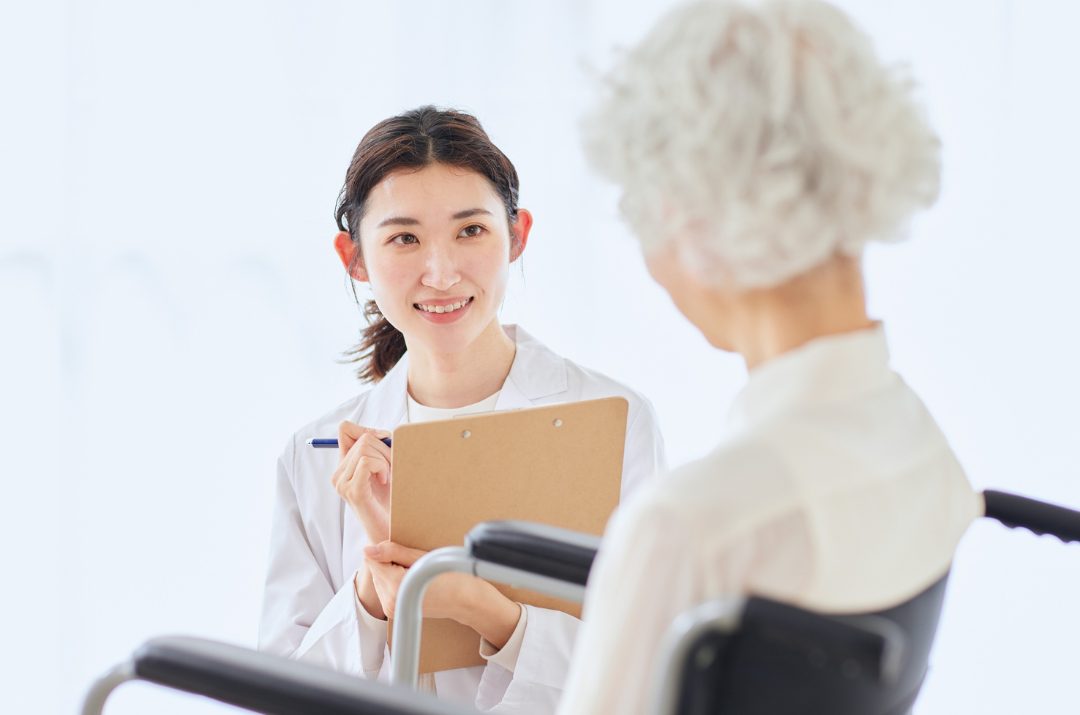
Providing clear explanations that reach beyond the language barrier and go to the heart of the matter
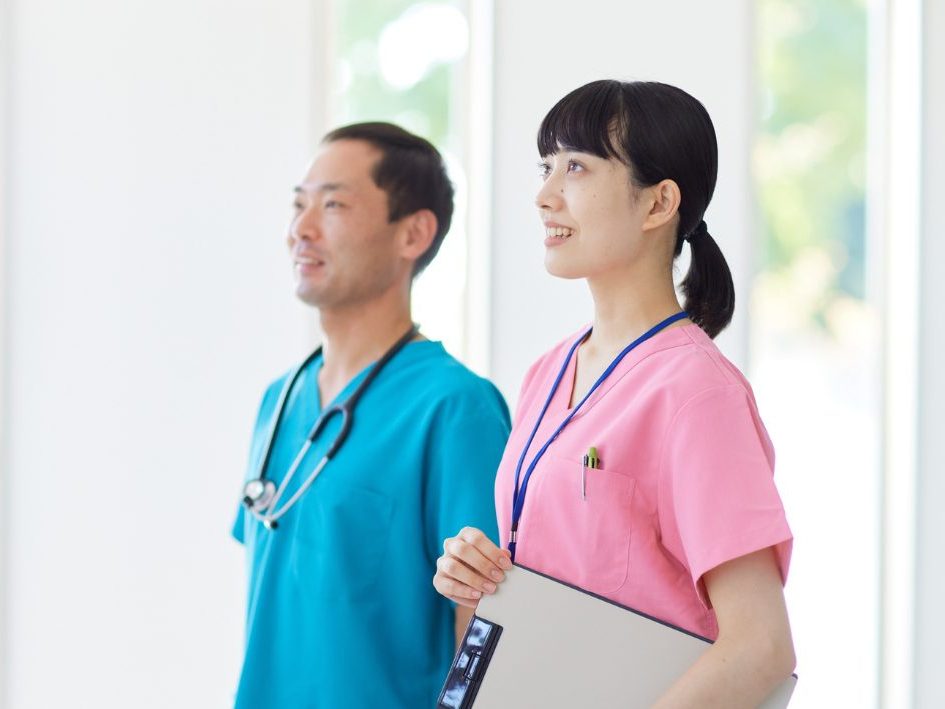
The Nichiben Team learns about Japanese culture and walks together
Amid the hustle and bustle of Hanoi, a sense of peace of Japanese quality that takes the strain off your shoulders
Information
Japan Green Vietnam Clinic
Japan Green Vietnam Clinic
Nurse Moritani Mikuru
I obtained my nursing and midwifery qualifications at a nursing college and have worked at a general hospital and clinic for 17 years. I hope to support you in Hanoi so that you can live healthily and with peace of mind. Thank you in advance.
AddressLac Hong Lotus Building 1-N01-T5, Hoang Minh Thao, Xuan Dinh, Hanoi
Phone number: 024-7300-0388 (Japanese available)
Consultation hours: Monday to Friday 9:00 AM to 12:00 PM, 1:00 PM to 5:00 PM, Saturday 9:00 AM to 12:00 PM *Closed on Sundays
website https://www.japangreen.vn/
Instagram japangreen.vn