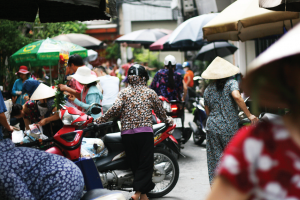
I think you all should be able to speak Vietnamese, don't you? I'm interested in Vietnamese, but it seems difficult. It is better to be able to speak Vietnamese, but even if you can't speak it, you can get by. I think it is honest to say, "I can get by without speaking Vietnamese.
In Vietnam, English is rarely spoken. Recently, it is common to hear that parents send their children to English classes from a young age in order to learn English and apply it to their future jobs, but for the current generation of adults, English speakers are limited to hotels, airports, and areas with many Western travelers. Therefore, if you do not speak Vietnamese, it means that you can hardly communicate with local people without an interpreter.
So what are the advantages of actually being able to speak Vietnamese? Conversely, are there any disadvantages to speaking Vietnamese?
Good thing I speak Vietnamese.
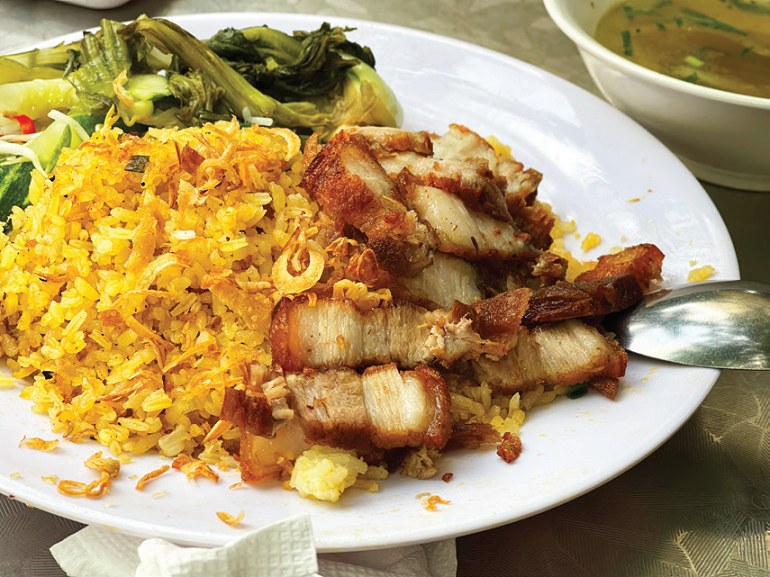
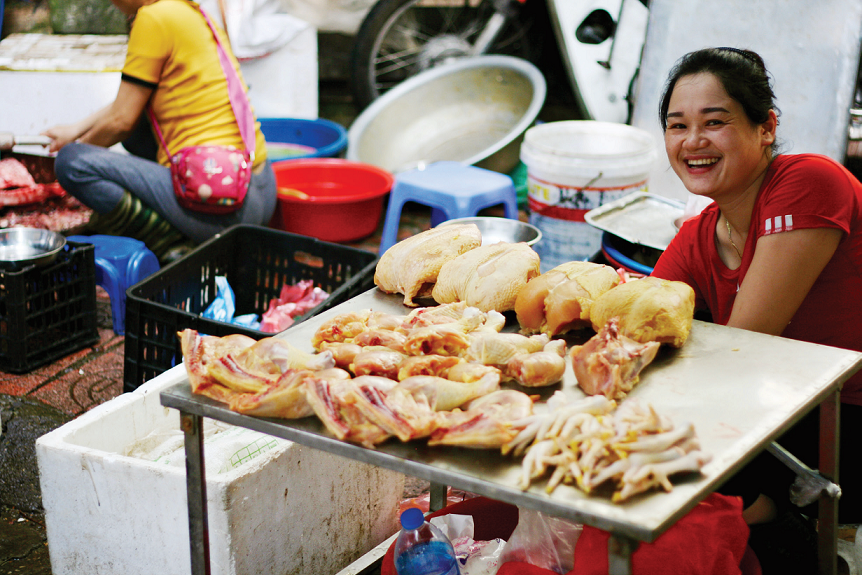
This is a lot, and to name a few, first, the freedom to eat local food! If you love Vietnamese food, don't you think that the cheapest and tastiest food is the food you eat at street stalls? Pho, banh mi, bun cha, porridge, sugar cane juice, grilled skewers, and so on. Of course, you can eat at beautiful restaurants, but eating at street stalls on plastic chairs is by far the cheapest and tastiest (although you run the risk of getting a stomach ache). (The risk of getting a stomach ache is always present.) At such stalls, of course, Japanese and English are rarely understood. It is different from restaurants in Japan, and even if you wait around in a daze, you may not know where to sit. No one will show you where to sit, and in many cases, there is no menu to begin with. If you go with a native speaker of Vietnamese, you can get good Vietnamese food and leave everything to them, but if you go alone, it is almost impossible. If you speak a little Vietnamese, you can ask, "Can I sit here?" Do you have any? "Will it take you long?" (since many times no one comes to take your order even if you just sit there)," or "Is the food ready yet (since people often forget about it)?
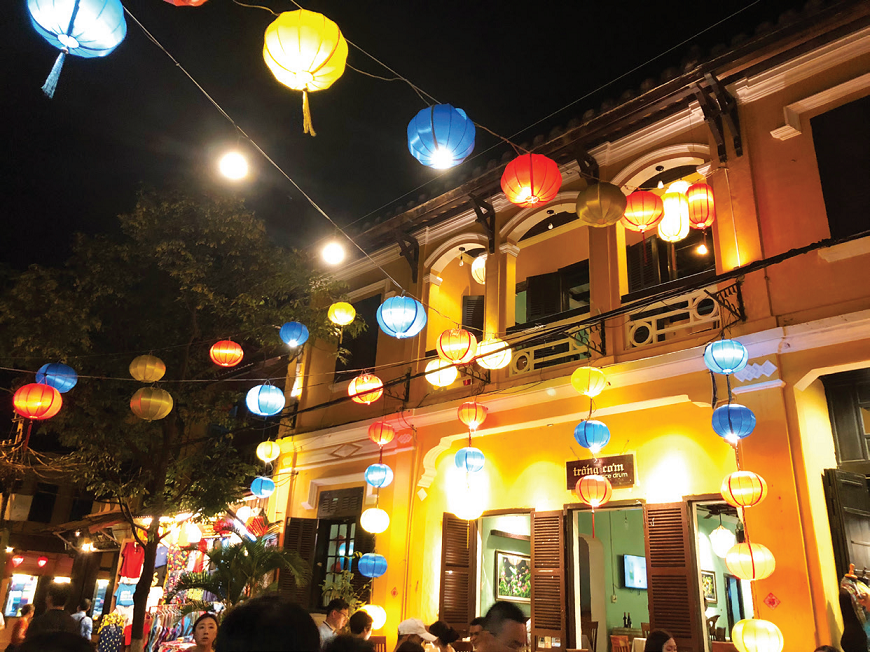
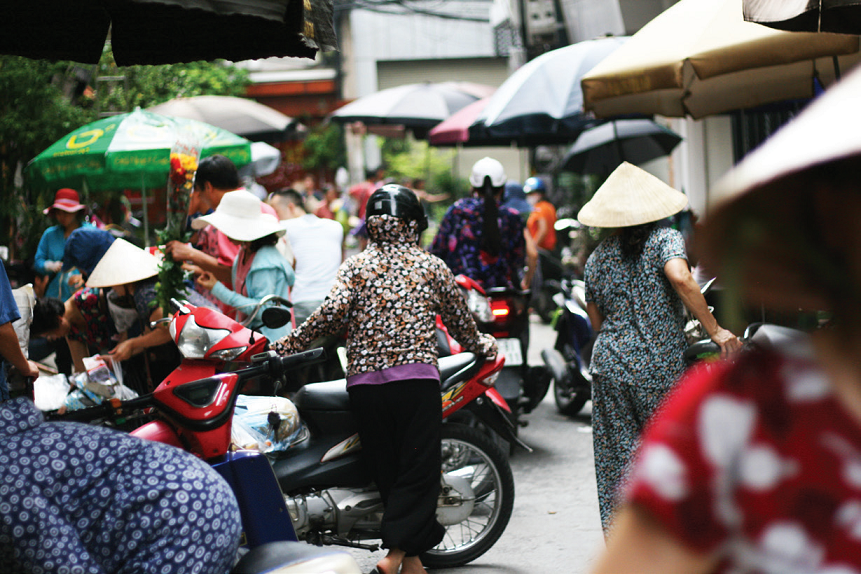
The second advantage is that you can get along with the locals anyway. People in the south are friendly, but in the north, the first meeting is cold. Rather, many people are somewhat shy. If you speak even a little Vietnamese at such a time, they are very pleased and you can instantly become friends with them. Even if the other party can speak Japanese at work, if they can see that you are also trying to understand their language, the relationship of trust between you and them will become much stronger. When you are in trouble outside the office, you can ask someone around the area for help, or ask a maid at a serviced apartment for a favor, and they will be very helpful in many situations.
Third, you can convey "I love Vietnam" in a non-superficial way. Language is a manifestation of a country's culture. For example, our Japanese language tends to have no subject or to be ambiguous, and it is easy to be a bit far-fetched when making a normal sentence. In contrast, English sentences tend to be straightforward and strongly convey the speaker's intention. If you were to translate an English love song into Japanese, you would feel quite embarrassed, wouldn't you? The same is true of Vietnamese. The fact that there are so many personal names gives the impression of strict hierarchy based on age, there are so many expressions using the word "eat," and "be late" and "get lost" become passive sentences about damage. As a result, you don't have to go out of your way to say, "I like Vietnam," but rather, "This foreigner is trying to understand Vietnam. They feel that "I like Vietnam," and they treat me with a sense of familiarity.
What was not good about speaking Vietnamese
Not much, but about the only thing I can say is that my bedtime talk seems to be in Vietnamese. When I was in Japan, his wife once told me that she did not know what he was saying, but his sleep-talk was clearly not in Japanese.
The flip side of the previous benefit is that the easier it is for us to ask for favors, the easier it is for them to ask us for favors. For example, if people around you know that you are going back to Japan, you may be bothered by requests for souvenirs or to buy "xxx" for you. Therefore, when you go back to Japan temporarily, it is better to leave quickly and quietly (laugh).
There are other times when someone you just met asks you for a loan of money. But overall, the advantages of speaking Vietnamese greatly outweigh the disadvantages. If you don't speak Vietnamese at all, you are just another foreigner in Vietnam, but if you speak a little Vietnamese, you may have met someone once a long time ago, and even if you have forgotten, they may remember you, and you will be recognized as "a special Japanese among many foreigners.
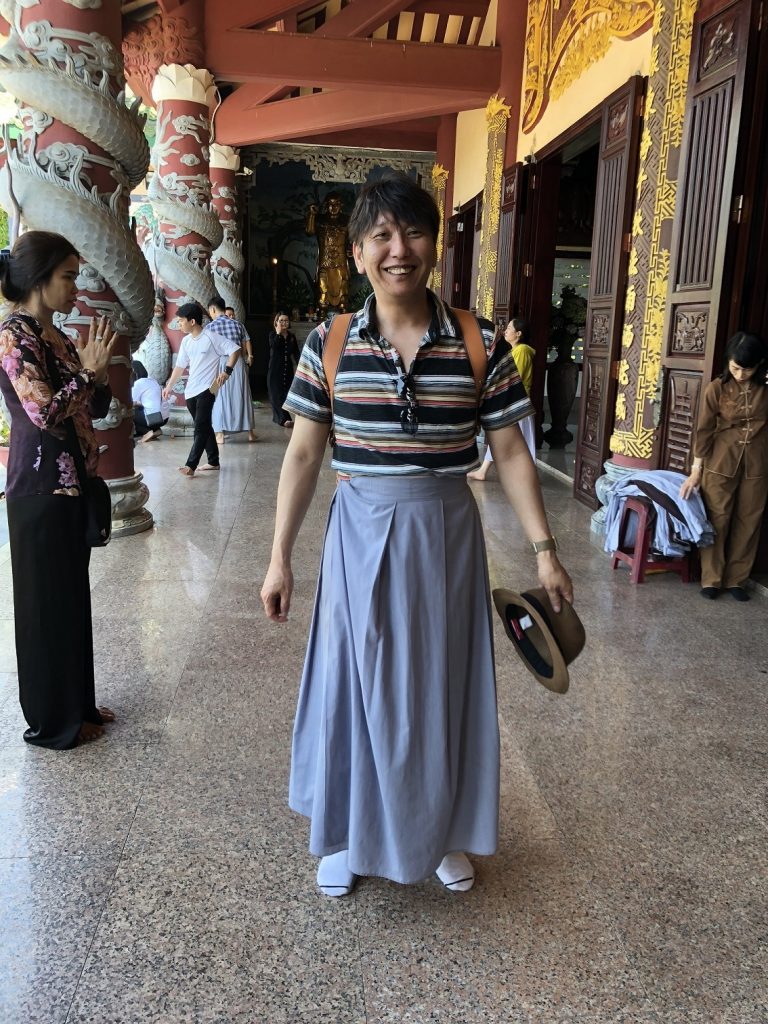
author (usu. of a particular book, etc.)
Kaz
Profile
Born in 1970
IT Advisor for locally hired Japanese Vietnamese IT company
Born in Hamamatsu, Shizuoka
Self-taught in Vietnamese for 3.5 years
Channel Motto
Fun! Easy to understand!
YouTube]https://www.youtube.com/c/ChannelKaz