Nihibayashi Yasushi, who has been in Vietnam for 10 years, and who has worked as a manager at an IT company in Hanoi, as a weekly magazine writer, and as the representative of a local swimming school, and who is currently serving as a manager of an animation studio, talks about what he found in Danang.
FB:Hibi Yasumasu
Japanese soft power felt in Vietnam
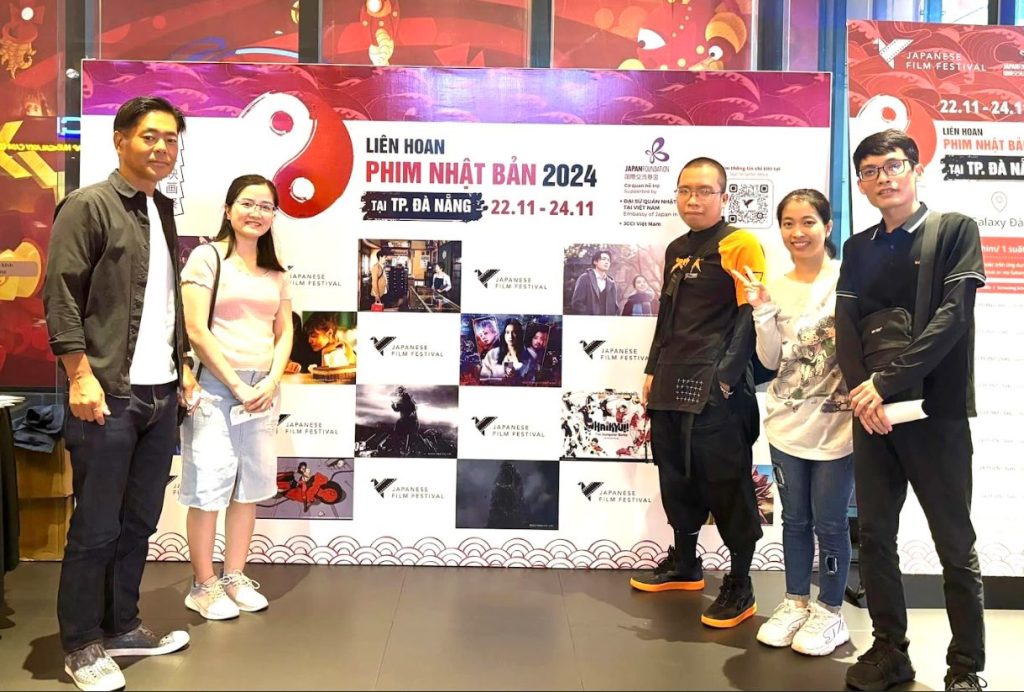
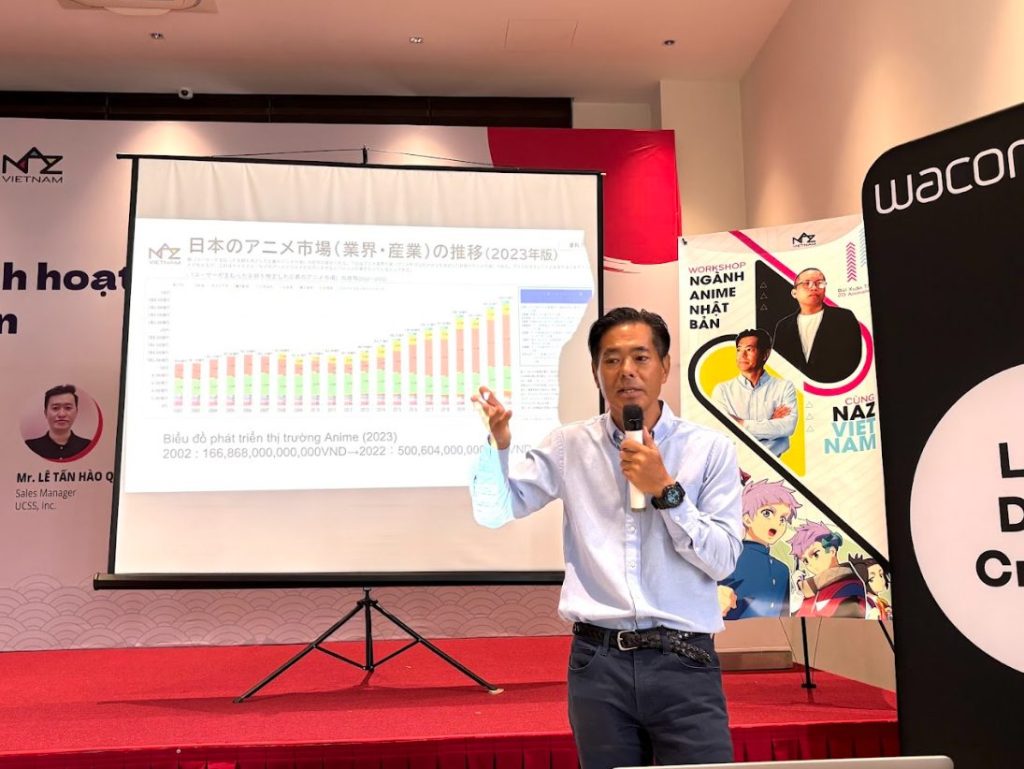
When I talk to Vietnamese people, the first thing that comes to mind when I say “Japan” are three things: Japanese food, adult videos, and animation. These seem to have a very strong soft power, even more so than what we in Japan think. I have been working on commissioned animation production for the past few years, and I feel strongly that animation is very popular in Vietnam, even in my daily work.
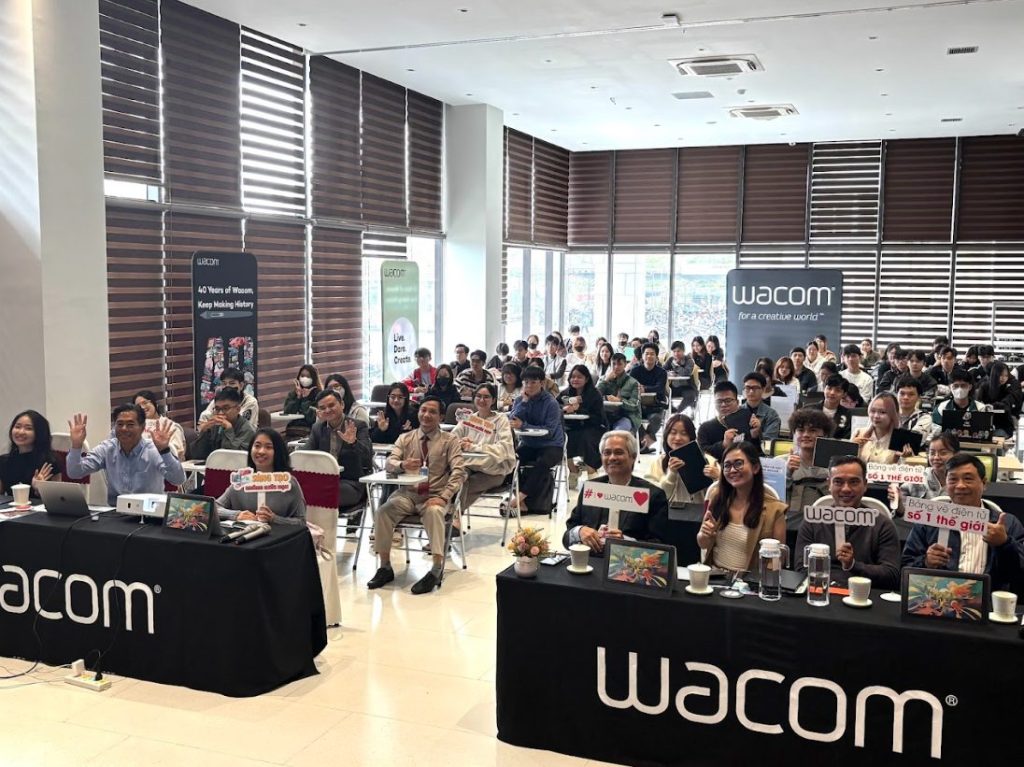
Last year, in anticipation of the need for more animators in the future, we held open seminars at six universities in Danang. These were held at universities where excellent students from Danang attend, including FPT University, Danang Architecture University, and Zaitun University. The seminar venue was a large classroom that seats more than 60 people, but the seats were fully occupied at all the universities. During the Q&A session, many students actively asked questions, and I was truly surprised to see so many students interested in the work of animation. I also felt the energy of the young generation in Vietnam again.
The potential of Vietnamese animators
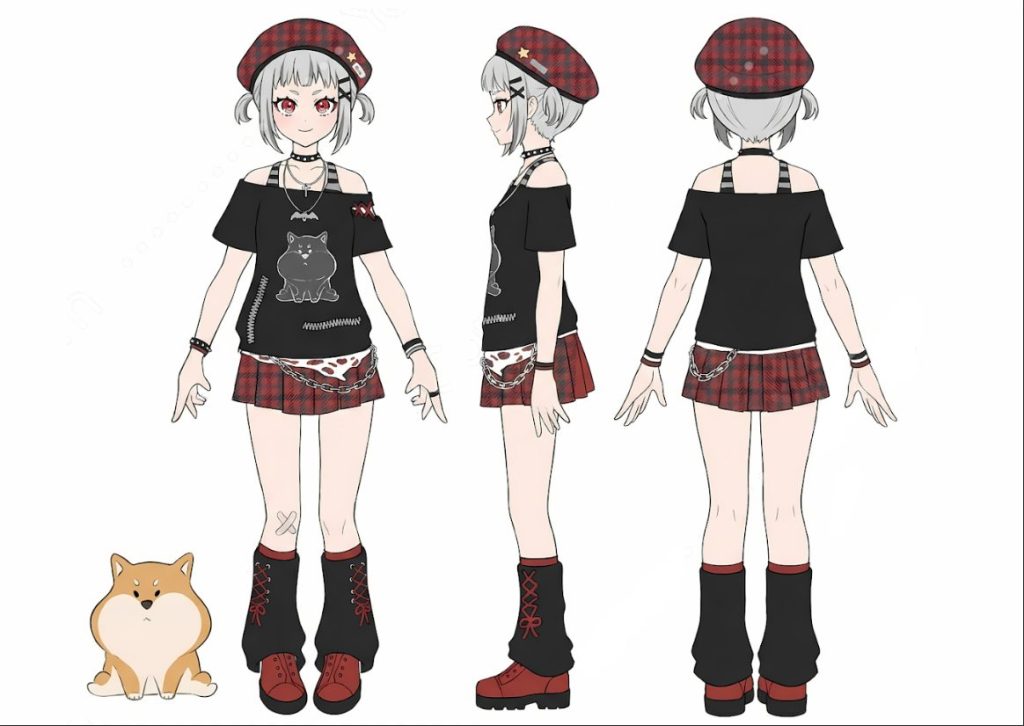
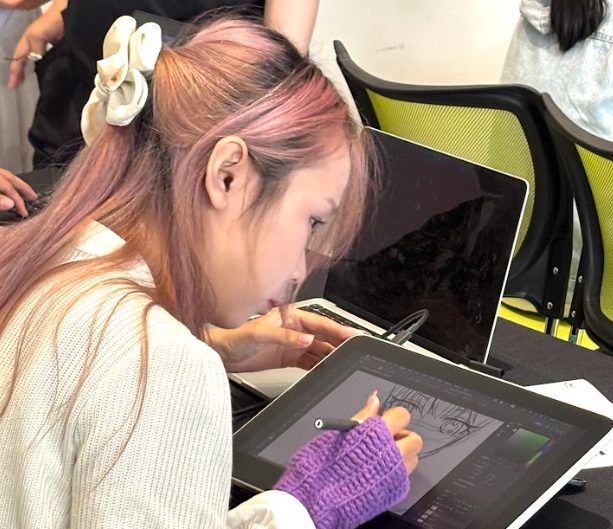
The way animation is produced is shifting from hand-drawn to generative AI due to the exponential growth of AI. We believe that the commissioned work of drawing a certain number of frames and earning money will disappear in about two years. Therefore, our team has started creating self-produced short videos. This is a project where Vietnamese animators utilize the creativity they have cultivated in Japanese animation production to create their own works.
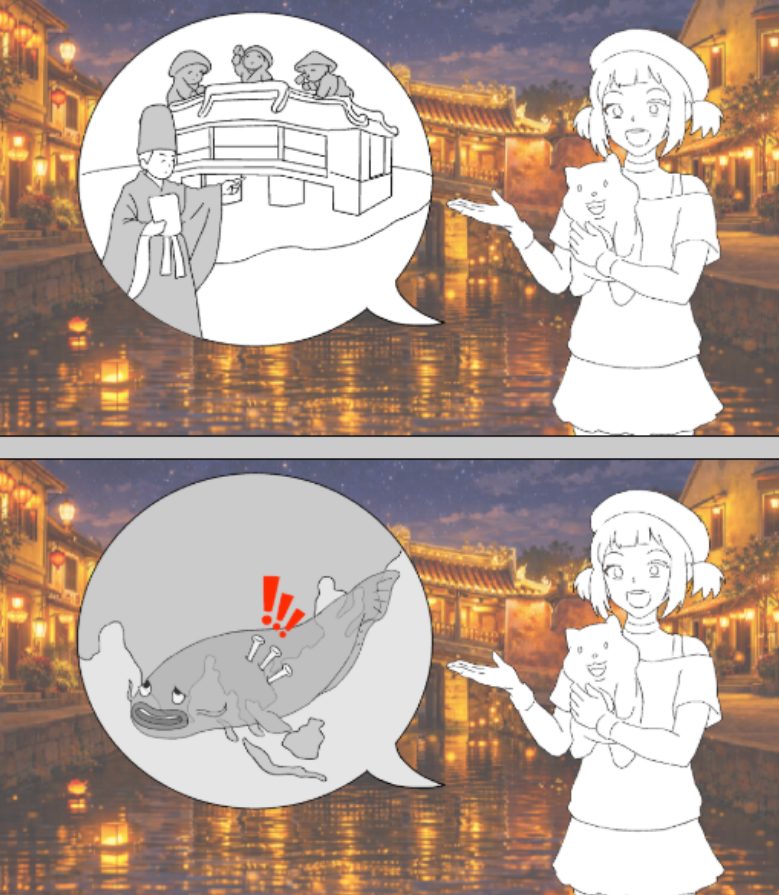
As my first project, I am planning a video introducing Da Nang and Hoi An. I wrote the script myself, but I was told by one of the animators, "Mr. Hibi, that's a typical tourist guide. Since you're using animation, you should include more fairy tales and fantasy elements."
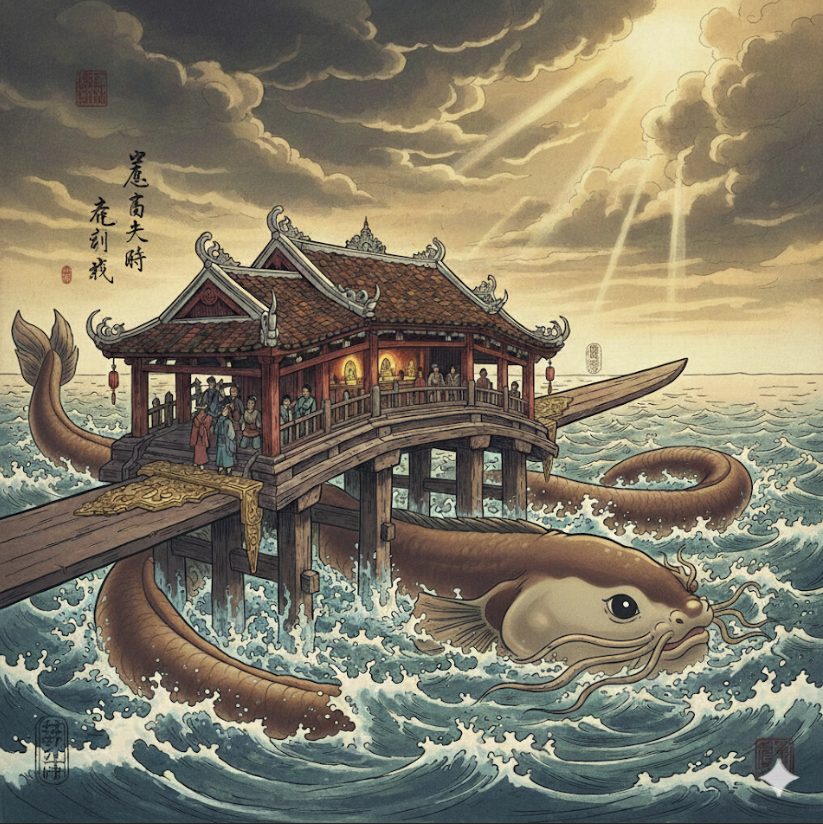
The legend is about the "Japanese Bridge" built in Hoi An in the 16th century. There has been a long-standing tradition in Asia that a giant monster like a giant puffer fish exists, and whenever that monster shakes with fear, earthquakes occur in Japan and floods and heavy rain in Vietnam. Therefore, the people of that time decided to build bridges at the points on the back of that monster as "heavy stones." That is why the Japanese Bridge was built. The bridge pillars serve as "swords" that pierce the monster's vulnerable spot and seal it in so that it cannot move.
Our team was very attracted by this fairy tale that is relevant to both Japan and Vietnam. We believe this is a subject that should be expressed as animated visuals. We are currently working on it diligently. Please look forward to it.