1000The Son Tay City Temple, located in the land of ancient civilization and with a long history, still retains the scenery of the old days in northern Vietnam. Its historical and cultural value attracts tourists from within and outside Vietnam.
Perfect for day trips from Hanoi
Get a moment of rest away from the hustle and bustle of the city
Son Tai is a municipal corporation that belongs to the city of Hanoi. It is located about 40 km west of the center of Hanoi, and because it is easily accessible, it is chosen by many people as a destination for weekend getaways with their families or friends.
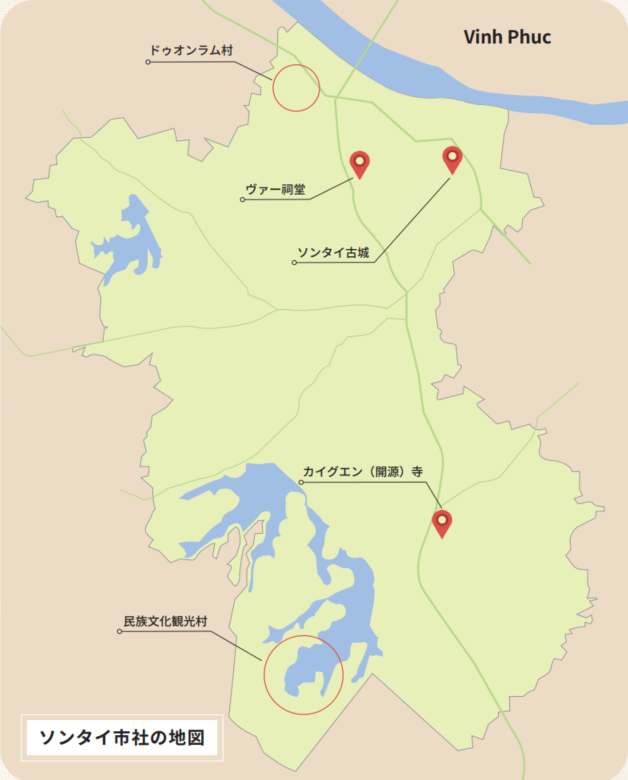
Son Tay Commune covers a total area of 113.5k㎡, and has many waterways and roads connecting the center of Hanoi, the Red River Delta, and the northwestern region, including the Red River, Tic River, National Route 21A, National Route 21B, National Route 414, and National Route 413. According to historical records, the name Son Tay has been in existence for more than 500 years, and in 1965, Son Tay Commune and the other counties of Son Tay Province merged with Ha Dong Province to become part of Ha Tay Province. After repeated mergers and separations, in 2008, it was merged with Ha Tay Province as a whole into Hanoi.
Songtai is known as a region rich in historical traditions and has many ancient cultural relics left behind. With its beautiful and peaceful natural scenery, diverse food options, Songtai tourism has flourished in recent years, fully realizing its potential.
It is.
How to get to Songtai
Since it is close to the center of Hanoi, there are various ways to get there. For those who don’t have a car, you can easily get there by bus, taxi, or with ride-sharing apps like Grab (about 60,000 VND one way).
Bus
● 20B
Take the bus from My Dinh Bus Terminal (one way VND 9000)
● Number 71
Take a bus at Cau Giay Bus Terminal (20,000 VND one way)
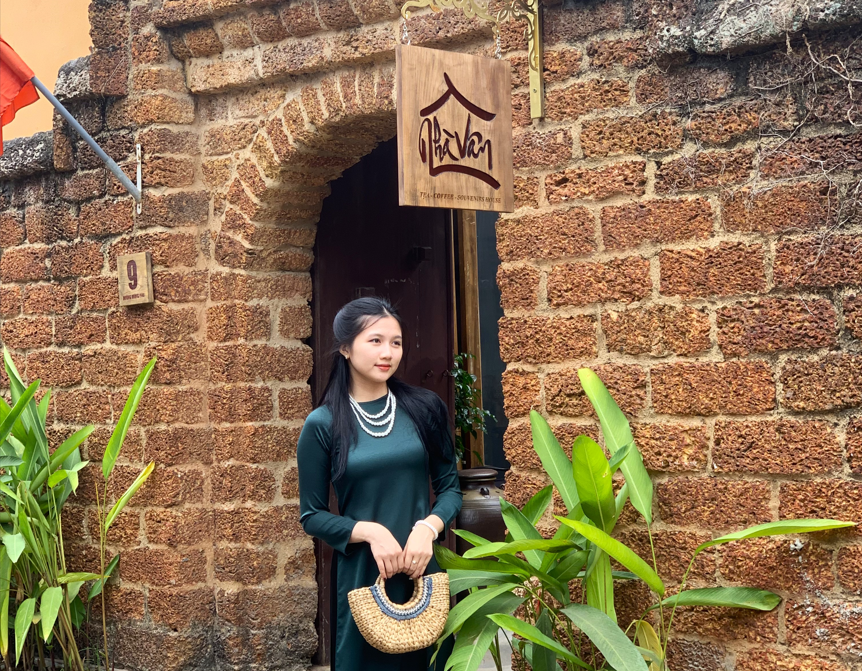
It was as if the flow of time had stopped.
Duonram Village, a National Historical and Cultural Site
Duong Lam Village, located just a few kilometers from Red River, is one of the oldest villages in the vicinity of Hanoi. It retains the characteristics of ancient villages in northern Vietnam, such as traditional houses, village pavilions, and gajumals, and was designated a National Historical and Cultural Site by the Vietnamese government in 2006.
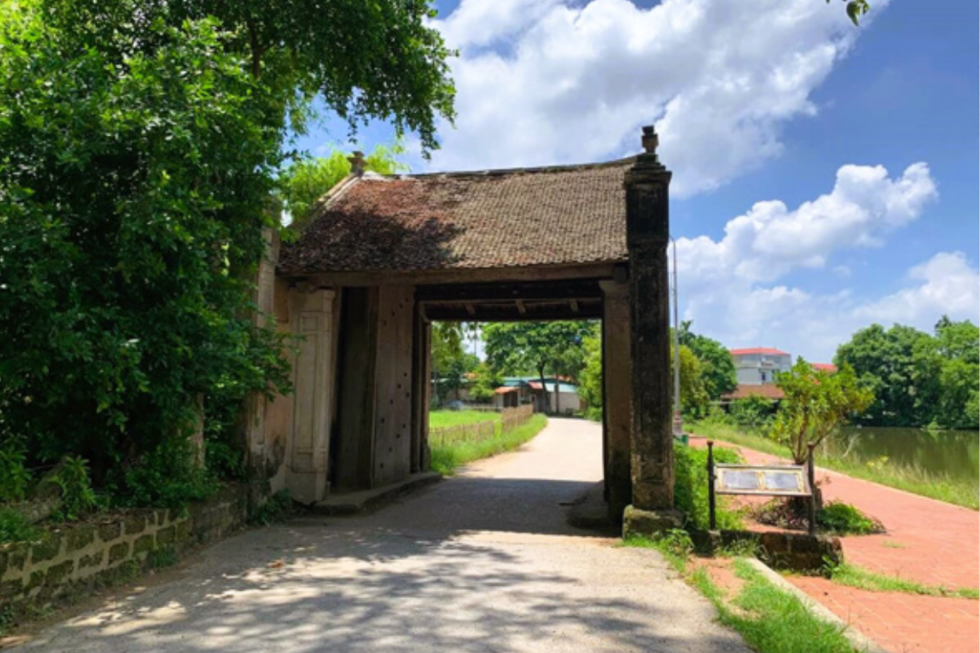
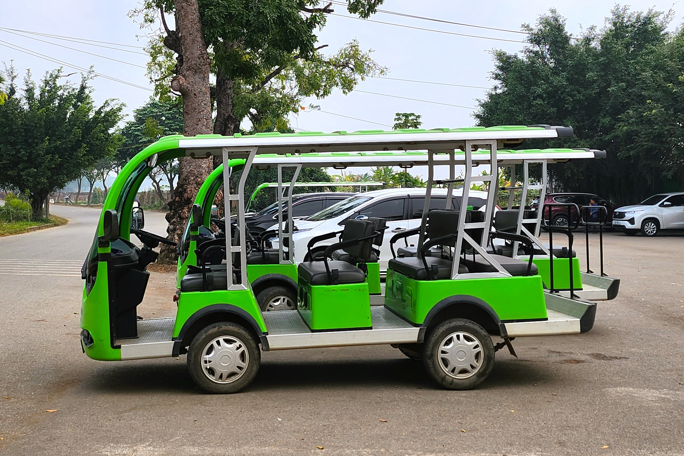
With an area of approximately 800 hectares and a population of over 8,000 people, Duong Lam Village is surrounded by a peaceful atmosphere and is a living museum showcasing the typical rural lifestyle of northern Vietnam. Composed of nine hamlets, the area is designated as a national historical and cultural site as an ancient village, consisting of five hamlets: Mong Phu, Dong Sang, Cam Thinh, Doai Giap, and Cam Lam, which are adjacent to each other. Known as the “Land of the Two Kings” because it is the birthplace of King Hung Phung and King Ngo Quyen, it is also known as the “Land of the Two Kings.”
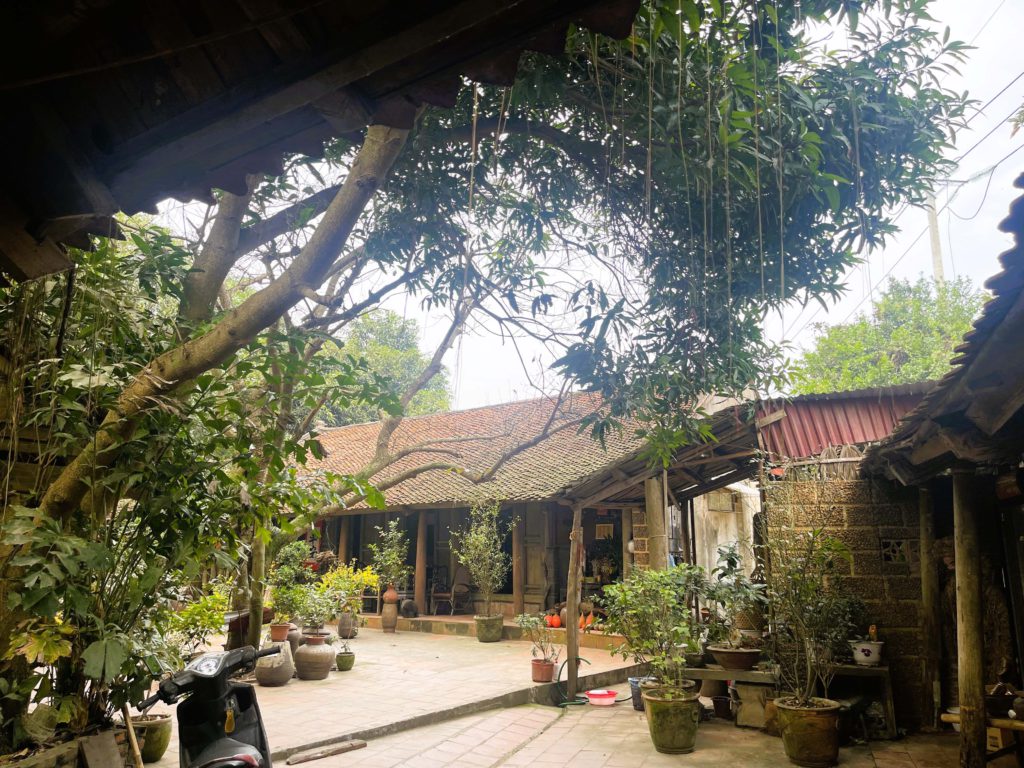
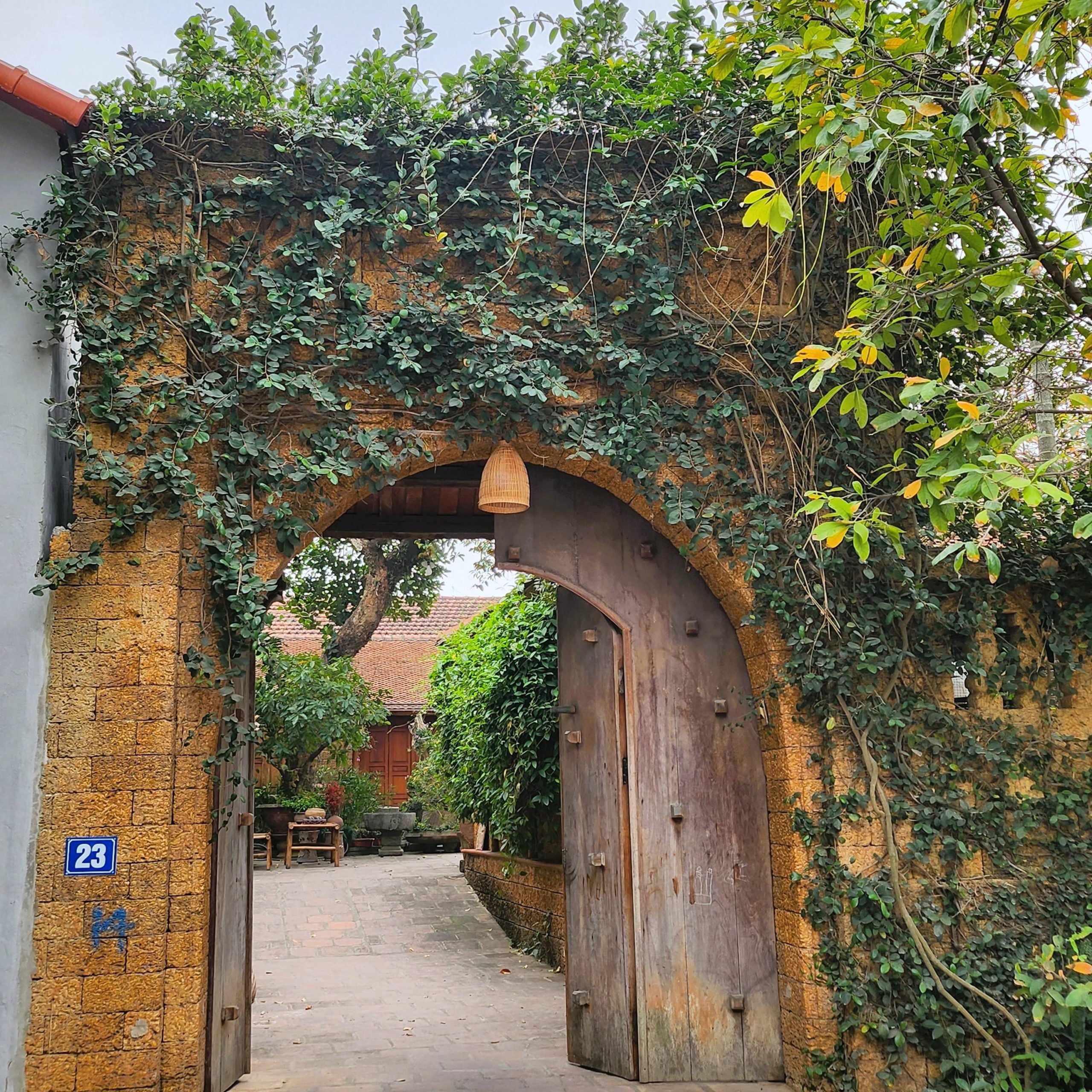
Duonlam Village Preservation Project
The Vietnamese government was alarmed by the loss of traditional housing due to economic development and enacted the Cultural Heritage Law in June 2001. Subsequently, conservation efforts began around 2003 in the village of Duong Lam, and the International Cultural Research Institute of Showa Women’s University and the Nara Cultural Research Institute proceeded with conservation measures at the request of the government. In January 2008, the Japan International Cooperation Agency (JICA) became involved as a partner.
As a result, many houses were restored and gradually more tourists came. As a result, the preservation project for Duonlam Village was evaluated by UNESCO, and in February 2013 it received an award for excellence in the Asia-Pacific Cultural Heritage Conservation Award from UNESCO.
Location: Duong Lam, Son Tay
Open: 8:00 a.m. – 5:00 p.m.
Price: 20,000 VND
Take a stroll through a town filled with the scent of history!
Major tourist attractions in Duonlam Village
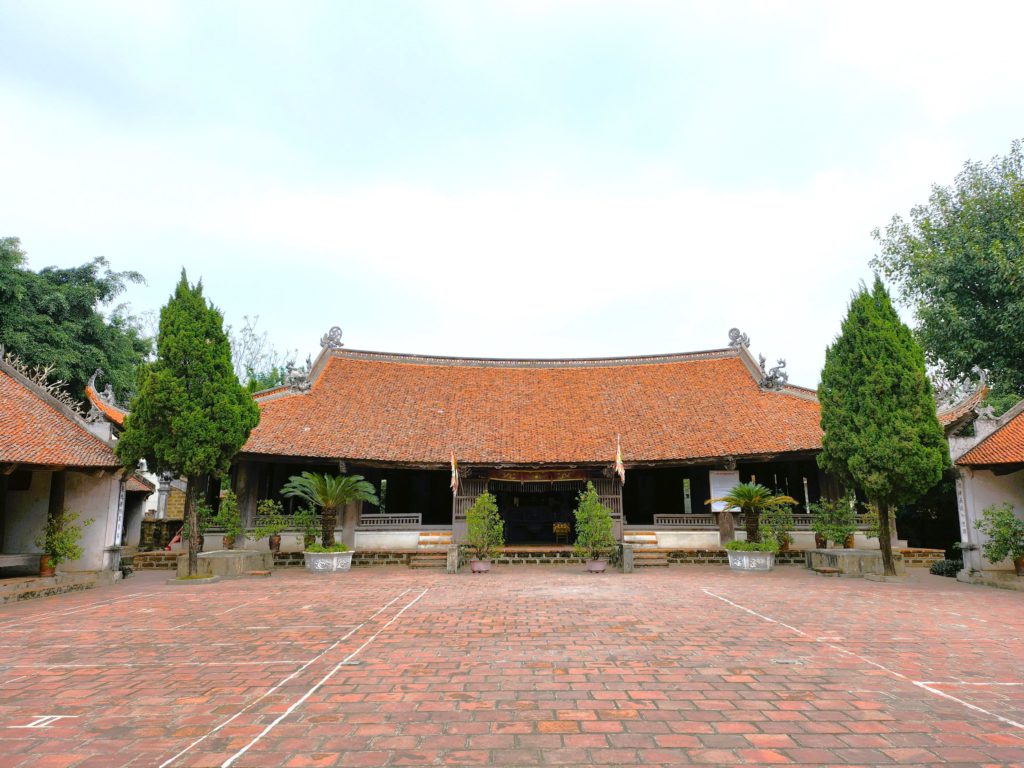
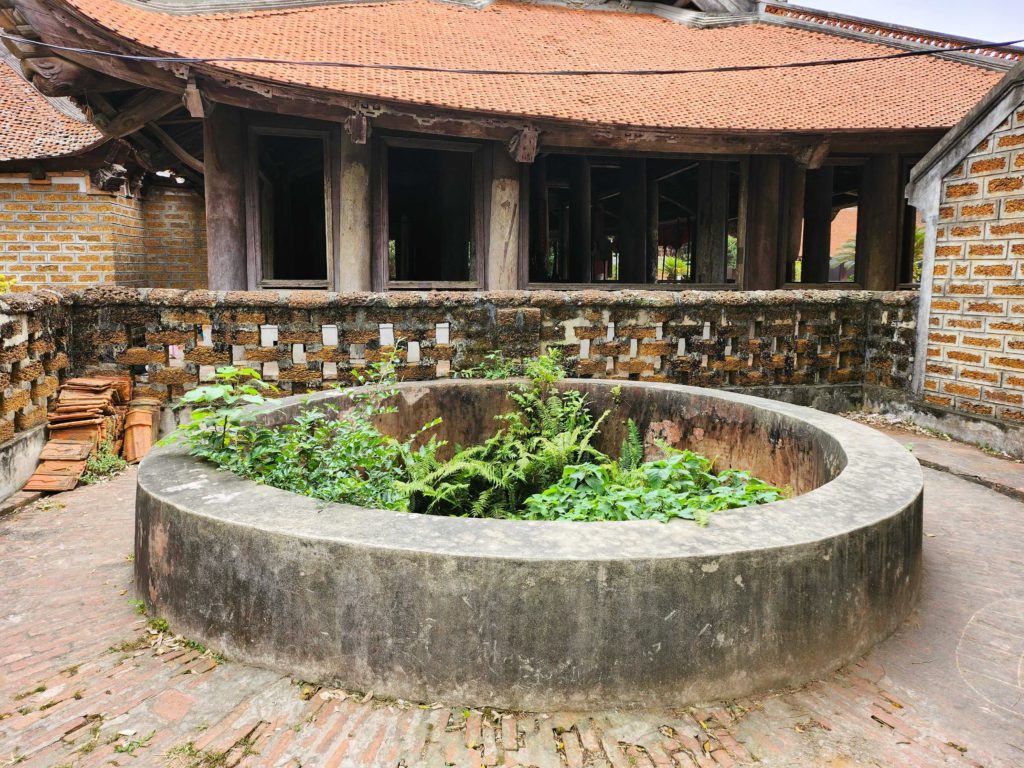
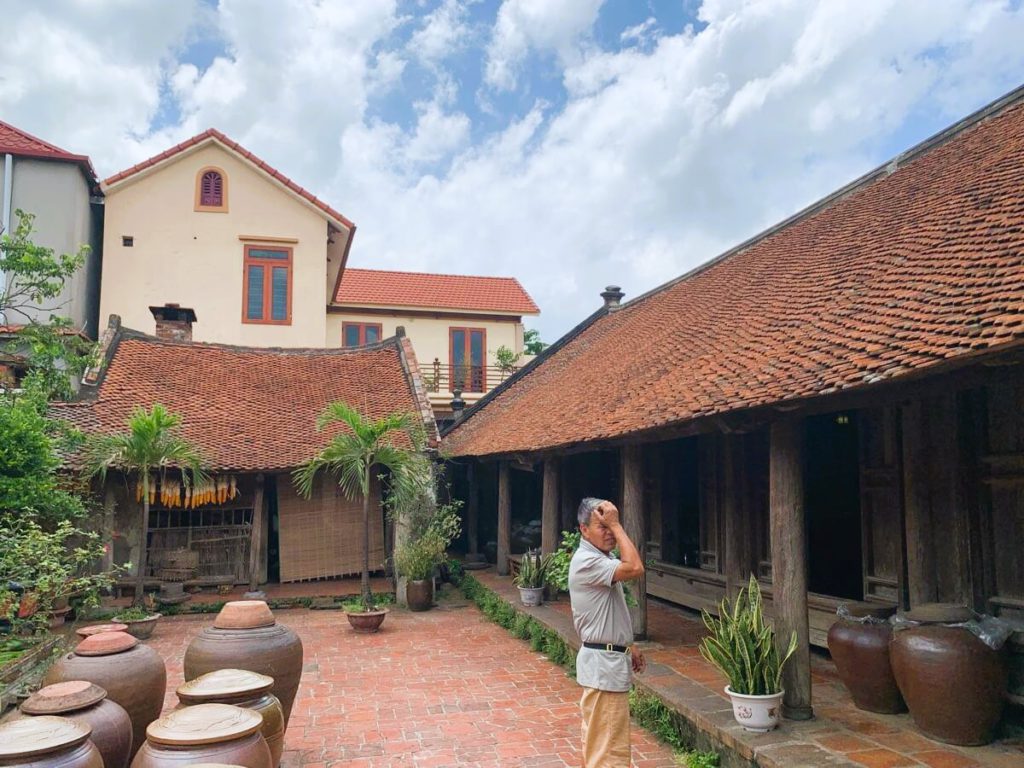
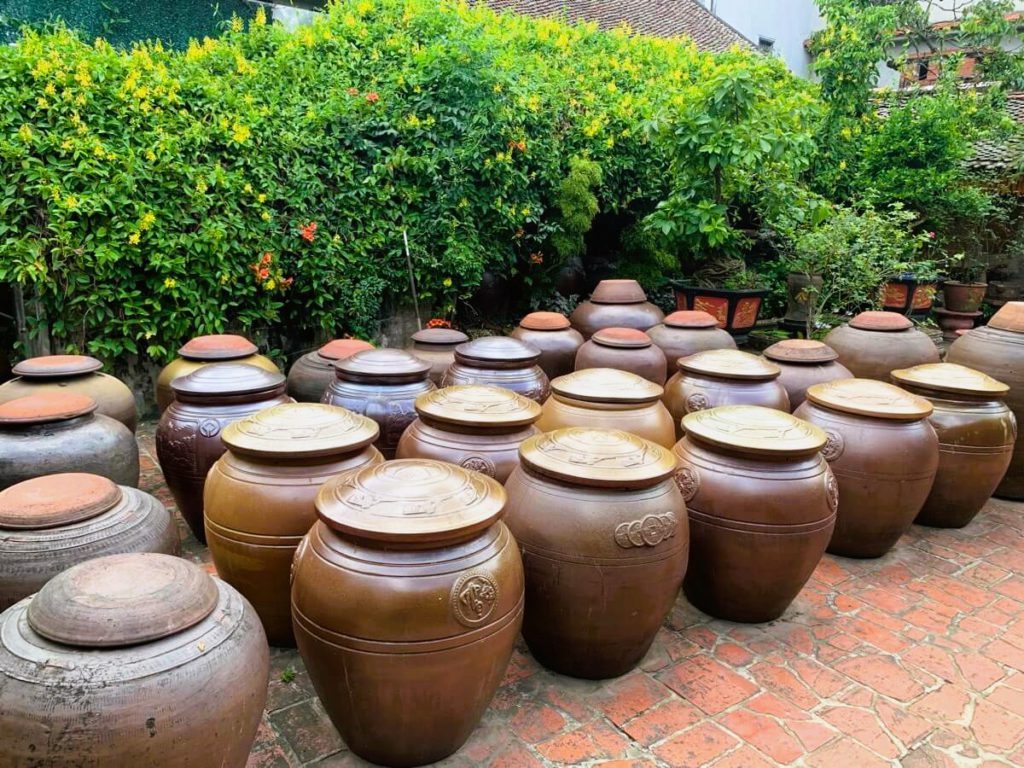
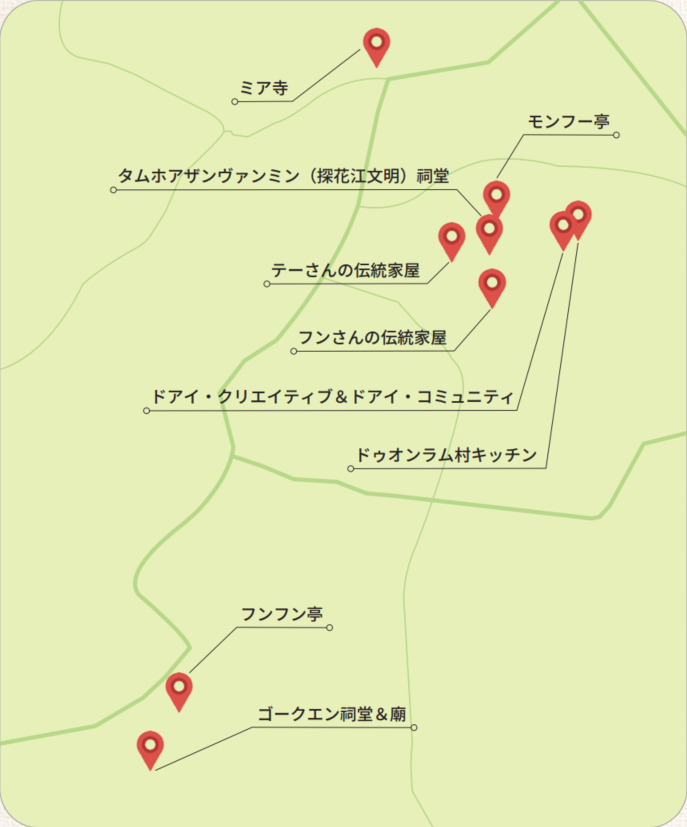
Mon Fu Tei / Dinh Mong Phu
In the center of the village is the Mon Phu Temple, built 380 years ago and measuring 1,800 square meters. It is characterized by the Viet-Muong architectural style, imitating a high-rise dwelling with wooden floors extending from the ground. In addition, Son Tinh (Mountain Deity) is enshrined as the village’s guardian deity. According to legend, it was built on land with a dragon head characteristic, located in the highest part of the village, and the two wells on either side symbolize the dragon’s eyes and the two streams of the dragon’s two horns.
Traditional House of Tay / Nha Co Ong The
The traditional house of Ha Huu The was built more than 300 years ago and has a total area of approximately 400 m². From the architecture to the materials used—wood frame, red tile, earthen walls, and stone floors—the details of the house have been almost completely preserved. For over 13 generations, the family’s lifestyle and traditional practices have been passed down from generation to generation, and the technology of making Tuong, a seasoning made by fermenting soybeans and rice, similar to Japanese miso, has also been inherited.
Hun's Traditional House / Nha Co Ong Hung
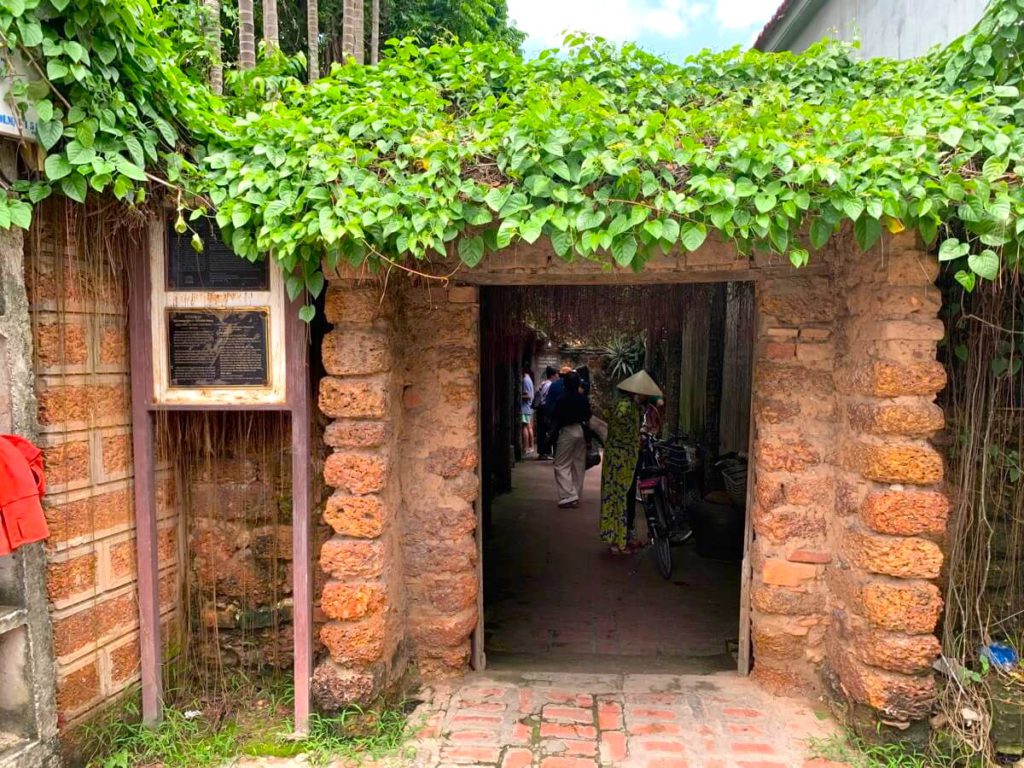
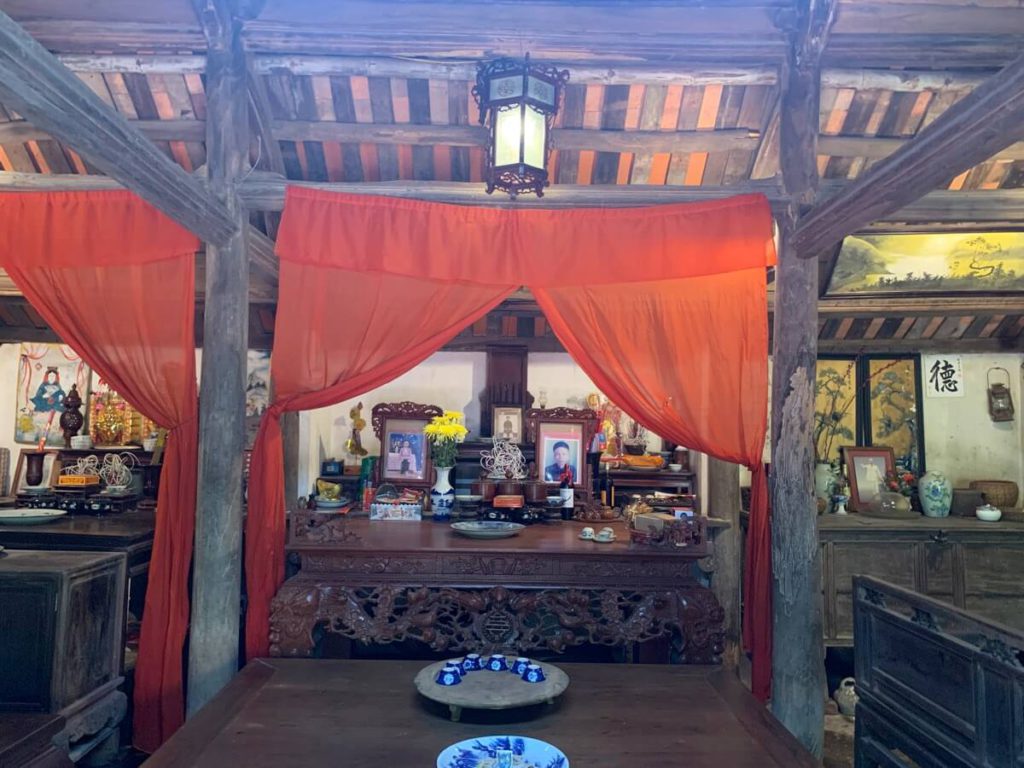
Built in 1649 as a traditional house of architecture, it has been inhabited for twelve generations. The gate is made of slate and the door is designed to be easily removed. The main building is divided into five sections, with the central three serving as places for ancestor worship and hospitality, while the two adjacent sections are used as bedrooms. The wooden ceiling is adorned with elaborate dragon patterns, and the interior is adorned with numerous antique items of cultural and historical value, including porcelain vases, porcelain pots, and bronze basons with three legs.
Chua Mia Temple
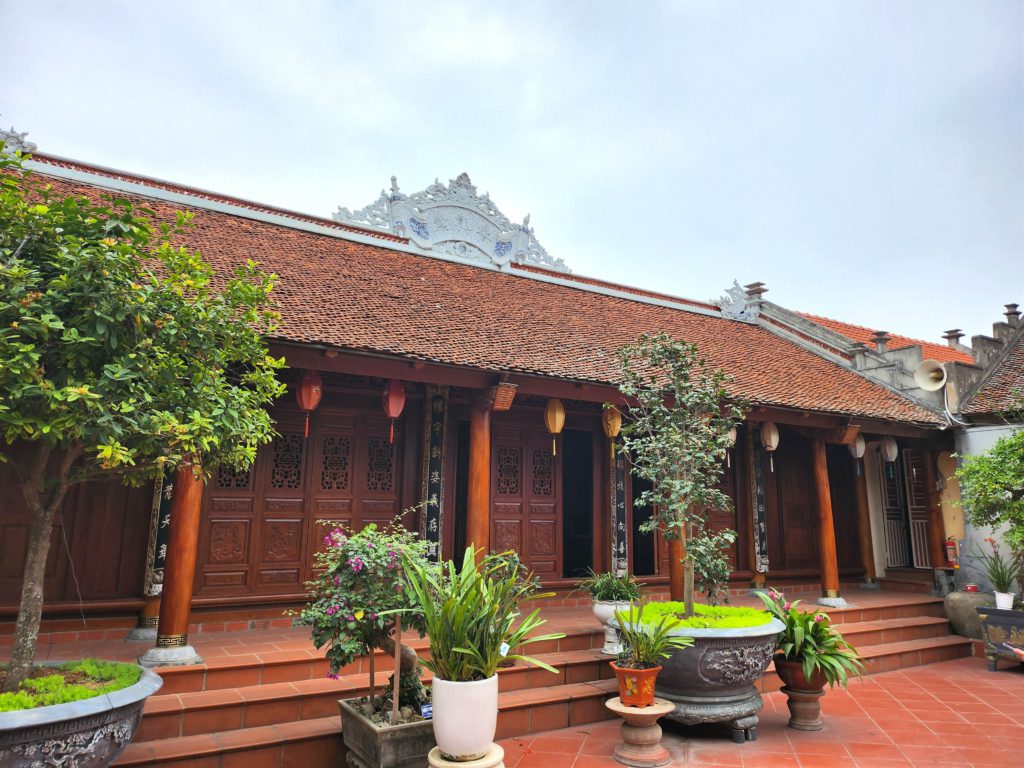
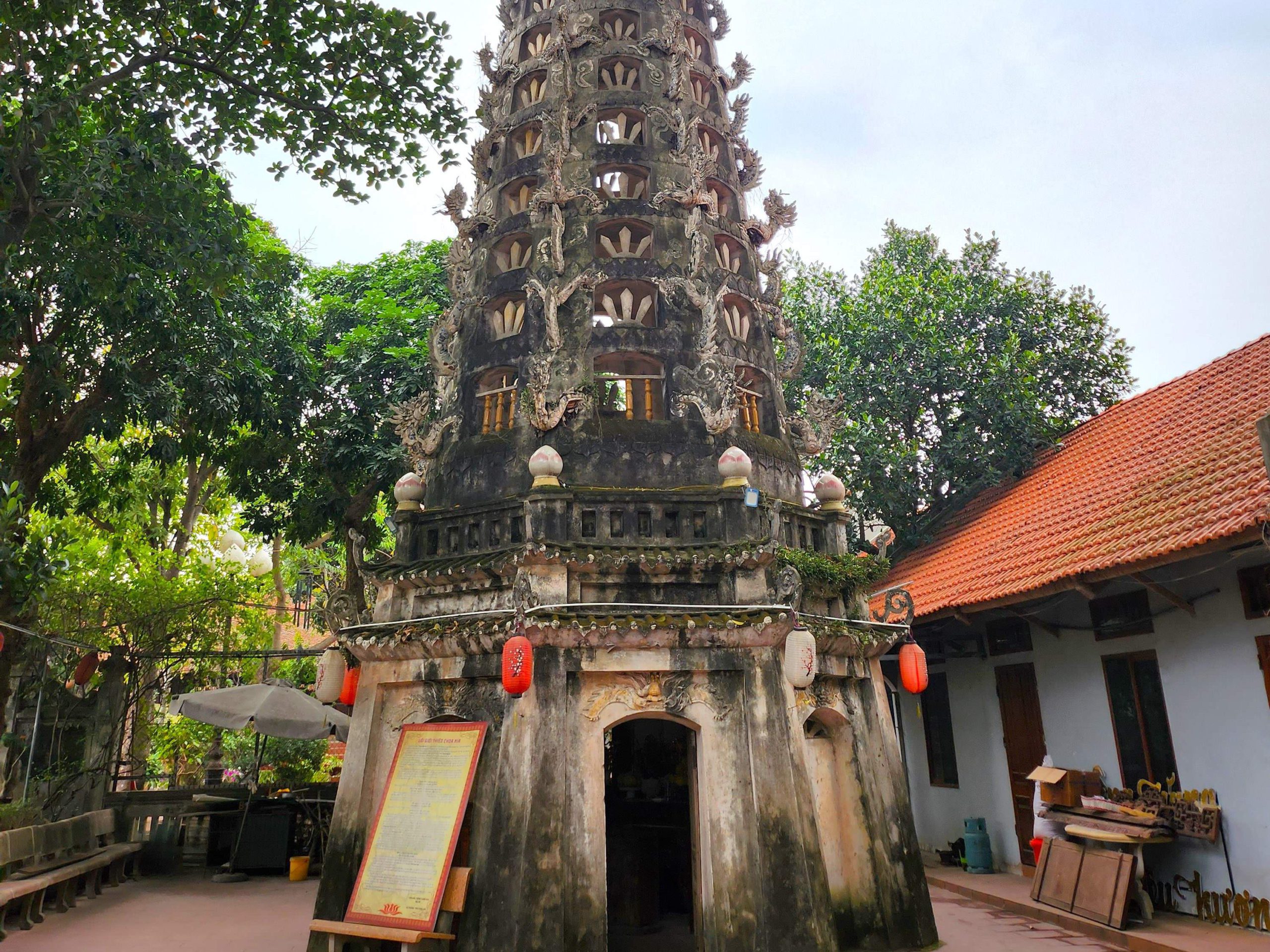
This temple was built in the 17th century and houses 287 Buddhist statues of artistic value. It is built on a granite hill in the center of Dongsan Village and has the official name of Soongiem Temple. The land was once named Mia, so it came to be called Mia Temple. As you enter the grounds from the main gate, you will see a 13-meter-high pagoda built on nine floors, which is also the place to store the Buddha relics.
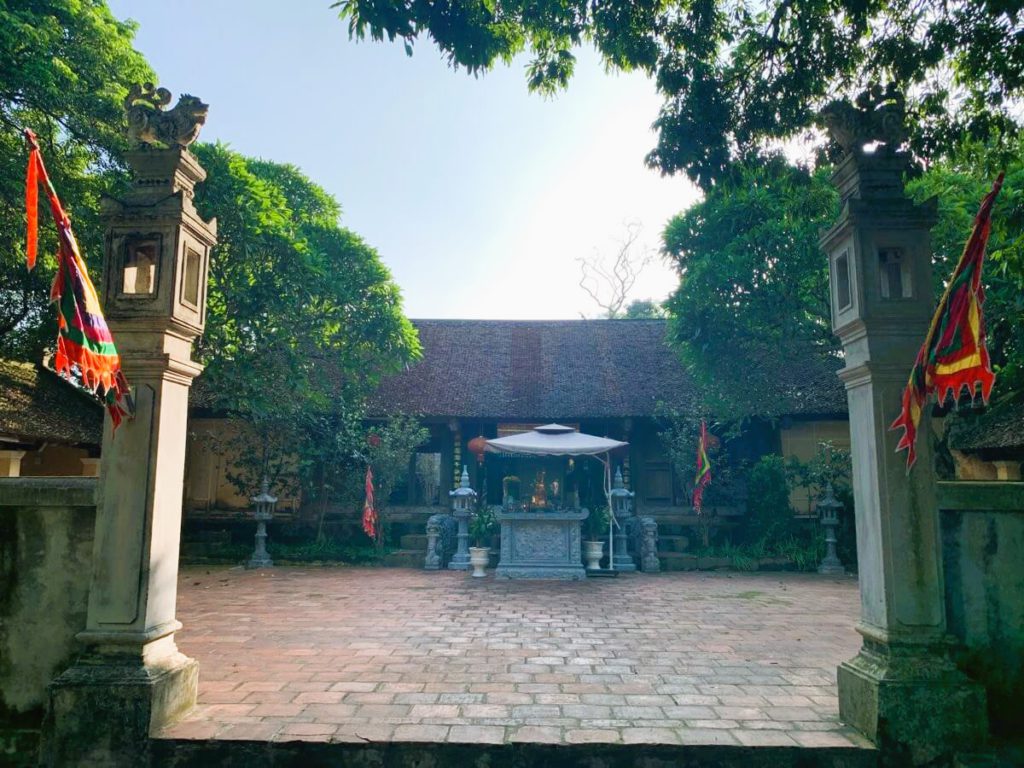
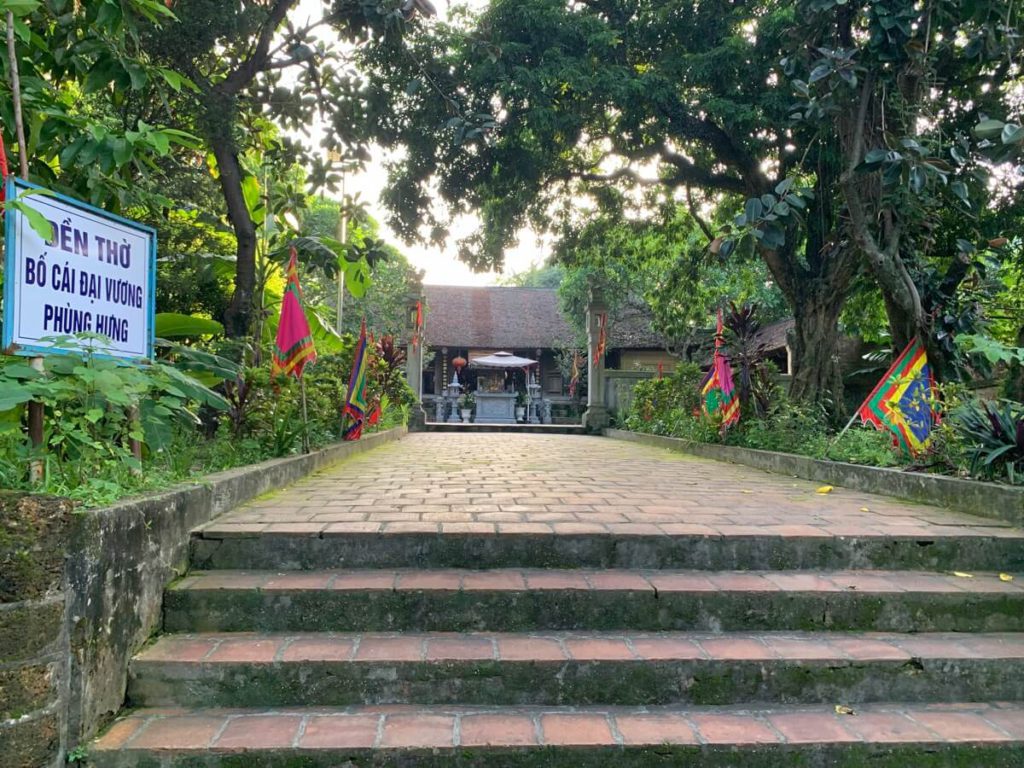
Dinh Phung Hung
King Bo Cai Dai Vuong, known as the Great King of Bago, was born in the village of Kamram and organized a rebel army to fight against the Tang Dynasty of China in 791. To honor his great achievements, the villagers established a temple and received numerous titles from the royal court. There are temples dedicated to the Great King of Bago throughout Vietnam, but this one is the largest and the construction date is still unknown.
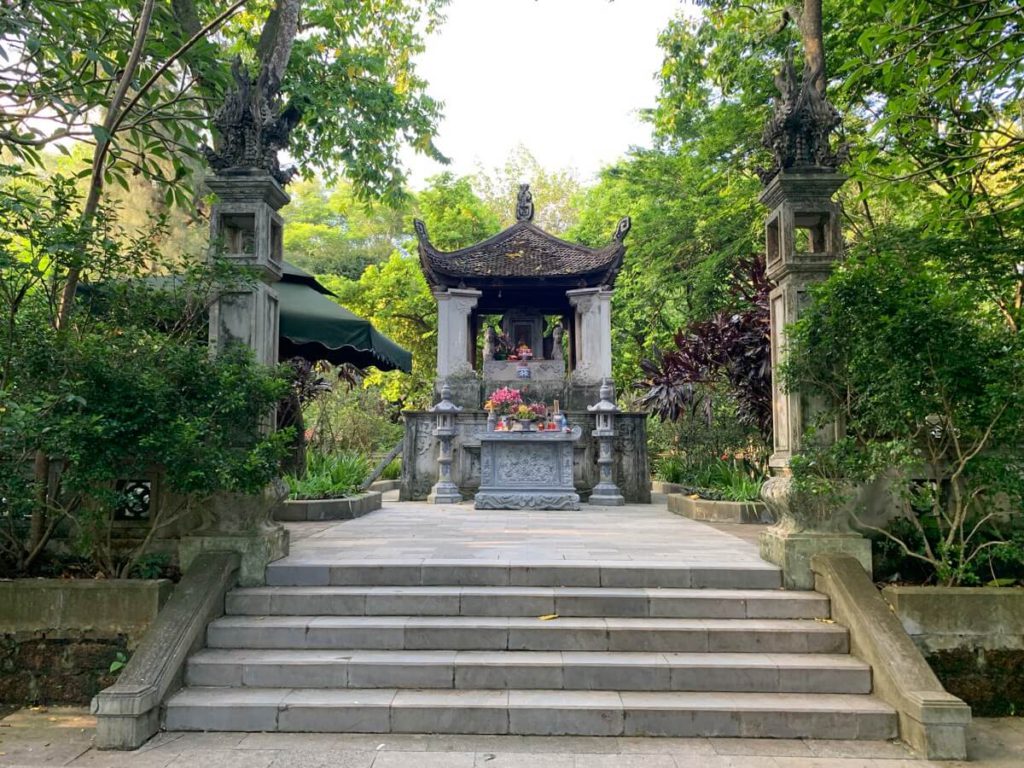
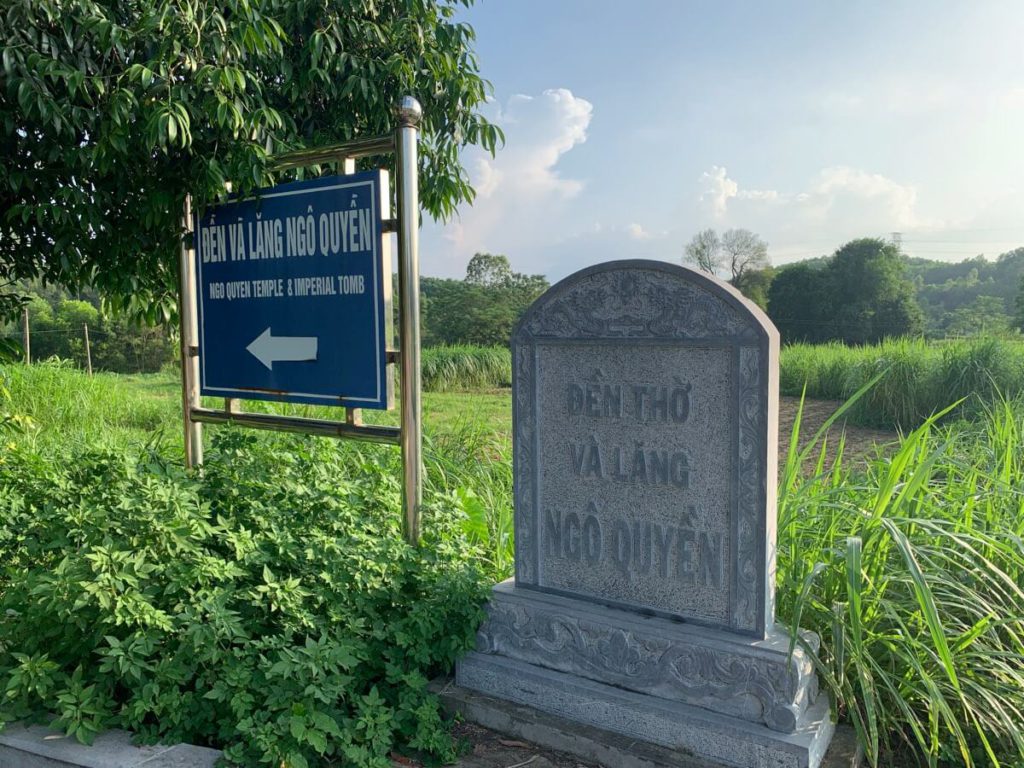
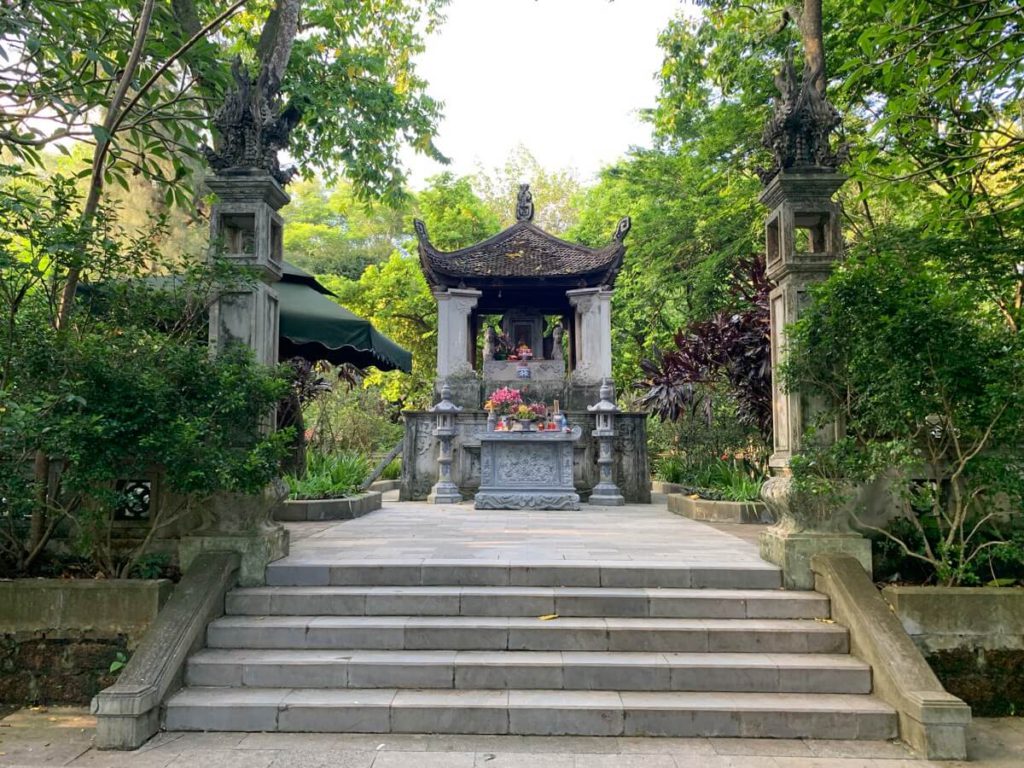
Gokeng Shrine & Temple / Den Tho & Lang Ngo Quyen
This is a shrine and temple built by the villagers to worship Gökengin King, who freed China from nearly 1000 years of Chinese rule and unified the country to establish the monarchy. Although the temple and the shrine are not very large, the surrounding grounds are spacious and many trees have been planted. The 18 trees in the grounds, which were recognized as heritage trees by the Vietnam Association for the Protection of Nature and Environment in 2011, are said to be the place where King Hun Hun and Gökengin King tied the elephant and the horse together. There is a legend that this is where King Hun Hun and Gökengin King tied the elephant and the horse together.
Tamhoazanzanmin (Tanka-e Civilization) Shrine Hall
Nha Tho Tham Hoa Giang Van Minh
The temple is dedicated to Zang Van Minh, a Vietnamese envoy sent to China in the 17th century. The main hall, measuring 400 square meters, and the gate and garden are decorated with elements of the Nguyen Dynasty architecture and ornamentation. The main hall contains valuable items such as statues, stone tablets, and incense burners. Every year on June 2 of the old lunar calendar, villagers, local authorities, and descendants of the Zang family gather to commemorate Zang Van Minh’s great achievements.
To a one-day-long ethnic cultural tourism village where 54 ethnic groups can gather together
The Vietnam Ethnic Culture Tourism Village preserves and displays the traditional cultural values of the 54 ethnic groups throughout Vietnam, and is also a place to promote tourism to Son Tay. Various ethnic groups are working to recreate the lives, cultures, and beliefs of each ethnic group.。
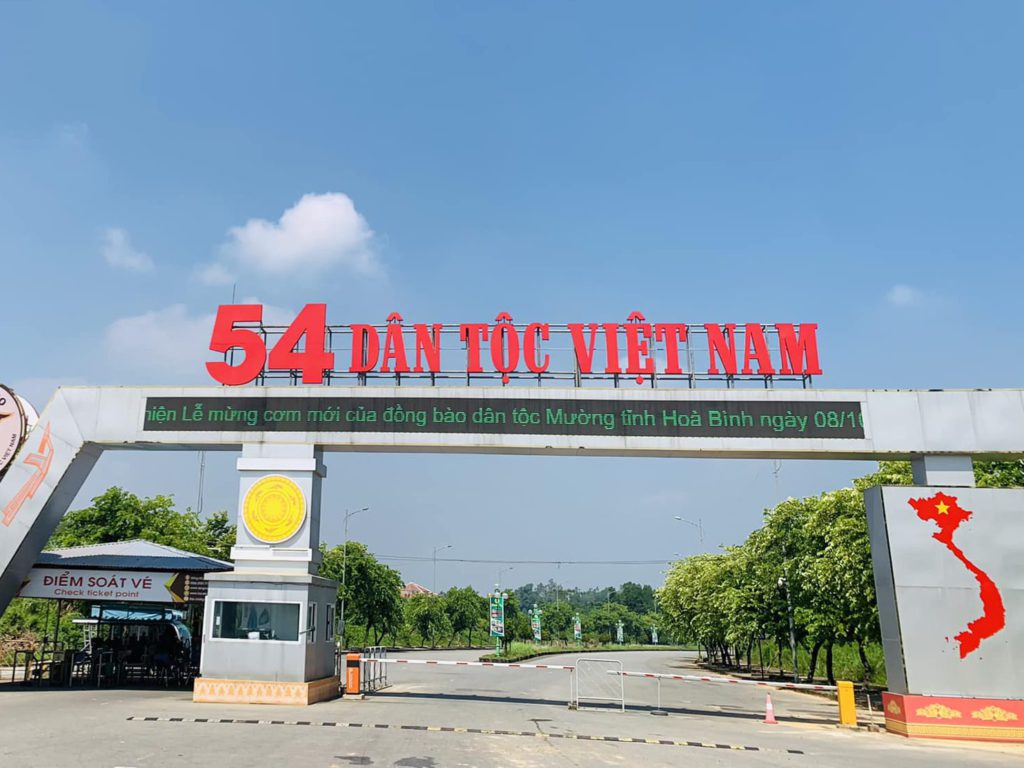
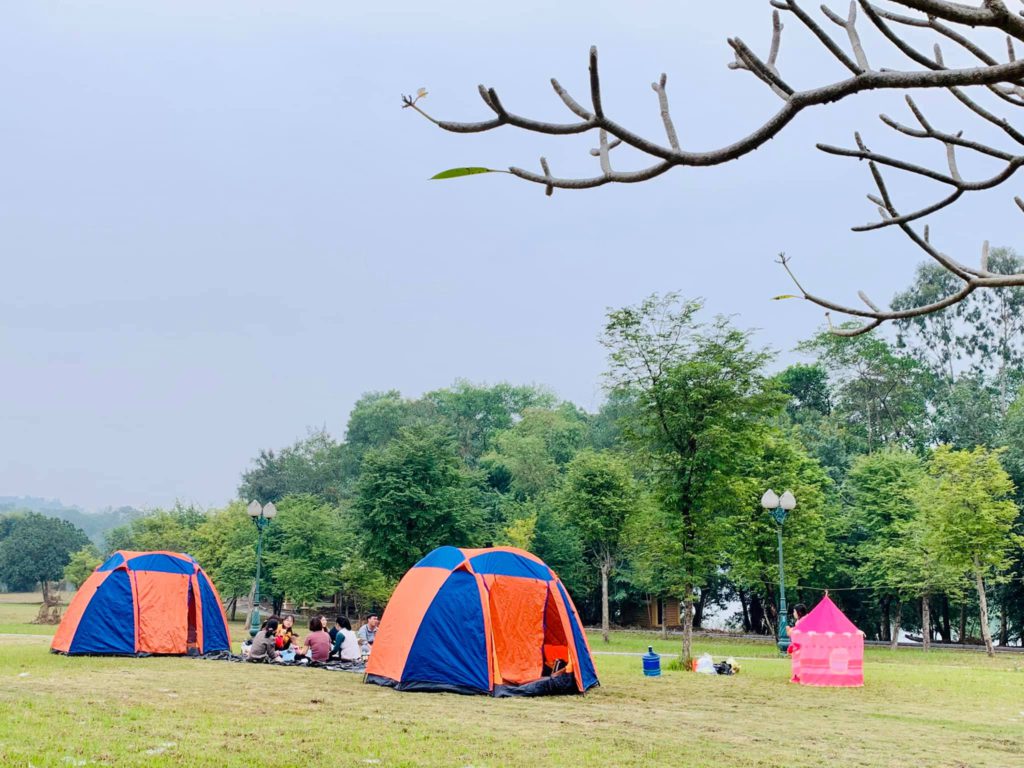
The Vietnam Ethnic Culture and Tourism Village is part of the Dong Mo‒Ngai Son tourist area, which reproduces the landscapes and lifestyles of 54 ethnic groups. It covers a total area of 205 hectares and is divided into four areas based on ethnic groups and dialects. Development continues today, and it is expected to grow into an even more attractive tourist destination in the future. Special events and festivals are held on special occasions such as New Year, allowing visitors to experience folk games and unique dances.
In addition to cultural artifacts from the Vietnamese ethnic group, models of famous world buildings such as the Eiffel Tower, the Great Wall of China, and the Egyptian pyramids are also on display. The entertainment area features thrilling rides, a golf course, and a pedestrian paradise.
Area 1
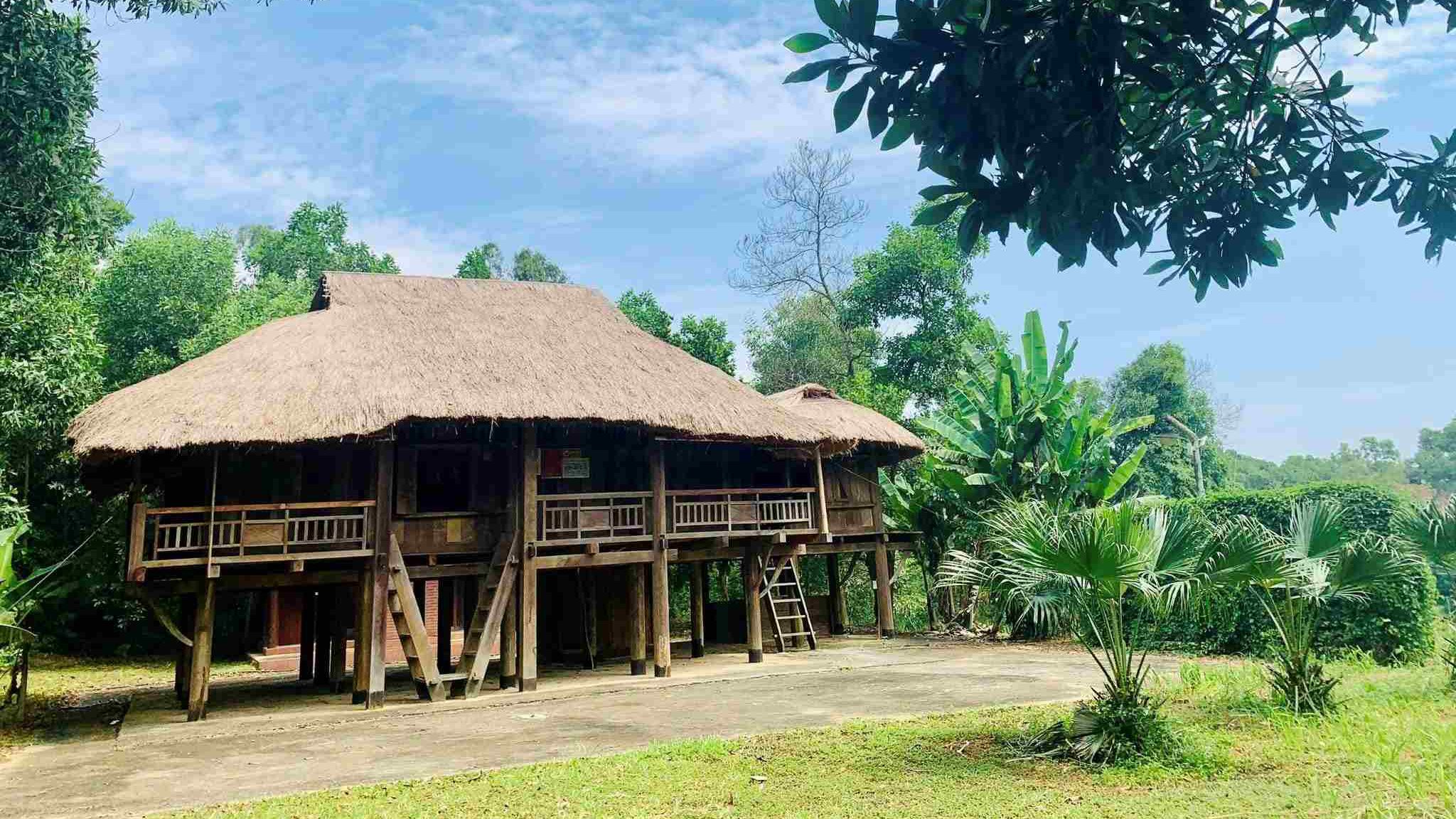
Recreates the cultural heritage and landscapes of 28 ethnic groups living in mountainous areas in the northeastern, northwestern, and central north of the country, including the Tay, Thai, and Mong ethnic groups
Area 2
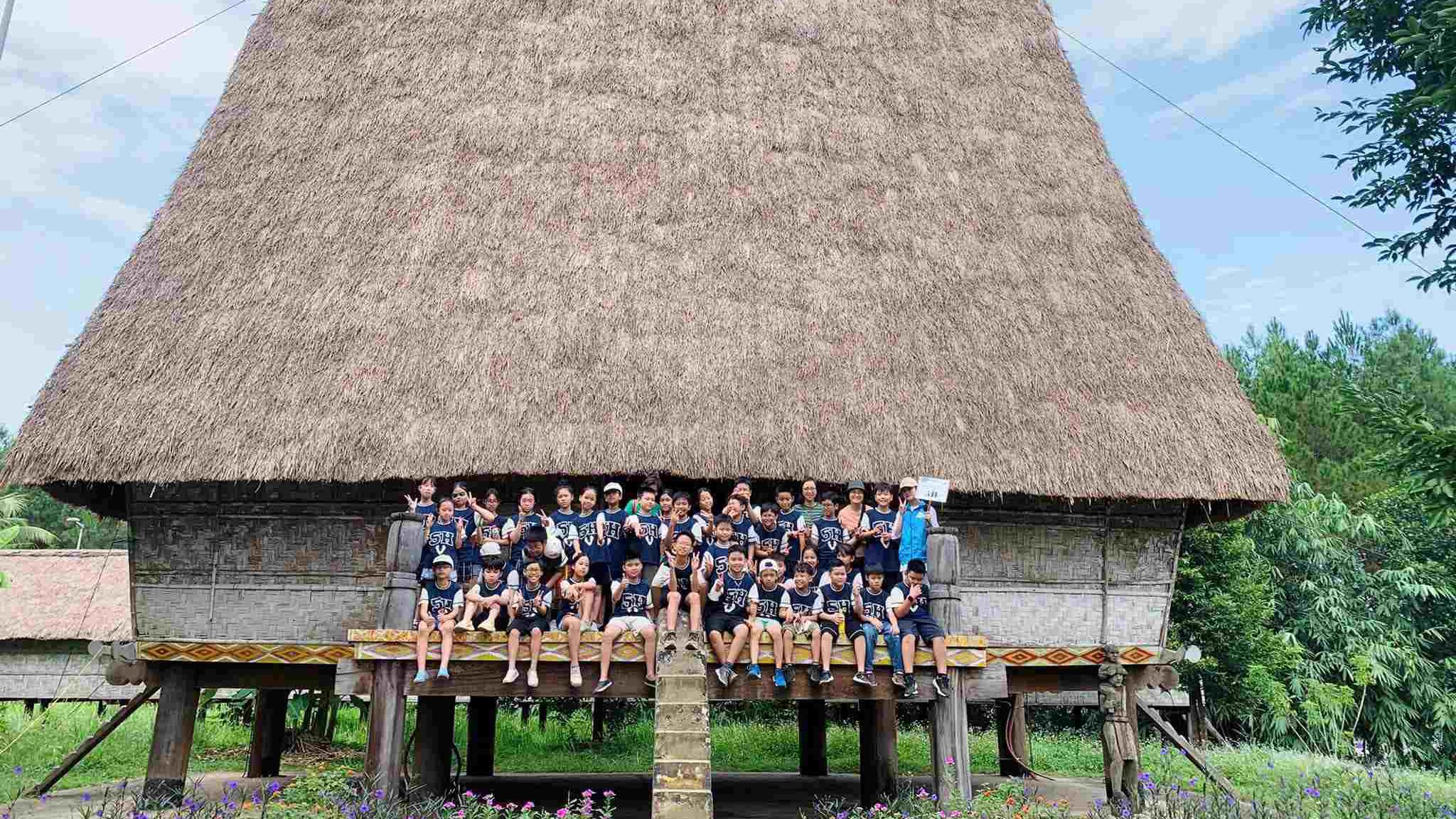
Recreates the cultural heritage and landscapes of 18 ethnic groups living in the central-southern region, Truong Son region, and highland and hill areas of the central plateau, including the Ba Na and E De ethnic groups
Area 3
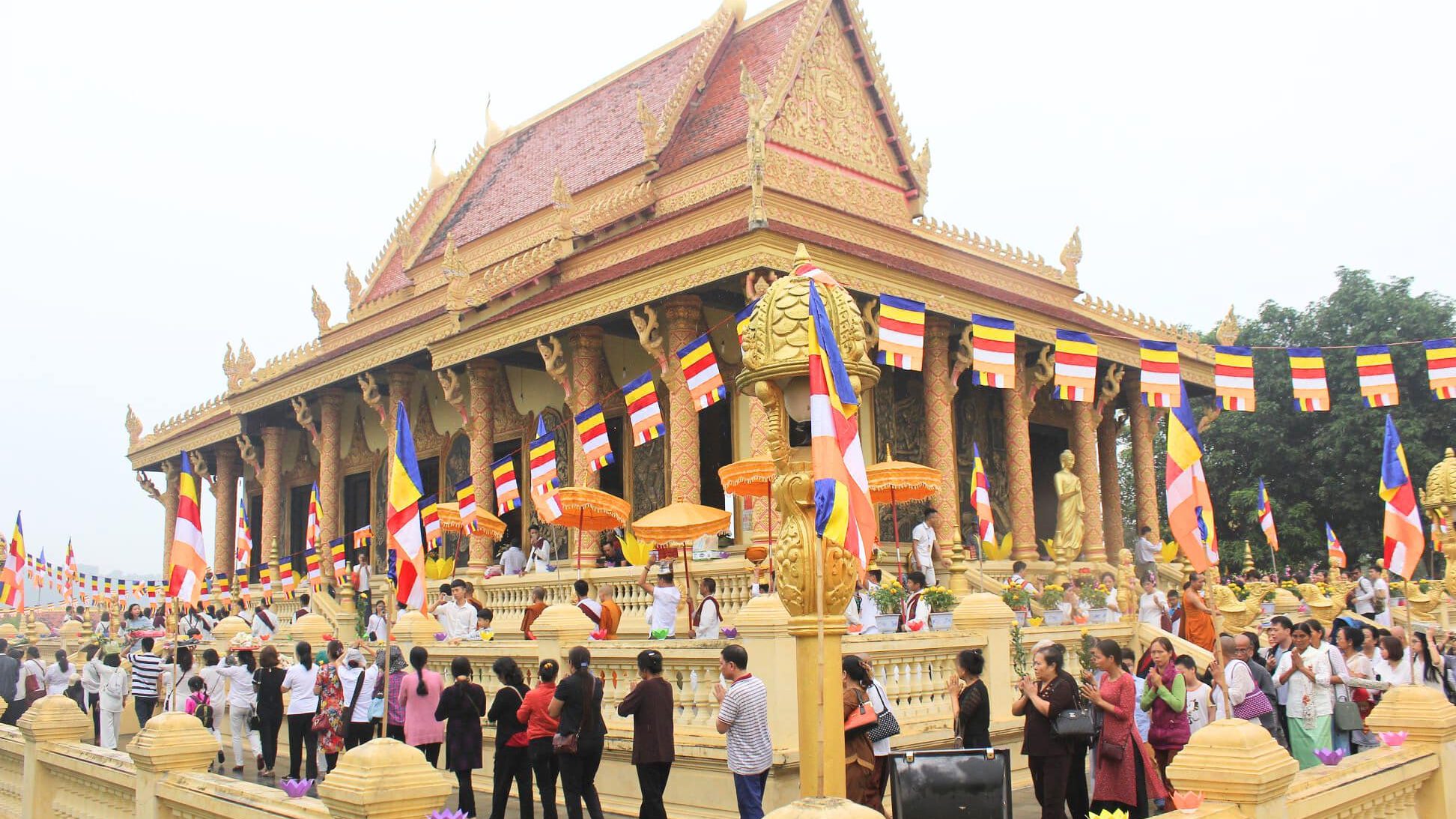
Recreates the cultural heritage and landscape of the four ethnic groups: the Cham people, the Khmer people, the Chu Ru people, and the Cho Ro people
Area 4
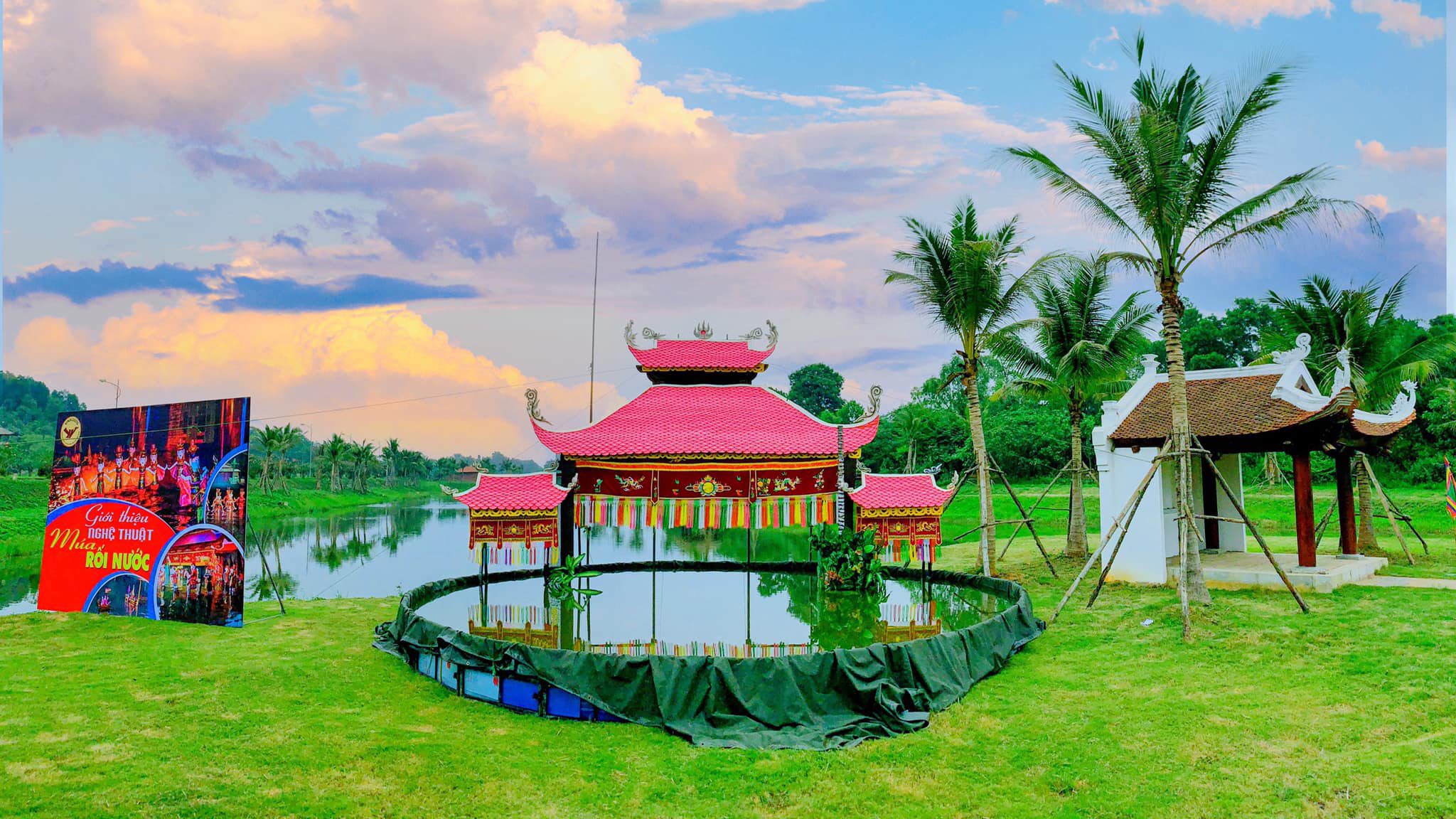
Kin (Kinh) people, Hoa (Hoa) people, Ngai (Ngai) people, San people
Recreates the cultural heritage and landscape of the four ethnic groups of the Ziu (San Diu) tribe
| ● Watch folk dances and folk music from various ethnic groups ● Experience making traditional crafts such as weaving, knitting, and carving ● Enjoy camping fires at a homestay | ● Experience traditional games such as flying fan throwing and bamboo walking ● Experience the ethnic food culture through making okanwa, making bamboo-tube rice, and roasting coffee beans ● Buy hand-made souvenirs such as wild vegetables, dried beef from water buffalo, corn liquor, and Nishikori products |
Location: Dong Mo, Son Tay
Open: 8:00 a.m. – 11:00 a.m. / 1:00 p.m. – 4:30 p.m.
Price: 30,000 VND
Learn more about the rich history and culture
Famous places outside the village that you want to keep in mind
Songtai has a long history of ups and downs. In addition to Duonlam Village, there are plenty of other places that reflect the traditional way of life and beliefs of the local people, built centuries ago.
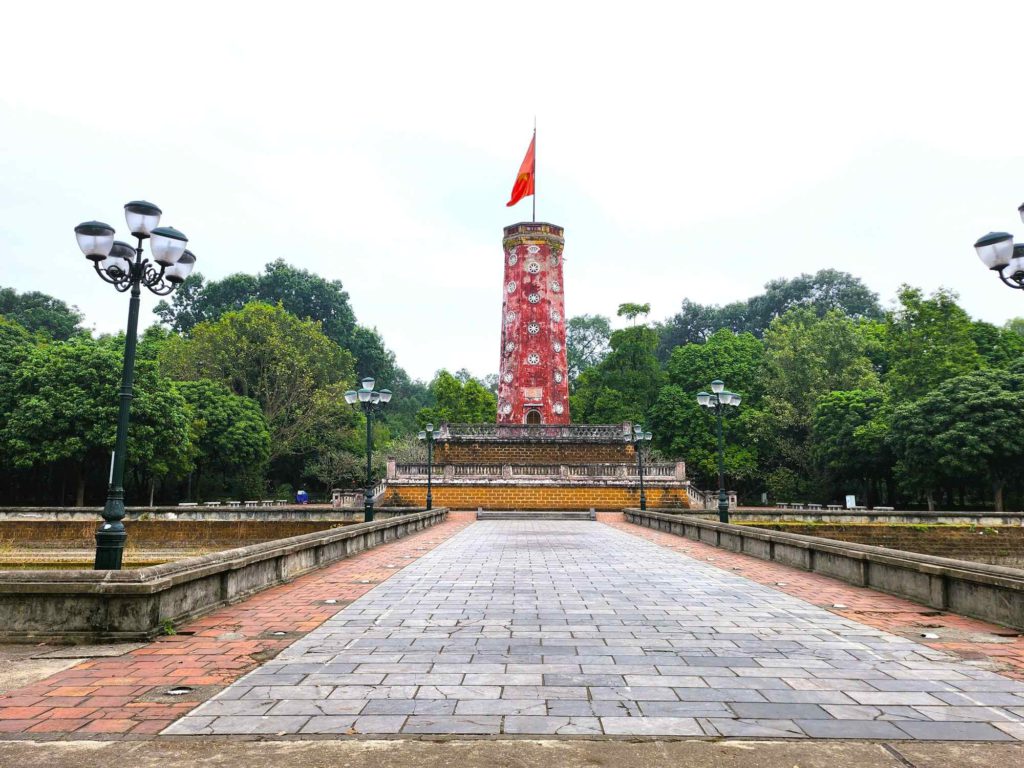
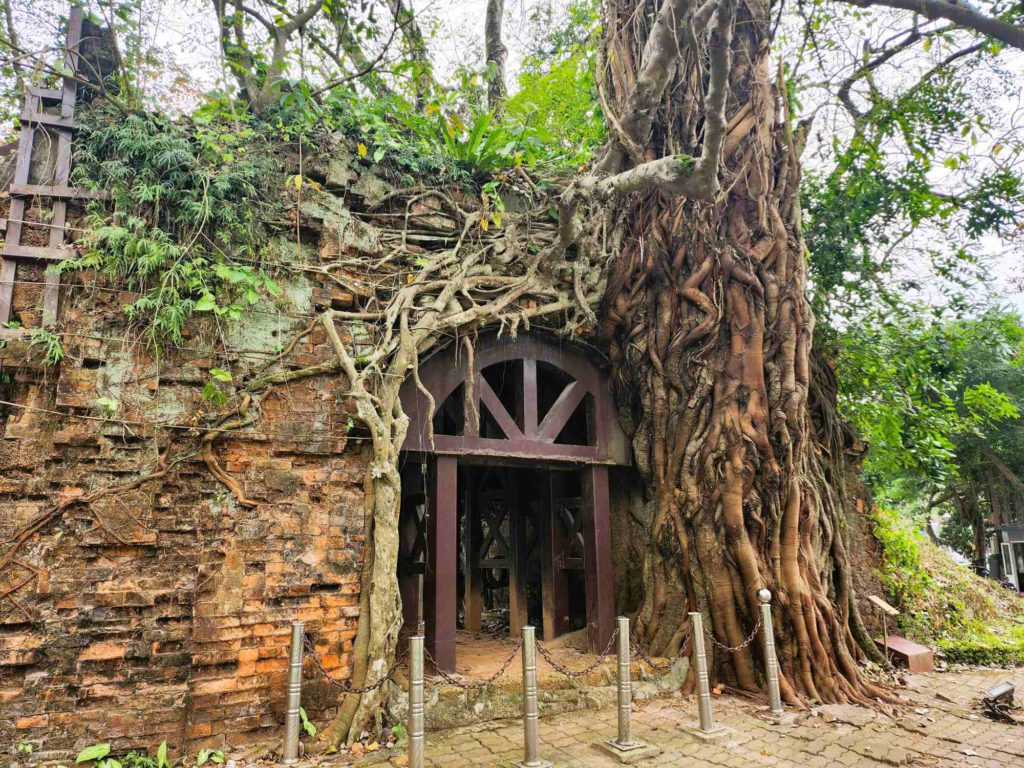
Thanh Co Son Tay Fort
The No. 1 military architecture in the country
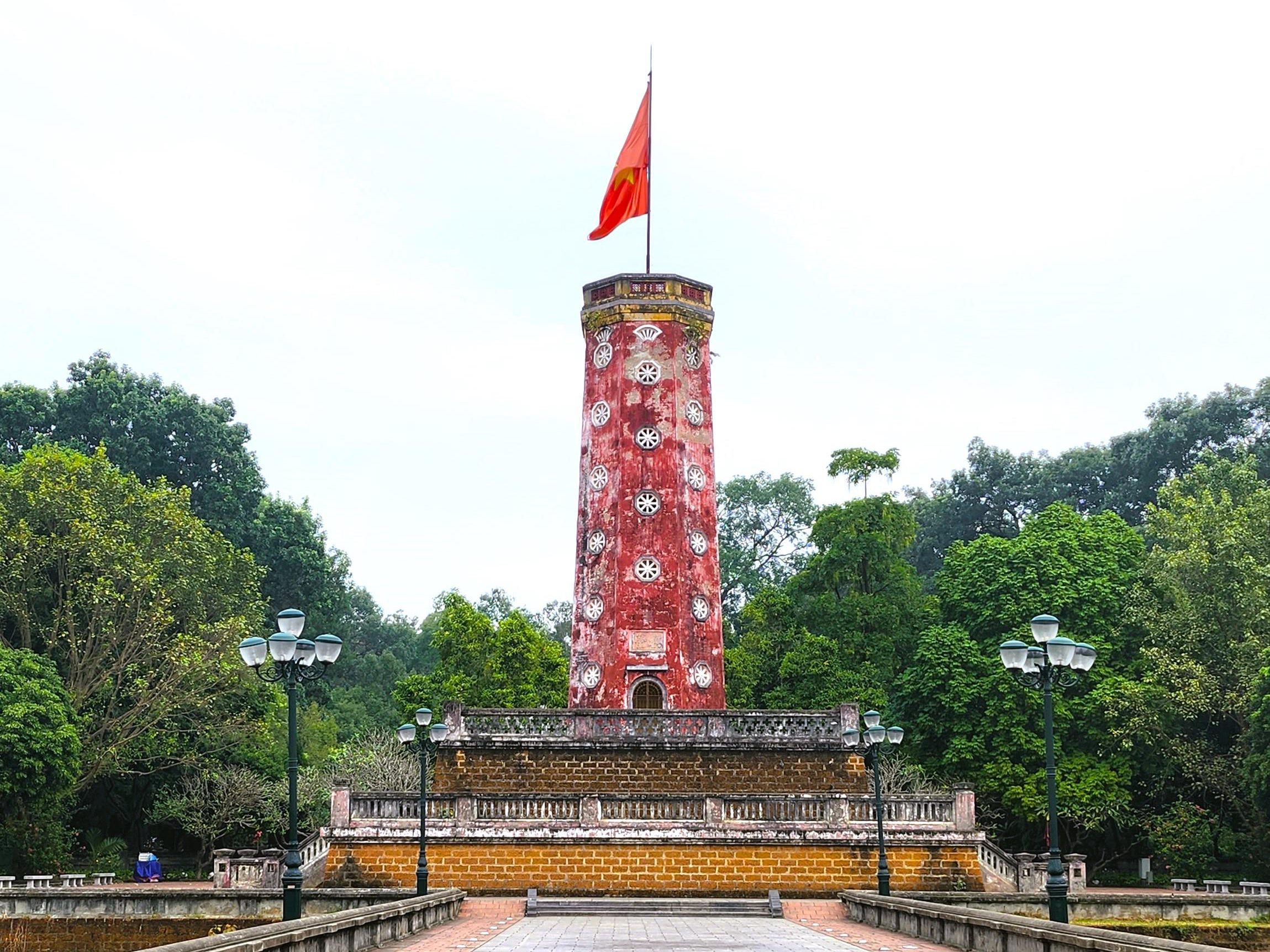
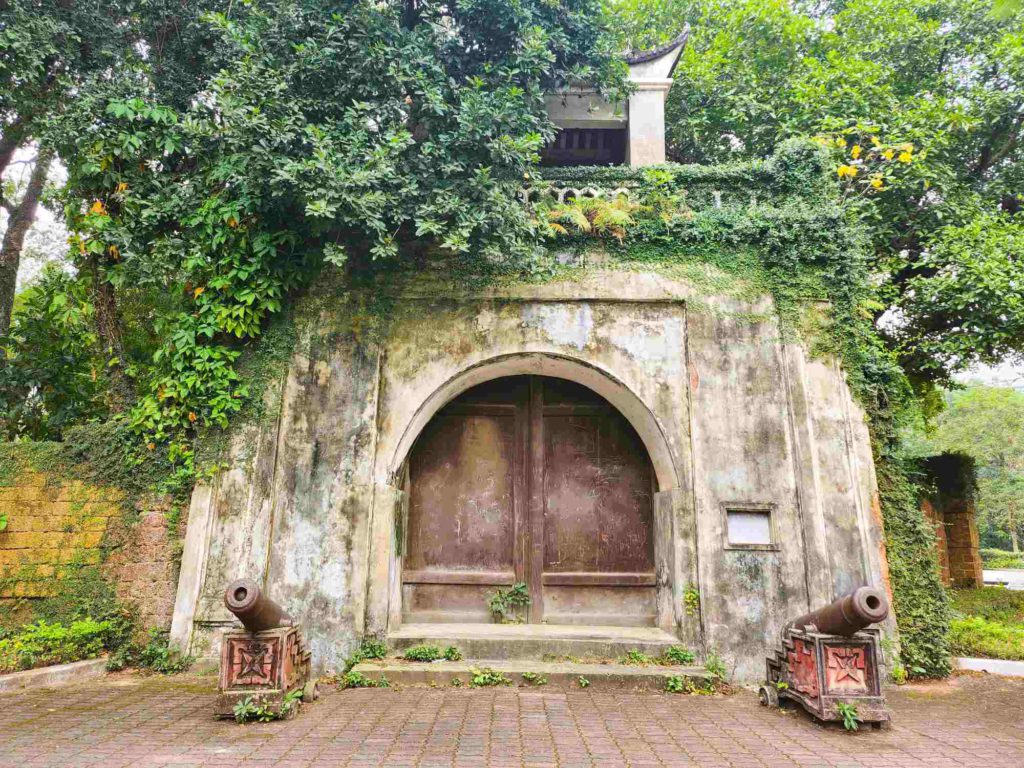
Constructed in 1822 by the order of Minh Mang, King of the Nguyen Dynasty, it is one of the important military bases protecting Tan Long Castle. It is a square structure with a length of about 400 meters along one side, a height of about 5 meters on the wall, and a width of about 4 meters; it is mainly built by stacking layers of red brick. There are four gates at the south, north, east, and west sides, named the front, rear, left, and right gates. Each gate is also equipped with a guard tower, and two cannons are installed in front of each gate. There is a moat around the area measuring 3 meters deep and 20 meters wide, connecting to the Tich River in the southwest. Within the grounds, there is a 18-meter-tall flag tower that also served as a lookout tower for soldiers and a Kintien (Kinh Thien) pavilion used as the royal residence when traveling around.
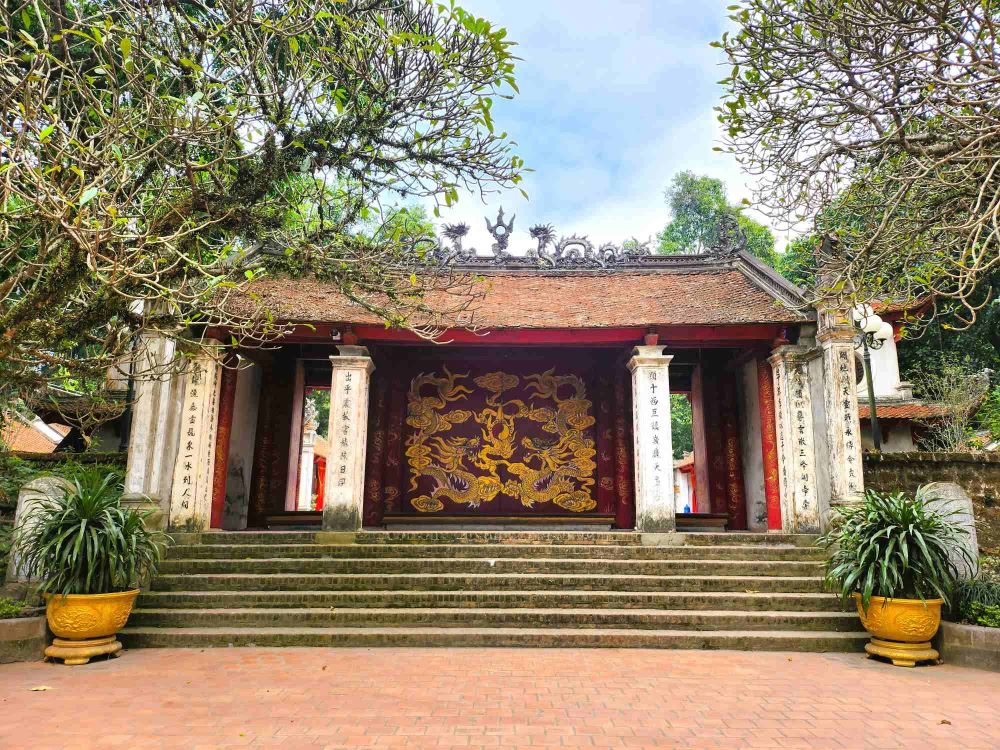
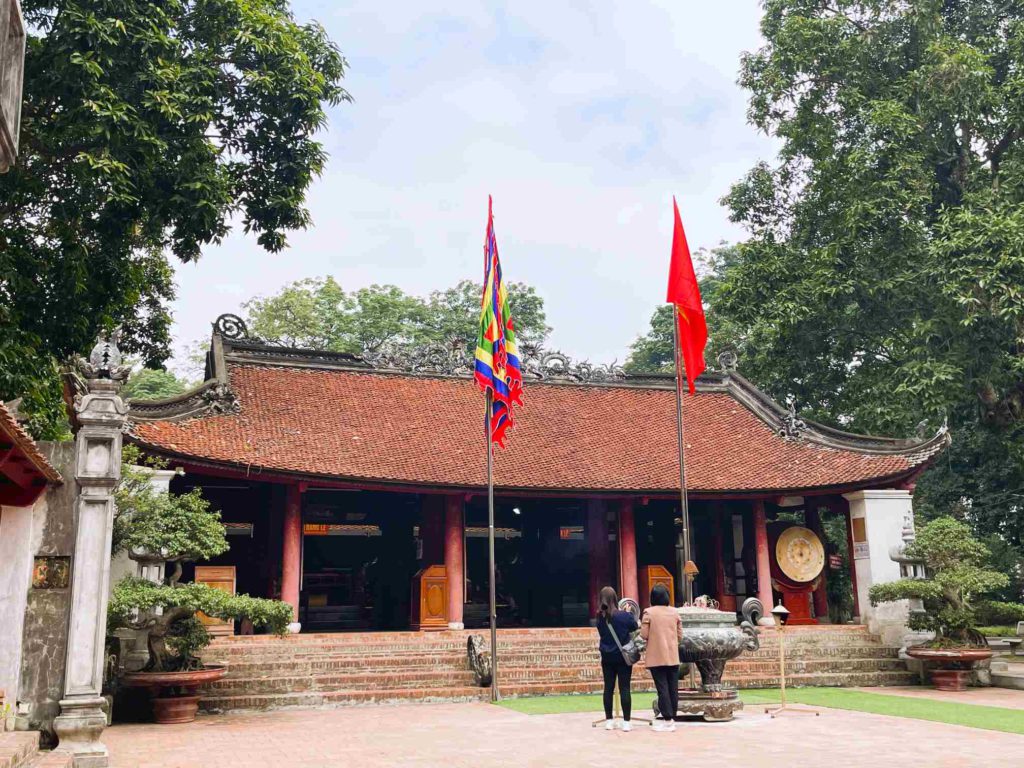
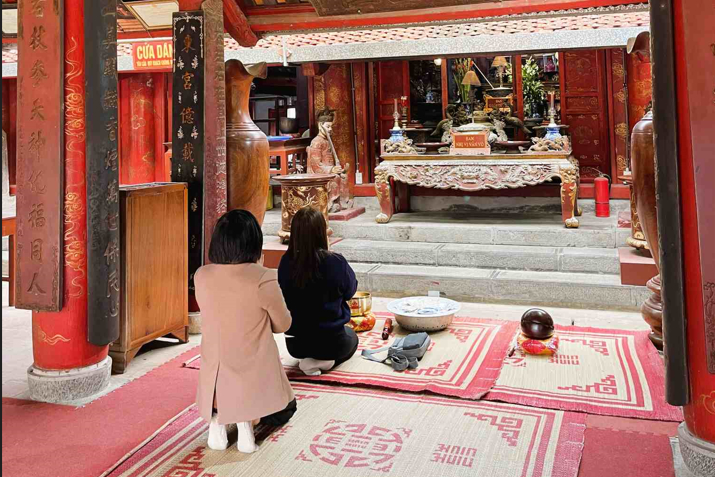
Ver Shodou / Den Va
A shrine hall with a history of over 1000 years of extraordinary significance
Also known as Dong Cung (East Palace), the Vao Temple is dedicated to Mount Sam. It is believed to have been built during the time when Vietnam was under Tang rule. The site covers approximately 2,000 square meters and is surrounded by a 2-meter-high lava wall. According to Feng Shui theory, it is located on a hill shaped like a turtle swimming toward the rising sun, surrounded by hundreds of trees, and filled with greenery throughout the four seasons. The Vao Temple festival, one of the largest festivals in the region, is held every year in January and September of the lunar calendar, attracting many people from within and outside the region.
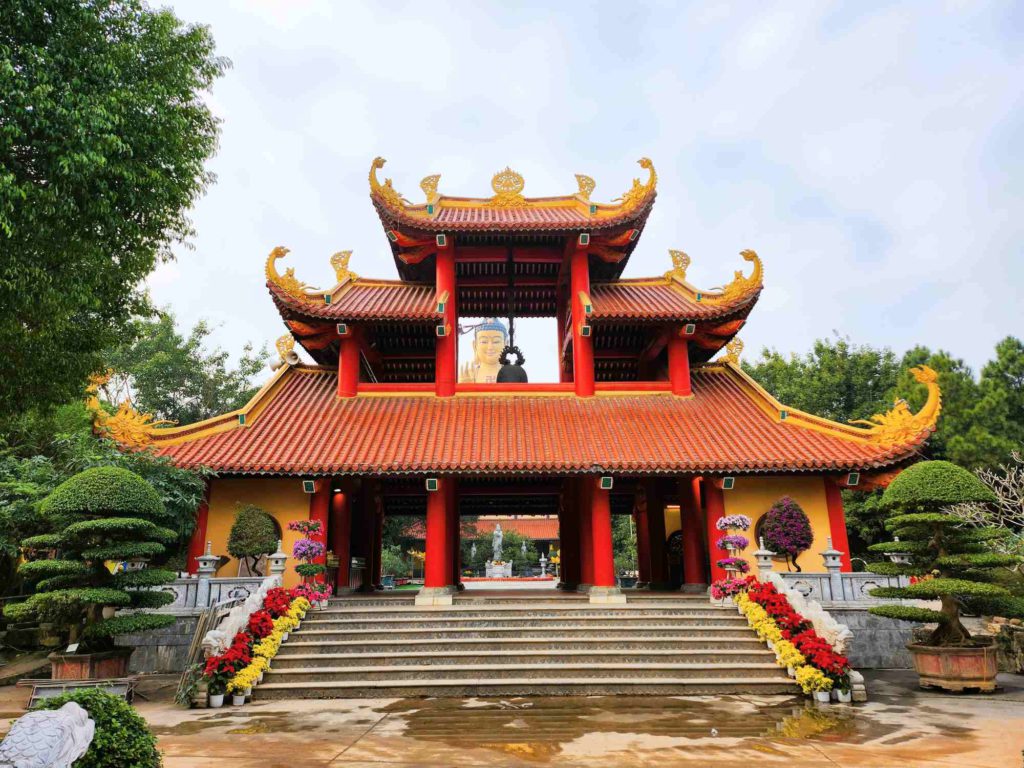
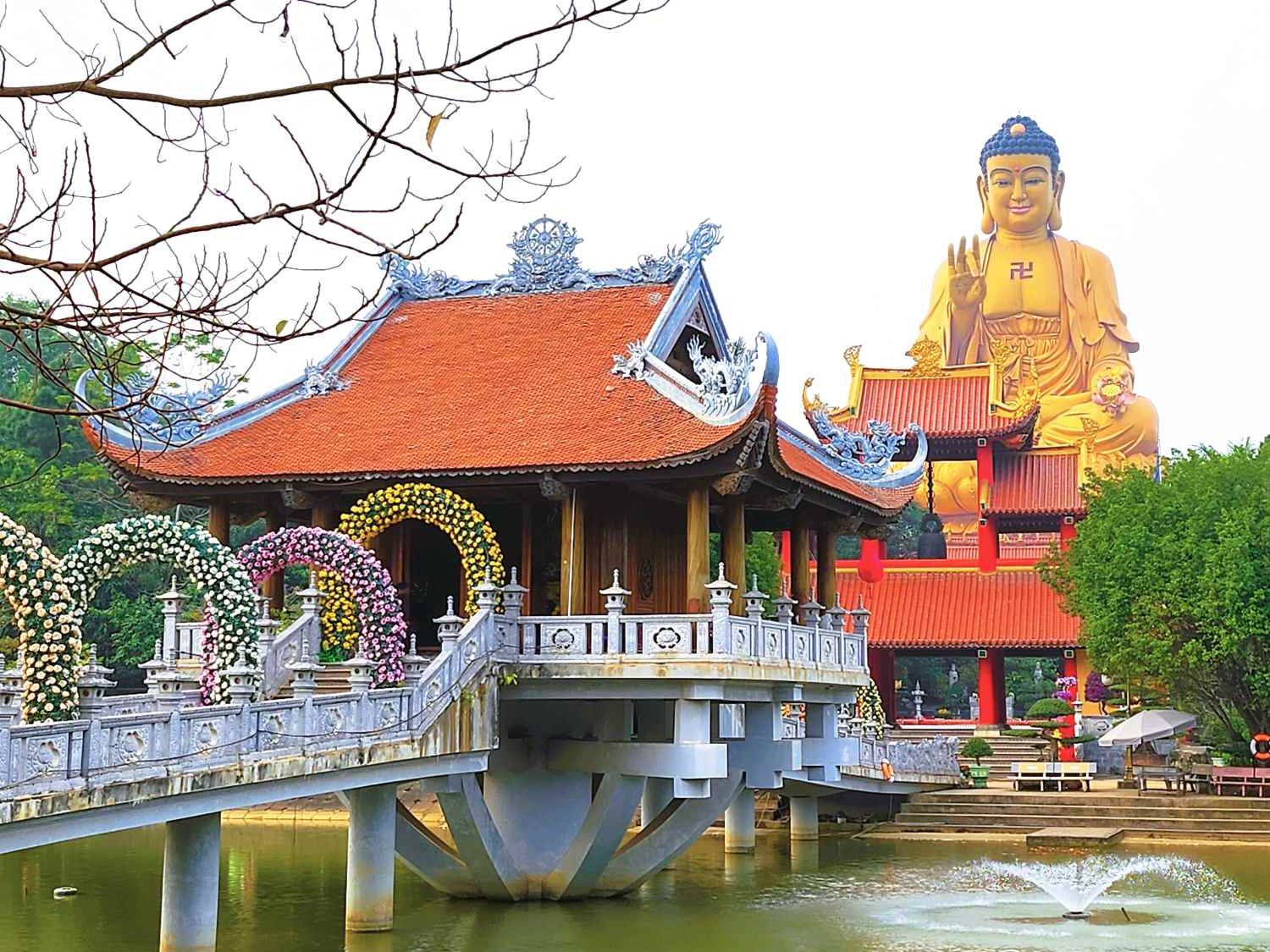
Igen Temple / Chua Khai Nguyen
The temple always seems bustling after renovations are completed
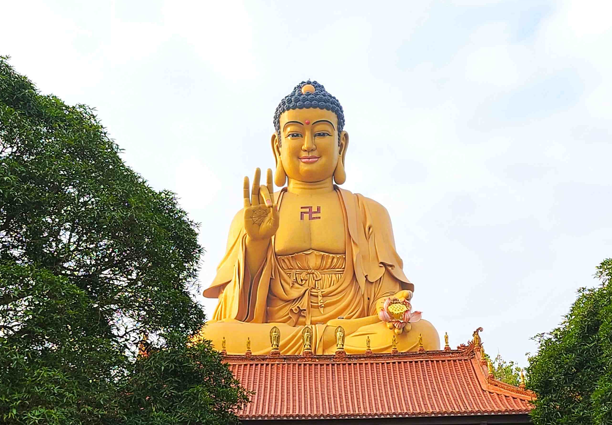
The temple is said to have been built in the early 16th century. A large-scale restoration was carried out in 2003 with donations from Buddhists both within and outside the region, and it has become more widely recognized. The largest Amitabha Buddha statue in Southeast Asia, measuring over 70 meters in height and with a base area of 1,200 square meters, was commissioned in 2015. The main hall houses nearly 2,000 statues of various types. It has an architectural style that blends ancient and modern elements, and there is a rectangular lake between the main entrance and the grounds, connected by a bridge. Every year, a retreat is held, attracting thousands of participants of all ages.
Enjoy local cuisine using local ingredients
After touring the sights of Songtai and visiting Duonlam Village, you might want to enjoy lunch or dinner. Enjoy fresh local ingredients in a relaxed, rustic setting.
Duonlam Village Kitchen
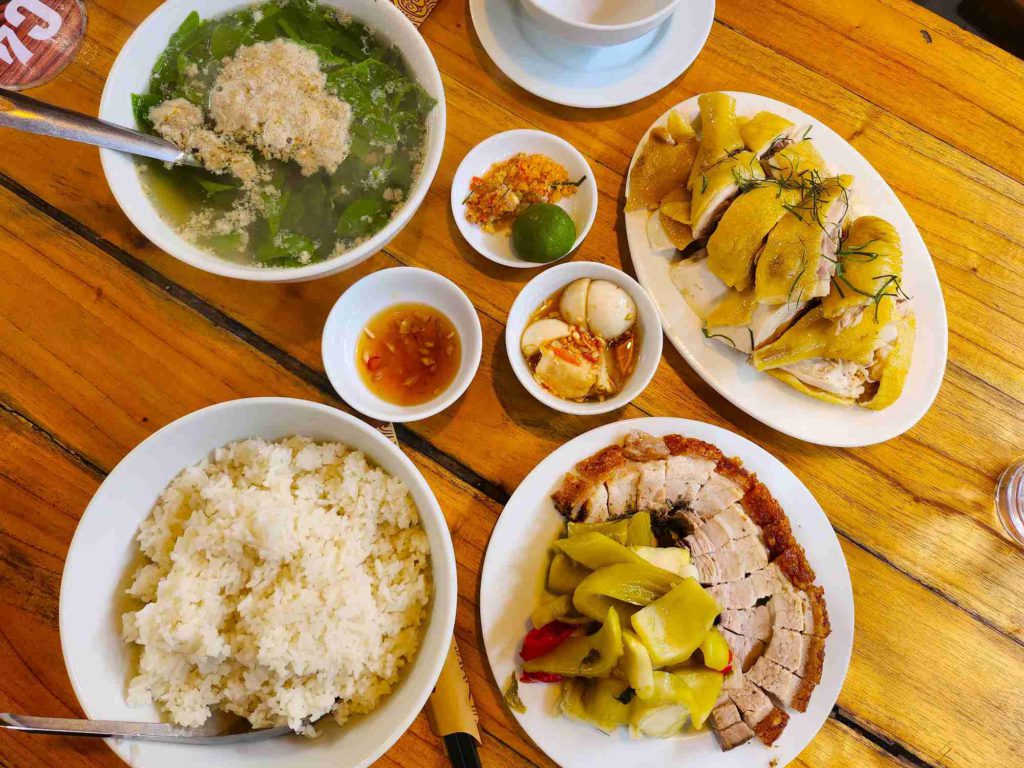
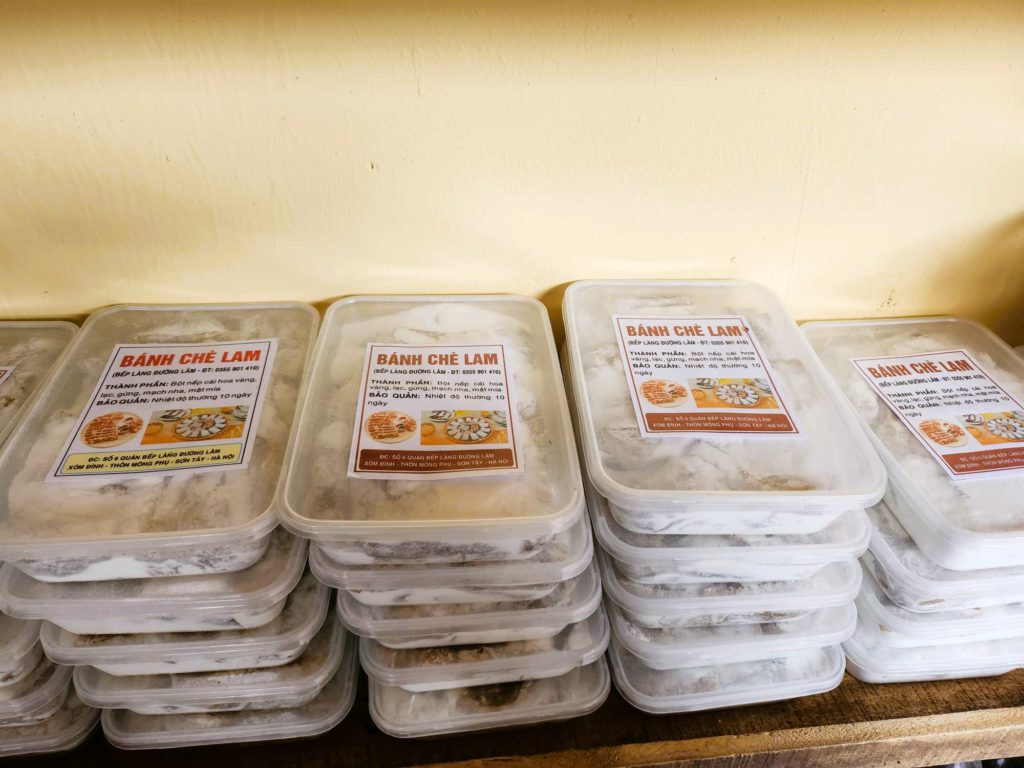
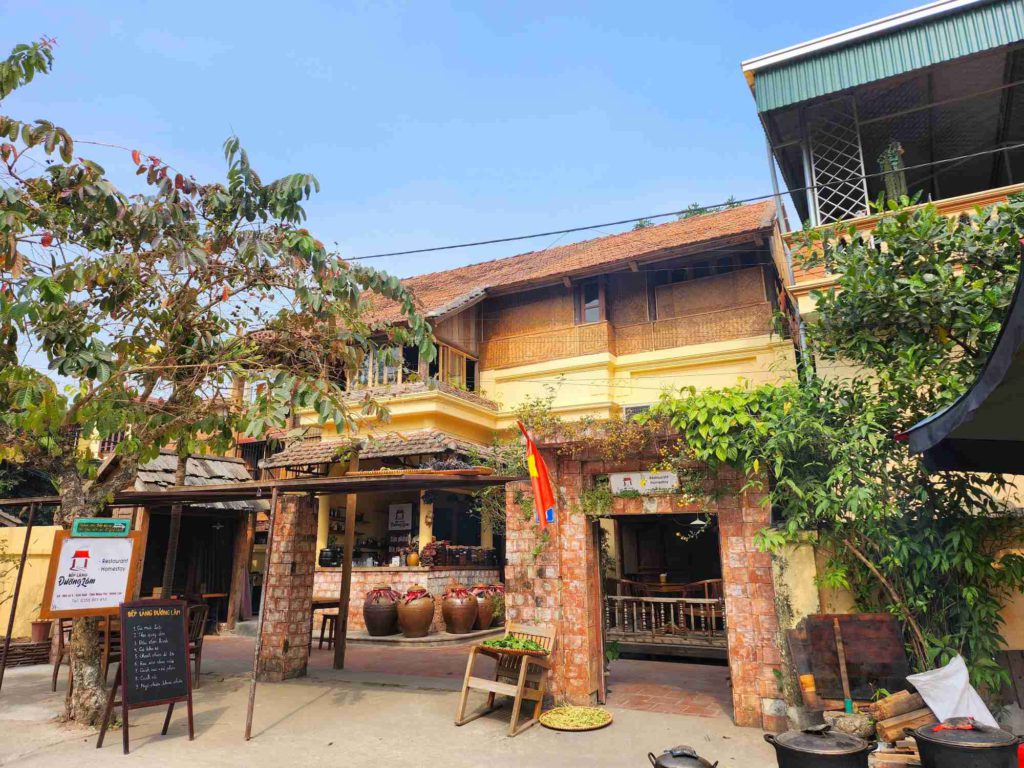
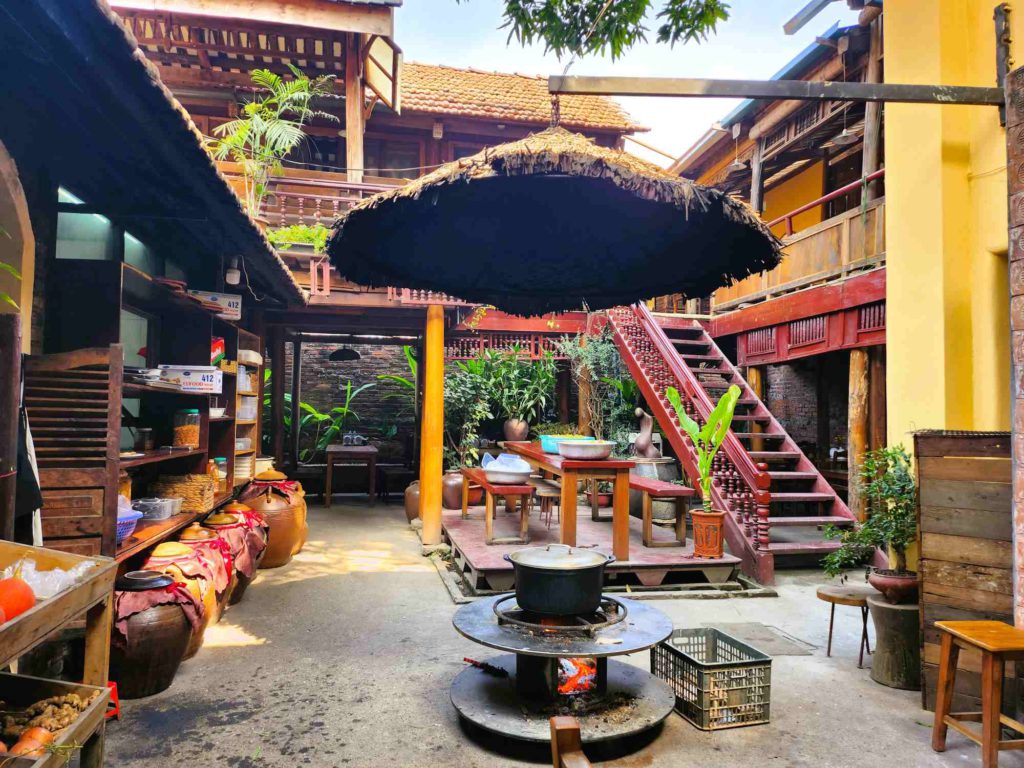
Bep Lang Duong Lam
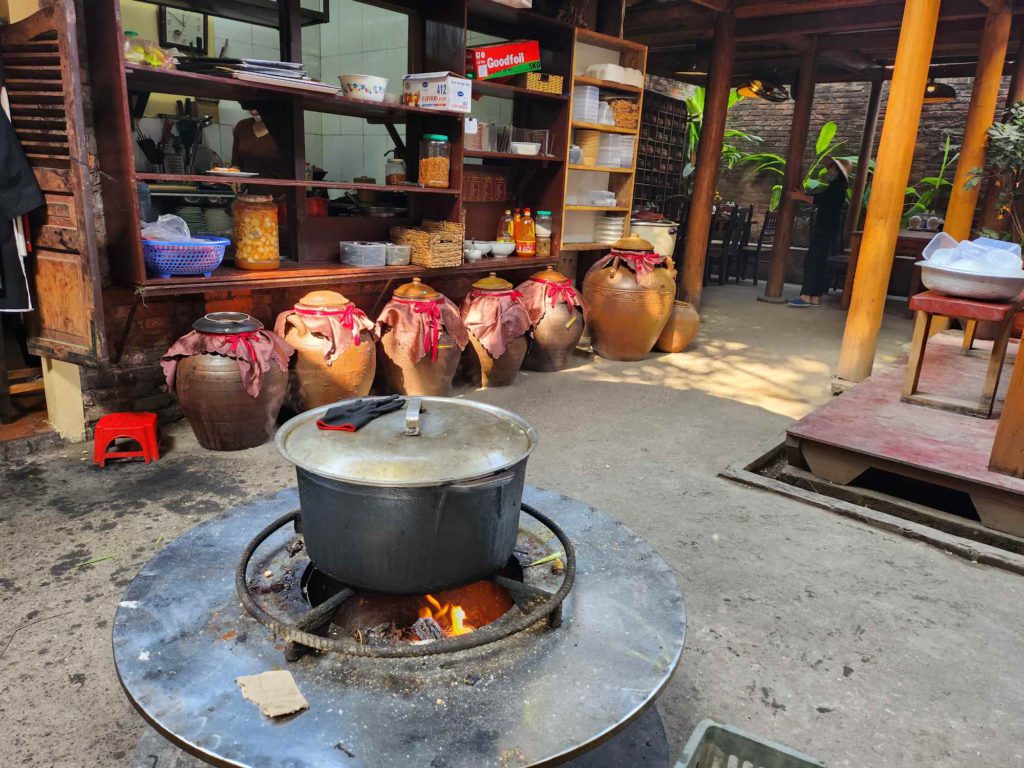
Located in Duong Lam Village, this restaurant serves typical dishes from the countryside of northern Vietnam. It incorporates traditional cooking methods using firewood to recreate a simple, rustic kitchen. Constructed primarily of brick and wood, the first floor features an open space, and the second floor is fully air-conditioned. It can accommodate large groups and is the perfect stop for a lunch break during your trip.
Location: 8 Xom Dinh, Mong Phu, Duong Lam
Phone: 035-590-1410
Open: Monday to Friday 8:00 a.m. to 4:30 p.m., Saturday and Sunday 8:00 a.m. to 9:00 p.m.
Discover the charm of the region through art
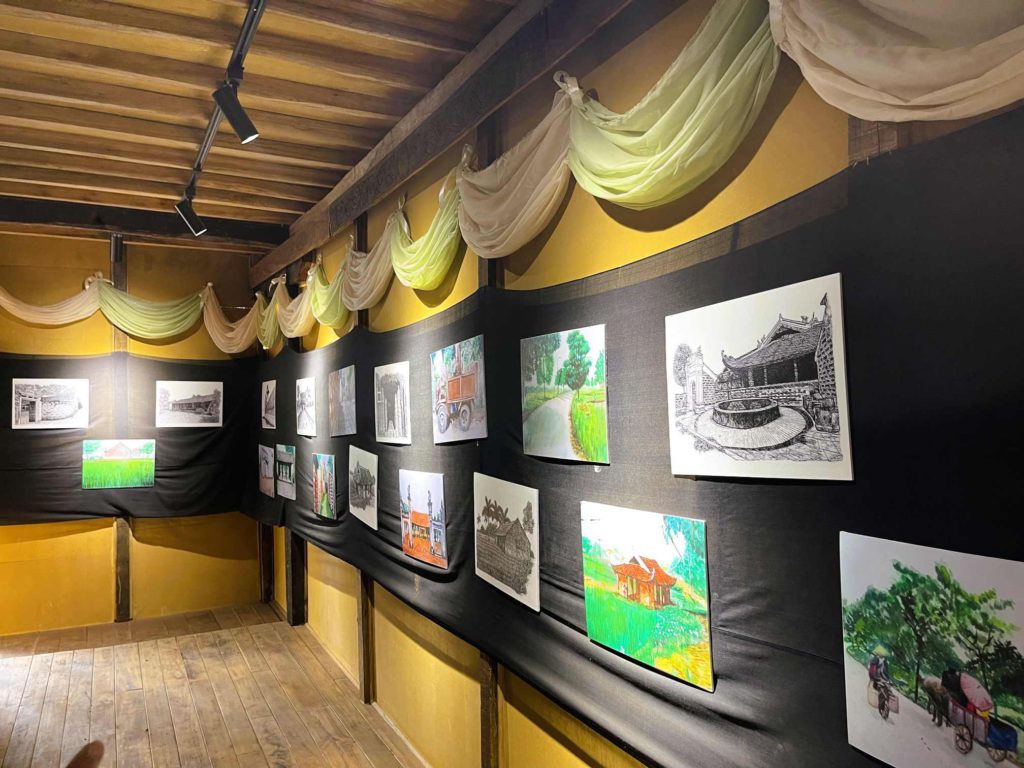
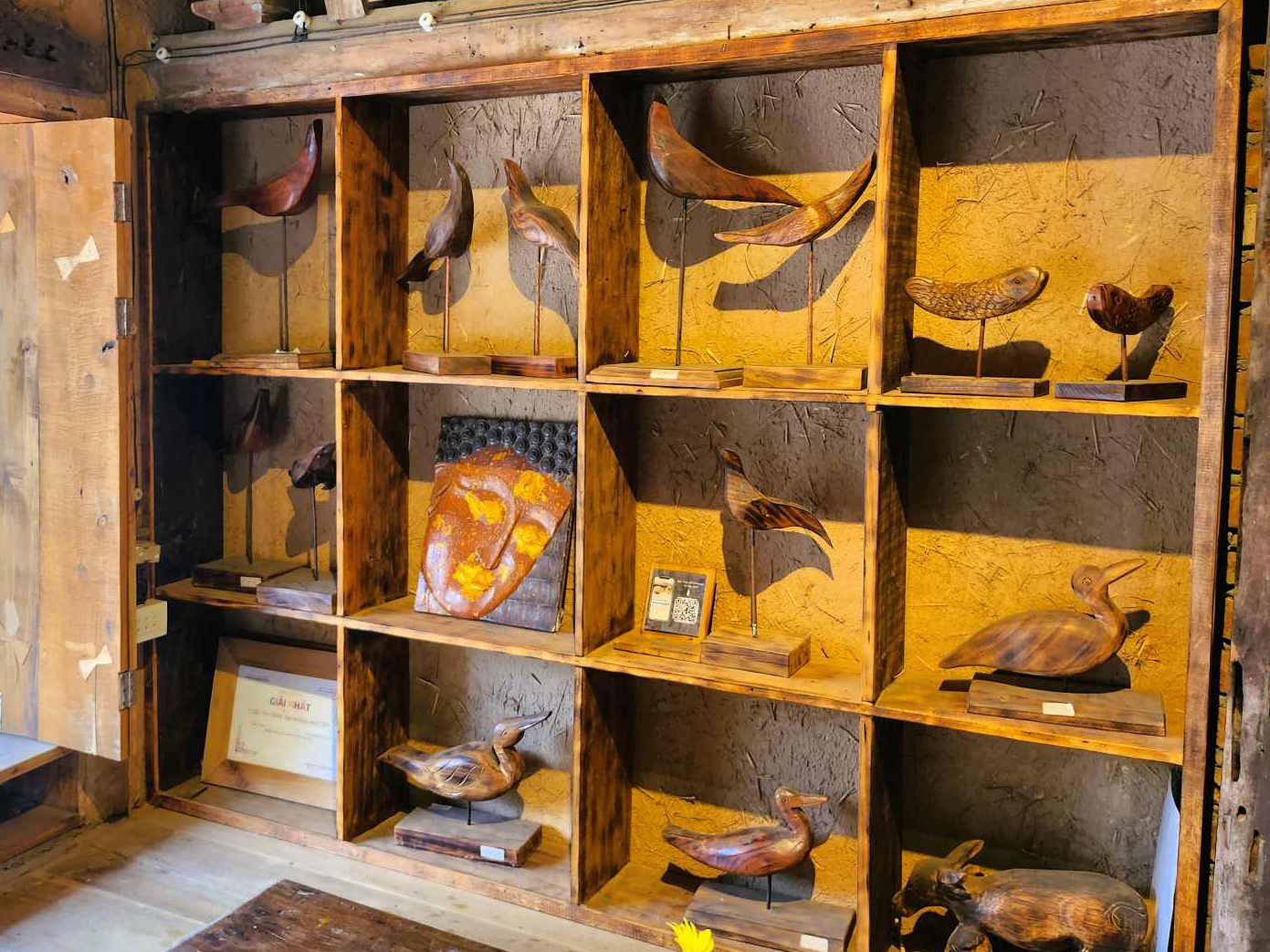
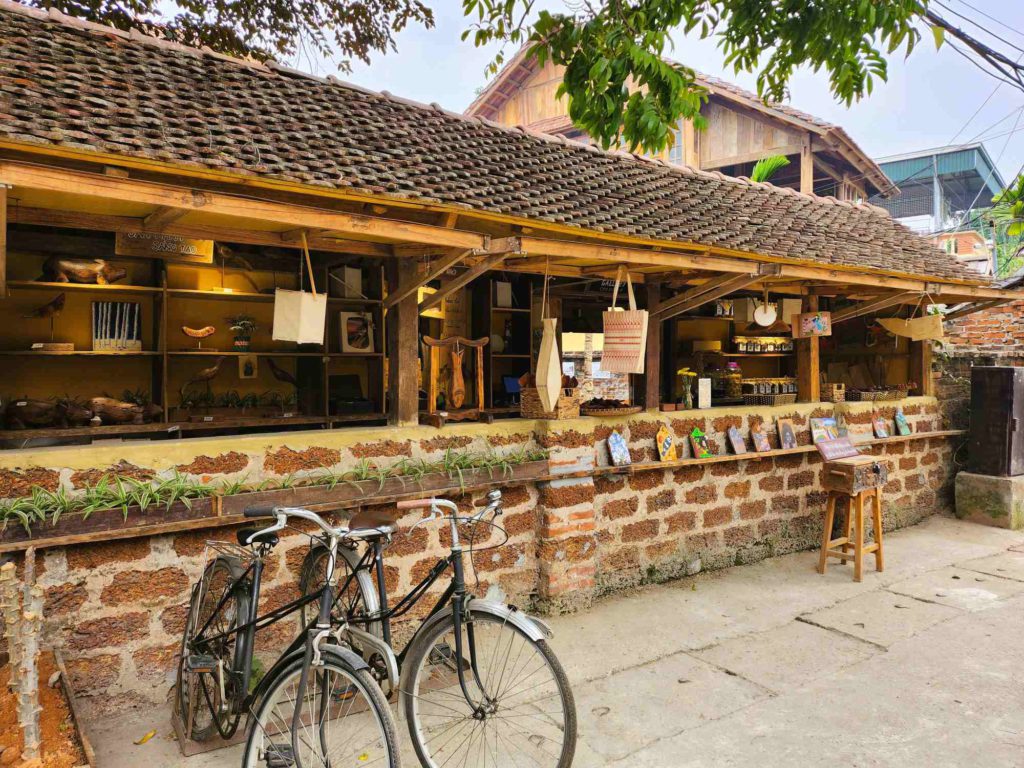
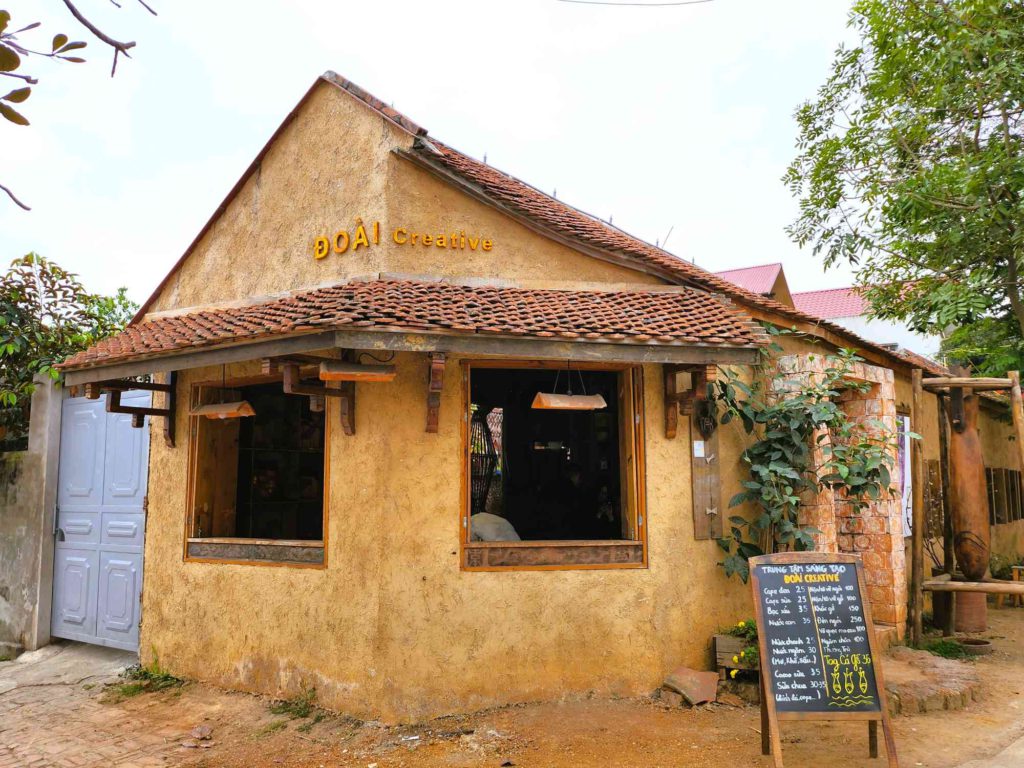
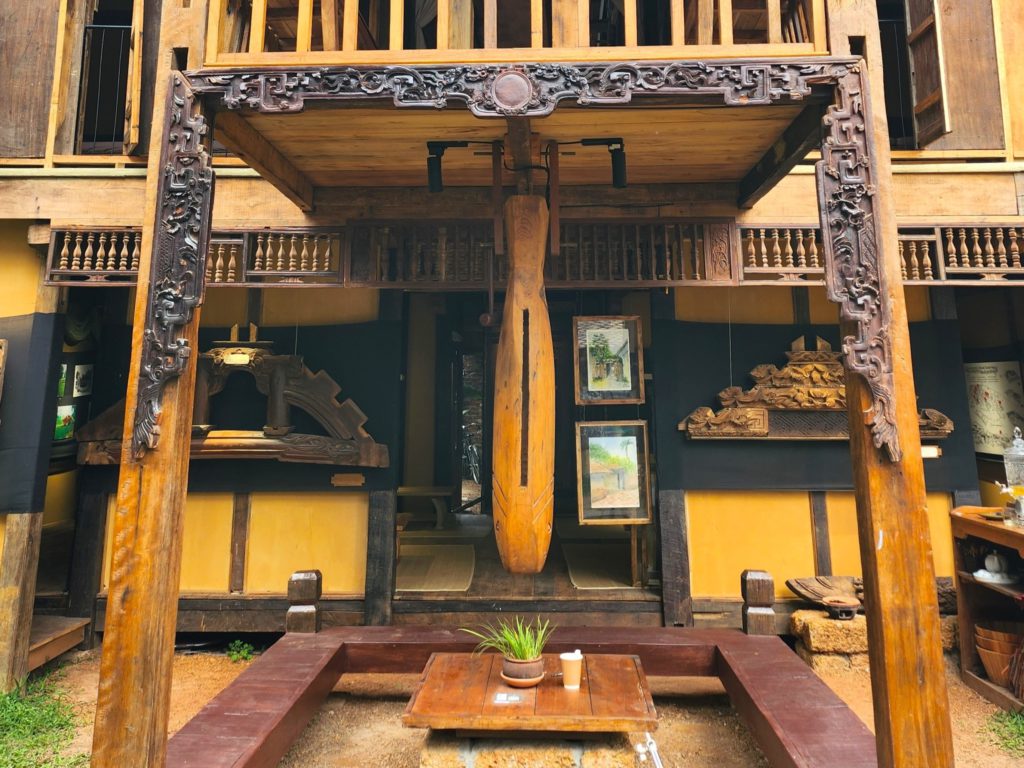
The original structure of the terraced houses has been preserved and renovated to create the Art Complex, which opened at the end of 2022. It is hoped that this will increase opportunities to learn about Songtai’s history and culture and stimulate artistic activities that inspire creativity.
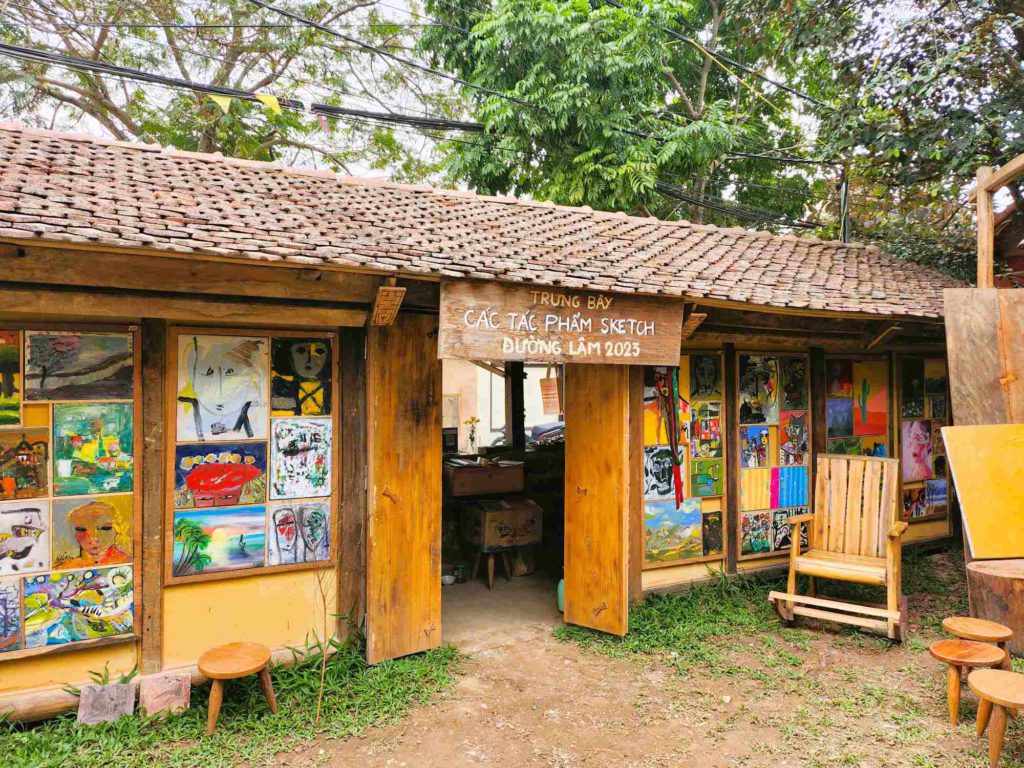
Doi Creative & Doi Community
Doai Creative & Doai Community
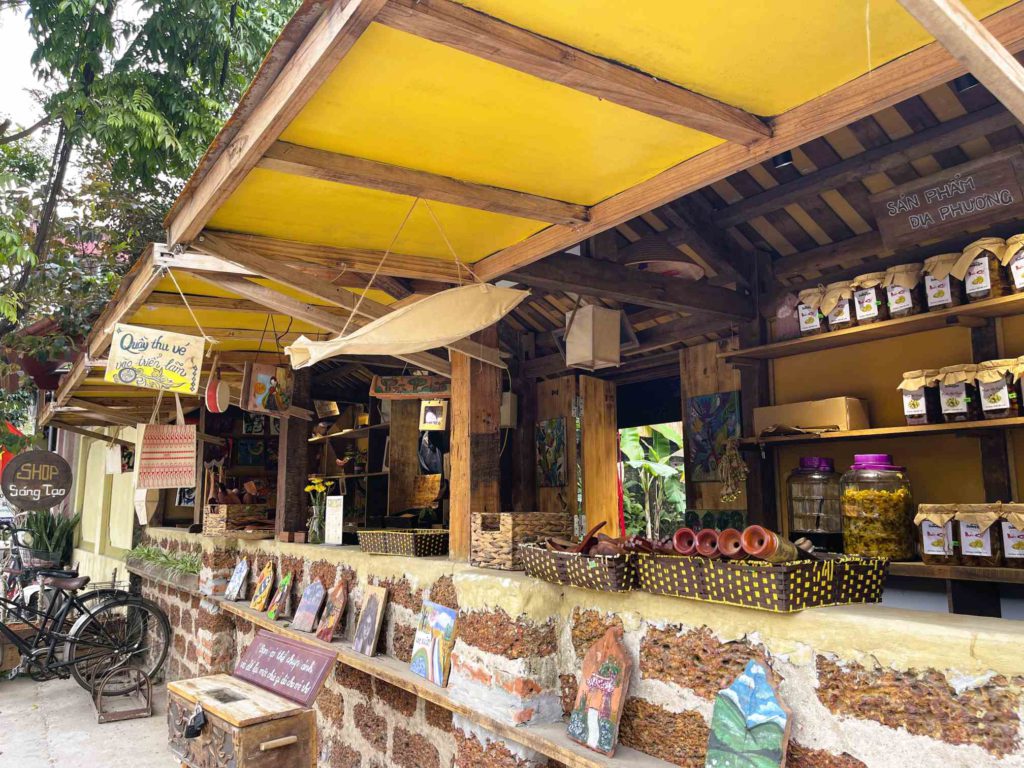
Doai Creative, incorporating the old name of Songtai, "Doai," is an art space that offers a creative space where domestic and international tourists, especially children, can experience Songtai's traditional crafts and arts. It holds artistic activities and workshops such as wood carving and painting on tiles that convey the historical and cultural value of the local area. When you want to take a break, drinks are also available. The Doai Community is a place to pass on and expand the values of Doai Creative, a place for the exchange of artists and culture enthusiasts in general, and a gallery that hosts performances and exhibitions of art works.